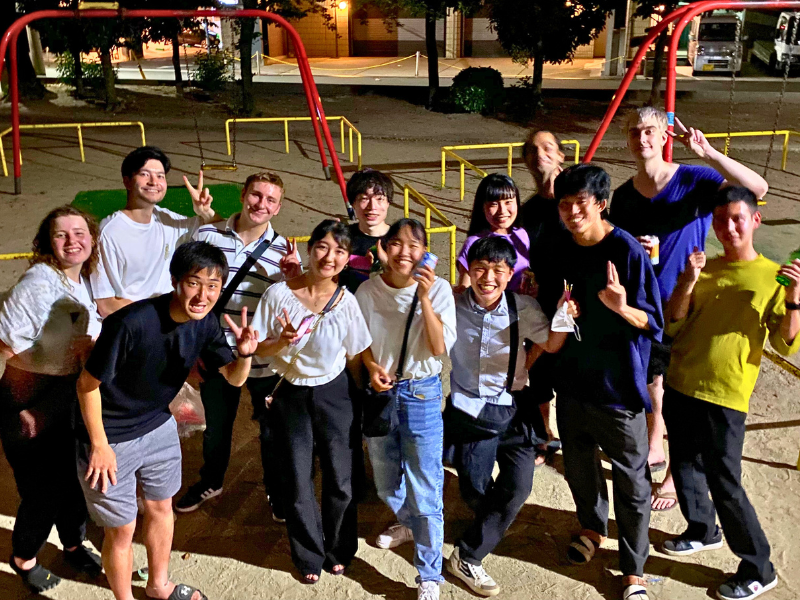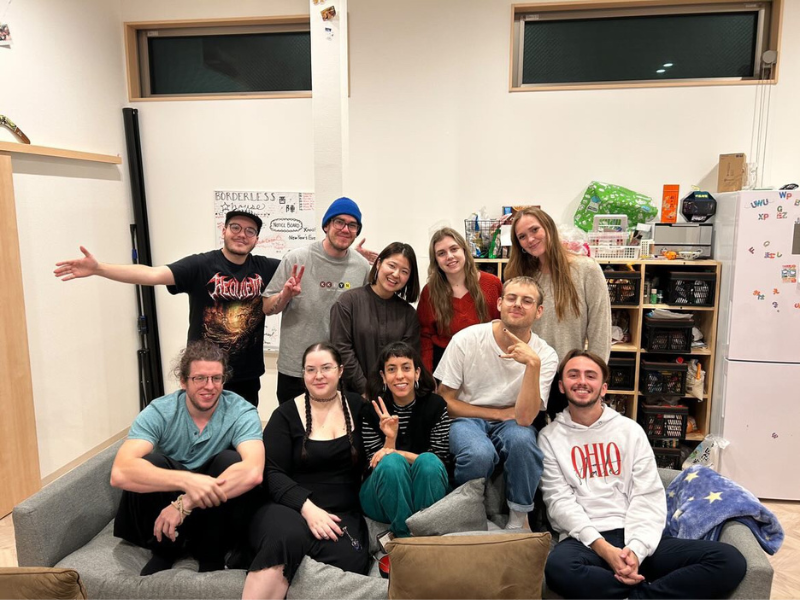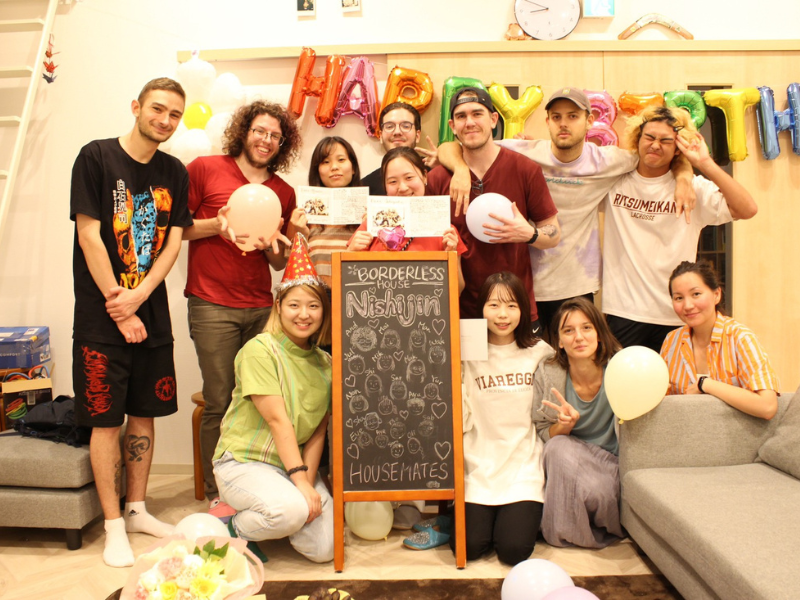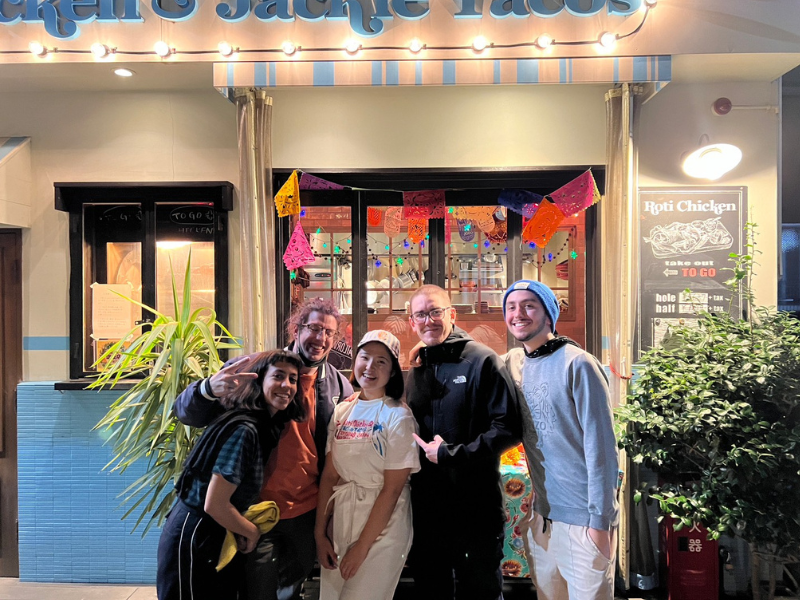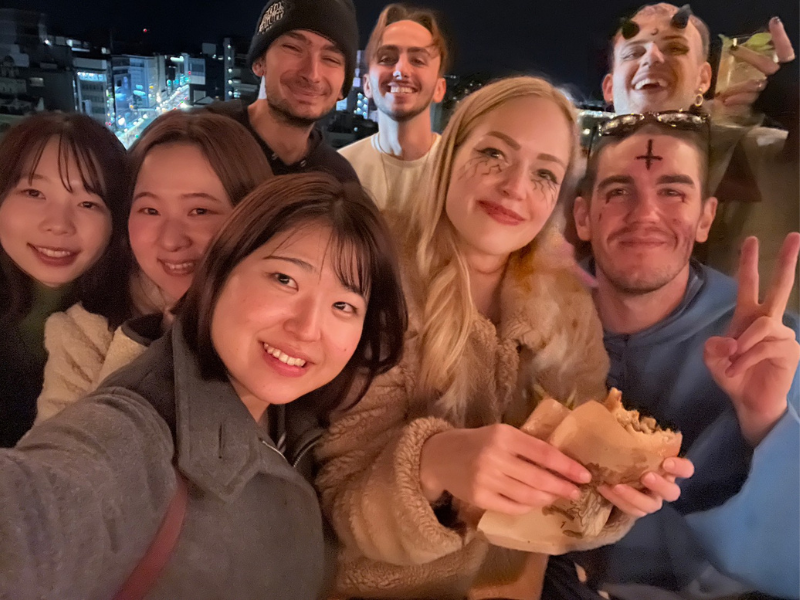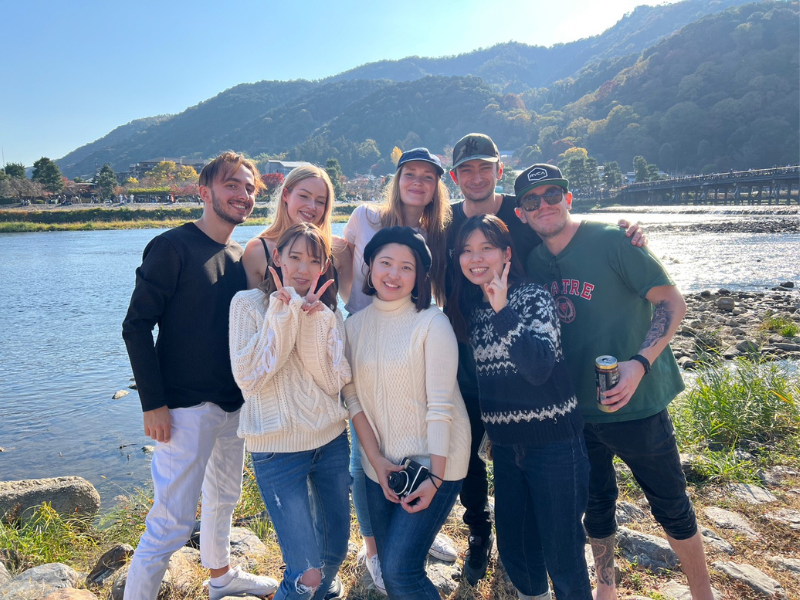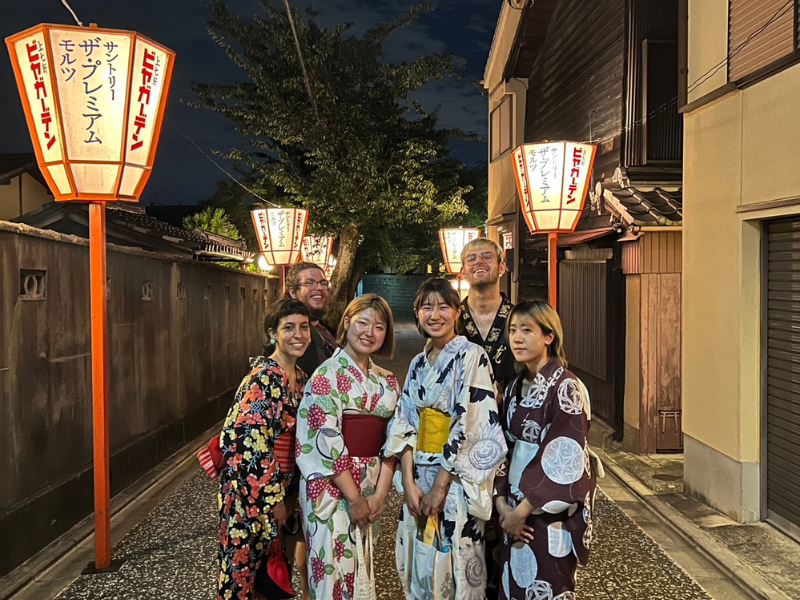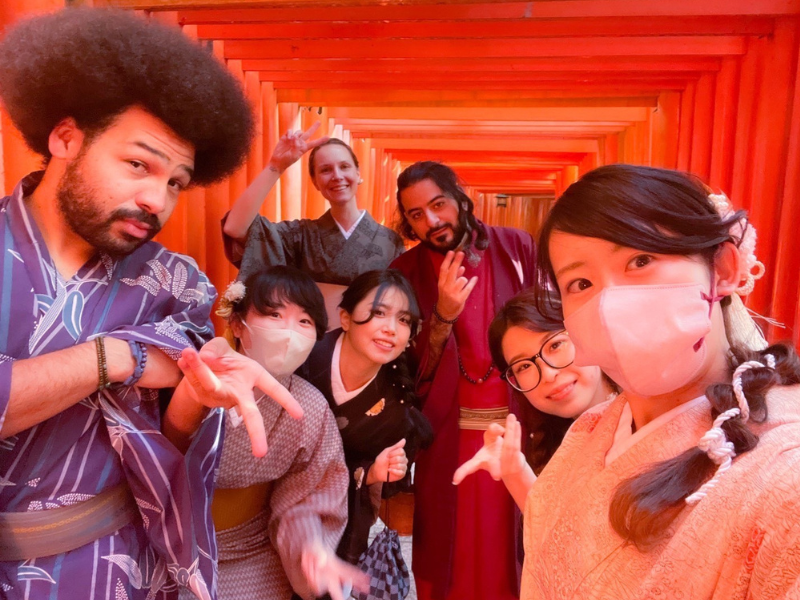
Tenant’s Interview ▏ I have a new family and more supporters in my life!

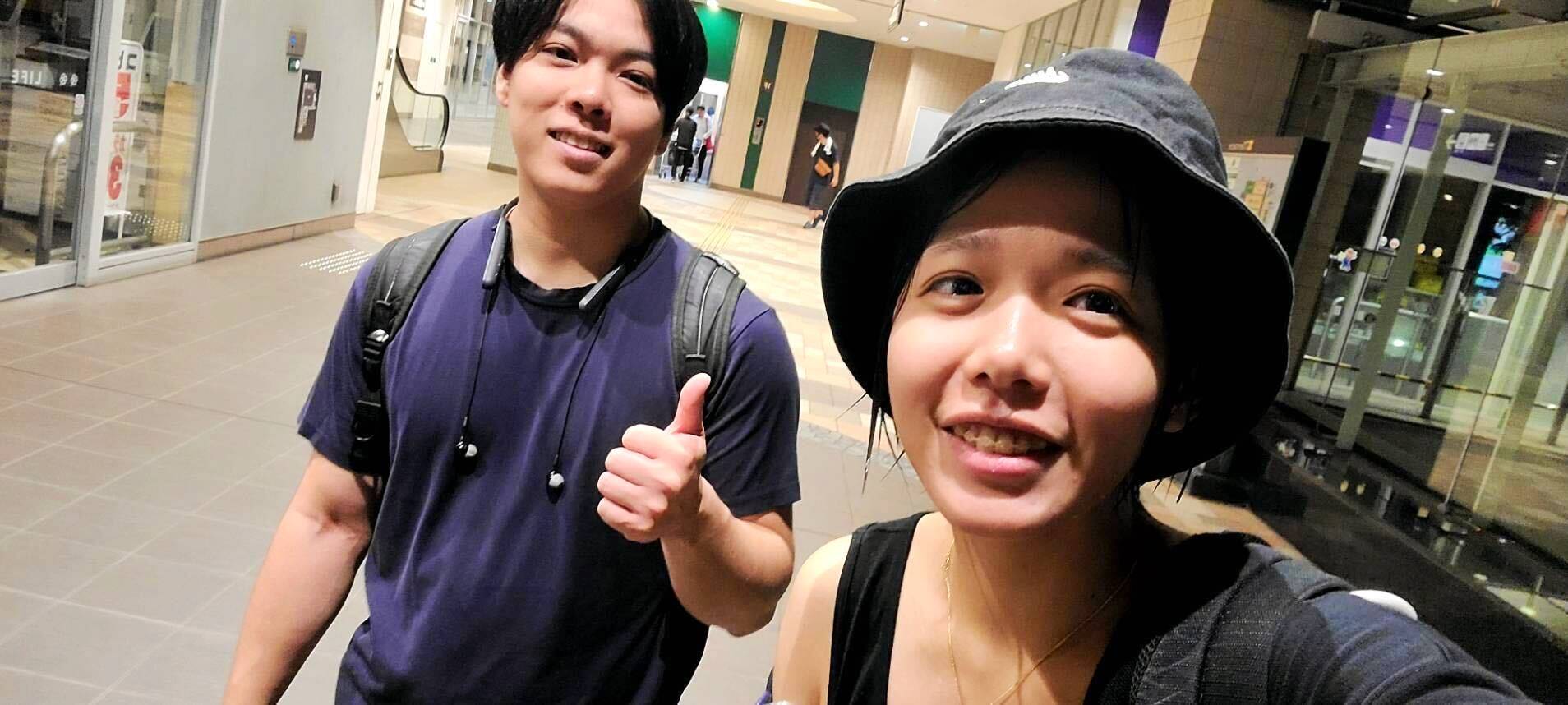
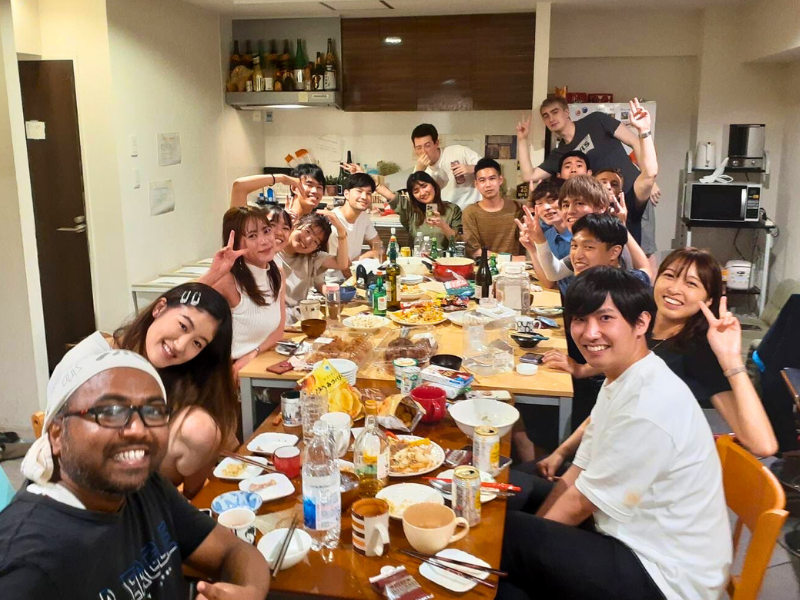
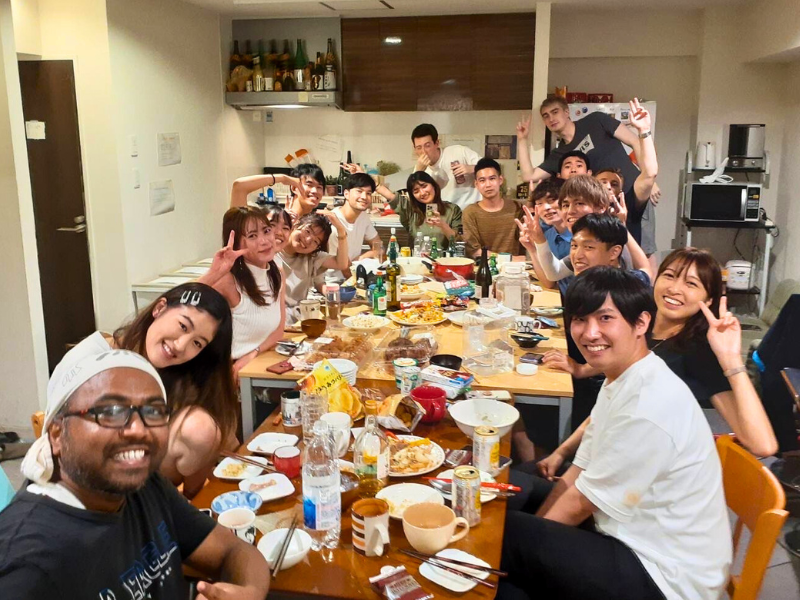
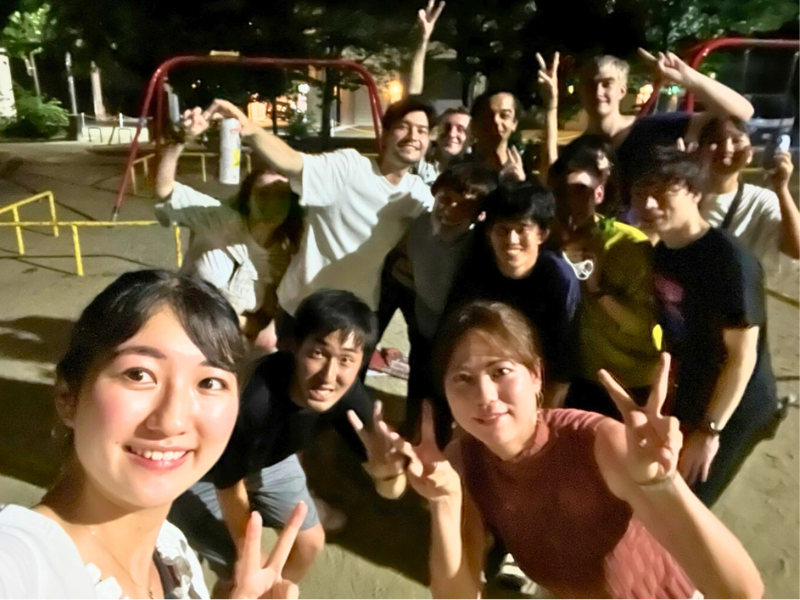
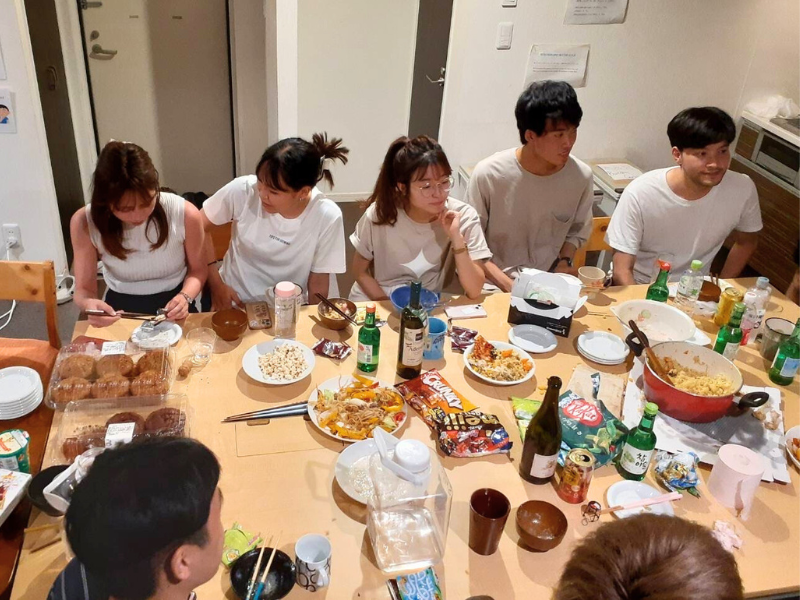
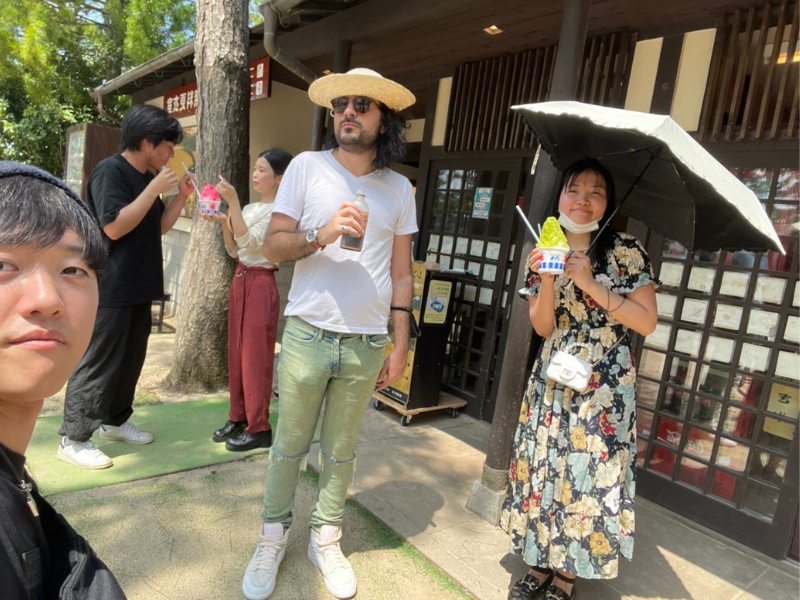
We had an interview with one of our tenants at Borderless House, Nonoka-san, who has been living at our Nishijin House in Kyoto for almost one year. Nonoka-san is a second-year university student studying sociology. She usually volunteers as a sightseeing guide in Kyoto.

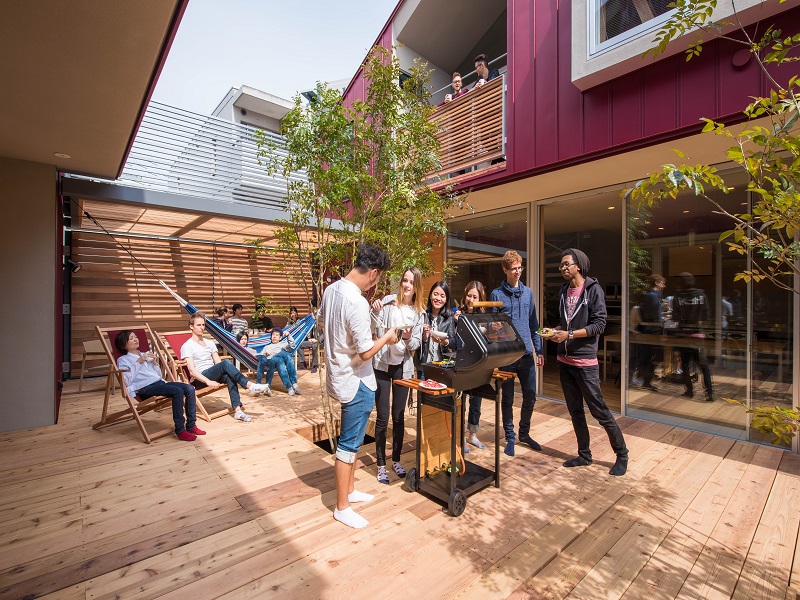
From the interview, we hope to show you what life is like at an international share house for our tenants, and hope you get a feel for the environment and community of Borderless House!

My fondest memories are of ordinary, everyday life


-Why did you choose to live in a share house?

When I started living alone in Kyoto for college, I thought it would be nice to live in a share house. I thought about the international dormitory at my university, but I decided to stay at BORDERLESS HOUSE because I could have relationships not only with classmates from my university, but also with students from other universities, workers, and a wide range of people.

-What is the best thing about living in BORDERLESS HOUSE?

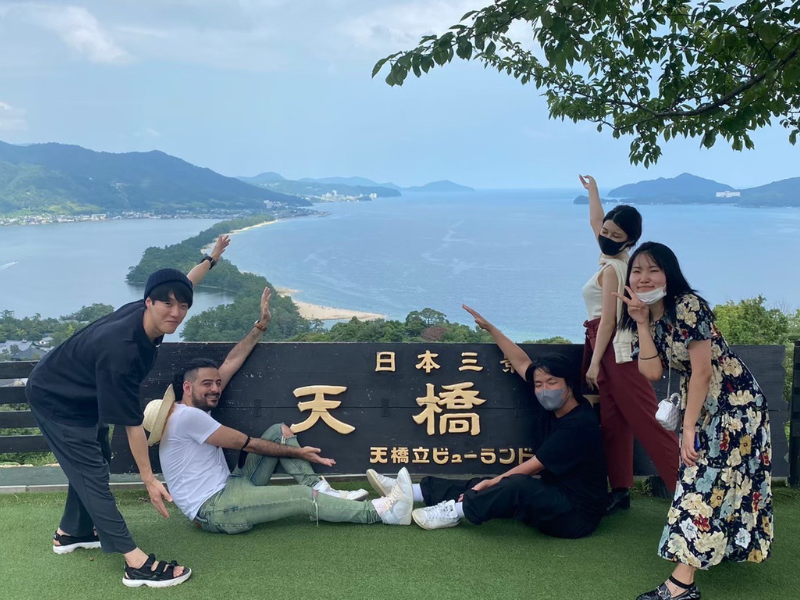
There are too many to mention, but birthday parties and trips were a lot of fun, but I think it’s daily life.

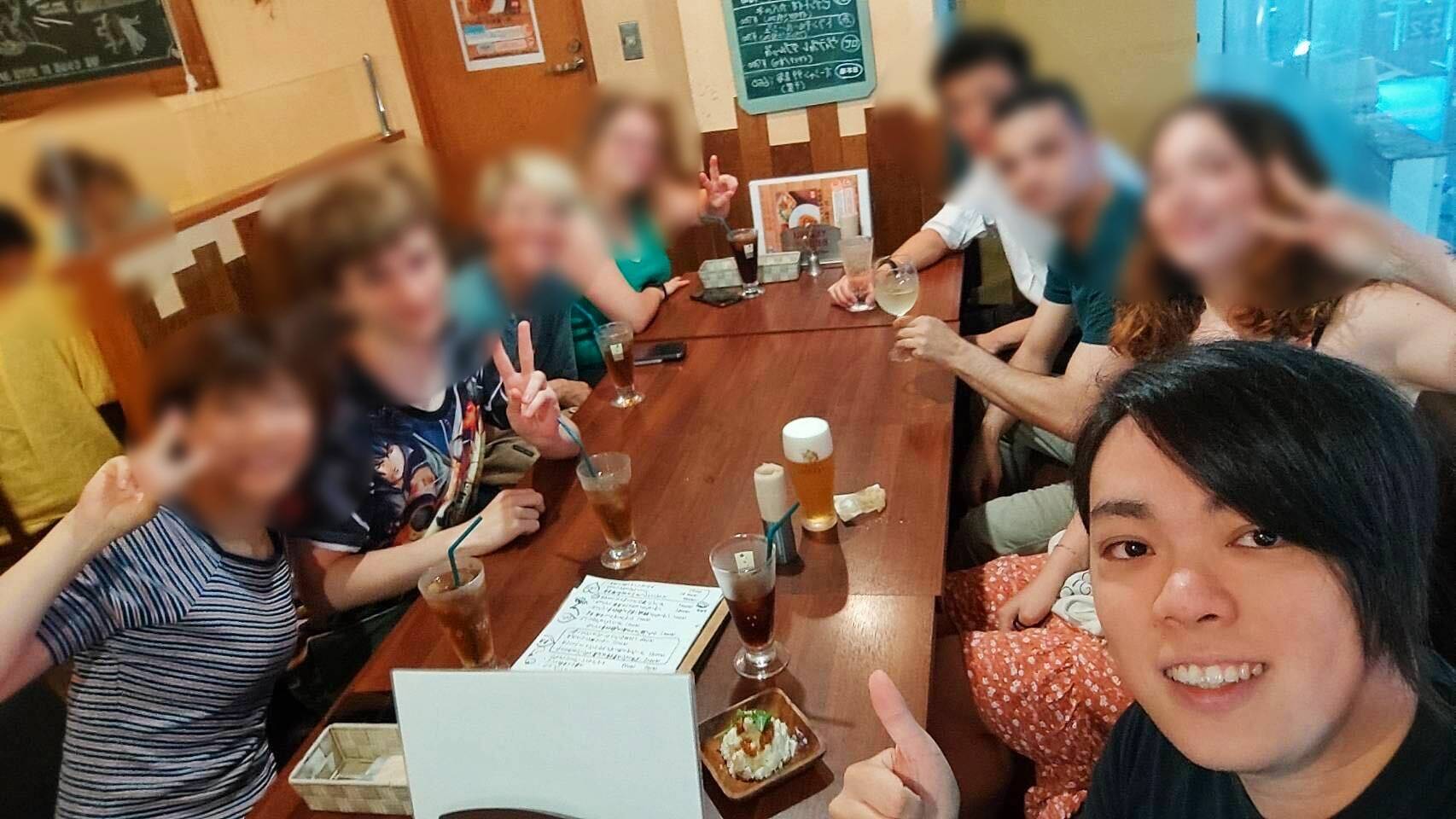
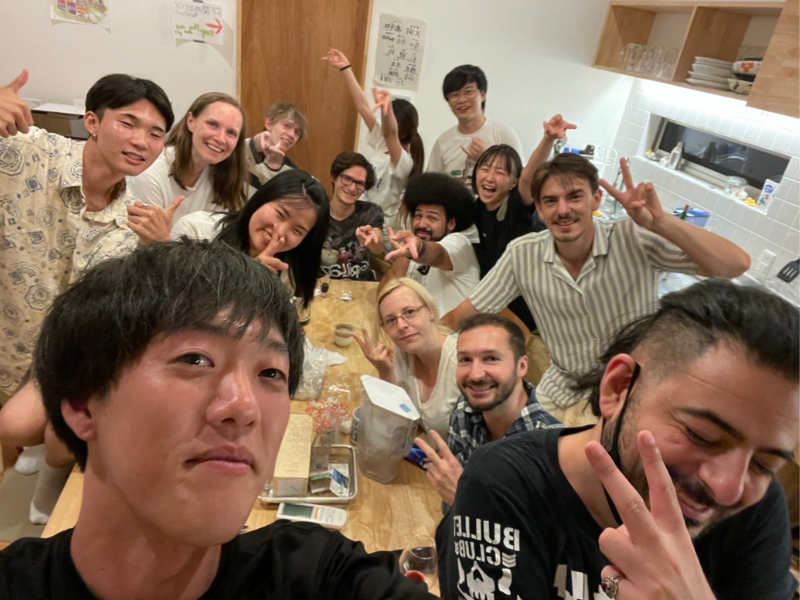
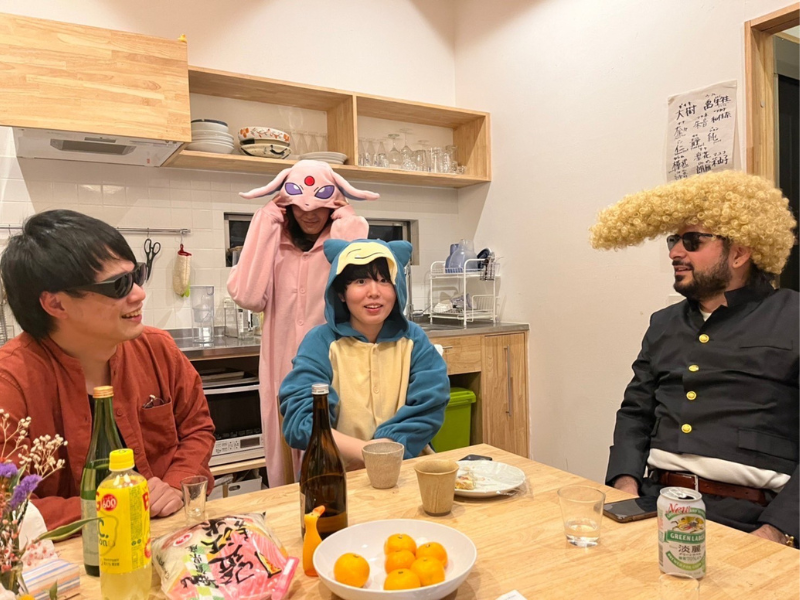
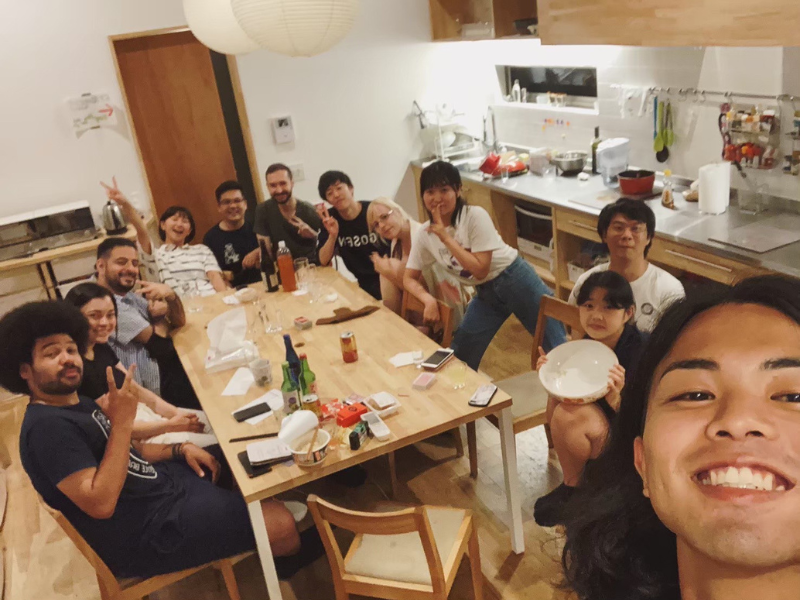
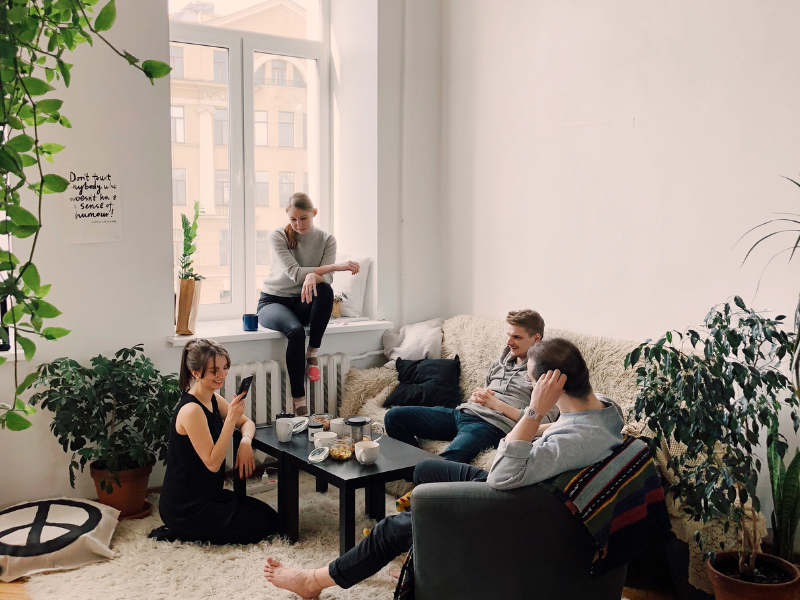
I think the most important thing for me is that I have a new kind of family. In this family, regardless of age or gender, we are able to share our specialties, complement each other, and have a good time together.

Since I am a university student now, I worry a lot about my future and career path, but there are people here, such as who have work experience and others who have lived and worked overseas for a long time, so I can consult with people from all walks of life.

“Cleaning” was the hardest part of living in a share house, but now ..

-What was the hardest part of living in a share house?

I think it’s “Cleaning”. When I first came here, there were no cleaning rules or systems, so I decided I had to create one. I made some cleaning rules with my housemates who were living with me at that time, but it was difficult to coordinate the different levels of cleaning, how far one should go, what is not clean enough, etc., because everyone has a different way of thinking,

It was very difficult to get everyone to make it a habit, but now everyone has a sense of attachment to the house by cleaning it together, and I think that’s great because the house is basically kept in a clean state.

I think I would have friends in any country I go to now!

-Did you have any goals before you moved in? Did you achieve it?

It was very simple: I want to improve my English and to make many friends from all over the world.

Yes, I did! I had experience studying abroad in high school, but I think my English has improved even more since moving here. I think my English has improved to the point where I can talk about all kinds of things, not just academic topics, not to mention other trivial things. I also made more foreign friends, and I think I have more than 200 international friends now so I think I would have friends in any country I go to now.

There is no other community where such a wide variety of people gather!

-Message to those who want to live in a BORDERLESS HOUSE

I think there are so many different kinds of people at BORDERLESS HOUSE that there is no other community where such a wide variety of people gather. It is also a great opportunity to experience new values, so I highly recommend it!

Also, living with other people and jumping into a new environment can be a very difficult hurdle, and it takes a lot of courage, but once you get in, it’s not like your world will change 180 degrees, but it certainly will, so if you’re not sure, you can arrange a room viewing first with Borderless House and come to talk with the tenants at the share house. (to get a feel for the atmosphere!)

Meeting housemates from diverse backgrounds and living with them has gradually changed Nono’s world! Thank you very much for sharing your story with us!

▶ Check more: Tenant’s Interview ▏Living in a Share House while Experiencing Working Holiday in Kyoto

▶Check more: 【Tenant’s Story】Sharing times together as a big “family” is the best cure for loneliness during quarantine

Best Kyoto Accommodation for Working Holiday: Making Local Friends in a Kyoto Share House

Curious about life in a multicultural community? In this interview, we sit down with one of our residents at Borderless House to discover why they chose us and what it’s truly like to live in an international share house in Japan.

It’s the perfect way to see what daily life and community are really like at Borderless House share houses in Japan!

Kyoto Working Holiday: Living at Borderless House Kuramaguchi

We spoke with Tarek from Canada, who traveled to Japan on a Working Holiday visa. Tarek spent six months immersing himself in the local culture while living at Borderless House Kyoto-Kuramaguchi.

  •  -How did you find BORDERLESS HOUSE? Also, why did you choose to stay at Borderless House?

I found Borderless House through Reddit. There was a “Moving to japan” subreddit and it gives a lot of information about Japan, and there was a list of “Foreigner friendly housing options” for people that are looking for a short-term stay in japan.

And I chose Borderless House because I saw all the profiles of different people and different nationalities and what they’re doing in japan. It seemed like a very welcoming place with a lot of live interaction with both Japanese and foreigners, where I could get an immediate sense of community in Japan. Since I wouldn’t have had one otherwise if I moved in by myself into my own apartment. And having to form my own social circle talking to strangers.

  • -Did you have any concerns or worries before coming? How did you solve them?

Initially, getting the visa. Since when I was applying, it was during the end of the pandemic. So, I had a concern about having a company sponsor me to come here. And then the second biggest was definitely the accommodation. Knowing how difficult it is to get accommodation as a foreigner in a country where you’re not really established.

Borderless House did really help a lot because I was the most worried about just being alone in a country where you don’t understand anything with the language barriers. Such as the Borderless House staff would gather events to meet new people. My housemates have been very helpful as well. They would make a phone call for you, and go to the ward office with you. So those difficulties were solved due to my own research as well as the support of my housemates and the staff here.

  • -When you applied for the share house and the other process, did you think everything went smoothly?

It was surprisingly fast. I mean I just put in the form and then 10 minutes later. The staff from Borderless House contacted me on skype and he was: do you have time for a call right now we talked and my accommodation was settled. The process went smoothly.

During the Skype call, everything was very easy to understand. Everything was given to you straight up as you were talking about it. Nothing was really unclear about the process and it was kind of easy that you could just pay with your credit card, you don’t have to worry about being in the country to actually get the accommodation, which is kind of a big barrier.

For a lot of people where you need a Japanese address or to be in the country to actually rent something. And it was much easier online. You got everything in like 30 minutes and then you just signed up if you feel comfortable with the property.

Living with 13 people – It might seem daunting at first, but there’s lots of room for new experiences.

  • -How did you like your stay at BORDERLESS HOUSE KYOTO-KURAMAGUCHI?

At first, I was kind of worried to be living with 13 other people. I’m kind of a solitary person for the most part, but I grew to like it pretty quickly.

I noticed that every night, there was something going on there. It was either just someone to drink with or a small party or an event. It might seem daunting at first, but there’s lots of room for new experiences. And you really want to put yourself in the position as if you were in your normal day-to-day life.

Because if I live alone after I go home, I would just watch TV, play video games, go to sleep, and then it’ll be the next day, whereas you don’t like that option of comfort, which is a bit of a downside, but it also forces you out of your comfort zone and gets you to do more things.

  • -What do you like the most about living in a share house/ living with others?

It’s definitely the parties. Such as welcome parties, bye-bye parties. It is just the sense of community at the end of the night.

They’re always different conversations going on. You’re talking to different people, meeting new people. There’s no single one that stands out but just the memory of the “Sense of community”, when we would all come together and just be like one, big international family.

To be honest, the reality of share house life was even better than I had ever imagined

  • -Do you have your own private time even living in a share house?

Yeah, sure, in my private time, what I usually like to do is go to the river close to the share house. So I’ll just put on my headphones, take a walk and then grab a coffee at a nice cafe nearby in the neighborhood.

I enjoy walking over to the river, using my camera, or just sitting there for a couple of hours, just watching the river.

  • -Have you ever lived in this kind of environment before? Is everything the same as you imagined?

No, the only other people I would ever live with were my parents. This is my first time living with this amount of people and like, strangers,

It was much closer than I imagined because I pictured myself to be a bit more standoffish. But it was nicer because you always hear horror stories about living with others, but I feel like I got very lucky with my housemates. They are very considerate and always very kind to each other. So it’s much better than I expected.

Master Japanese Naturally: It’s Like Having Seven Free Tutors at Home!

  • -How good is your Japanese? How do you communicate with your housemates?

Not very good. (Laugh) Most of my housemates speak a basic level of English. And the worst-case scenario is just emoting in sign language, you mix English and Japanese. It’s all about really trying and just trying to get the message across. It’s a lot of sign language and guesswork, but you get the message across to people.

  • -How did living with Japanese people help you learn Japanese?

I did two weeks at a language school, but I did not like actually doing the process of like going every week, just because I felt like that was a bit too much commitment. But the immersion and like seeing how the words are used in more of a colloquial context, like a day-to-day context.

I wouldn’t be able to speak Japanese in a very proper way, but I learn a lot, like the day-to-day conversation, slang, and useful phrases. There are daily expressions for you to do and do every day. So just by talking you pick up on them and what they’re saying in the context and then you internalize it that way. And then if you’re seeing it wrong, you get corrected right away.

So it’s like having seven free Japanese tutors just moving around.

Beyond One House: Building an Extended Global Family in Japan

  • -We know that you also make a lot of friends from different share houses of BORDERLESS HOUSE!

Yeah, Borderless House is a bit interconnected, for example, every once in a while, some tenants would come down from Tokyo Borderless House. Also, there are events like the sports days or Momiji.

You have your own community, but you also have a little bit of an extended community.

Events pop up to have the opportunity to meet other people, from outside your house. And interact with them as like, you have your new family here and then you have your extended family inverse of Japan.

-Could you give some advice for those who are planning to move to Japan from overseas ?

Learn Japanese first! And, just keep your mind open and don’t shut things off because you think that they’re not going to be for you or that scary. Just take the chance, because not making a decision is in itself a decision.

So, go for it to your best and just keep trying.

 \Explore Tarek’s Home in Kyoto!/

Tarek lived at BORDERLESS HOUSE Kyoto-Kuramaguchi. This house is famous for its spacious, open-concept common areas and its unique mission: blending global connections with local community life.

Located in a charming neighborhood where historic streets meet trendy local spots, it offers the perfect balance of authentic Kyoto living and international exchange. With easy access to Kyoto Station and the vibrant Shijo area via the Karasuma Line, it’s a top choice for students and working holiday travelers!

Explore More Stories & Tips 

Looking for more insights on living, working, and thriving in Japan? Dive into our curated collections of resident stories and expert guides:

▶️[Resident Interviews] – My Borderless House Story: Why I Couldn’t Have Met Japanese Friends Without It

▶️[Life in Japan Guide] – Change the Way You Live Abroad: BORDERLESS HOUSE & Sustainable Living in Japan

▶️[Community & Events] – Global Friendships, Kyoto Style! Party in Uji Share House Brought Everyone Together

Make friends in a foreign language: Making mistakes is the key to getting comfortable!

Hello! My name is Reimi and I currently live in Japan. Like many of you, I fell in love with Japan a long time ago, and so living here is like making a dream come true. But of course, there are all sorts of obstacles to overcome when it comes to living in a foreign country or learning a new language. Given the chance to write about it, I wanted to write about the difficulties and rewards of learning Japanese. Saying you want to learn a foreign language is definitely easier said than done; you’re not alone in struggling, but it can be so worth it! 

YOUR REASON

What brings you to Japan?

The answer to this question might be different for each person, of course. Some people move to Japan for work, some come for school. Some have always wanted to visit, interested in the things that make Japan unique, like scenery, art, or food. Some want to learn Japanese or make friends in Japan. Some even come to Japan and end up never leaving! There are even programs that allow one to travel extensively and stay in foreign countries for an extended period of time with accommodation provided, such as work holidays or internship programs.

No matter what one’s reasons are, however, the fact remains that moving to a foreign country gives one a chance to learn about a new culture and learn a new language. They say that travel can teach you about yourself, expanding your horizons and challenging yourself in unfamiliar situations, so imagine how much more you’ll learn when you live somewhere entirely new.

EXPECTATION VERSUS REALITY

Myself, I’ll have been living in Japan for almost five years total. For most of that time, I came as a student, so making friends was definitely something I was looking forward to. Plus, at the time I moved, I had just barely graduated high school and I had never lived apart from my family, so there were always concerns that I would be isolated without a network as I had back home. I would be fending for myself for the first time – and in a foreign country where I barely spoke the language no less! From the start, I was too excited to think of anything but finally being in Japan for the long term, but my family held a lot of apprehensions about a young woman living alone in a foreign country.

But honestly speaking, if I had to choose one thing, the scariest thing about having moved to Japan is speaking Japanese. There are still times I worry that my language ability is not enough when I am nervous about being able to convey to the other person the things I am thinking. Or that I’m going to misunderstand or be disrespectful.

For a younger me, this was actually really terrifying. I would think to myself: How can I become friends with someone when we don’t speak the same language? Why would they like me when I can’t tell them about myself? When I can’t understand them? When I’m constantly making mistakes?

But as I’ve gotten more comfortable living in Japan, the more I realize that that way of thinking is entirely wrong. As scary as it is, and especially how difficult it is, I think one of the most important things I’ve learned is that making mistakes is the key to getting good.

No one does anything perfectly from the start. No one can automatically play piano without hitting a few wrong notes or ride a bike without falling a few times. Learning a language is no different. Language learning shouldn’t be treated as a one-time test where you are either fluent or you’re not. Learning how to speak a new language and getting comfortable with it will take time. You need to ‘break in’ so to speak.

The easiest way to do this is to simply use it, mistakes and all. Every mistake I have made while learning Japanese makes it easier as well to remember the correction, which in turn gives me the feeling that I’m really improving, even if it’s little by little. And sometimes too, the mistakes I make are the very reason I make friends. Sometimes it’s someone catching an error and generously correcting me, or sometimes it’s a little slip of the tongue that makes us laugh, humor transcending language in a way that needs no translation.

We learn from our mistakes.

When I first moved to Japan, of course, I heard a lot more Japanese than I had in America. I had gotten used to the convenience store routine (‘do you need a bag?’ ‘would you like this warmed up?’ ‘do you have a point card?’), and I could tell which ingredients I needed at the grocery store. But compared to when I first came to Japan, my speaking ability had barely improved at all.

The issue was this: I was not actually speaking Japanese!

AN IMPORTANT WAKE UP CALL

All of my friends spoke English. I didn’t have a tv and didn’t even try to read books in Japanese. There were events at school that I did not join, thinking I didn’t speak enough Japanese to be of any help or have any fun. In other words, I was a foreigner living in Japan, without really living in Japan. In other words, I had found myself in the “foreigner bubble” where I was not using Japanese in my life.

Naturally, it’s easier to express yourself the way you want to express yourself when you are using your mother tongue. And no surprise, it can be easier to “click” with another person when you don’t have to first surpass the hurdle of understanding what the other person is saying.

But I think that being able to speak fluently is completely different from being able to communicate, and your language ability will have nothing to do with it!

Every time you speak you are improving your language skills, polishing things like pronunciation, vocabulary, and grammar. Just like riding a bike, practice makes perfect!

CREATING THE RIGHT OPPORTUNITIES

So maybe the next question is, how do I start to speak more Japanese? Of course, maybe it’s a little strange to start striking up a conversation with the cashier at the register. But there are many ways to find people in social settings and the more you open yourself up to meeting new people, the more friends you’ll find you’ve made!

Here are a few suggestions:

● You can join clubs and sports meetups to find people with similar hobbies. Sharing similar interests means you already share that common ground!

● Striking up a conversation with someone in a bar or restaurant is another great way to practice and sometimes these spontaneous conversations are extremely good practice because the topics can be diverse. There’s no pressure or goal, it’s just a few folks having a good time over food and drinks!

● If you’re in Japan for school or work, you might be in a great spot to meet people! There are always student activities, like group circles or hangouts. And you can also take advantage of working with the same people every day to strike up conversations in passing or use Japanese in more formal settings. Who knows, maybe you’ll become friends naturally?

● There are also language exchange apps like Hellotalk and HiNative. I’ve met lots of people through these apps, and the best part is that these are people who share the same desire as me: to get better at speaking their chosen language.

Sharehouses! No surprise, sharehouses are great for learning languages! They’re a little like the best of all worlds; they bring together people with similar goals: making friends and learning more about other cultures. Borderless House in particular hosts lots of great events that give tenants a chance to kick back and have fun with one another, so you can really take advantage of the Borderless House’s support network and Borderless Mates network. Another great aspect of sharehouses is that you’re forced to really communicate with each other to live together happily and peacefully. You’ll learn more about other people’s values, unique perspectives, backgrounds, and what inspires them. And better yet, because you live together, it’s only natural that you can become closer a little at a time, day by day.

What do you think?

IN CONCLUSION

Truly, it wasn’t until I made a concerted effort to step out of my comfort zone that I felt my language ability starting to improve. And as my language ability began to improve, Japanese also started to become more and more fun and making friends became easier. Even now, I still make plenty of mistakes, but that’s not a bad thing at all. It’s important to remind yourself that everyone starts somewhere, even you, with your native language, and look at you now!

Perhaps you haven’t yet had the chance to visit, but you’d like to experience Japan for yourself! If you’ve found this page, maybe that day is sooner rather than later. Good luck!

<Program Review> An island where you can meet living dinosaurs !? Virtual Local Trip in Indonesia!

Hello! I am Daijiro!

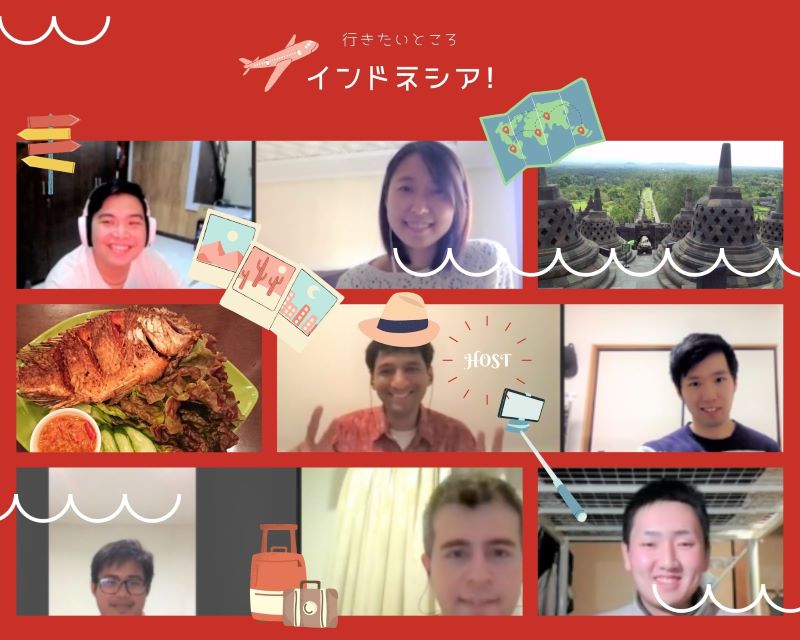
I usually work as a photographer in Tokyo, but sometimes I participate in Borderless House events as a language exchange facilitator. This is my first time participating in “Virtual Local Trip”, so I will tell you about it!

“Virtual Local Trip” is an online event where the host introduces his/her hometown with various topics. This event is held in English and Japanese, and it is a great way to enjoy unique local stories! I will recommend this event not only to those who are interested in foreign cultures and international exchanges, but also to those who like traveling and eating, and those who are thinking of traveling after the Corona pandemic is over!

This time, a former resident of Borderless House from Indonesia told us many stories about cultures such as local tourist spots, popular dishes, and traditional costumes. If I tell you all of them, it will be more than 10,000 characters (lol), so I will introduce some impressive episodes!

Living dinosaurs!? Komodo island where you can meet Komodo dragons

Participants are from various countries, mainly current residents of Borderless House, and even the host’s friends who live in Indonesia participated at the last minute! It was a gathering of multicultural people.

A relaxed atmosphere from beginning to end with surprises and laughter during the event.
The host told us the charms of the local areas with an introduction video of Indonesia and lots of photos. We could ask questions anytime during the event, so you can feel free to ask any questions you may have. By the way, I asked a lot of questions. (Lol)

When it came to the topic of Komodo Island, everyone was asking a lot about “Komodo Dragon”. It’s really famous! They say that if you go there, you’ll almost certainly see them up close! First-hand information you can get from the natives is very interesting!

Indonesian traditional costume “Batik” 

At the event, they introduced us to Indonesian tourist destinations, history, traditional food, etc., but what impressed me the most was their traditional costumes.
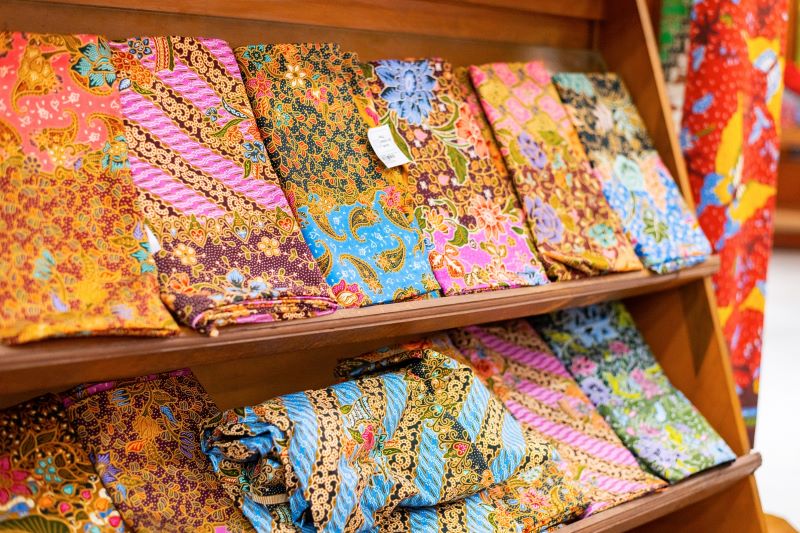
A specialty of Indonesia is a fabric with a beautiful pattern called “batik”. “Batik” is used in many clothing items such as shirts and dresses, and those clothes are also popular as formal wear.

Patterns range from geometric to flower motifs. On the day of the event, the presenters actually wore shirts made of “batik”. They showed us the batik clothes and told us what kind of pattern it is, which was very interesting!
This is also the information the host gave me, but it seems that there are traditional patterns and colors of “Batik” and those for young people! In that respect, it’s similar to Japanese “furisode” and “hakama”, which is interesting!

He told me that “Batik” had collaborated with Japanese kimono at international events. When a kimono fashion show with themes from all over the world was held, it seems that one kimono was made using the dyeing of Kyoto called “Kyoyuzen” and the technique of “batik”. He actually showed me the photo, and it was very impressive to see the flower pattern of “Batik” shining on the cloth dyed in red and white unique to Japan.

Cultural exchanges that connect countries take place in various places and we just don’t know about them. I think it is one of the great things about the event to know these kinds of stories.

Am I able to talk with people I meet for the first time at an online event?

Under the current pandemic situation, I talk to people online more often, but I’m still not used to it.
Moreover, this was my first time participating in this kind of event. Just between us, I felt nervous until I participated.

However, as I said earlier, the event had a relaxed atmosphere from beginning to end, and when I noticed, I was leaning forward and enjoying myself.
I cannot fully understand English, but I could still enjoy the presentation because it was explained also in Japanese!

During the event, I often wondered “How can I ask this in English?”, and found it annoying that I couldn’t say it well in English. But, it is a good learning opportunity, and it also motivates me to learn English every day like “I will definitely be able to ask questions in English by the next time!” I was relieved that all the participants were willing to listen to the questions.

If I think about it, all the participants are those who have learned a second language and they know how difficult it is to learn a new language. I think that is why we could have such considerate communication beyond words.

What makes VLT so appealing? The fun of getting to know new places through the host!

It was exciting to feel the culture of a new land I have never been to, especially when it is difficult to go out due to the Corona pandemic.
Virtual Local Trip will be held in other countries/regions in the future !!!

“Where should we go when the pandemic is over?”
This event made me feel such excitement! I will definitely participate again!

Also, please visit the website below for other Borderless House original programs such as Language Exchange I mentioned at the beginning.

<Borderless Mates Program>

Why Are Share Houses The Best Shelter Option When You Are Starting Life In Abroad?

In the present world, borders and boundaries have become fluid. These lines that mark and enclose an area to represent a city, country, or continent, and which primarily only exist on paper are in the present world not as rigid as they used to be earlier. Instead, in the present moment, these boundaries have become porous to allow people to move in and out of a country. This sits true for the borders and boundaries of almost all the countries or continents around the globe.

The Earth presently has become a global space, and all the cities and countries have become a part of its chain. Whether it is for studies or managing businesses, every year we witness people moving across borders. Because of this, it has become a natural occurrence to find citizens of different nationalities living together in a country they were not born or brought up.

But if you have ever traveled overseas, then you would know that living in a new country is not a very pleasant experience especially during the initial days. It is so because when you go to a new place you usually miss your old friends and family, and the previous surroundings terribly. Plus, when you move to a new country you feel like a stranger, and thus, it becomes difficult to blend in.

Mixing-in in a new country is not as easy as it may appear in the first place. We say so because when you go to a new place, you usually don’t know much about the culture or tradition of that place. And because of this, you always feel anxious and stressed in your new surroundings. You are always on your toes observing how other people are behaving so you would not mistakenly do that would hurt or disrespect the sentiments of the natives.

Thus, in such a time when you have freshly moved into a new country, it is considered a good idea to live in a share house. Doing so will help you in many ways. Wondering how that works? Well, in that case, read our next section to find out your answers.

How are share houses helpful in starting a fresh life in a new country?

A sharehouse is a big property that is offered on rent to tenants where many strangers share the same roof. In a share house, you can rent a single room for yourself or you can rent a room that houses 3 to 4 people in total depending upon your needs and requirements. This place is a top shelter choice for people, especially for those who have freshly shifted to a new country because-
It helps you in understanding alien customs.

As we have already established, when you move to a new country, chances are that you will be unfamiliar with its customs and traditions. This can make you anxious while adding to your stress levels. Also, there is this probability that if you did something wrong because of your unfamiliarity with the local customs that the natives find offending or insulting, then you might feel even more alienated and alone. Thus, for this reason, it is a safe choice to live in a share house at least for the initial days because there you are bound to come across many people who will be interested in international exchange.

When you will live with them, such people will help you in learning more about their local culture, while at the same time they will also try to understand your traditions. This healthy exchange will make your life significantly easier. So, if you want to know about the local customs and traditions of a place, its food, its manners, etc. in a friendly way without wasting much time, then share houses should be your top priority while seeking shelter.

It is a borderless accommodation

When you move to a new space how fluently you can speak their local language plays a very important role in deciding the ease with which you will blend in your new surroundings. So, for example, if you have moved to Taiwan for your further studies and you can fluently speak and write Chinese, then this will probably mean that you will find it easier to navigate Taiwan as compared to someone who doesn’t even understand Chinese. It is so because when you don’t understand the local language of a place, you find it hard to explain to people your queries or emotions.

Now, in such a scenario, it is wise to find a share house in your new country because in share houses you can probably find residents who are familiar with your language. In this way, your common language can help you in befriending people and it can also help you in learning the local language quite easily. We, BORDERLESS HOUSE, make language exchange easy for you by offering on our website the information about the nationality of its residents. You can even opt to talk to the residents of the share house while requesting a preview of the property.

It offers you easier access to common knowledge

When you shift to a new country, other than the customs, traditions, and language of that place there are many other things that you ought to learn about your new home town. These things include information on the common practices of the new place, knowledge about local shops and convenience stores in your locality, and awareness about the norms of living in that place such that your safety is not threatened.

Living in a share house can help you in gaining easy access to such information. It is so because when you are sharing a roof with other people you are bound to interact with them. In your conversations, you can come across the above-mentioned info without even requesting for the same. In opposed to this, if you opt to live alone in a new country, then acquiring such information may take some time.

Thus, these are some reasons because of which living in a share house should be your preferred choice. Living here can help you in settling-in easily.


국내어학연수 = 보더리스하우스?! 원하는 언어와 관심있는 나라를 고려하여 하우스 고르는 꿀팁!

안녕하세요, 국제 교류 쉐어 하우스 보더리스입니다.

제목에 국내 어학 연수라고 써져있어서 들어 왔는데 갑자기 쉐어 하우스?! 여서 놀라 셨죠 ☺️  

국내에서 가성 비 높은 어학 공부에 대한 이야기가 맞으니 끝까지 읽어주세요!


“Today ‘s Language is ENGLISH”

“오늘의 언어는 한국어”

이 사진은 보더리스 하우스의 상암 DMC 역 쉐어 하우스 현관 앞에 걸려있는
‘오늘의 언어’ 안내문입니다!

영어를 배우고있는 한국인 입주자 분과

한국어를 배우고있는 일본인 입주자 분 께서

서로의 언어 공부를 돕기 위해 이런 약속을 하셨다고하네요.

​​

■ 매주 집 안에서 사용하는 공통 언어를 바꾼다.

■ 매일 밤 공통 언어를 사용해서 대화를 나눈다.

멋지지 않나요? 🙂 


국제 교류 쉐어 하우스에 살다 보면 정말 국내에서 어학 연수를 온 것이라고 말할 수있을만큼 영어를 쓸 기회가 늘어납니다.

그래도 우리는 한국인이기 때문에 (ㅎㅎ) 영어를 쓰다가 어떻게 이야기할지 모르겠 으면 한국말을 쓰게 되는데요 , 하우스 메이트와 이런 규칙을 정해두고 살고 계신 입주자 분들이 계시 답니다 !


한국인 – 일본인 하우스 메이트의 친목 현장

이렇게 보더리스 하우스라는 국제 교류 쉐어 하우스는 
어떻게 활용 하냐에 따라 그 효과와 재미가 배가되는 곳입니다.

그래서 오늘은 보더리스 플랫폼을 더 효과적으로 활용할 수있는 ? 팁을 하나 말씀 드리려고 해요!


우선 보더리스 하우스의 국제 교류에 대한 이해가 필요합니다 🙂  

보더리스 국제 교류 쉐어 하우스에서는 크게 두 가지 !
언어 그리고 문화 (나라) 간 교류가 이루어집니다.

1. 언어

이 글을 클릭하신 분들은 각자 잘하고 싶은 ‘언어’가 있으실 거라고 생각합니다.

가장 보편적으로는 ‘영어’일 것이고 프랑스어, 스페인어, 일본어, 중국어 등 굉장히 다양 하겠죠?

2. 문화 (나라)

워홀이나 유학, 해외 취업을 준비하고 계신 분들이라면 영어 사용은 물론이고 ?? 가고자하시는 나라의 정보를 얻으실 수 있어요.

그 나라에서 살다 온 친구들에게서 만들을 수있는 현지의 정보, 문화를 공유하는 것이지요.

그렇다면 여러분들의 국내 어학 연수 목표는 무엇인가요?

이 질문에 대한 답을 꼭 한번 생각 해보세요! 

본인의 목적에 따라 쉐어 하우스의 위치와 룸메이트 하우스 메이트, 방의 타입 모두가 달라질 수 있기 때문입니다. 

글을 조금 더 읽어 보시면 왜이 질문을 드렸는지 이해가 되실 거예요. 

✔️ 내 목표를 모르겠을 때 함께 읽어 보면 좋은 글


이제 선호하는 언어와 친구의 국적을 살펴보세요!

아래는 보더리스 하우스의 홈페이지에서 원하는 하우스를 눌러 보시면 볼 수있는 화면이에요 . 빨간색 박스 표시를 해둔 <현 입주자 정보>에서 하우스 메이트와 룸메이트의 언어 및 국적을 확인할 수있는 것 찾으 셨나요?


국내 어학 연수보다 더 가성 비 높은 대안으로 국제 교류 쉐어 하우스를 선택하실 때이 부분을 꼭 활용 해보세요!


예를 들어

■ 선호하는 언어가 있다면, 그 언어를 쓰는 친구들이 많은 하우스 를 선택합니다 .

■ 특별히 궁금한 나라와 문화가 있다면, 그 나라에서 온 친구가 살고있는 하우스를 선택합니다 .


입주자 분의 선호에 따라 하우스를 선택하고 싶으 시다면
보더리스 하우스 홈페이지의 하우스 목록 을 살펴보세요!


국제 교류 쉐어 하우스를 국내 어학 연수 프로그램보다 더 잘 활용하는 법 이해가 되셨나요? 🙂 

혹시 관련하여 문의가 있으시다면 언제든지 보더리스 하우스로 연락주세요

그럼 오늘도 긴 글 읽어 주셔서 감사합니다.

✔️입주 상담 및 문의하기 ㅣ 카카오 톡 플러스 친구  ,  홈페이지 문의


[보통한국인의 국제교류쉐어하우스 후기] 나는 하루하루를 살았을 뿐인데 어느새 ‘성장’ 하고 있었다.

안녕하세요. 보더리스 하우스입니다! 이제 정말 여름이 온 듯합니다. 다들 몸 건강히 지내고 계신가요? 이번 인터뷰에서는 보통 한국인, 의현 씨와 ‘국제 교류 쉐어 하우스에 살면서 내가 어떻게 성장했는지’ 에 대한 이야기를 나눠 봤어요.  혹시 보더리스 하우스 입주를 고민하고 계신가요 ? 그렇다면 이번 인터뷰가 도움이 될지도 모르겠네요!


또한 영어, 외국 생활, 국제적인 경험에 관심이있는 분 이시라면
이 인터뷰를 꼭 한번 읽어보세요 🙂

그럼 이제부터 의현 씨의 이야기를 들어 볼까요

보더리스 하우스에 들어 오기 전,
어떤 생활을하고 있었나요?

대학을 졸업하고 첫 직장 1 년 근무 후 퇴사. 그 후로 부모님 댁에 살고 있었어요.
진로에 대해 고민이 많았던시기 였지요.

항상 막연하게 ‘외국에서 공부하고 싶다 / 일하고 싶다’라고 생각 했었는데 확신이 서지 않았고 내가 외국에서 살 수 있을까?라는 고민이 컸어 요. 한편으로는 나중을 위해서 영어를 계속 공부하고 까 먹지 않도록 꾸준히 써야겠다고 생각하고 있었어요 .

보더리스 하우스에 살아야 겠다는 결심은
어떻게하게 되신 거에요?

앞으로 어떤 길을 선택하게 될지는 정확히 모르겠지만 .. 그때의 저에게 필요한 것은 확실 했어요. 어렴풋이 꿈꾸는 내 미래의 모습과 비슷한 환경을 미리 경험 해보는 것이 였어요

“그래! 영어를 쓰는 환경에서 살아 보자! 영어 학원 가는 비용과 주거 비용을 같이 낸다고 생각하지 뭐 생각하지 뭐! “라는 마음으로 외국인 친구들과 함께 사는 국제 교류 쉐어 하우스를 선택하게되었습니다 .

선택의 결과는 어땠나요? 🙂

들어간 지 하루 만에 적응 했고요. (하하)
하루 하루를 살았을 뿐인데 어느새 ‘성장’한 제 모습을 발견 했어요.
세 가지로 정리해서 말씀 드릴 수 있겠 네요 .

첫 번째, 
산다는 것 (주거)에있어서 온전히 내 취향만을 생각한 선택을 했어요 .

“따로 또 같이가 중요해”라며 공용 공간과 개인 공간이 분리 되어있는 지점을 선택했고
“영어를 쓸 기회가 많았 으면 좋겠어.”커뮤니티가 활발한 충정로 하우스 선택
“같이 살더라도 방이 넓었 으면 좋겠다”는 생각에 2 인실 선택
“한 달 살아보고 결정하고 싶어”혹시 적응 못 할 것을 우려해서 한 달 단기 가능한 장점을 활용 했죠 .

어디에서 어떻게 살 것인지, 저만의 기준과 조건을 고려한 선택 을 했어요 . 주거의 독립을 시작한 거죠 .

                                         룸메이트 제시카와 찍은 사진

번째, 앞으로의 생활을 간접 경험할 수 있었어요.

막연한 목표 였지만, 외국으로 간다는 것은 비용 / 시간 / 에너지 / 가족, 친구들과 멀어짐 등 많은 것들을 걸고하는 선택이라고 생각 해요 . 보더리스 하우스에서 살아 보는 것을 통해서 외국으로 가고 싶다는 것이 적절한 선택인지 판단 해 볼 기회라고 생각했고 적극적으로 취해 보았어요.

그러면서 느낀 건, 제가 영어를 좋아한다는 걸 알게 됐어요. 하루의 시간 중 누군가와 시간을 보내고 싶다면 외국인 친구와 대화하기를 선택 하 더라고요 . 한국인 분들도 살고 계셨는데 말이죠. 물론 영어 로 말하기는 어렵지만 매 순간 배움이 있었고 다른 나라에서 온 친구와 의견을 나누는 것이 재밌었어요 . 영어는 (언어는) 새로운 문을 여는 도구, 수단이라는 걸 깨달았어요.


세 번째, 제 인생에있어서 고려하는 반경과 가능성이 넓어 졌어요 .
새로운 삶의 형태를 겪어 보니 또 다른 삶의 형태를 생각해 보게 된 거죠 .

외국에서 공부하고 일하며 사는 것을 굉장히 어렵게 생각하고 고민 했었어요 .
하지만 보더리스 하우스에 산 이후 ‘다른 나라에서 사는 것이 그렇게 어려운 일 이 아닐 수 있겠구나
. 내가 한국에서 살기를 선택할 수 있듯이 이것 또한 내가 선택할 수 있는 일 이구나 ‘하며 마음가짐이 조금 가벼워 지 더라고요.

국제 교류 쉐어 하우스에 살면서 영어를 잘하고 싶은 욕구 , 다양한 곳에서 살아보고 싶은 욕구가 명확히 있다는 걸 깨달았어요 명확히 있다는 걸 깨달았어요. 그래서 저를 더 믿어 줄 수있게 되었답니다 .

보더리스 하우스 입주를 고민하시는 분들께
해주고 싶은 이야기가 있을까요?

보더리스 하우스의 홈페이지에 이런 말이 있잖아요 .
– 지내는 동안 세상과 한 발자국 더 가까워 집니다 . –
어쩌면 조금 거창하게 들릴 수도있을 것 같아요
.

하지만 영어를 사용하고 국제적으로 살아가는 것에 조금의 관심이있는 분이라면 이런 고민 은해볼 수 있지 않을까요?

내가 생각하는 국제적이라는 것은 무엇인가?

저 같은 경우는 보더리스 하우스에서의 일상들이 자꾸 어떤 질문을 던졌고 
그 질문들에 답하고 고민해 가며 저만의 국제적이라는 것의 정의가 생겼어요.

외국인 친구와 영어로 갈등하고 화해 하는 것 .
내 삶의 반경이 한국을 벗어날 수도 있겠다는 생각이 드는 것 .
해외에도 내가 할 수있는 ‘일’이있을 수 있다고 고려해 보는 것.
나의 친구들이 외국에도 있기 때문에, 그 나라 또한 내 걱정의 범위에 둬 보는 것 .

이것들이 제게는 국제적이라는 것의 정의예요 .

자신이 바라는 모습이 있다면 그 모습 을 연습 할 수있는 환경으로 자신을 넣어보세요 . 어떤 경험을하게 될지 장담 할 수는 없어도 당신이 자신 만의 국제적이라는 것의 정의를 될 거라는 것만은 자신있게 말할 수 있습니다 !

좋은 말씀 감사합니다.
끝으로 의현 님의 에세이에서 보았던 글로 마무리 할게요


오늘도 나는 세계 각지에 흩어진 내 친구들 의 안부를 묻게된다 .
(속으로 물어도 묻는 거니까 하하) 

며칠 전에 그 친구들과 단체로 단체 스카이프 통화를했다 .
각자가있는 하늘의 색은 달랐다.

나는 밤 11시, 미국 은 오전 10시, 스위스는 오후 4시의 하늘이었다.
그렇지만 우리는 하나의 화면을 보며 반가워하고 안부를 물었다 .

언젠가는 그 모든 나라를 갈 것이다. 친구들을 직접 만나러.
그리고 연락 할거다.

“야! 나 너희 집 근처인데 나와 밥 먹자!”


【Borderless residents】At the age of thirty, I decided to move into this international shared house to work abroad in the future

Borderless house is a multicultural ‘community’ share house in which young people from all over the world cultivate international cultural exchange by gathering and living under one roof.

This cross-cultural share house provides not only an opportunity for improving your English skills but also a chance to create a great community of locals and foreigners, as well as an opportunity to learn new perspectives.

Many of our tenants from all over the world have a unique sense of humor and experiences that you could never imagine.

From this, we started a new project called “Borderless tenants”, which consists of interviewing tenants about how they have changed or grew as a person through their experiences at Borderless house.

The second interviewee of this series is Mr. guhee, a tenant of Borderless house for the last year and a half. He chose to live here because he decided to start studying English before he turns 30 years old.

We asked him about his great progress in his English skills and his change from a Japanese to a foreign company.

My big change before turning 30.Start your preparation for working abroad at Borderless house.

ーThank you for joining us. Please introduce yourself.
My name is Gohee. I will turn 32 years old this year. My housemates call me ‘Gohee or Gucchi’.

I have been living in the Shinagawa-oimachi house since October 2018, so for almost one and a half years. I love sports and play tennis and go bouldering quite often. Before COVID19, my housemates and I used to go play sports together once a week.

I like cooking as well, so I would sometimes cook for my housemates or we would cook together.

ーWhat made you move into Borderless house?
Just before turning 30 years old, I was looking back on my career and thought that I would like to try working abroad. Then I decided to start studying English to achieve this, and that is why I decided to move into Borderless House.
When I asked my friend for advice, he said ‘quit your job now and go study abroad’

However, I didn’t want to quit my job at the time, so I was looking for a better option. This was when I decided to study English on my own.

I started looking for a share house that would allow me to live with people from other countries and

found Borderless House.

ーSo you decided to move into a share house at the age of 30! Were you living alone until then?
Yes, I have lived by myself for 7 years in Tokyo and this was my first time living in a sharehouse.

The most impressive moment for me was my housemates threw a birthday party for me on the day I moved in

ーDid you have any problems whilst living with others?
A lot of things left an impression on me, rather than actual problems.
The day that I had moved in may have left the biggest impression on me.

That day happened to be the day of housemate’s birthday party.

I was invited to go to see the fireworks by my housemates. So I went with them in the afternoon without even unpacking and celebrated his birthday at a Yakiniku restaurant.

On my first day…even though I didn’t know their faces and names yet, my housemates didn’t mind at all and took me with them. I still remember the feelings of surprise and confusion I felt that day very clearly.

ーGoing to see fireworks with your housemates on your very first day… That’s quite a unique experience! Are there any other memories that stand out for you?
My birthday party that was held 2 weeks after I moved in is also quite a good memory.
I was never able to show off my talent of “making nigiri sushi” until then, but it finally came in handy and it was a great hit.

I served my handmade Sushi to everyone and my housemates, especially my non-Japanese housemates were very impressed with how people can make Sushi by themselves!

At the Oimachi House, we always hold birthday parties and farewell parties for everyone and each of them is very good memories for me.

(手巻き寿司パーティーの時の様子)

ーIt is fantastic that a tradition of celebrating and sending people off has been built already in your Sharehouse. Do you go out together often?

We go out together often. We’ve been to Roppongi and Yoyogi-park to have picnics, we’ve attended a glass-making workshop, etc.
I like planning events and asking people to join, so last summer I made my own Nagashi-somen and it was a big hit!

Sharehouse is a place for practice; I learned English through my daily life

ーIs there anything you decided to try out after moving in the sharehouse?
My main objective behind living in Sharehouse was learning English, so I mainly tried studying and improving my ability to communicate in English.
When I moved in, I didn’t speak English so it was hard to communicate with my housemates, especially for the first 2 months. I just studied every day.
Other things that I tried to do besides studying by myself are going out with housemates, as well as attending parties and events to communicate with them more on my day off. Because of this, after a while, my English started to improve.

ーWhat else did you do to learn English? Please give us more details.
One of my housemates works at an English conversation school, so I studied with the textbooks and vocabulary books that he/she recommended.
One of the good aspects of living in an international share house is how I was able to try using new words and phrases in conversations with my housemates right after learning them.

ーHave your housemates helped with your studies?
As there were 10 non-Japanese residents in my share house at that time, and most of them didn’t speak Japanese, I was able to learn English by just being with them.
My housemates also helped me by giving me vocabulary quizzes when I was studying in the living room.
When I was studying for the TOEIC exam, they helped me until 2 in the morning.

ーHow much did your TOEIC score improve?
My score was in the 400s when I first moved in, but after a year at the share house, my score improved and went over 800. The fact that my score improved even though I didn’t study exclusively for the test and was only studying the basics made me realize how much my English improved. It made me really happy.

Was the greatest change you saw in yourself since moving in the improvement of your English skills? 
While this is true, I think making friends from all over the world and experiencing first hand the differences in our ways of thinking was a larger change for me. I’d never had friends from foreign countries so it was very new to me.

For example, even though I knew that different countries have differences in education, there was never a chance for me to ask what kind of education they grew up with. It was interesting to learn what was different from Japanese education.
ーHas this change been useful in your daily life?
Since I live with housemates who have different perspectives, it became easier for me to accept different perspectives that people of different generations have.

My coworkers range from those in their 20s to those in their 50s and their perspectives are very different. Now I’ve changed and started to think “it’s normal for people to have different opinions, so how do we go about this?” whilst working.

There are more career options for me as my English has been improved

ーWhat made you decide to change your job?
Because my goal was to work abroad when I moved to the Borderless House, I thought my first step was to find a job where I can use English.

When I first moved in, I needed time to get used to the share house and study English. After about 6 months after moving in, I had become more confident in my English skills and then decided to look into changing my job more seriously.

ーWhat were your criteria when you were looking for a job? What did you prioritize?
As I had no experience using English in my career, I knew it would be difficult for me to work for a company that uses English as its official language. Therefore, I started by applying for Japanese companies, because I thought there would be a higher chance of me getting hired. However, it became possible for me to apply to foreign companies after my TOEIC scores improved and I had more options available to me.

ーWhat made you decide to work at your current company?
First of all, the company has offices in 15 countries worldwide, so it allows opportunities of getting transferred to foreign branches. Second of all, while the company’s official language is English, most of the company’s clients are Japanese businesses, so I am able to use both Japanese and English for communication. I think this is a good work environment for me, as I have just been studying English for a year.

ーBesides learning English, were there any other advantages in living in Borderless house whilst looking for a job?

It was good that I was able to get inside information on foreign companies that I didn’t know about. After I started applying for foreign companies, I realized how few foreign companies Japanese people knew about.

Before applying for the job, I wasn’t aware of the company I work for now. My British housemate gave me information and advice about it, and that was what made me apply.

I am grateful for being able to learn about various foreign companies from housemates who are from the county the company originated in.

ーWhat are your future goals now that you’ve experienced living in Borderless House?

My goal when I was 30 years old was to work abroad, but now my goal is to move to a foreign country by the time that I am 40.

The first step for me now is to be transferred to a foreign branch.

ーYou had said before that you didn’t know which country you would like to live in. How about now? Do you have a certain country in your mind?
I would like to try living in an English speaking country first.

However, I would love to live in Germany eventually. Before changing jobs I had the opportunity to go see a past housemate and traveled across 4 countries in Europe for the first time. I was very drawn to Germany then.

There is more than one way to learn English. However, being able to make friends from all over the world is the greatest benefit to stay at a share house

ーFinally, please give one piece of advice to our future tenants!
There are many ways to learn English. You can go to a language school, using on-line English conversation classes, YouTube, etc.
But, if you live in Borderless house, you will not only learn English. You will also be able to learn different values and perspectives. The best part about living in Borderless house is that it allows you to make friends from all over the world!

ーYour story of setting goals, taking measures towards achieving that goal will surely be helpful for future tenants thinking of joining with the intention of learning English! Thank you so much for your fantastic story Guhee-san!

Editor’s Note

What did you think about Higuchi-san’s story?

Please refer to Higuchi-san’s notes when thinking about life at the sharehouse or finding a new way to learn English. He has shared his specific methods of studying and his process of finding a new job.

gooheeさんHiguchi-san’s Notes

Meeting new people will definitely lead to a great change.

Borderless house is filled with unique and diverse people from all over the world.

Why don’t you join us and experience “change”?

No Language Experience? No Problem!

Hey guys! This is Claire from BORDERLESS HOUSE back with another blog. This blog is going to be a personal story of how I got interested in Japan and my own journey of learning Japanese. Hopefully, there will be many things you all can relate to, but I also hope that I can share some new information and shed new light on your thoughts about going abroad. 

The Beginnings

The first time that I came to Japan was in June of 2013 at the age of 15. I spent 28 days living with a host family in Yokohama through completely self-organized means. So, why Japan? The true answer to this question really is, “I don’t know.” What I do know is that at the age of 15, I wanted more than anything to have the opportunity to travel abroad, but this was difficult for me to do as I was a nationally-ranked competitive swimmer. Any time away from the pool could jeopardize my training, so going abroad was never an option for me. For many sports, such as soccer or basketball, there are pre-arranged international exchange programs which have reputable teams and carefully selected host families. Swimming is not one of those sports. Being the young 15-year old that I was, I was not going to let this massive barrier stop me and I began asking around my local swimming community to find connections to and contacts for international teams. My first breakthrough came quickly from my head coach in California who had the contact information of a coach from Yokohama in Japan. From that moment on, I decided I was going to try and make my way to Japan!

Now that I had located a reputable team abroad, my next challenge was that I spoke no Japanese, and knew nothing regarding the culture. By some miracle, my math teacher in high school spoke Japanese and with her help I was able to draft an email to this coach in Yokohama. Less than 24 hours later I had a positive response, and was told that I’d be assigned to a host family- all I had to do now was buy my flights. And that’s how I ended up in Japan for 1 month at the age of 15 with complete strangers. Coincidentally, during that month I also fell in love with all of the people that I met, and with the culture. I felt that I got to see a new side to swimming, and really to all of the aspects of life that I considered to be mundane back in the U.S. Things as simple as taking a ride in a car or going grocery shopping were all new and exciting. I finally felt like after 15 years of mindless patterns, I was filled with life and excitement.

Despite this now being my fourth time in Japan and, admittedly, I no longer have a host family to cook my meals, drive me around, or do my laundry, there is still a sense of wonder and awe that I feel when I am here. I feel alive and at home. If you need more convincing of the benefits of going abroad feel free to watch a short talk I gave to my peers at Harvard, and I hope that you will be filled with the same passion that I was.

Make It Work & Don’t Ever Settle

The moral of this whole story is that if you want to go to Japan, or go abroad in general, it is possible if you have the passion and the drive. Especially if you do not find any programs that fit your interests, don’t give up or settle for doing something you really don’t want to do. I have seen many people who have a passion for Japan and take any job that comes their way just to remain in Japan. Unfortunately, if you end up doing something that you are not excited about, it might bias your experience in a place that you once thought you loved. By all means, try and do what you love, in a place that you also love!

In cases where you are unable to find any programs that match your interests, networking will be your best friend. Find something that you want to do, whether it is studying, volunteering, or working, and start asking around. In my experience, if you send emails out of the blue to someone in Japan telling them that you are really interested in working with them, or learning from them, you will end up with one of three answers: 1) positive response, 2) referral to a similar colleague or opportunity or 3) no response, which really in the grand scheme of things isn’t so bad. When things are silent, it just means you have a few more people you’ll need to reach out to! Don’t get discouraged and keep trying.

Learning Japanese

After I returned from my first visit to Japan, I was still in a situation where I did not have any opportunity to take Japanese language courses at school. I additionally did not have the time to enroll in any language courses in my free time because I was constantly at swim practice. I simply picked up a copy of Genki, which I highly recommend for self-learning Japanese, and began to memorize and write hiragana and katakana. I self-studied on and off for about 2 years, but truly I had no serious hours set for studying and I only managed to teach myself the rudimentary writing, speaking and grammar basics. Another downside to self-learning Japanese is that you don’t have the opportunity to practice speaking naturally. There are two parts to learning a language: 1) memorizing vocabulary, grammar, etc, and 2) learning how to seamlessly put this knowledge into use. No matter how much studying you do, if you are unable to put your skills into everyday practice, all your hard work may not be reflected properly. This all being said, self-taught Japanese is an incredible feat and can be successfully done- I just recommend using more than just text materials to practice with. Going abroad or joining language exchange communities are excellent options!

One other opportunity that is missed by self-taught Japanese without going abroad is that you may miss out on a lot of cultural opportunities. Part of immersing yourself in another culture is not just learning the language, but also experiencing daily life and customs. I have been very lucky to have many amazing cultural experiences with my host families and housemates which have deepened my understanding of Japanese history and have made me feel welcomed into a country which is nothing like my hometown.

The next step of my learning journey occurred after my second visit to Japan in 2015. When I realized that Japan was becoming more than just a hobby and would be an interest that carried much further into my academic and working future, I decided it was time to take learning Japanese seriously. My university required all students to take a year of language courses, or to test out of this requirement. Rather than use my Spanish ability to test out of the requirement, I opted to take my first Japanese course.

From my previous two visits to Japan I had picked up some phrases and was familiar with basic grammatical patterns. This was massively helpful to my language learning journey as there were times during class when I was able to recognize my errors before having actually learned the correct grammar rule. Just as children pick up a language from infancy and are able to apply grammatical rules through pure imitation, I realized that my two previous visits to Japan had done the same for my own language learning. Because of this, I would highly recommend going abroad to Japan as early as possible in your language learning journey. The sooner you get native exposure, the sooner you will be able to recognize and apply both grammar and vocabulary. Many people feel that they cannot travel abroad before they are proficient in a language, but I would argue that the opposite is true. Go abroad in order to become proficient. An amazing way to get this native exposure, and one of the main ways that I maintained my Japanese after quitting language courses, was by immersing myself in the BORDERLESS HOUSE community. Being surrounded by people who want to share their cultures and languages fosters a community where you are encouraged to learn and practice. Living in such a supportive community will give you the resources and courage to reach levels of language ability that you never thought possible. You’ll also learn many things, such as the new and upcoming slang, that would otherwise not be taught in a classroom. After all, it goes without saying that textbook language and colloquial language can be quite different.

Personal Regrets

After my first year of Japanese, I, unfortunately, had to stop taking language classes as my schedule became too busy. To be honest, I never imagined that I would be living and working in Japan, which means that at the time, quitting Japanese seemed like the right choice. However, my biggest regret is having quit my language learning after only a year. Although I don’t have any issues communicating or living here now, I now find myself with terribly mismatched speaking and reading/writing ability levels which make Japanese class level placement next to impossible. I have also graduated from college now, so any language course that I pursue would generally take me away from time at my job.

I also never took the JLPT test, which is something that is highly regarded when searching for a job here. When I began my job search, I quickly realized that although I would have no issues with doing an interview in Japanese, I would never be invited for an interview if I did not have some proof of my Japanese language ability. Having some standardized proof of your language ability will be imperative for any foreigner trying to start their career in Japan, with the exception of course of becoming an English teacher!

In summary, my advice to you is that you take advantage of any opportunities you have to continue on with your language learning. Even if I had not ended up living and working in Japan, fluency in foreign languages is such an incredible skill to have. It shows passion, dedication, and can help connect you to international, or domestic, opportunities that you may have never considered. I have a long road ahead of me to get to full fluency, but I’m willing to do what it takes so that I can take this feeling of regret and make it an amazing success story.

Can I Get By Without Any Japanese? The answer is: Yes, absolutely!!

As I mentioned, when I first landed in Japan back in 2013, I had no language experience and no cultural exposure. My high school did not offer Japanese as a language, and the only foreign language experience I had was 10 years of Spanish, which certainly wasn’t going to be put to heavy use during my time in Japan. I had an “Oh, crap” moment on the plane to Japan when the reality of my situation finally settled in. With Google Maps, smartphone translators and the internet in general many of your language barrier issues will be resolved. This being said, despite there being no necessity for Japanese language ability to live here, some understanding of the Japanese language and culture comes in handy if you plan to stay or live here. Great news is that living in a BORDERLESS HOUSE, surrounded by both Japanese and foreign housemates is a quick and easy way to have a support group and language study-buddies when coming to Japan with limited language ability!

The best news is that Japan is extremely accommodating and if you are in the presence of an individual who can speak some English, chances are that this person will be more than happy to seek you out and start up a conversation. Many signs are translated into English, and restaurants sometimes even have English menus. So, even if you are not familiar with the language, you’ll be okay. However, I would again like to point out that you’ll have a much richer experience here in Japan if you are somewhat familiar with the language and culture. For example, the English menus at restaurants don’t always list the same options that are on the Japanese menu, so you just might miss out on the opportunity to try a mint chocolate chip iced latte.

Now if you plan on working here in Japan, this is a different story. As I previously touched upon in the prior section, I cannot stress the importance of having passed the JLPT Level 1 or 2 enough. Many jobs, with the exclusion of English teaching jobs, will require you to have some proof of your Japanese proficiency. Even if you are confident in your Japanese fluency, without some sort of standardized proof, you will likely not be considered for a job interview. So make sure you have done your language prep and passed some sort of standardized proof of your language ability.

Be Fearless and Take the Leap

In conclusion, I’d like to encourage all of you, no matter where you are in your language learning journey, to consider stepping out of your comfort zone and making your dreams of going abroad come true. There are so many opportunities waiting for you and so many friends, especially here at BORDERLESS HOUSE, who are waiting to meet you. I hope that my story has convinced you that there is no greater experience than going abroad and that it will help you grow in ways that you could never imagine.

【해외여행 갈래요?】 여러분의 하우스메이트가 다른나라에서도 여러분을 기다리고 있어요!

안녕하세요!
보더리스 하우스 여러분 🙂

혹시 해외 여행하는 거 좋아 하시나요?

보더리스 하우스는 한국, 일본 그리고 대만에서 쉐어 하우스를 운영 하고 있어요 .
그래서 저희는 입주자 분들만을위한 특별한 프로그램으로 다른 나라의 쉐어 하우스에서도 무료로 지내 드리게 도와주고 있어요 !

이것을 “하우스 익스체인지” 라고 해요🙂

보더리스 하우스의 입주자라면 최소 5 박부터 최대 1 달까지 무료로 지내실 수 있어요. 그래서 일본이나 대만에 여행 혹은 방학 동안 짧게 언어를 공부하러 가신다면 매우 편하실 거라고 말씀 드릴 수 있어요!

만약에 처음으로 방문하는 나라에 혼자 여행하게되었을 때,이 프로그램을 사용한다면, 어떤 모습일까요?

오늘, 하우스 익스체인지 프로그램을 통해 도쿄에서 한국으로 오신 Motomu 님을 소개 해드 리고자 해요.

Motomu의 프로필

· 도쿄 내 대학교 4 학년
· 내년 봄부터 고향에서 직장을 다니실 예정
· 보더리스 하우스에서 반년 넘게 거주 하시고 계심
· 영어를 공부하고 다양한 나라의 친구들 을 사귀고 싶어 보더리스 하우스로 입주 하심
· 음악과 서예, 요리 , 검도를 좋아 하심


(왼쪽 ↓ 입주 한 날, 하우스에서 친구를 사귈 수 있었어요!)

“하우스 익스체인지 프로그램”을 사용하게 된 계기는 무엇일까요?

그 이유는, 한번도 방문 해보지 않은 나라에서도 하우스 메이트를 만나 그들과 친구가 될 수있어서였습니다.

그리고 저는 어떠한 수수료도 낼 필요가 없었고이 조건 또한 매력적이게 다가 왔어요! 금전적 여유가없는 학생들에게 좋은 컨셉 같았어요. (웃음)


(↓ 몇 시간 만에 쉽게 하우스 메이트들과 가까워 질 수 있었어요!)

왜 한국 이었죠?

제가 한국으로 하 익을 신청 한 이유는 저는 후쿠오카 출신이라 한국 이랑 꽤 가까운 곳에서 지내고있어서 였어요. 그리고 대부분 저의 친구들은 이미 한국을 방문해 본 경험이 있었죠 .

또한 시간이 충분히있는 동안되도록 빨리 한국에 방문해보고 싶다고 생각하고 있었고 매운 음식도 좋아해서 먹어보고 싶은 마음도있었습니다!

(↓ Korean food Motomu tried while he was in Korea,)

하우스 메이트 분들과 어떻게 시간을 보내곤 했나요?

저는 모든 하메들과 시간을 보낼 수 있었어요!

제가 도착했던 날, 하메들 중 한명 인 Alice가 저를 위해 요리를 해주 었어요. 그녀는 모두에게 정말 따뜻하고 친절한 사람 이었어요. 엄마 처럼요. 전 그녀의 따뜻한 환영에 정말 행복 했어요.

만약 제가 거실에 가면, 누군가를 만날 수 있었어요. 그래서 제 생각에 항상 하메들과 술을 마셨던 것 같아요 . (웃음)

하우스 내에는 일본인 입주자 분들이 있었고 그 친구들이 유명 관광지를 가이드 해줬어요. 저희는 몇 몇 역사적인 장소도 방문했고, 한국 음식도 함께 즐겼어요.

정말 .. 많이 먹었고 술도 많이 마셨지 만 최고로 즐거웠어요!


(↓ The places he visited)

가장 기억에 남는 경험이 있나요?

하우스 메이트와 하메의 친구와 친구의 친구와 함께 술을 마셨을 때 인 것 같아요. (웃음) 대부분이 서로 처음 본 사이 였어요.

처음에는, 그 자리에서 저만 처음이고 아는 사람이 없다고 생각 했어요. 그런데 알고 보니까 대부분 사람들이 처음 만나는 자리 더라구요. 누구는 교토의 보더리스 하우스에서 지내다가 한국으로 여행 오신 분도 계셨어요. 

약속되지 않은 만남이었고 모르는 멤버들 이었지만 보더리스 하우스로 연결되었고 저희는 빠르게 친해질 수 있었어요. 그리고이게 제가 이곳에서 지내는 동안 가장 기억에 남는 순간이에요!


(↓ 한국 음식을 같이 먹었을 때)

스스로가 느끼기에 새로운 모습을 발견 한 점이 있다면?

제가 한국에서 지낸 쉐어 하우스는 도쿄에서 지내던 곳보다 훨씬 큰 곳 이었어요. 더 많은 하메들이 있었고 하우스 내 분위기도 달랐죠.

이건 아마 입주자가 많아였던 것 같아요.하지만 모두 가족 같았고 다시 만나고 싶어요.

코 엔지 2 하우스 는 제가 일본에서 지냈던 하우스에요. 하우스 내에는 정말 팬시 한 장비들 과 음악 스튜디오가 있죠 .하지만 몇 입주자 분들은 자신의 목적 만으로 스튜디오를 이용하곤 했어요 . 저는 커뮤니티를 좀 더 활성화시키기 위해 함께 그 장소를 함께 이용하고 싶어요. 조금씩 그들의 마음을 바꾸는 게 중요 할 것 같단 생각이 들었어요 !

저는 코 엔지 2 하우스의 하메들에게 하우스 내의 환경을 서울 쉐어 하우스 에서처럼 바꾸자고 말하고 싶어요!


(↓ 밤에 한강에서)

더 말하고 싶은 게 있나요?

저는 보더리스 하우스가 미국과 호주에도 있었으면 좋겠어요! (하하)

(스태프 : 맞아요! 실현시키기 위해 최선을 다하겠습니다 !!!!) 


(↓ 하우스 주변 모습. 모든 입주자가 이웃 강아지를 귀여워하고있다.)

편집자 노트

일본에서 그는, 일본의 하우스에서 지내며 다른 나라에서 온 새로운 입주자를 현지인으로써 반갑게 맞아 주었다.하지만 서울에서는, 그가 다른 나라에서 온 입주자가되어 환영을 받았다.

이건 그에게있어 새로운 경험이었을 것이다. 

당신의 하우스 메이트는 당신이 방문 해보지 않았던 나라 혹은 지금 거주하고 있지 않은 나라에서 기다리고 있을지도 모른다 .
보더리스 하우스는 세계를 연결할 수 있는 그런 공동체이다 .

보더리스 하우스에서 집 같은, 가족 같은 여행 경험을 해보는 건 어떨까요.
혼자 여행하는 것과는 완전히 다를 수 밖에 없을 거에요 .


하우스 익스체인지의 자세한 정보는 여기 를 참고 해주세요!