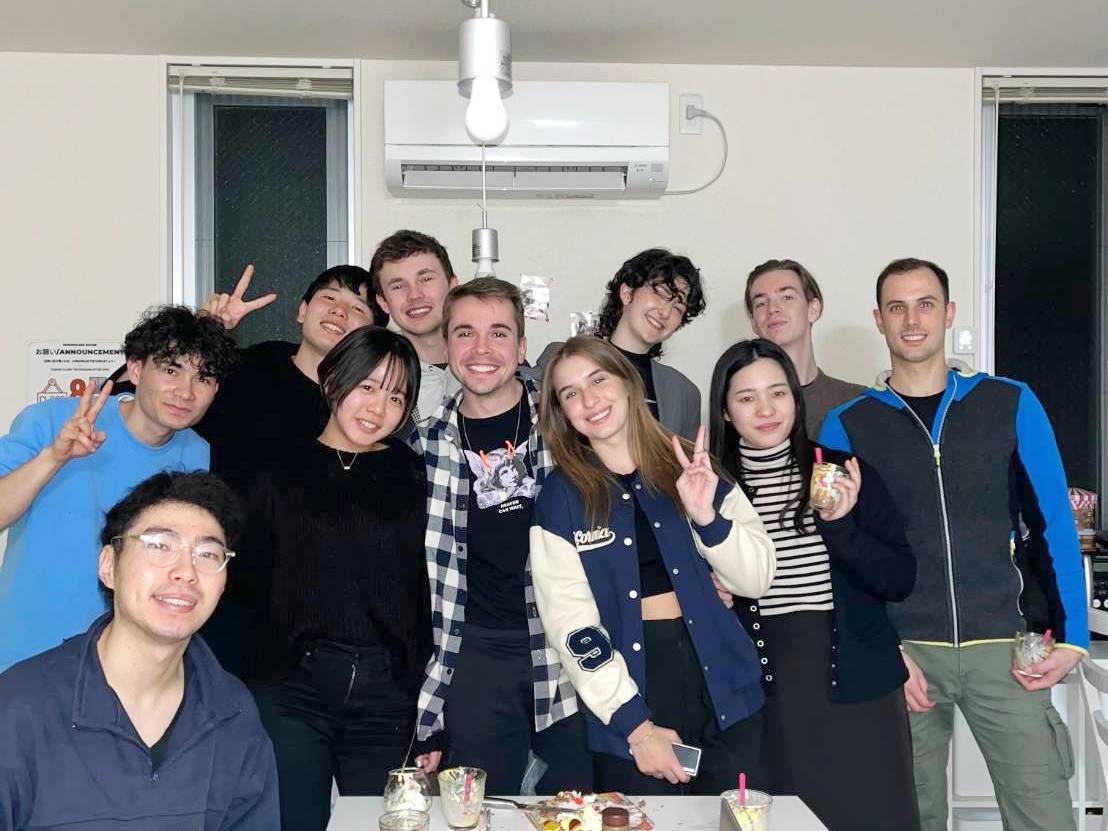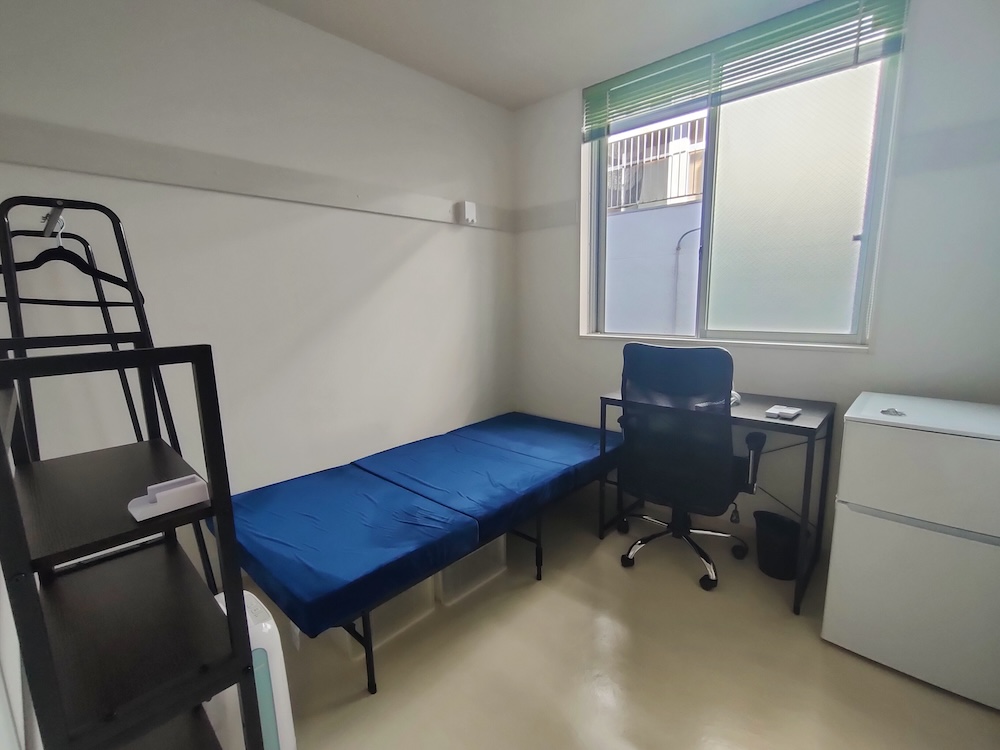

Welcome to BORDERLESS HOUSE, where the world comes together under one roof in Japan! Imagine waking up to the aroma of freshly brewed coffee mixed with the scent of miso soup, as your housemates from different corners of the globe gather in the kitchen. This is just a taste of the exciting multicultural experience that awaits you at BORDERLESS HOUSE.
Whether you’re here to study, work, or simply explore, we offer the perfect blend of convenience, comfort, and connection. In this blog, we’ll give you a sneak peek into daily life at BORDERLESS HOUSE, showing you what makes it a special place for global living in Japan!
A Cozy Haven of Shared Moments at Jujo Share House

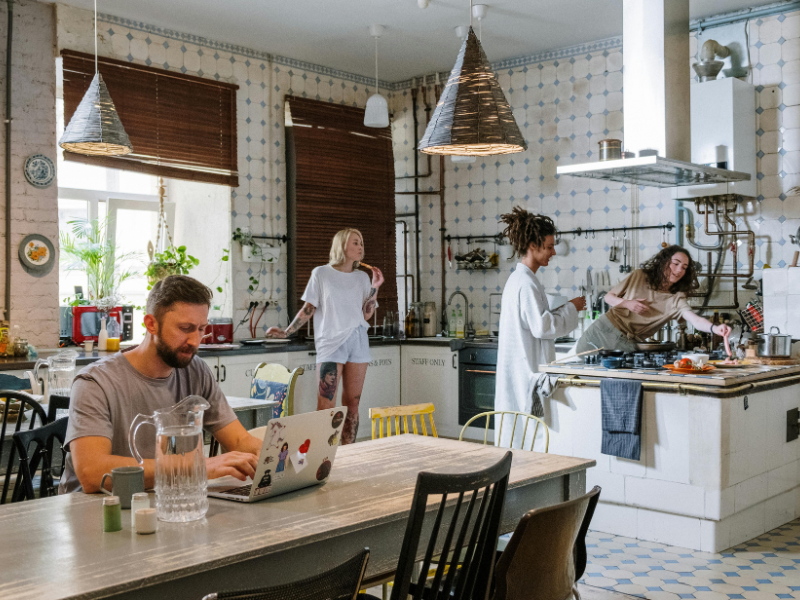
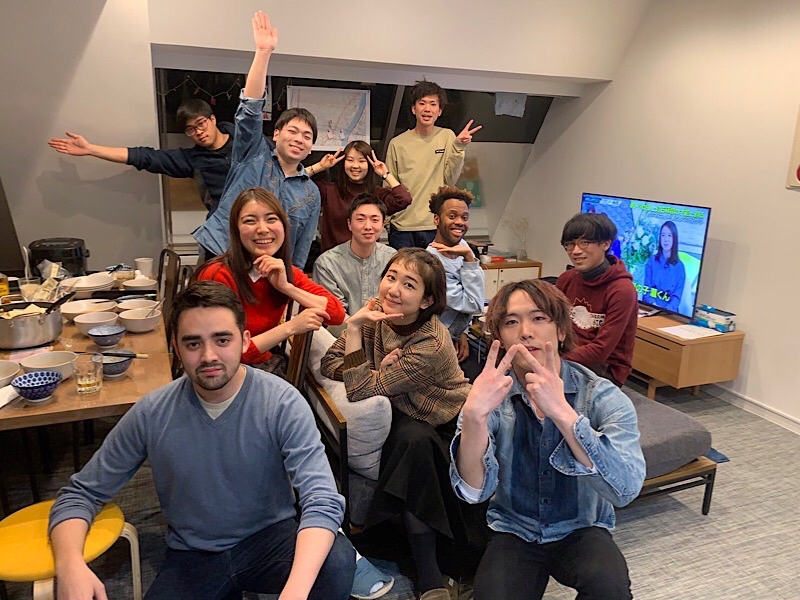
Borderless House Jujo is a cozy share house where housemates come together to relax, watch movies, and share stories in a warm and friendly atmosphere. Whether cooking meals together or ordering pizza, the residents enjoy spending time with one another. They even have a whiteboard to list places they want to explore, and their first group outing was a fun barbecue in Odaiba. The house also holds monthly meetings to ensure open communication and maintain a harmonious living environment, making Jujo the perfect place for those who value shared experiences and a laid-back lifestyle.
A Friendly Community of Cultural Exchange at Shin-Koiwa Share House

Shin-Koiwa share house is a welcoming share house filled with bright and friendly housemates who love to connect and share experiences. The atmosphere here is lively, with residents frequently organizing language exchanges on weekday evenings, allowing everyone to practice their skills while making new friends. Recent activities have included a refreshing hike up Mount Takao, where housemates enjoyed nature together, and a cozy Korean food home party to celebrate a farewell. In May, the group even ventured out to Disney Sea for a day of fun. With a strong emphasis on community bonding, Shin-Koiwa is a place where cultural activities flourish and friendships grow naturally.
Embrace Spontaneous Adventures at Shinjuku-Nakai Share House

Borderless House Shinjuku-Nakai 1 is known for its lively atmosphere and close-knit community where spontaneous adventures often take place. Recently, the housemates gathered for a farewell takoyaki party that turned into a late-night flowing noodle event, showing how effortlessly fun evenings can evolve. Just the night before, they embarked on an impromptu 15-hour walk around the Yamanote Line! This house is perfect for those who enjoy a sense of adventure and making lasting memories with a group of like-minded people.
Sociable and Community-Focused Living at Nishi-Shimokitazawa Share House

Nishi-Shimokitazawa share house is a vibrant and sociable share house where events and gatherings are a regular part of life. The housemates host at least one event or party per month, recently coming together for a welcome and farewell party to celebrate a housemate’s time with them. Whether cooking meals together or even engaging in activities like gardening, there’s a strong sense of camaraderie among the residents. If you’re looking for a lively and connected community, this co-living place offers a welcoming environment where friendships and shared experiences thrive.
A Welcoming Space for Language and Cultural Exchange at Kitasenju 2 Share House

With housemates often at home and open to interaction, there are plenty of opportunities to practice languages and connect with others at Borderless House Kitasenju 2. Regular gatherings like welcome and farewell parties, along with spontaneous outings, create a sense of community while still allowing for personal space. The balance between socializing and privacy makes this house a great fit for those who enjoy meaningful exchanges in a supportive, welcoming environment.
Discover the Unique Experience of Living at BORDERLESS HOUSE
BORDERLESS HOUSE offers more than just a place to stay — it’s an opportunity for cultural exchange, personal growth, and building lasting friendships. Whether through spontaneous outings or shared meals, living in a BORDERLESS HOUSE is all about creating memorable experiences and expanding your horizons.
Exciting news! We’ll be opening a new location in Sendai, Japan at the beginning of next year! If you’re interested in joining our community in this vibrant new area, please don’t hesitate to contact us. Your multicultural adventure awaits!




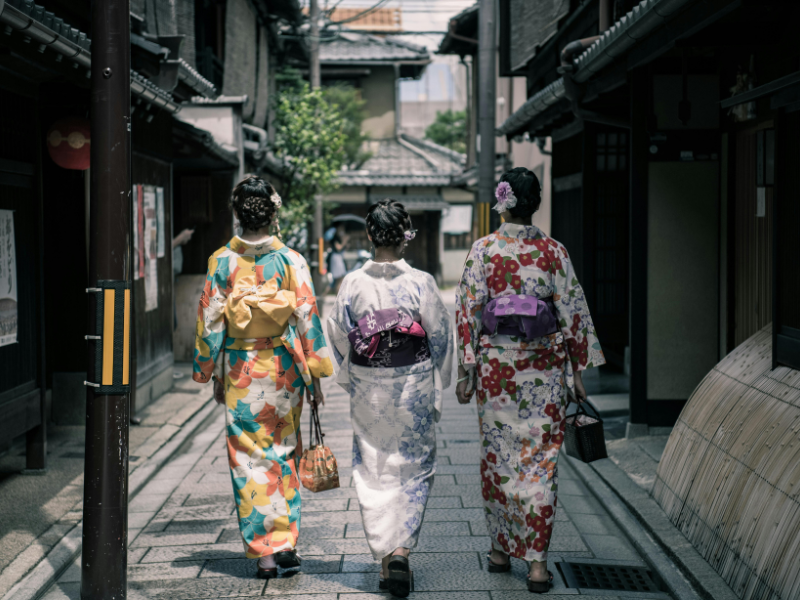


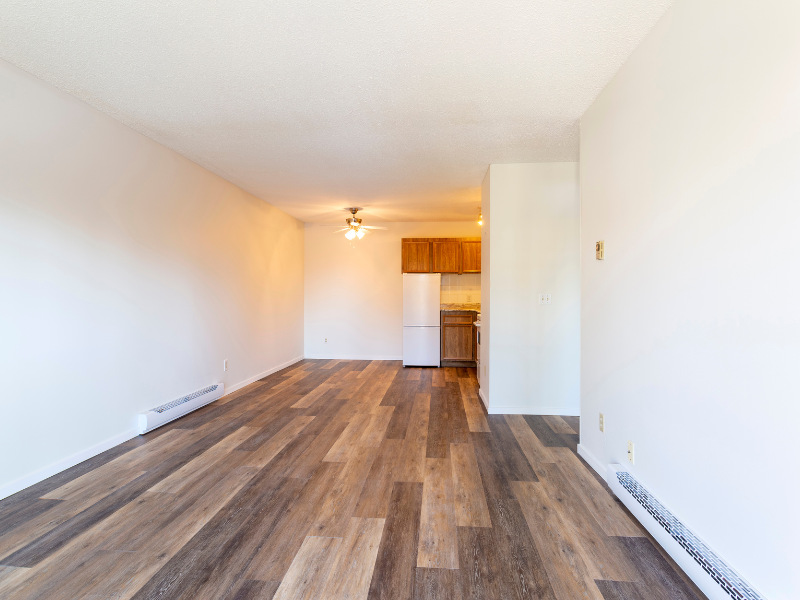
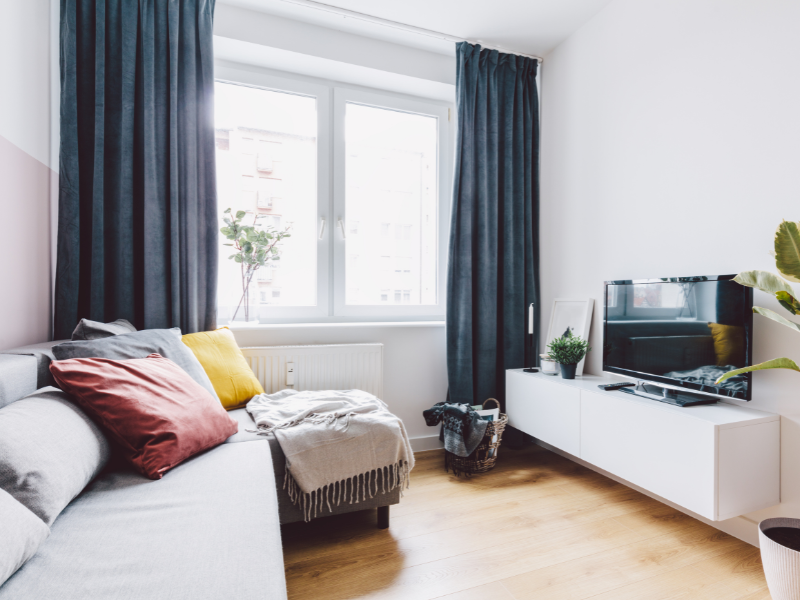

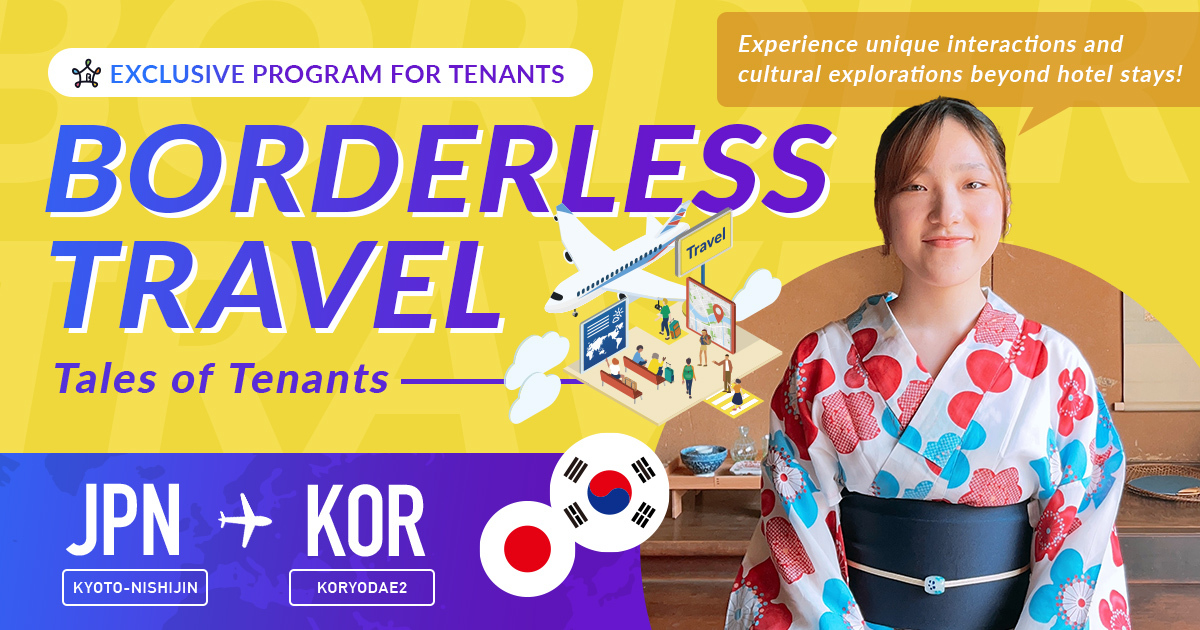
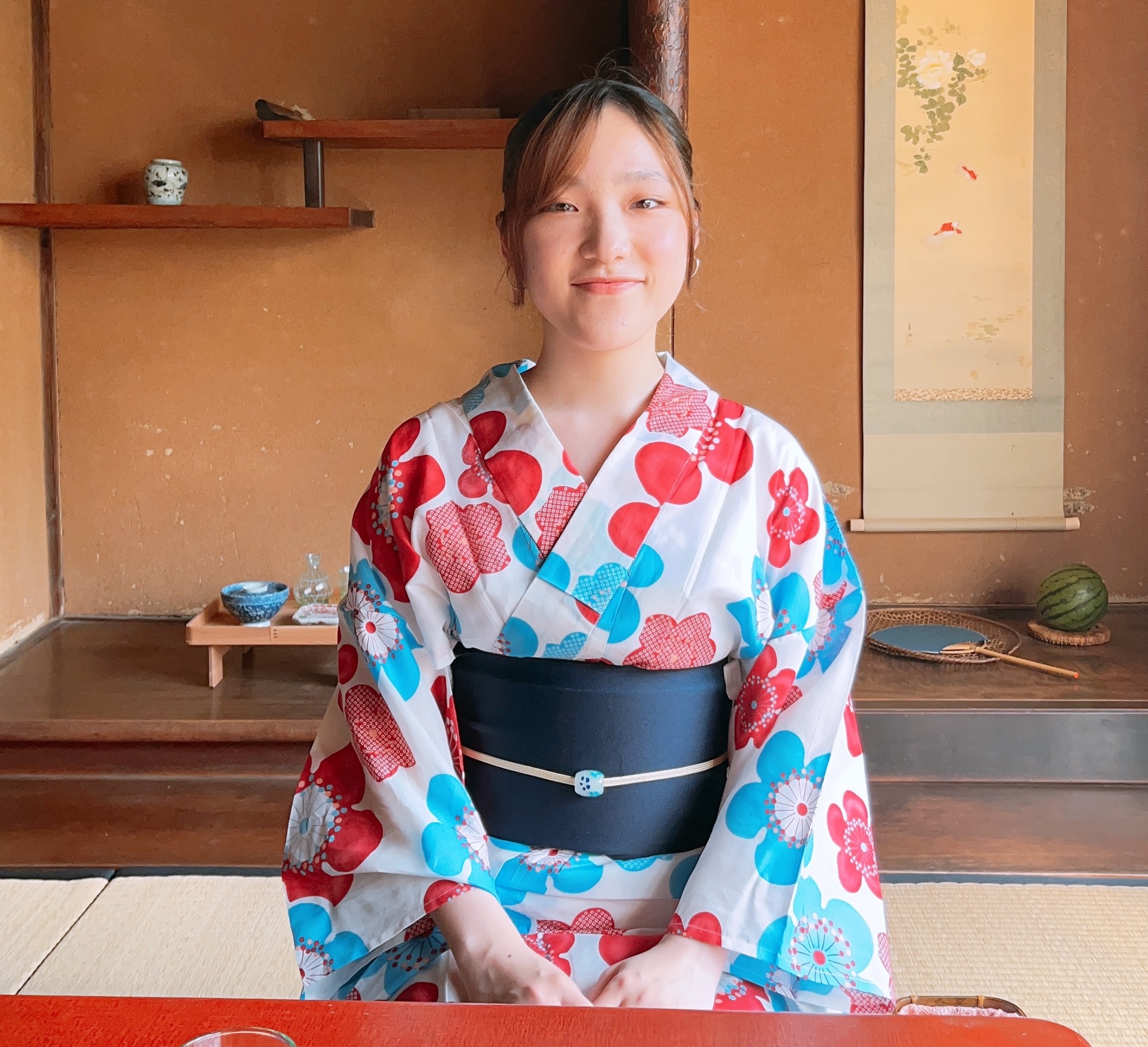 Yuzuki’s time at Nishijin House brought about a significant shift in her views on English and international interactions. She explained that her decision to move there stemmed from a desire to conquer her fear of English and engage with people from different countries.
 Yuzuki: When I got to Koryodaes House, I was greeted by Robin, the staff member I had been communicating with by email. Meeting him in person really helped me settle in. He showed me around and shared some local tips and places to visit.

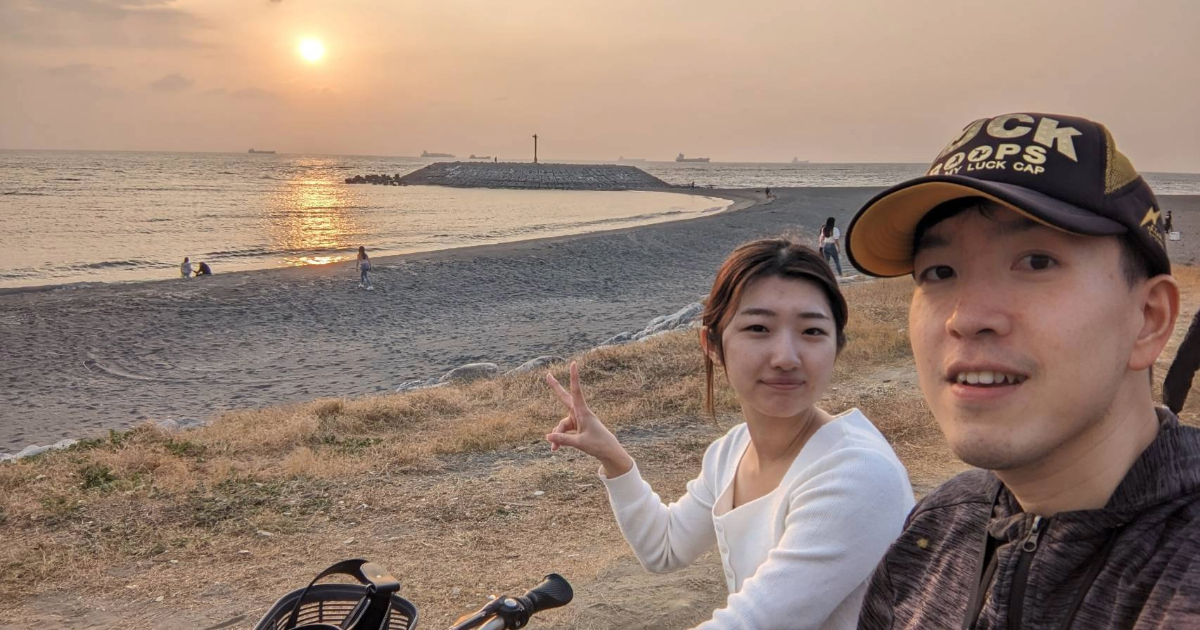

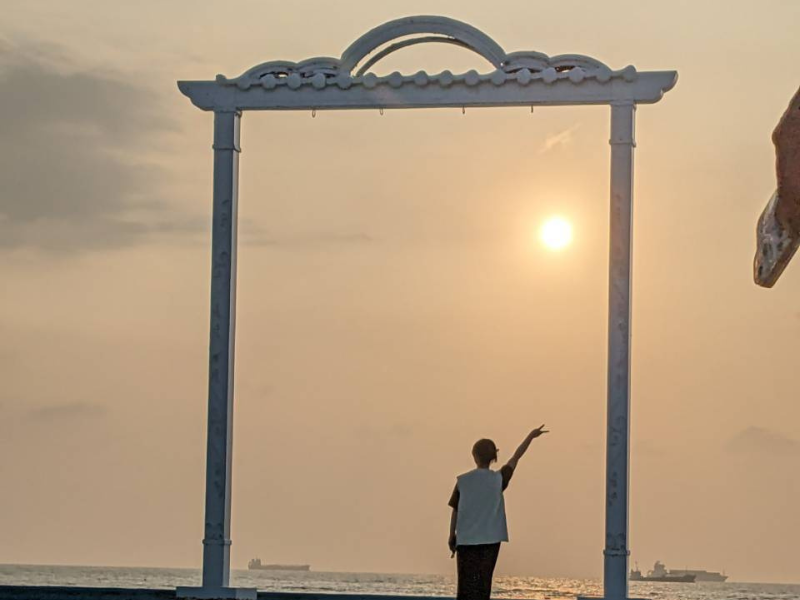
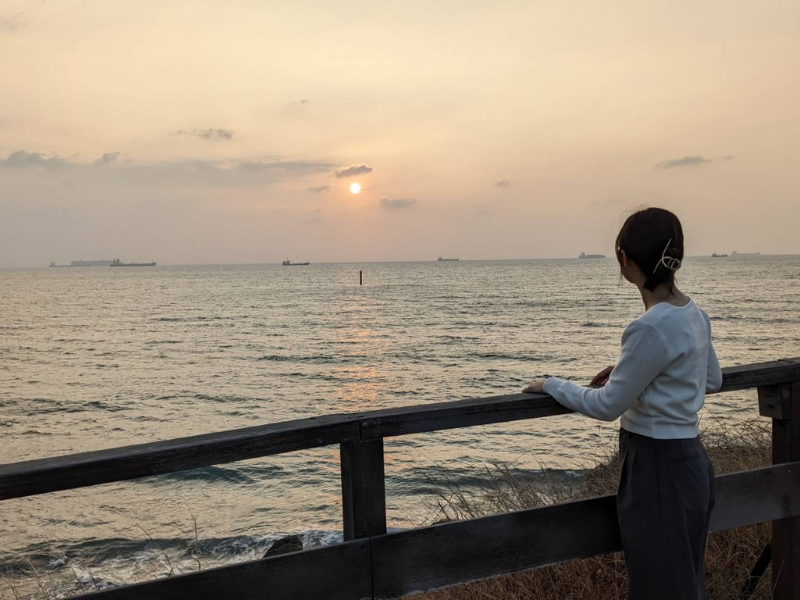
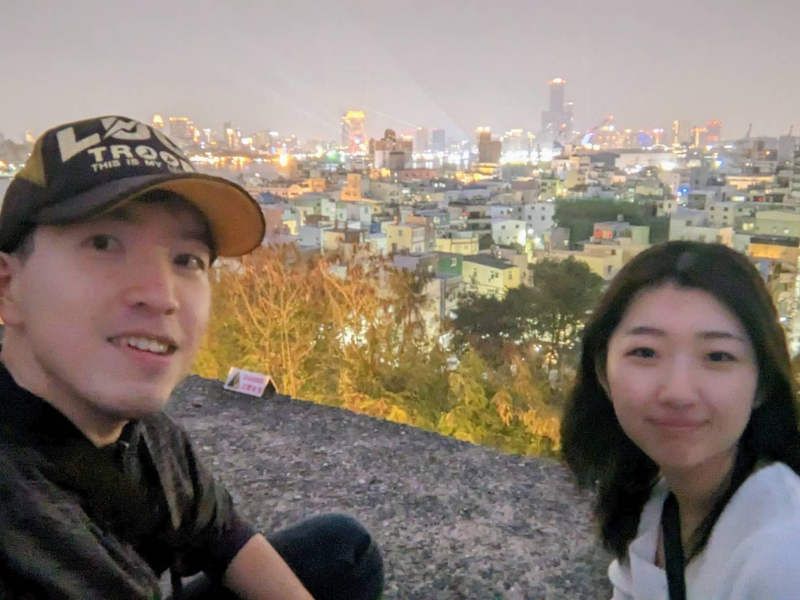
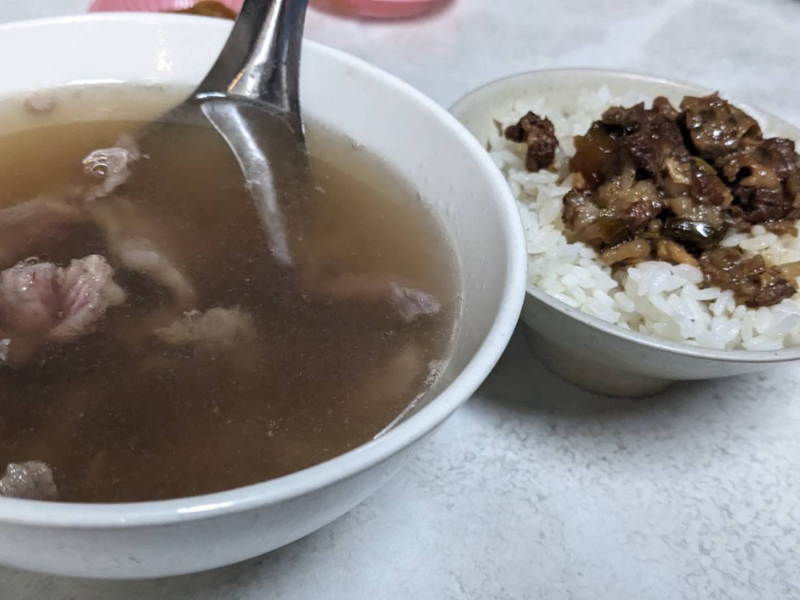
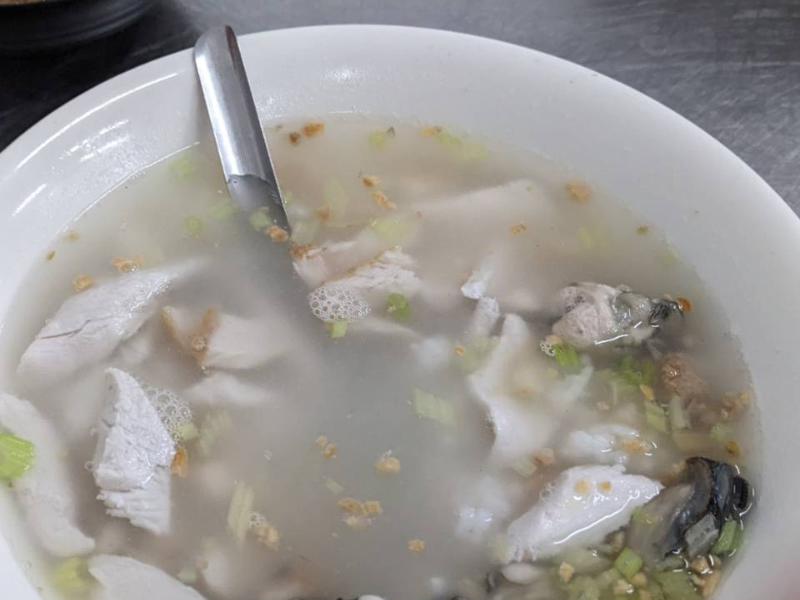

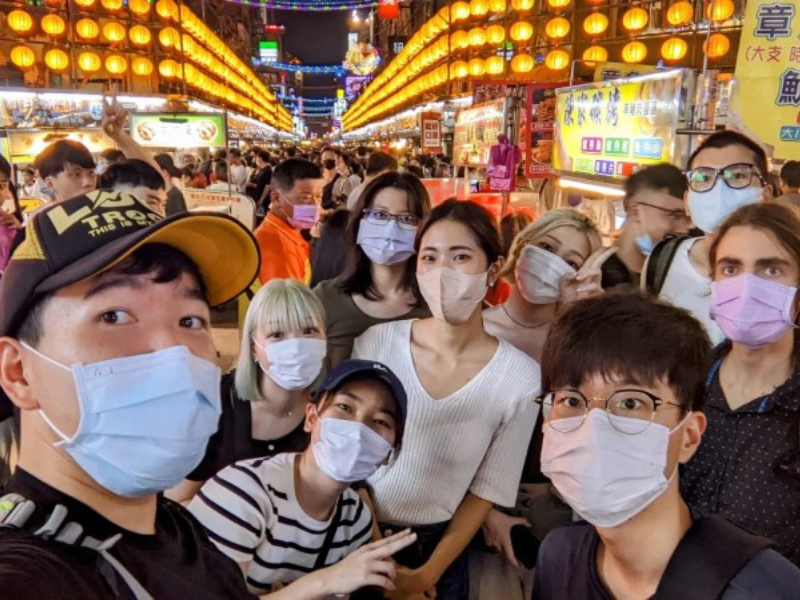
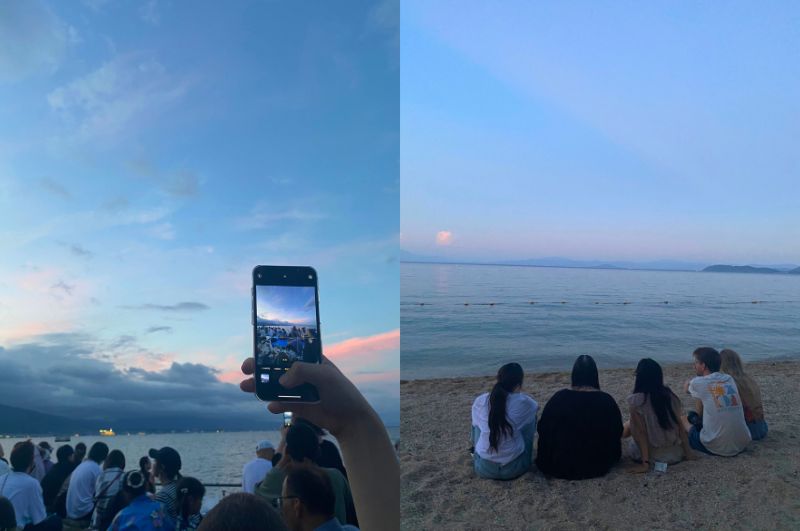
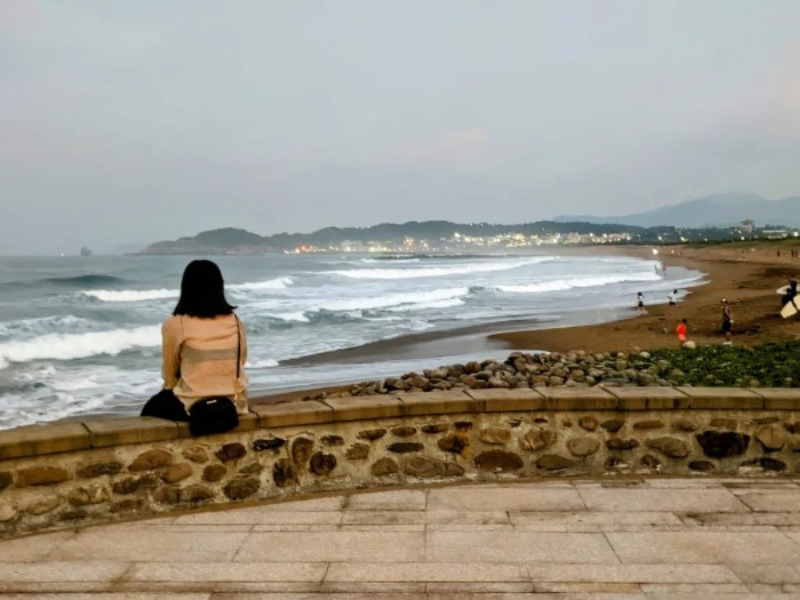
 Located near the Lover’s Bridge in Tamsui, Shalun Beach is a perfect spot to sit on the sand, gaze at the ocean, and experience the tranquility of the coast. This beach, not frequently visited by the public, is a relatively serene hidden gem. Watching children and pets roam freely creates a healing atmosphere. On that day, they brought picnic mats and enjoyed the beach while chatting. One of our housemates from the UK later shared that the view of this sea was truly therapeutic for her, as back in her hometown, she rarely had the opportunity to see such expansive seascapes. She expressed joy in being able to appreciate Taiwan’s coastline with everyone.
 Continuing along the North Coast, you’ll reach a community called “Laomei.” Here, you’ll find Taiwan’s only green reef coast known as “Laomei Green Reef.” What makes it special is that in April, as the northeast monsoon gradually subsides, the reef becomes covered with lush green seaweed, creating a breathtaking landscape known as the “Green Reef.”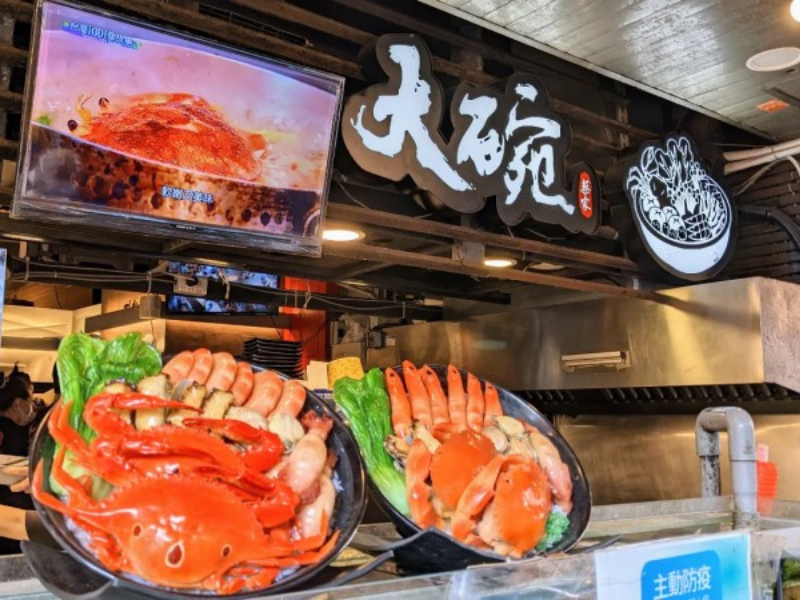
 Starting from January 1, 2024, we are thrilled to announce our collaboration with Zipcar, providing exclusive car rental benefits for
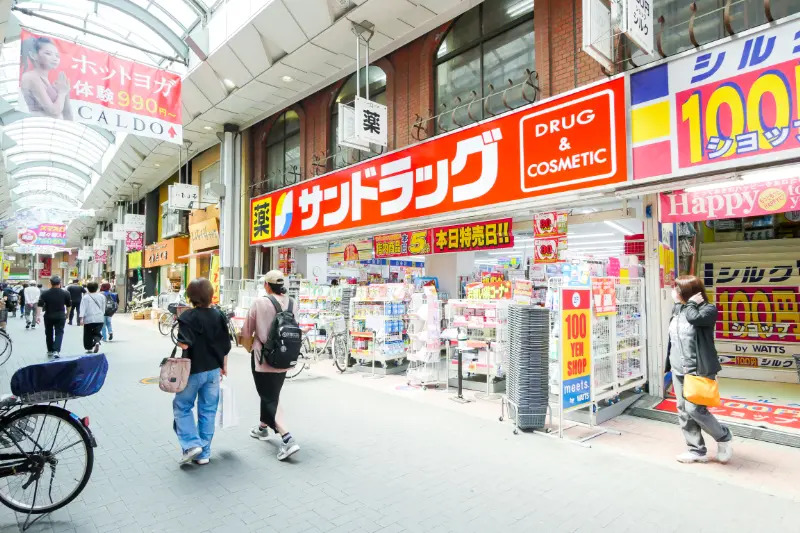
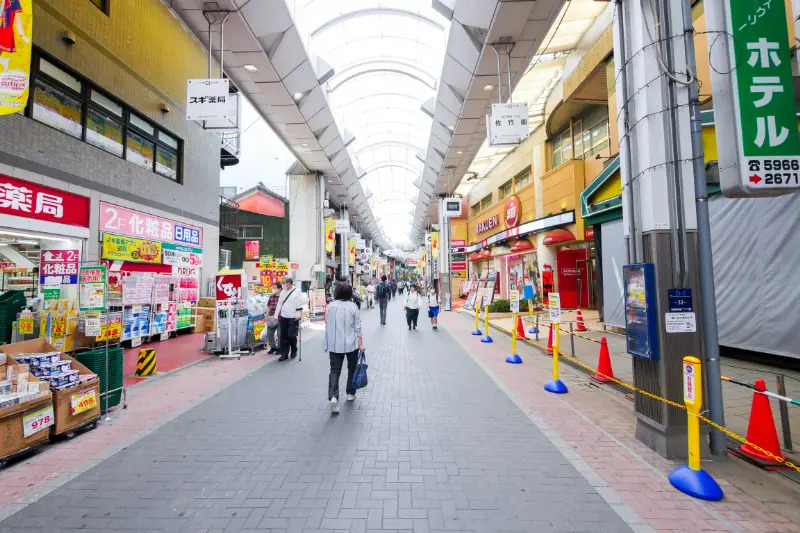
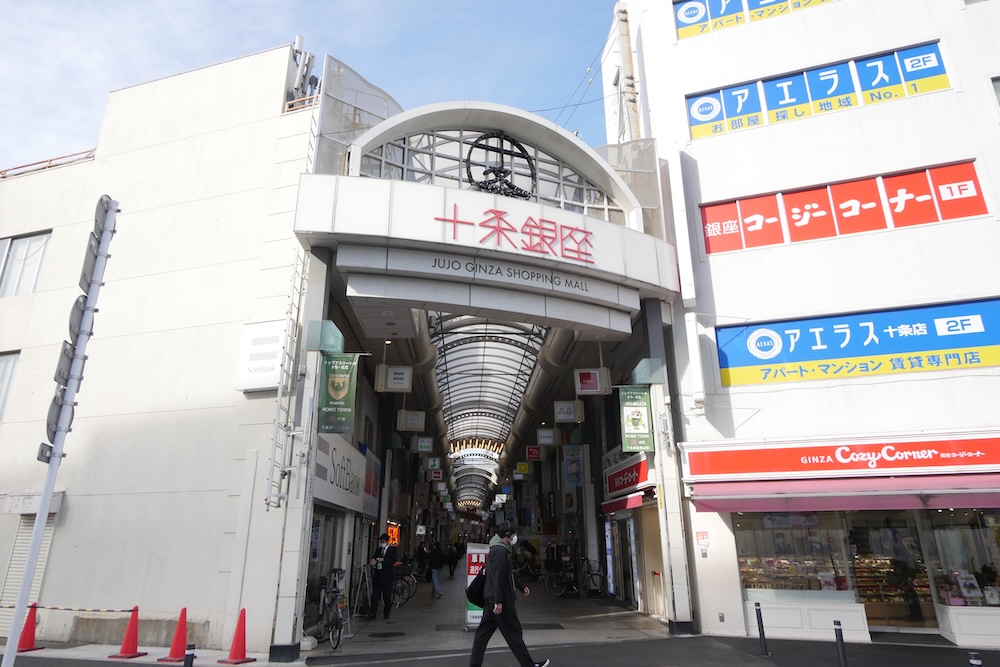 Jujo Ginza Shopping Street, with its 80-year legacy, is a bustling hub filled with supermarkets, fresh produce stands, essential shops, and eateries. It’s lively even on a weekday afternoon, packed with people enjoying the vibrant scene. The cheerful calls of the shopkeepers as you pass by can’t help but boost your spirits, making every visit feel like a little energy boost.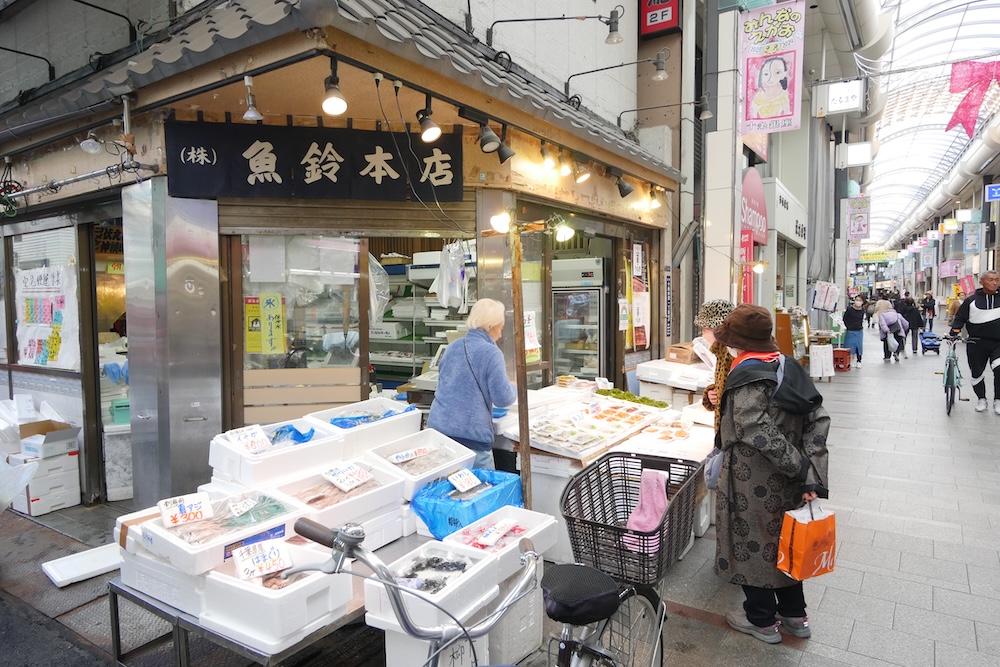
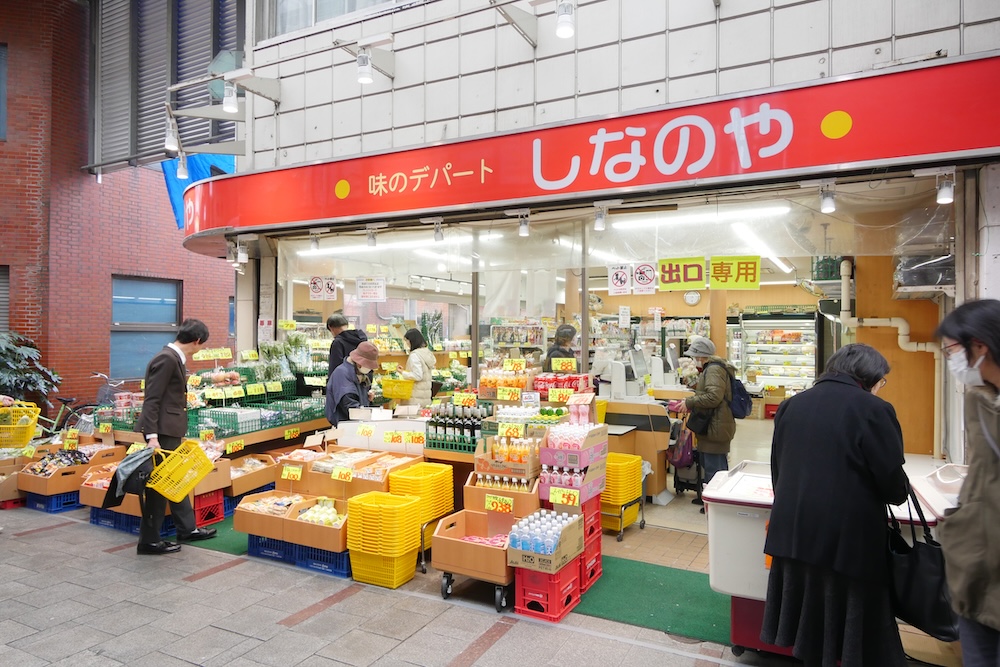
 ▲As of March 2024!
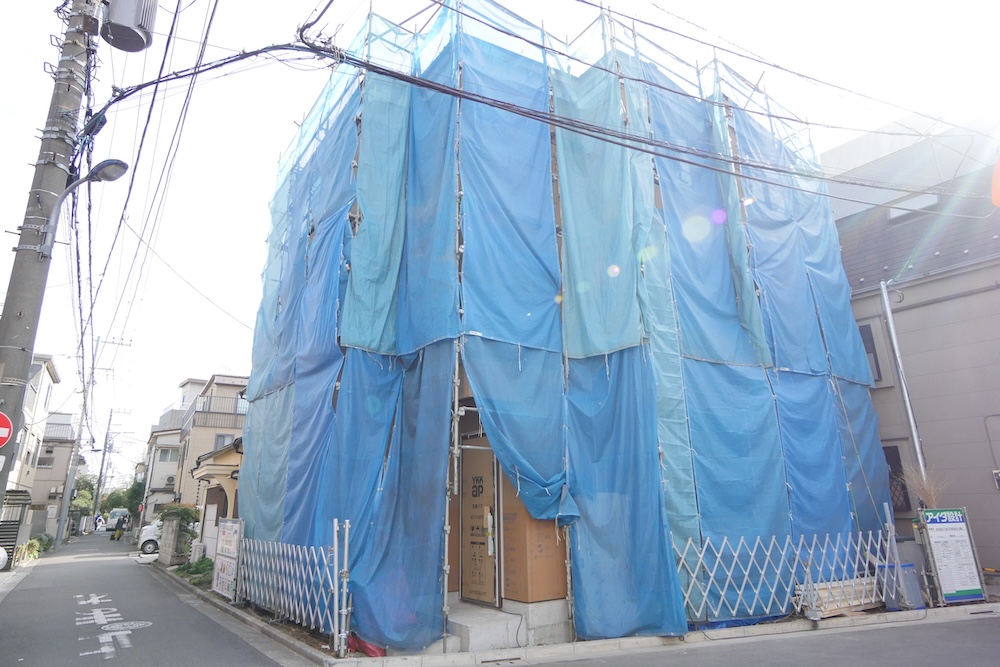 ▲Photo from the beginning of 2024
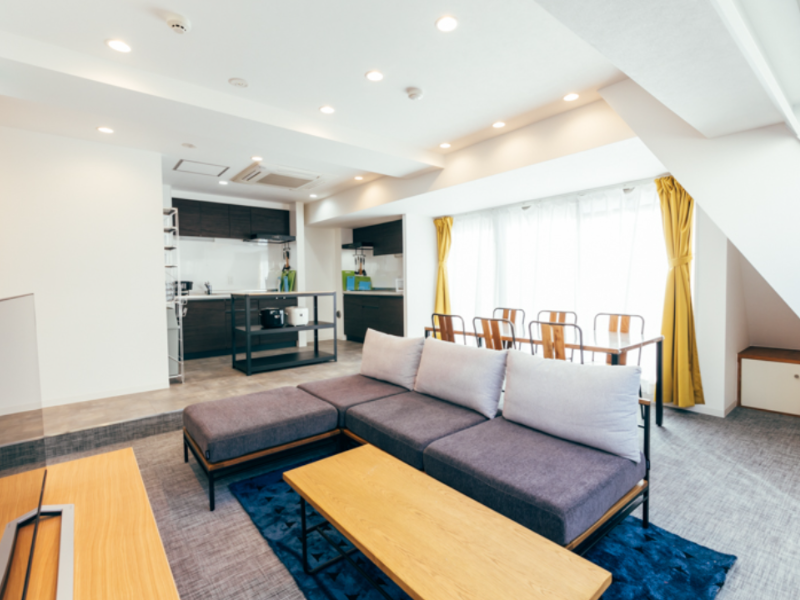
 In designing Borderless House Jujo, we’ve paid special attention to crafting spaces where residents can easily relax and connect. From opting for a larger living room to installing plenty of washbasins, every choice was made with comfort and community in mind.
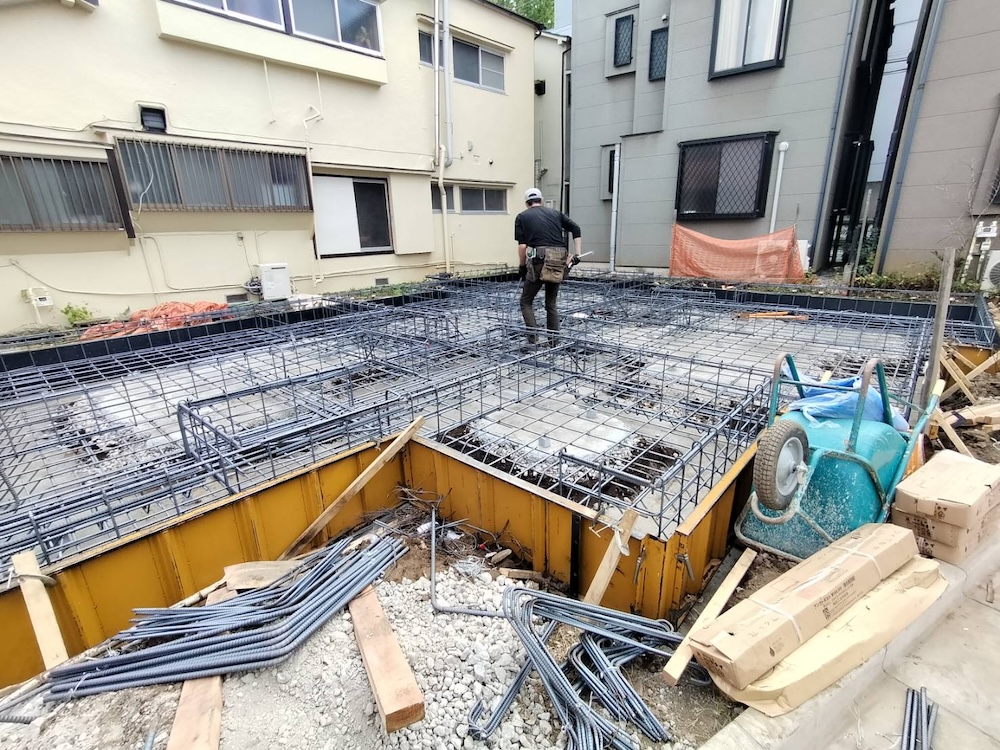 ▲November 2023, when the scaffolding had just been assembled
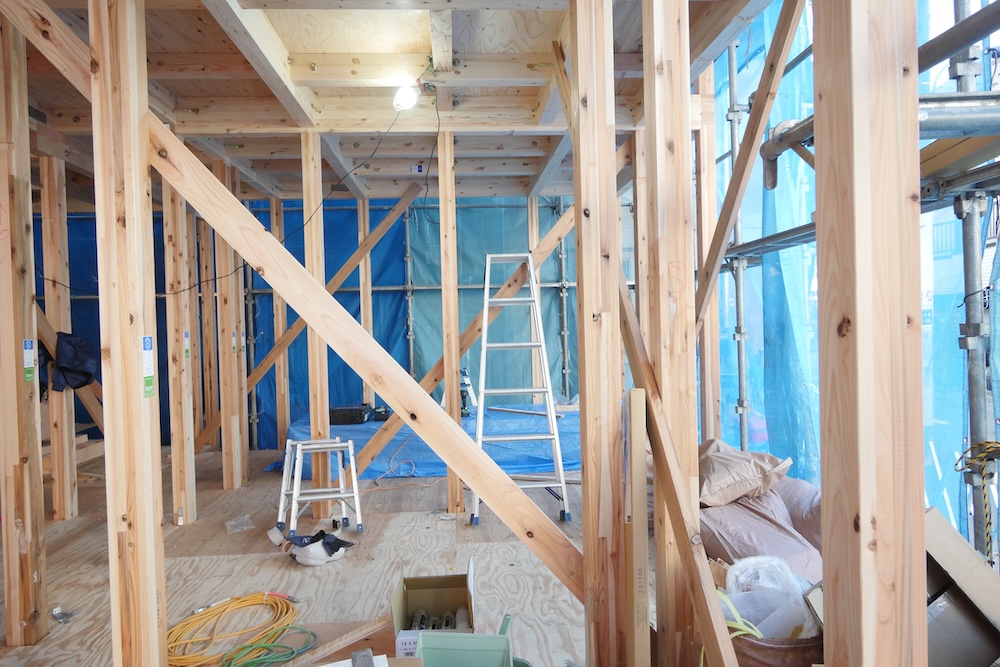 ▲December 2023, there were no walls yet, but it was gradually taking the shape of a house
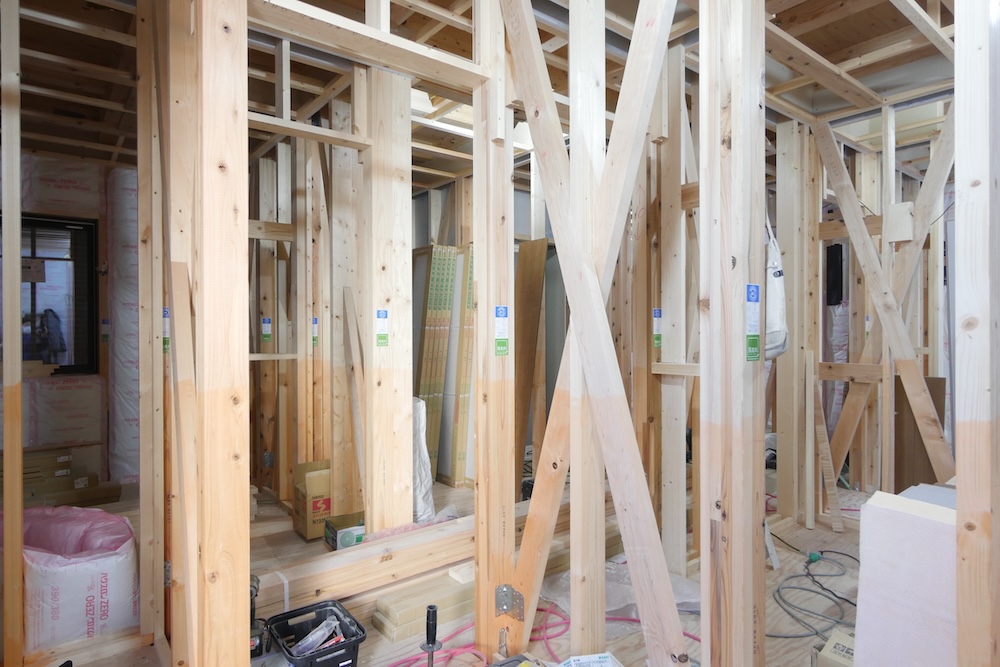 ▲Construction was carefully progressed towards the opening
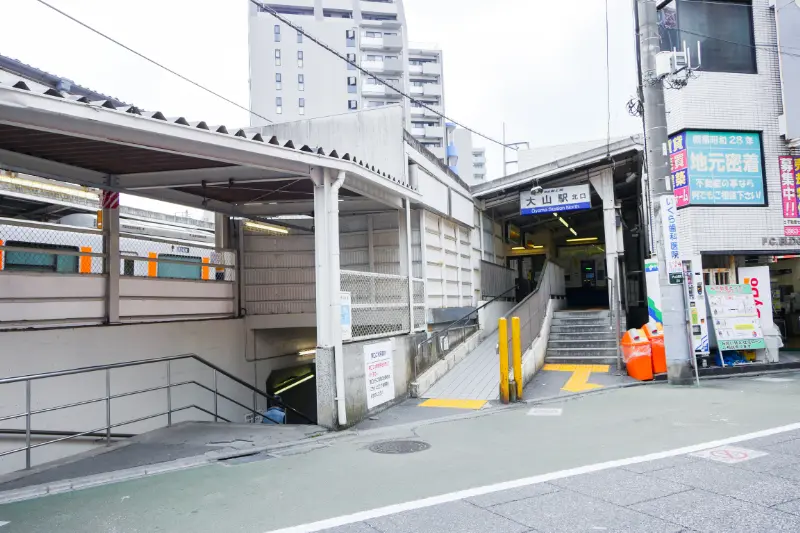 The entrance to the house is on the second floor.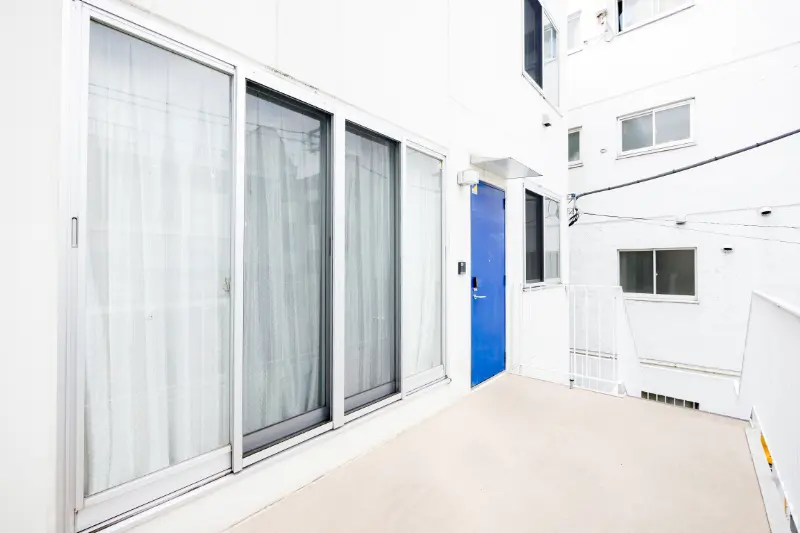
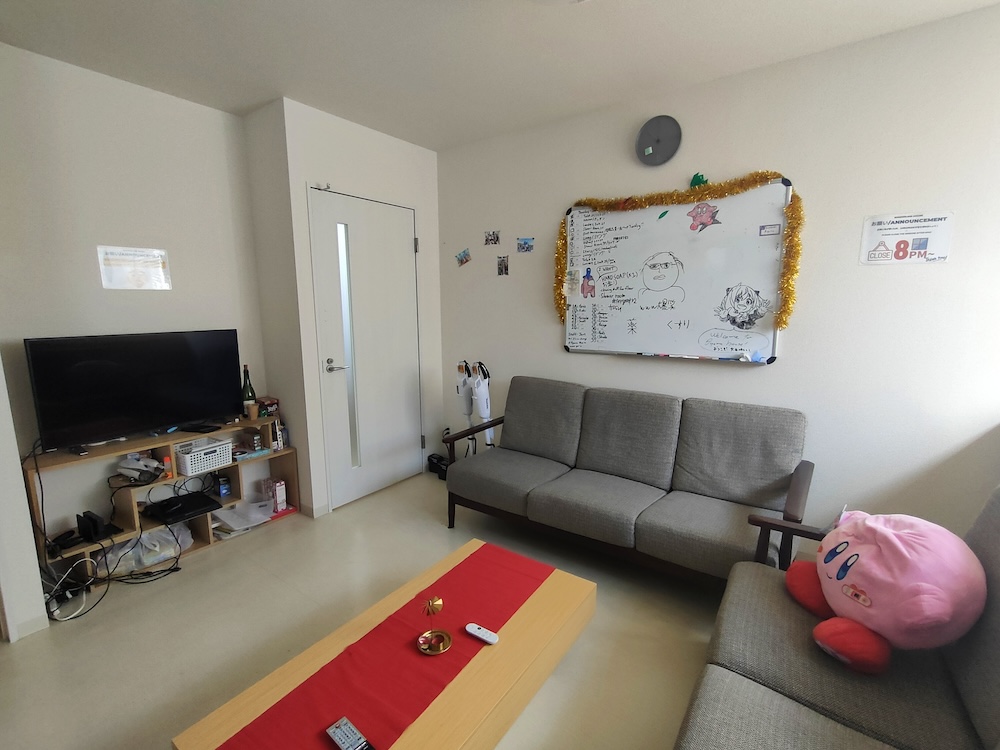
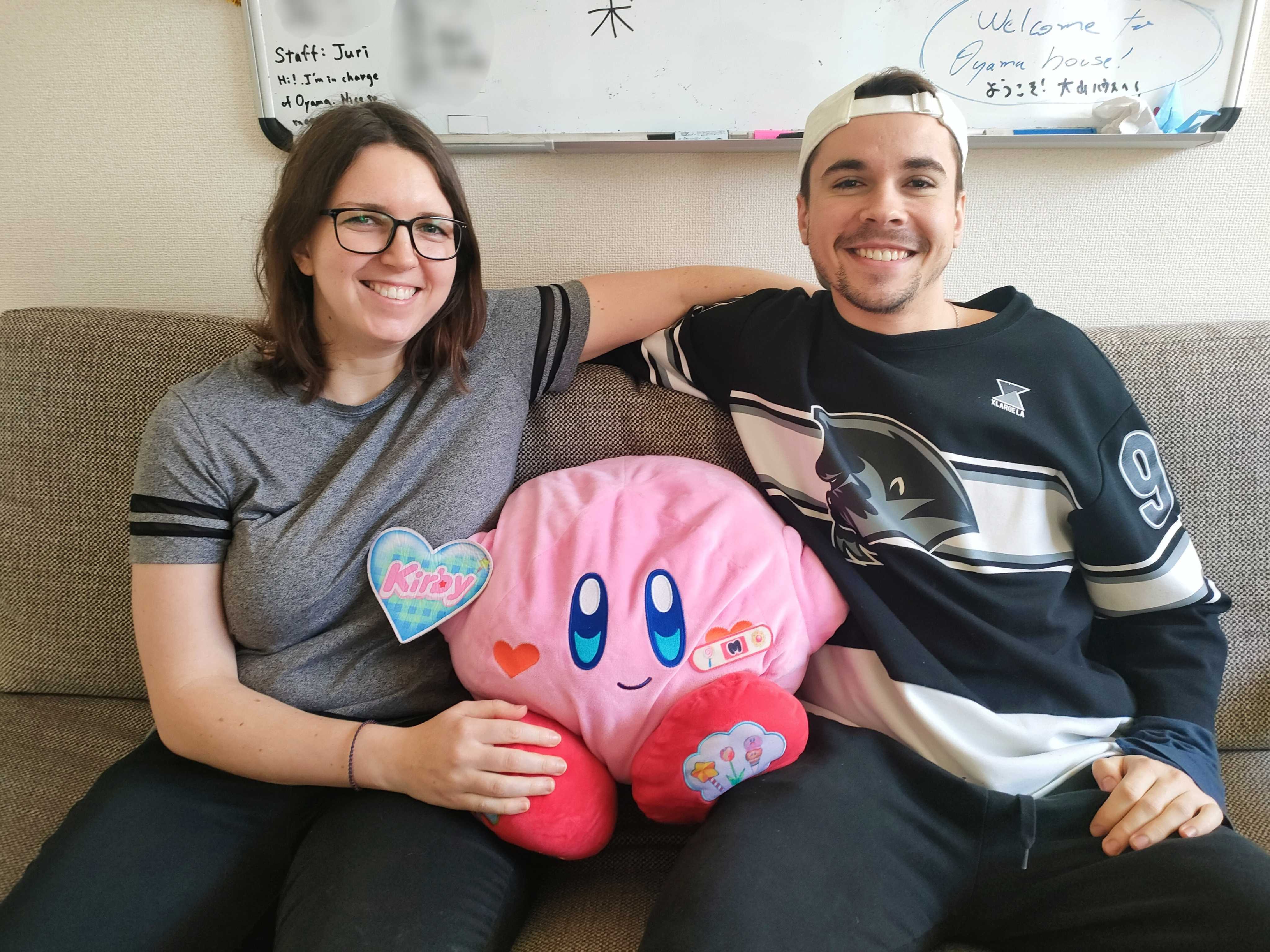
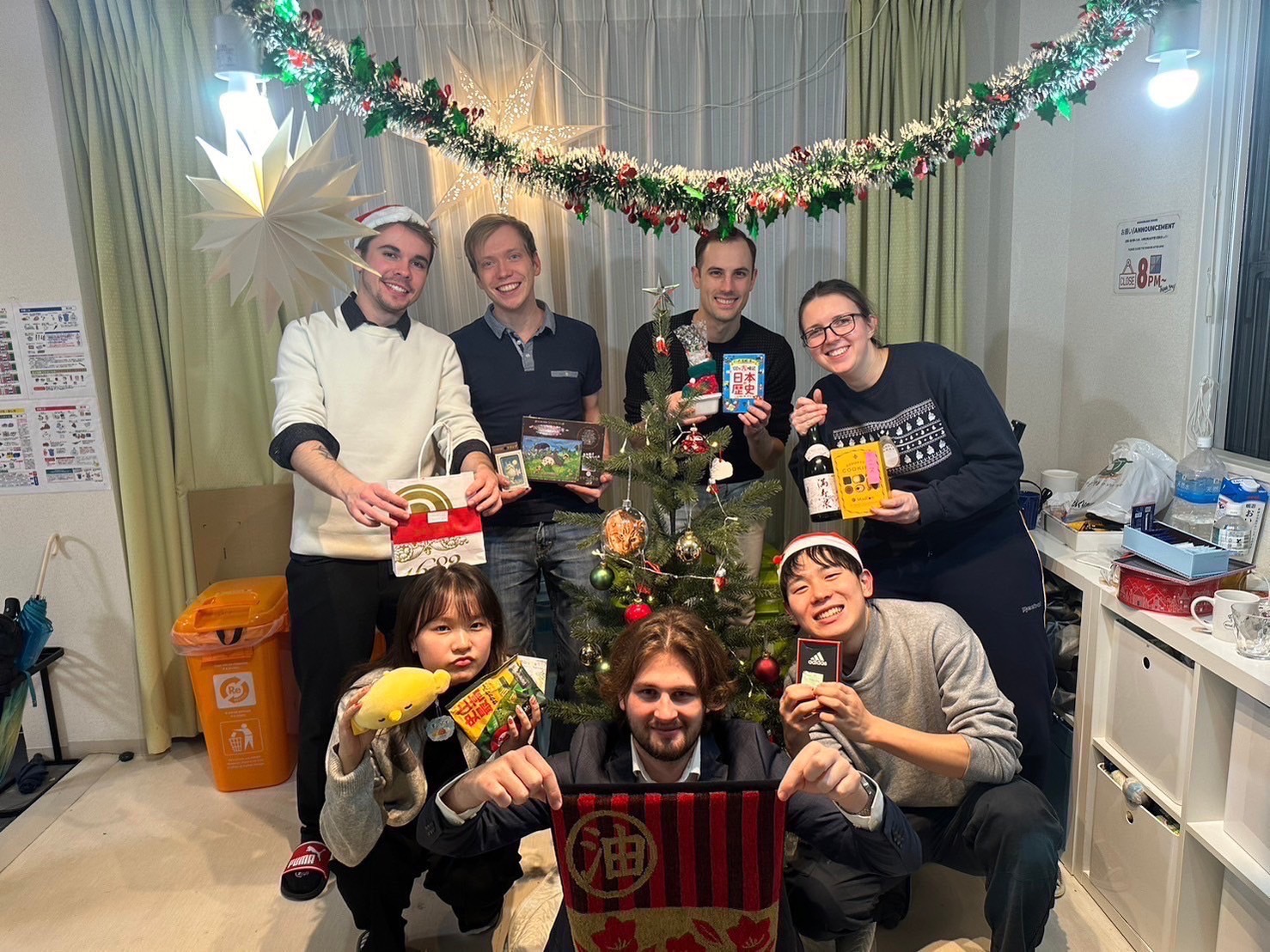
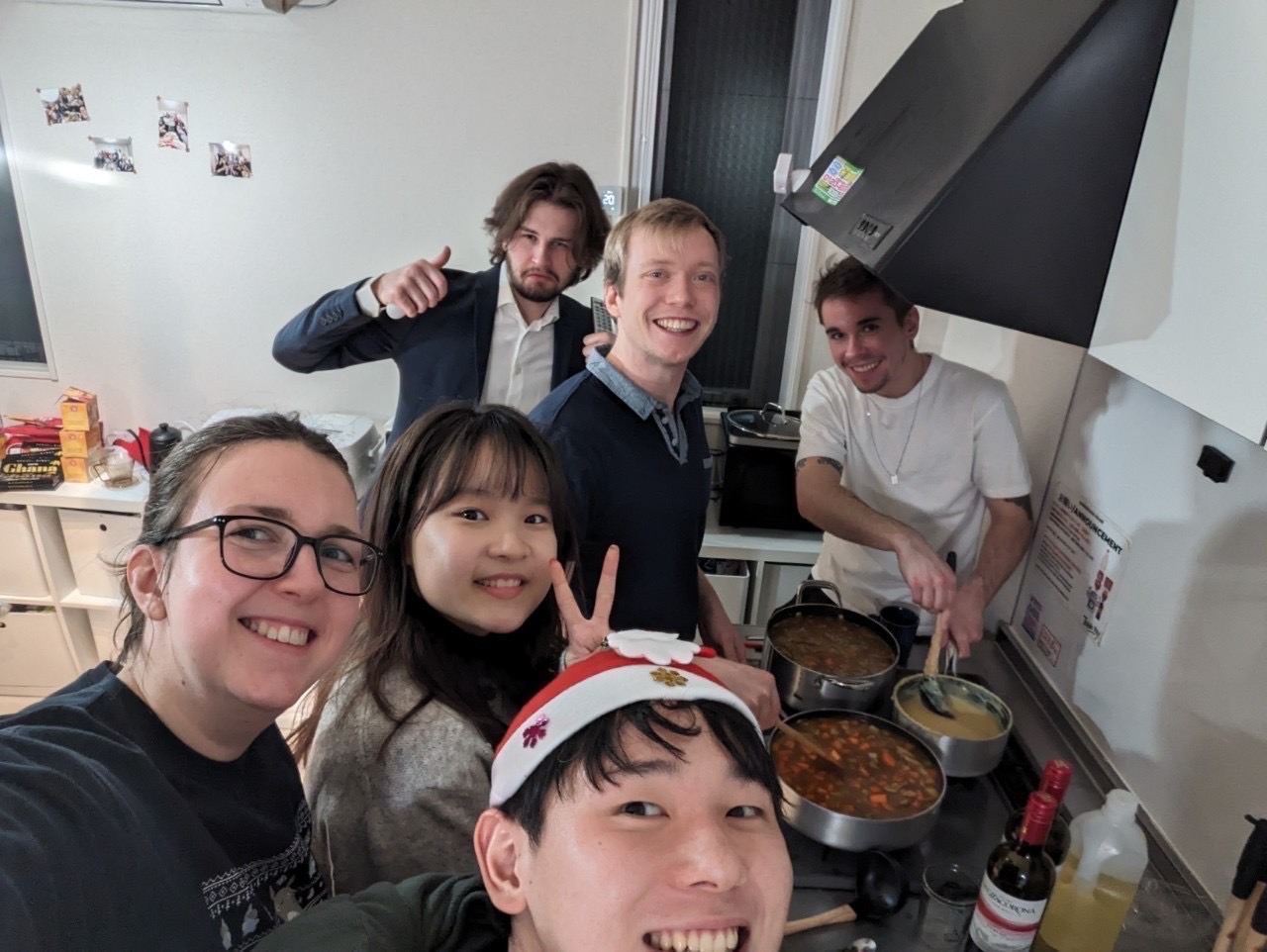 Denise, who moved in last October and is now in her fourth month at the house, particularly remembers the time spent during the Christmas party.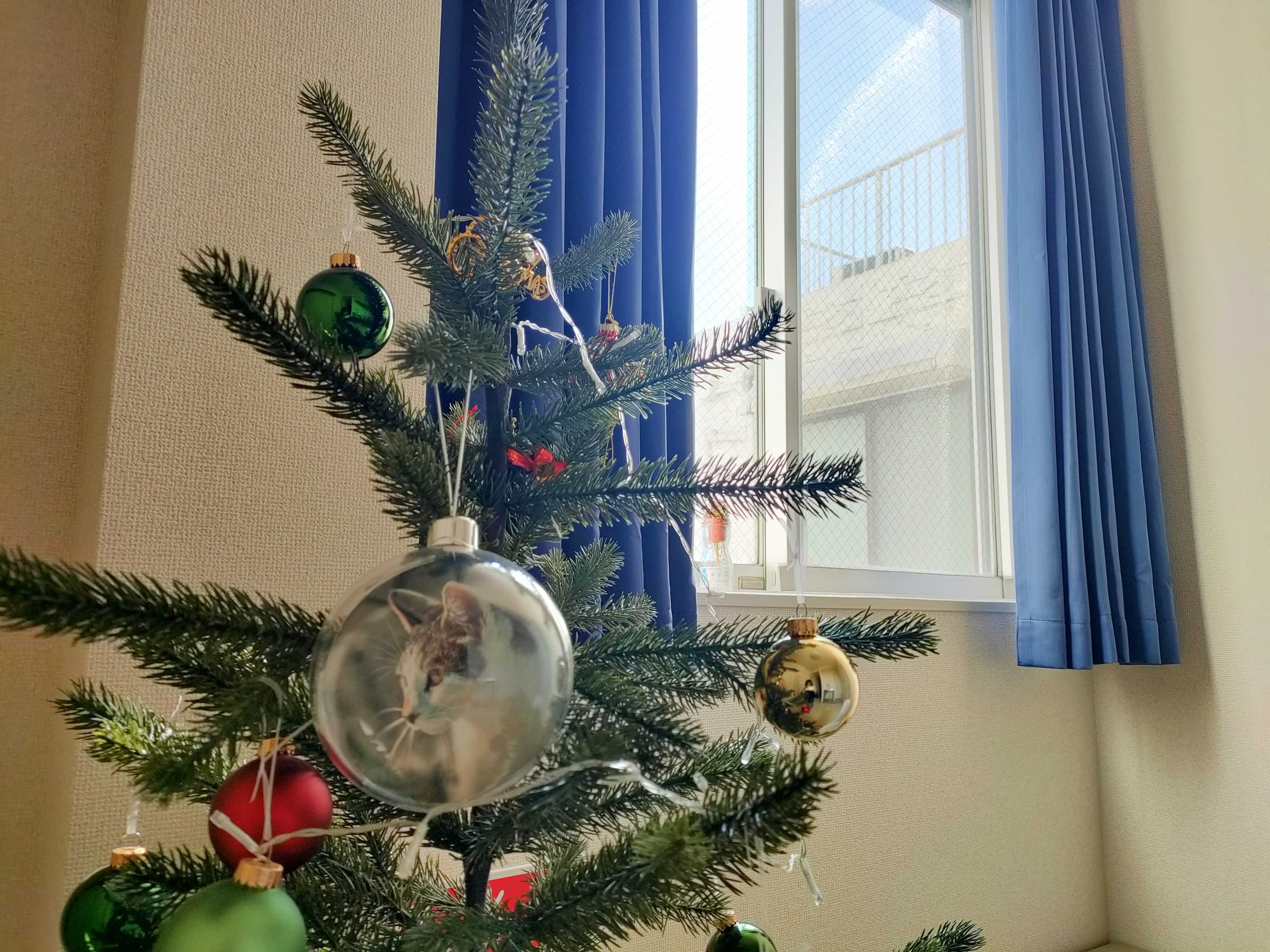
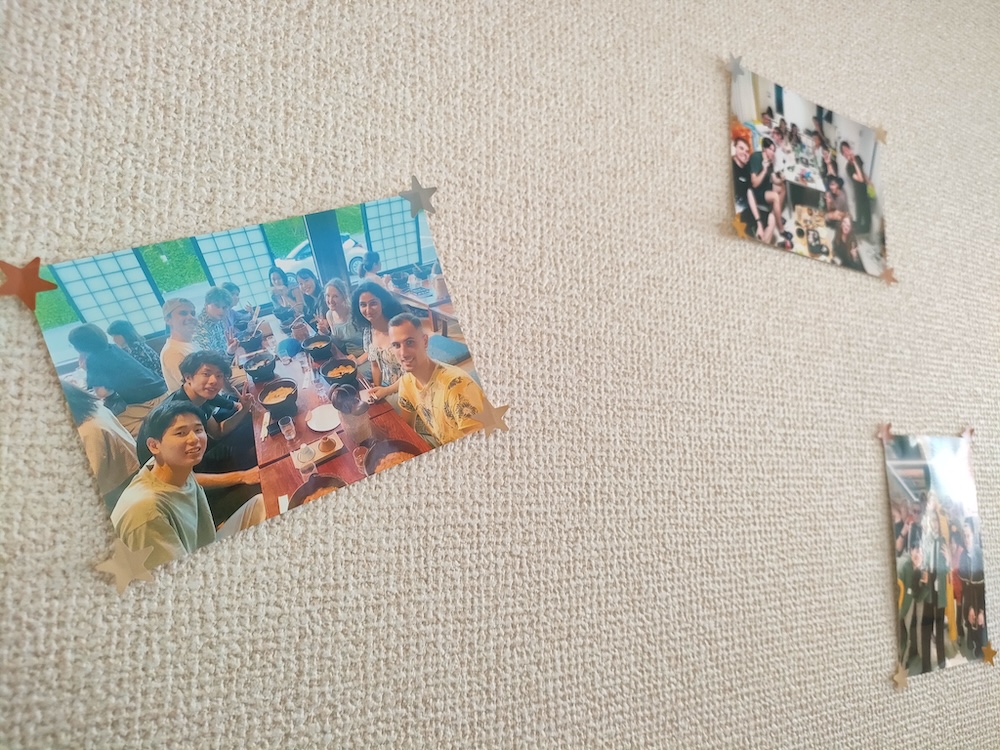
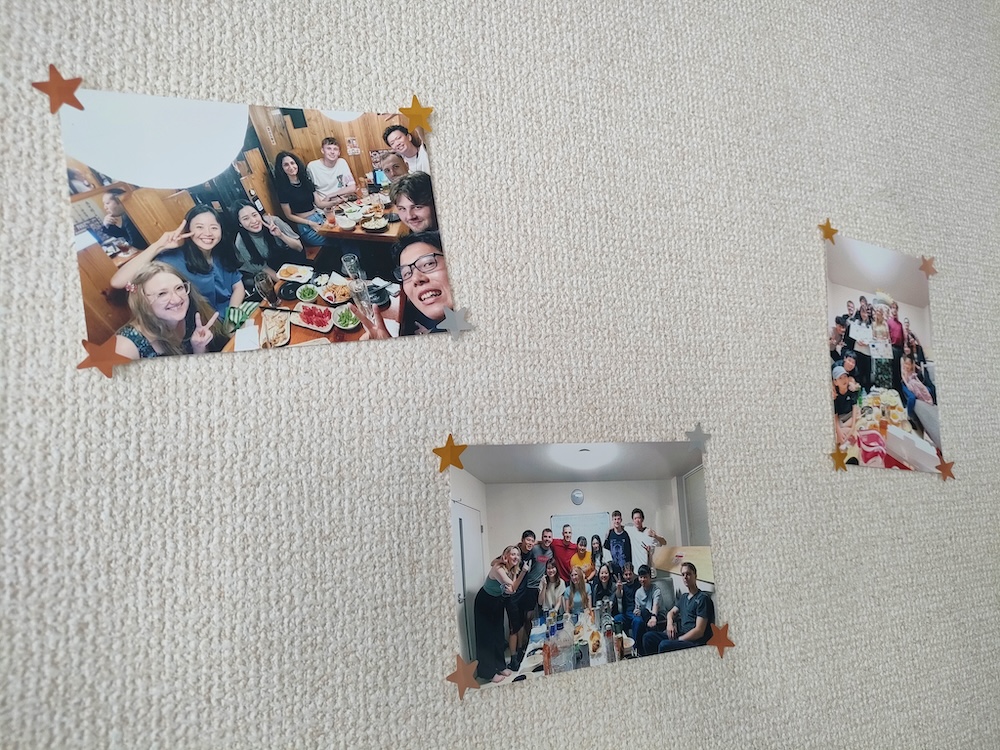 Another wonderful aspect of Ikebukuro Oyama House is the tradition of always celebrating each housemate’s birthday!