Where to Stay in Japan ▏How to find the right match?

Moving to a foreign country can be very daunting. First, you have to find a realtor, maybe one that speaks your language so you’re not struggling with the language barrier. Then you may also have to decide where you want to live, and factor in budget, lifestyle, and what you’re looking for in an accommodation, all of which you might even be done from far overseas.

To resolve your concerns about “where to stay in Japan?“, “how do I find the right match?”, we would like to introduce BORDERLESS HOUSE to you!

Brief introduction of BORDERLESS HOUSE

Many people may think sharehouses are noisy and inconvenient, but that’s certainly not the case! The right sharehouse might actually provide you with peace of mind and solve many of your problems.

At Borderless House, our share houses not only are full of people eager to make friends, but thanks to a multicultural staff, it’s also very stress-free to find the right place to stay. Borderless House staff are quick and responsive, with multiple language support. So staff can help you choose which house best suits what you’re looking for during your time in Japan, and make the reservation process extremely stress-free. It’s even possible to reserve a room within as little as three days!

Merits of choosing to stay at a share house in Tokyo as foreigners

People may travel to Tokyo for many different reasons, so is a share house right for you?
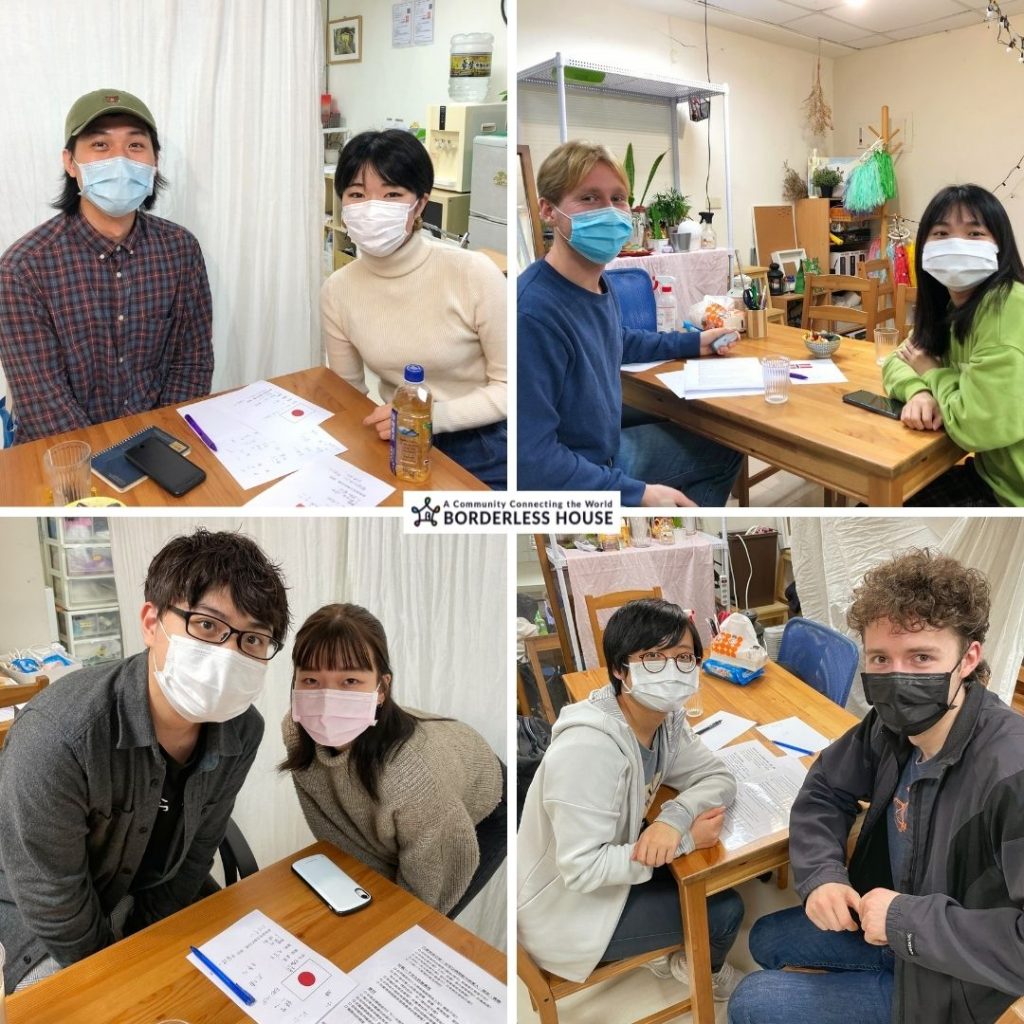
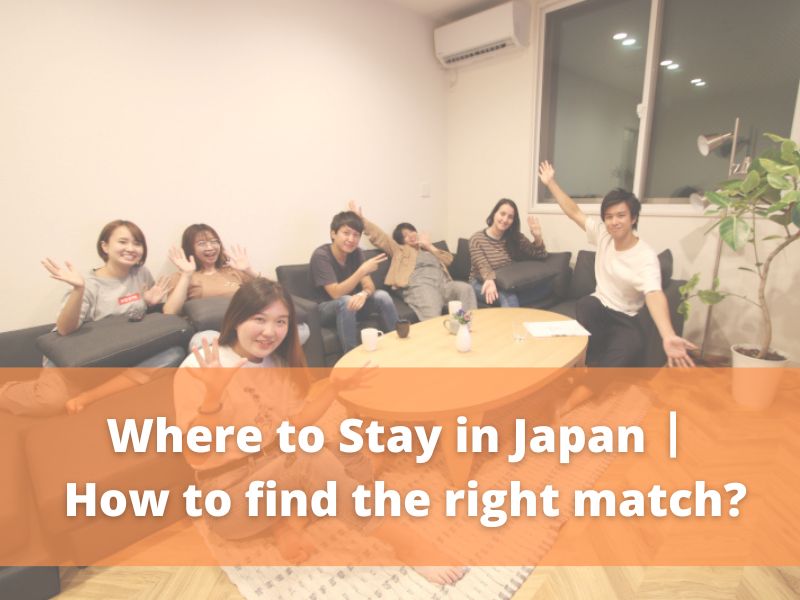
One really wonderful aspect of living at a sharehouse is how quickly you can meet people and make friends. Naturally, you’ll have the chance to learn a lot about many foreign cultures and do a lot of language exchange. And, because Borderless House residents are made up of both Japanese and foreign residents, this also means you have a great support network to help you with many different aspects of living in Japan.

There are over 40 Borderless Houses in Tokyo alone, in various neighborhoods and with their own unique traits. We have picked 5 featured share houses for you, let’s take a look!

BORDERLESS HOUSE HONKOMAGOME1
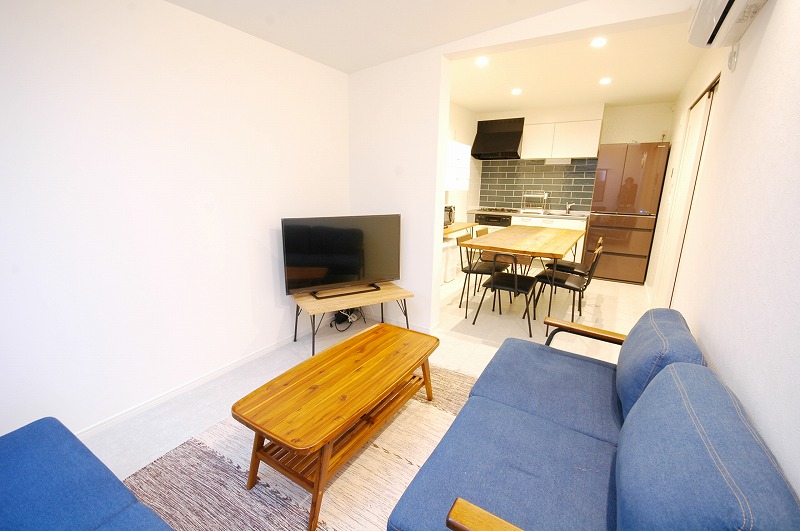
Borderless House Honkomagome1 is a new house located in the Ueno/Asakusa/Akihabara area of Tokyo, with ten private rooms! It is also very conveniently located to train lines such as the Tokyo Metro Namboku line and JR Yamanote loop line. These stations are within five minutes away. For anyone who works in areas like Ikebukuro or Shinjuku, a quick fifteen-minute train ride makes commuting very easy.

There is also a very convenient shopping area located not too far away from the house, with supermarkets, drug stores, and bookstores. This Yanaka-Sendagi neighborhood is full of history, once serving as a gateway to old Tokyo, Edo, along the Nakasendo Highway. Today there are also many houses that once served as residences for feudal lords.

One such historic location is the Rikugien Garden, located very nearby. Not only does this offer you a place to get away from the city at times and enjoy some greenery, you’ll also have a great front-row seat to the seasons changing, such as sakura in spring and autumn leaves in fall. Enjoy lovely walks with your roommates any time of year!

BORDERLESS HOUSE ROPPONGI1
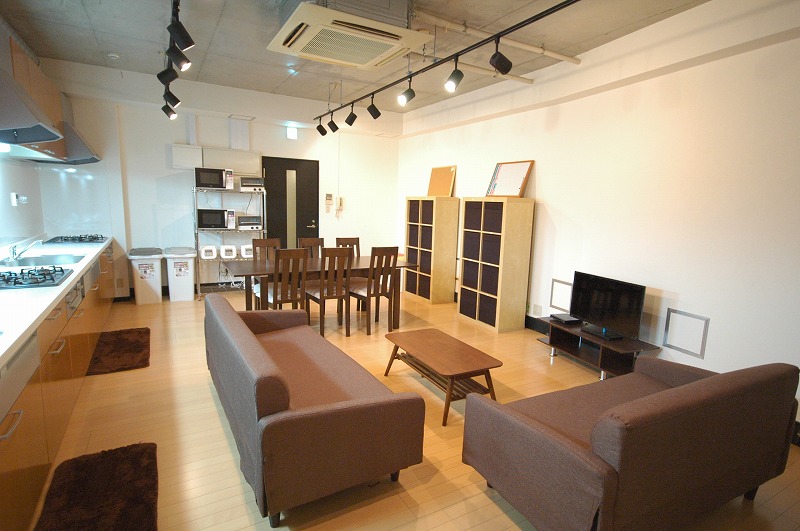
For those who really want to live right in the center of Tokyo’s exciting city life, Roppongi1 share house is a great choice! Roppongi is known for being a hotspot for new and exciting shopping, museums, and events.

Roppongi is called a city-within-a-city, because of the interconnectedness of its buildings. There are whole residential, shopping, and business areas around the station, full of stylish shops and cafes to explore. It’s also a great area for events like live music and nightlife, and Roppongi is famous for its stunning view of Tokyo city’s skyline.

The nearest station to the sharehouse is Roppongi station itself, meaning you’re right on the Toei Oedo and Metro Hibiya lines. Shibuya is 7 minutes away, and Shinjuku is only 9! It’s hard to beat that sort of convenience to the most lively areas of Tokyo.

Roppongi1 share house has sixteen private rooms, meaning there are plenty of opportunities to meet other people. The living area has a stylish kitchen and lots of space for hanging out with the rest of your share mates.

BORDERLESS HOUSE SHINAGAWA-OIMACHI2
Shinagawa is known for being a mostly business district, but for locals living in the area, there are a surprising number of unique things to do and see. If you like day trips, there are even direct trains to Yokohama, and Shinagawa is right on the Tokaido Shinkansen line, going directly to Kyoto and Osaka!

Borderless Shinagawa-Oimachi2 share house is located only a few minutes away from sights such as the Shinagawa Aquarium and Shinagawa Temple. The aquarium especially is popular for dates, and appears in many dramas!

There are also unique museums such as the Archi-Depot Museum, for anyone interested in architecture, and Senkakuji Temple is a historic testament to the famous story of the 47 ronin. This is an area rich with history.

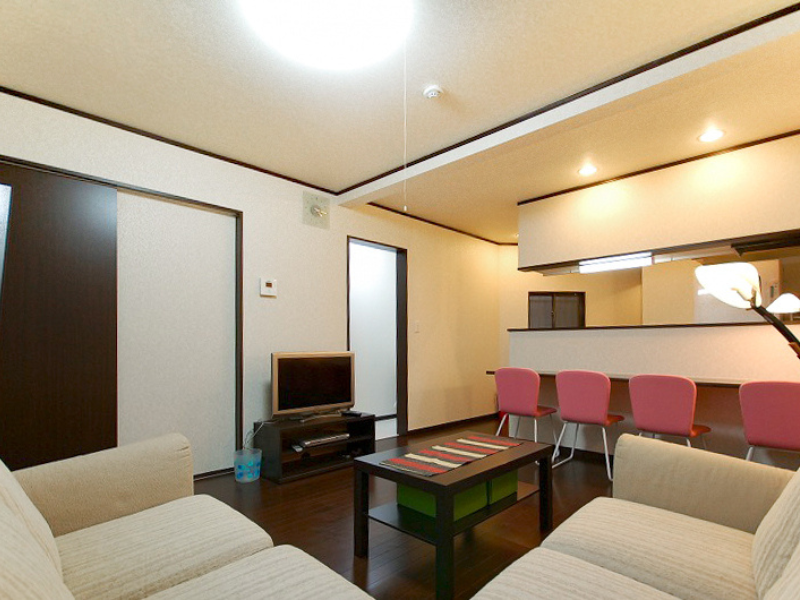
The sharehouse itself is located in a quiet neighborhood, without sacrificing convenience. Located close to a major train station like Shinagawa, it is very surprising to find rooms are so wide and spacious. Because the house has less than ten tenants, it’s a peaceful sharehouse that lets you grow close to your flatmates in a relaxed atmosphere. Enjoy the hominess of this house, and quiet chats in the comfy living room, while still having plenty of privacy in your own room.

BORDERLESS HOUSE KUGAHARA1
Kugahara Station is on the Tokyu Ikegami Line in Ota Ward, Tokyo. With direct access to Kamata in 8 minutes and Gotanda in 17 minutes, it is convenient for commuting.

Denenchofu, an upscale residential area, is located nearby, but Kugahara has the most reasonable rent in Ota Ward. It is a quiet residential area with excellent public safety, making it a safe place to live for both single people and families.

An old-fashioned shopping arcade stretches from in front of the station, and it is full of unique individual stores and convenient shopping for any of your daily needs, with supermarkets open until late no matter what time you arrive home. It is a town where you can relax when you come home without the noise of the city.

A short walk away is the natural beauty of the Tama River, creating a relaxing break from urban living whenever you need a little nature. Wide open spaces are hard to find in Tokyo proper, but at Kugahara you’ll find that’s not the case at all.

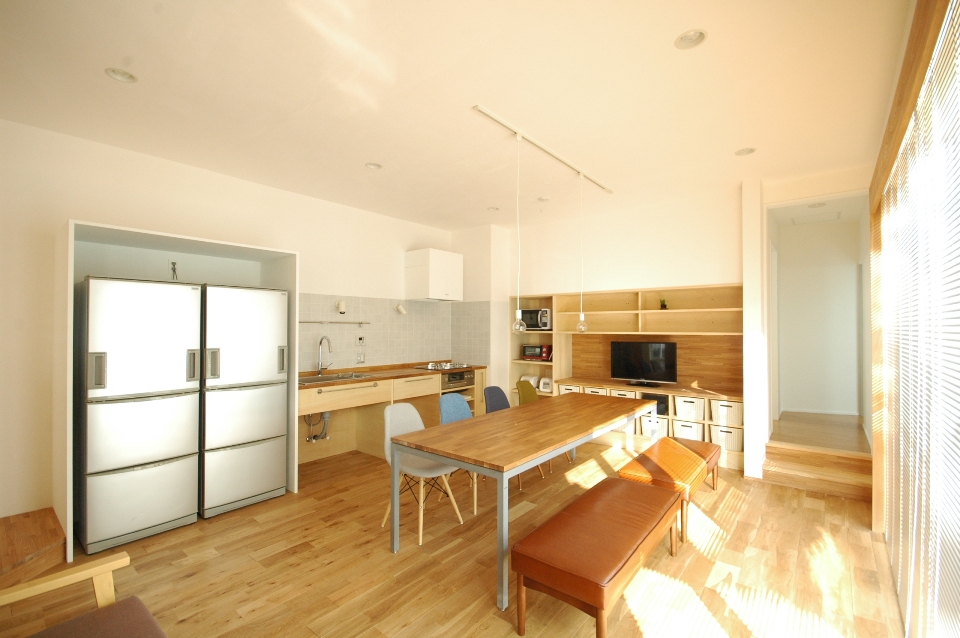
Borderless Kugahara share house has a lovely open concept, with lots of airy light and wood features. The rooms are also very wide and spacious, with very big windows and a wrap-around balcony.

BORDERLESS HOUSE KIKUKAWA1
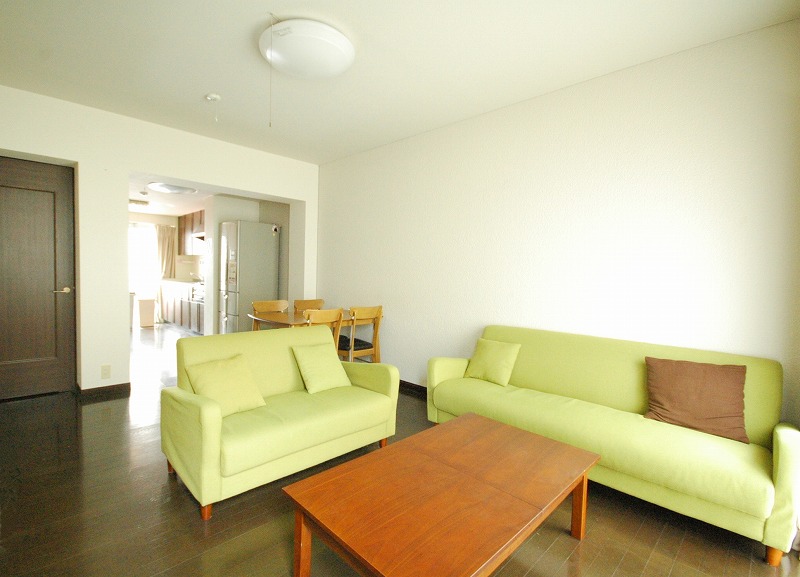
Kikukawa1 share house is located in a very popular area of Tokyo, with its location close to the famous Tokyo Sky Tree. With Asakusa only 6 minutes by foot and access to the Toei Shinjuku Line from Kikugawa station, you’ll always have places to go and things to do! Stores and restaurants are all very nearby, making it an extremely convenient location. Akihabara and Ueno can also be easily reached by bike.

Nearby attractions include the Museum of Contemporary Art and the Edo Tokyo Museum. It’s also very close to Ryogoku Kokukigan National Sumo arena! The Sumida and Otani rivers are also very nearby, meaning you have a few lovely quiet areas to hang out not too far away. The Sumida River is particularly famous in spring for cherry blossom viewing!

In spite of its convenience, the house itself is located in a quiet area and has a very cozy atmosphere. With only six tenants total, it’s a great choice for those who want to come back at the end of the day to a nice quiet house. There’s even a lovely rooftop balcony to hang out on the third floor. And then if you ever want to have a more lively get-together, there are two other sharehouses nearby, making it easy to meet up for more fun!

Lastly
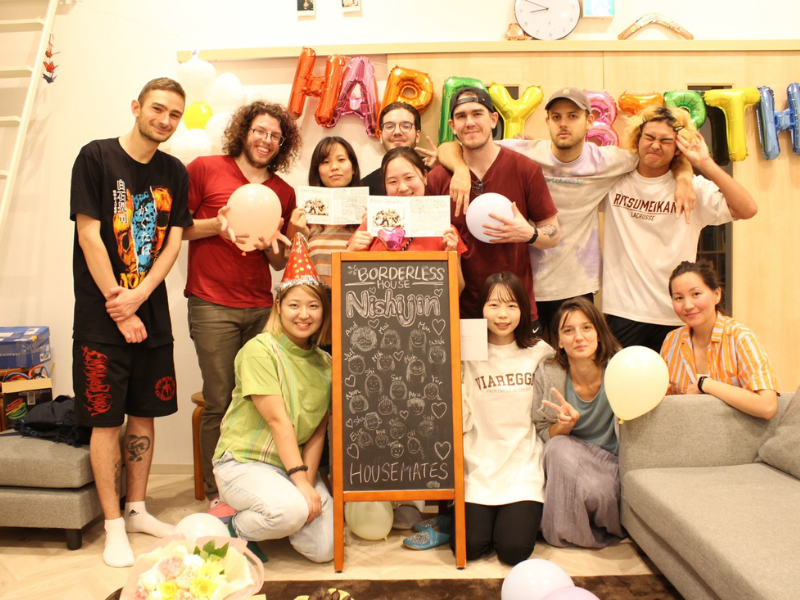
Sharehouses at their best give you the opportunity to live comfortably and conveniently, and also provide valuable opportunities to meet and talk with other people. Just like Tokyo is an incredibly varied metropolis with all manner of people and neighborhoods, Borderless House share houses are very varied as well! No matter what you prefer, there is certainly a house with the right personality for you. Contact us now and we can help you find the right match!

Is it a good idea for women to stay at a share house?

If this is your first time living with people you don’t know, and if you are a woman, you might be thinking “ Is it a good idea for me to live in a gender-mixed share house?” But meanwhile, as we all know – it is not so easy for a foreigner to rent a place in Japan, so a share house could be the easiest option.

To ease your concerns and worries about living in a share house as a girl. we would like to share some pros and cons of living in a share house from a women’s perspective!

We hope this article can help you to find a place where you feel safe and comfortable staying in Japan!

Benefits of women living in a share house

Security Side | It’s actually SAFER!

In terms of security, compared to living alone in an apartment, it’s safer to live in a share house with other people. Here are the reasons:
◆ There is a MUST screening process with all the tenants who book the room at BORDERLESS HOUSE, so you don’t need to worry about who your neighbors are and if your current or future neighbors would be nice people or not.
◆ There is clear and transparent information about all of your roommates! You can see their basic info and self-introduction on the webpage before booking the room!
◆ You’d have less possibility to be targeted by stalkers, burglars, or robbers if you are living in the sharehouse.

Make Besties | You can talk about anything with your roommates

If you need someone to give you advice or suggestions on fashion, costume, cosmetics, or even your love life, or if you simply just need someone to talk to, chat, or rant, there will always be girls for you!
◆ If you stay in a shared room. you can have more time to enjoy the conversations with your roommates. It’s easier to build bonds in your relationships, and your friendships would be tighter!
◆ You will never feel bored or lonely because you will always have someone who would be there for you, listen to you, and someone who would study, watch animes and go shopping with you!
◆ If you want to brush up on your Japanese, you have more chances to practice your language skills too!

If you are the kind of person who needs more space and time for yourself, you can keep decent privacy if you live in a private room, and you can enjoy fun social life at the same time in the common areas at a share house!

Things that need to be aware of when women living in a share house

At a gender-mixed share house, 2 things here you may already expect as well as you might need to keep in mind.

1. Men and women use a toilet and bathroom differently, so you can make some rules based on your mutual agreements with your housemates to avoid any issues.
2. It’s important to be considerate of others, so pay attention to what you wear, especially in the shared spaces, such as the kitchen and living room.

So we’d like to give you some tips if you are interested in living in a share house to prevent any stress or trouble:
◇ Establish rules together
◇ Be open to communicating anything with your housemates
◇ Be careful not to interfere much in each other’s private spaces

I hope this article solves your concerns, and if you have any further questions or would like to know more about living in a share house as a girl, please feel free to check our tenants’ interview from BORDERLESS HOUSE OSAKA-TSURUHASHI1 below:

Of course, feel free to CONTACT US, so we can answer all your questions ☺

Check available rooms for girls ▶▶▶
SANGEN-JAYA1 share house
• ITABASHI-KUYAKUSHOMAE1 share house
• NIHOMBASHI1 share house
• SHINAGAWA-TOGOSHI3 share hose

*Please note, that the rooms might be booked by others at any time.

Language Exchange|How should I prepare for Language Exchange and practice speaking?

Do you want to practice your speaking skills for free through “Language Exchange” and meet new foreign friends, but don’t know where to start preparing? Or have you tried “Language Exchange” before, but after encountering some difficulties in the process, and you just left it at that?

Then this article on language exchange prep will help you a lot!

What is Language Exchange?

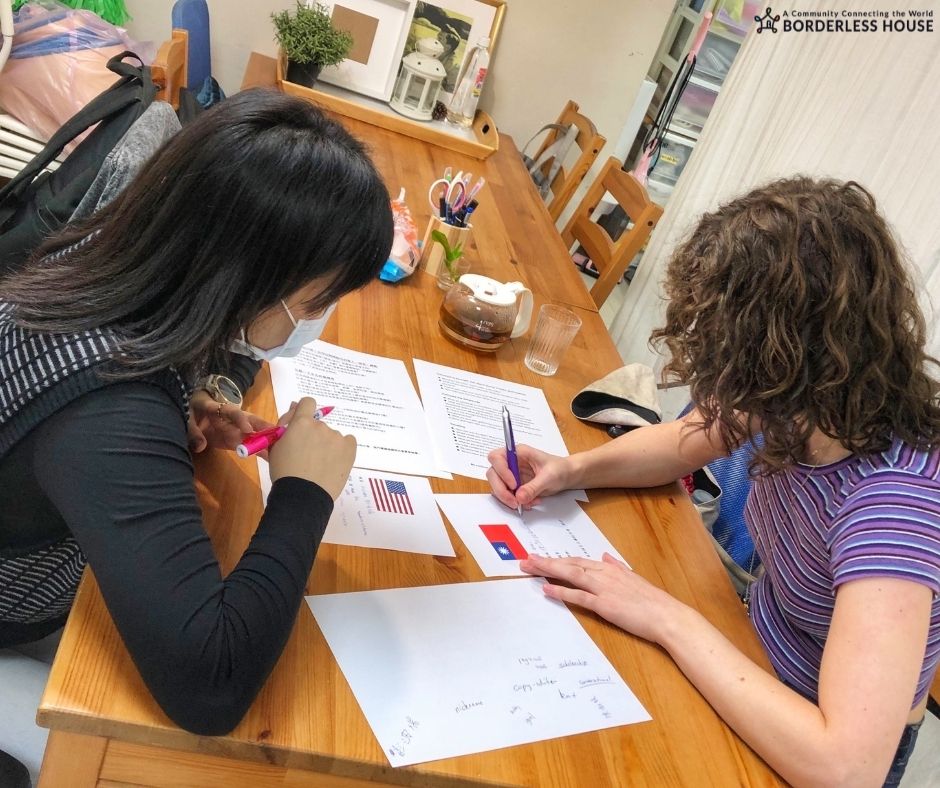
Language Exchange is a reciprocal activity in which you practice the language that you are learning by chatting with a native speaker or someone who is fluent in that language. In addition, to quickly improve your speaking skills, you can also learn cultural knowledge not found in textbooks and make new friends, which is a great way to kill two birds with one stone.

Am I a good candidate for language exchange?

When you want to practice a language through Language Exchange, here are some tips you can check to see if you are a good candidate.

1) What is your purpose? Do you really want to practice the language? Or do you just want to meet foreign friends?

Because Language Exchange is not mandatory, there must be a strong motivation to learn each other’s language in order to be sustainable.

2) How is your language ability?

Usually, I suggest that it is better to have at least a daily conversation level, so that you can correct and improve your speech step by step during the conversation. Otherwise, it is easy to keep speaking only one language with each other.

3) Do you like to interact with people?

In fact, Language Exchange is also a kind of meeting internet friend activity, whether online or face-to-face, the first meeting will inevitably be awkward. So before participating in Language Exchange, you can ask yourself, do you want to meet a new stranger? Will you be curious about your partner?

What to prepare before Language Exchange?

The preparation content will vary depending on the length of time you work with your language partner, and is divided into early and late stages:

Early-stage

1) Confirm meeting time and language appointment (1 hour of full Chinese conversation, 1 hour of full foreign language conversation). And set an alarm before you start so that you don’t forget to change the language when you’re having too much fun conversation.

2) Usually, the first meeting is just about introducing yourself, why are you learning this language? What are your hobbies? Where have you traveled to? What kind of music do you prefer? Basically, it’s the same as a blind date, in the process of talking to each other to find out what you have in common and whether we have a mutual connection because this part will also affect the subsequent contact.

Late-stage

When you get to know your partner better, you will gradually start to run out of topics to talk about, so it is very important to prepare some beforehand.

1) Note down any problems of language learning that you have, such as being unsure how to translate a sentence or whether there is a more authentic way to say it. You can also bring your own textbooks or assignments and discuss your questions together.

2) If you have a grammatical problem, try not to ask a native speaker, because they usually don’t know how to explain it, either. Unless the partner major in linguistics, otherwise a lot of time will be wasted trying to explain grammar.

3) Share something interesting that happened recently, or any interesting articles, news, videos, cultural differences or interesting topics to discuss. It is better to have questions with a little depth, such as environmental protection or social issues, so that you can practice expressing your own ideas, and hear the results of your partner’s opinions from different perspectives.

4) Write an exchange diary! Language Exchange is not only to practice speaking, writing is also a very important part of it. You can write a short article about your reading experience or a movie afterthought. Gradually your writing skills will be greatly improved without you even realizing it!

5) Let’s hang out together! Hiking, movies, museums, whatever you and your friends like to do, invite your language partner to go with you as well! Since you’re going out together, you don’t have to be too strict about which language you speak for how long, so just switch between them! Be flexible!

6) Register for the language test and get certified! You can practice for the content of the exam, with specific topics and sentence patterns. When you are under pressure, you will be more prepared for each Language Exchange!

What should I pay attention to during Language Exchange?

1) When introducing to each other, observe the language level of your partner and adjust your speaking speed according to the language level, pronouncing your words as clearly and standardly as possible.

2) When practicing the language, instead of expressing yourself in your native language, ask more questions so that your partner can answer his/her thoughts more often. For example: Why? What do you think? What would you do?…etc. Try to use these questions often.

3) Use the cloud notepad to record words or sentences during the meeting, so that you can easily re-read them afterward.

Where can I find a Language Exchange partner?

Nowadays there are many ways to find language exchange partners, through mobile apps, websites, or by staying in a multicultural share house.

APP& Website recommendation:

1) Hello Talk: You can send texts, voice messages, voice calling, and video calling, and you can also help each other fix sentences, translate, and other auxiliary functions. You can also upload pictures and short articles. The overall function is very similar to Instagram.

2) Tandem: It is very similar to the function of HelloTalk, except that this app will actively send the notification about the info of other members to increase the chance of matching.

3) HiNative: It is a Q&A platform where you can ask questions about grammar, wording differences, or articles, and there are usually enthusiastic answers from native speakers.

4) BORDERLESS HOUSE: It is a multicultural share house with locals and they also organize a variety of events and provide free Language Exchange opportunities from time to time.

BORDERLESS HOUSE is an international, multicultural share house with locals. There are 17 houses in Taipei City and overseas branches in Tokyo, Osaka(Japan), and Seoul(South Korea).