Borderless House Event | Explore Taiwan’s Hidden Trails: Sandiaoling Hike

The rich natural environment around Taipei provides a perfect setting for hiking. This time, we chose the Sandiaoling Trail, famed for its spectacular waterfalls.

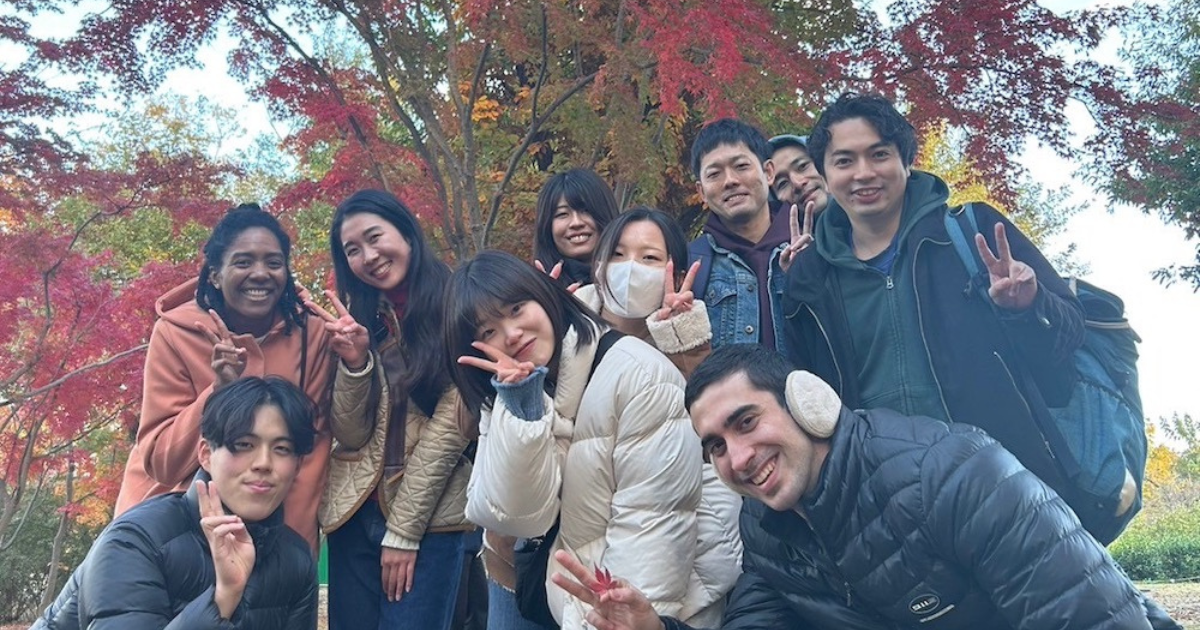
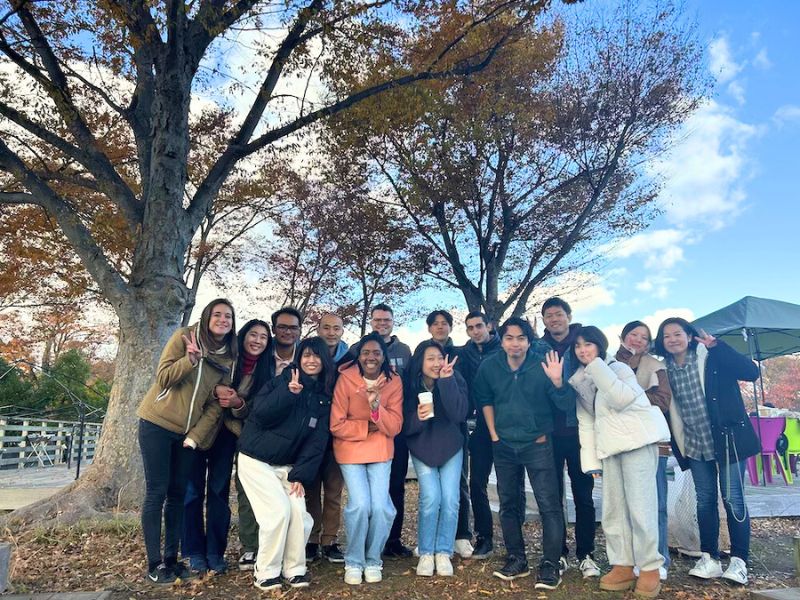
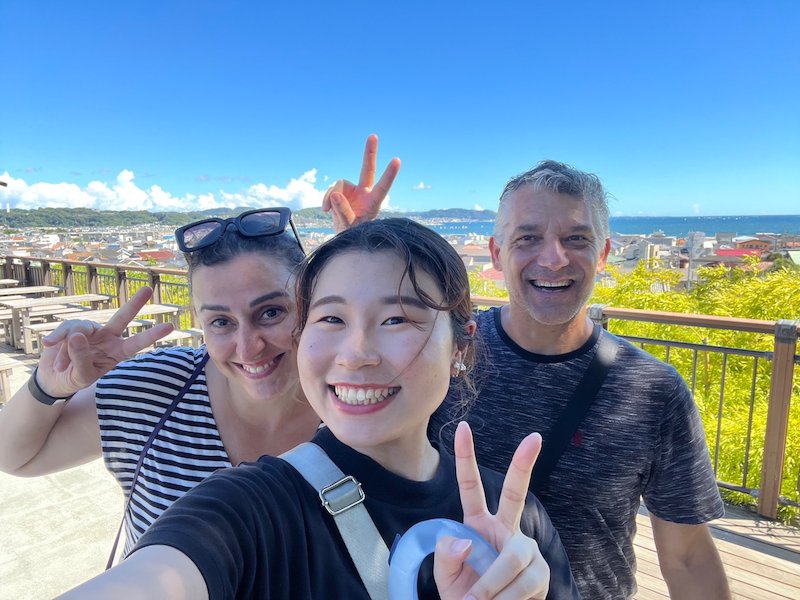
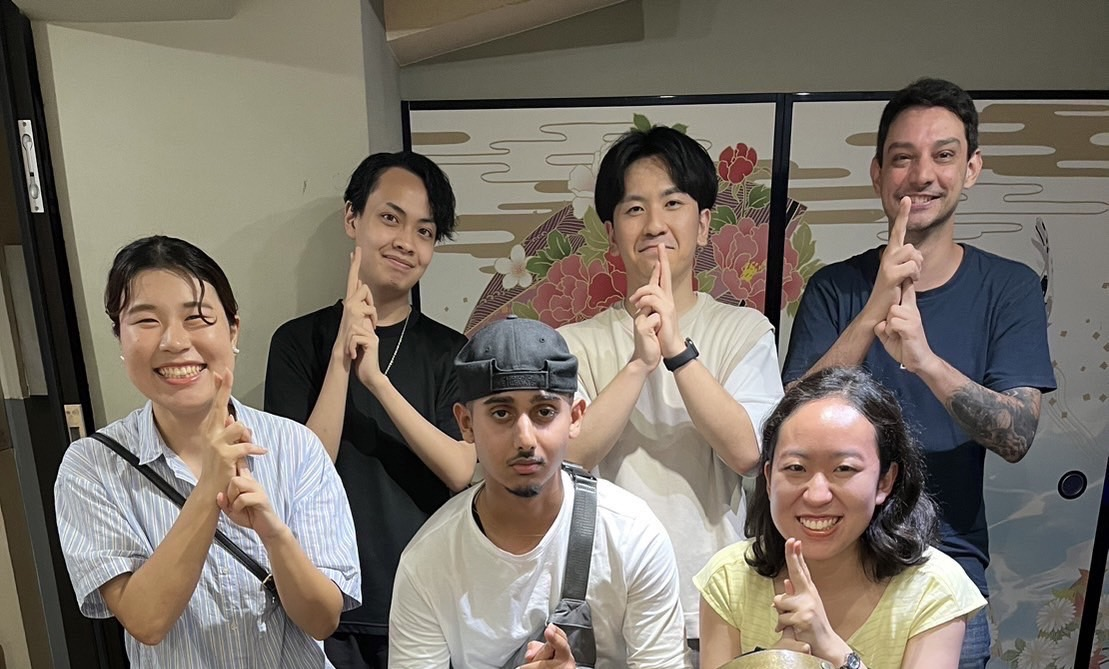
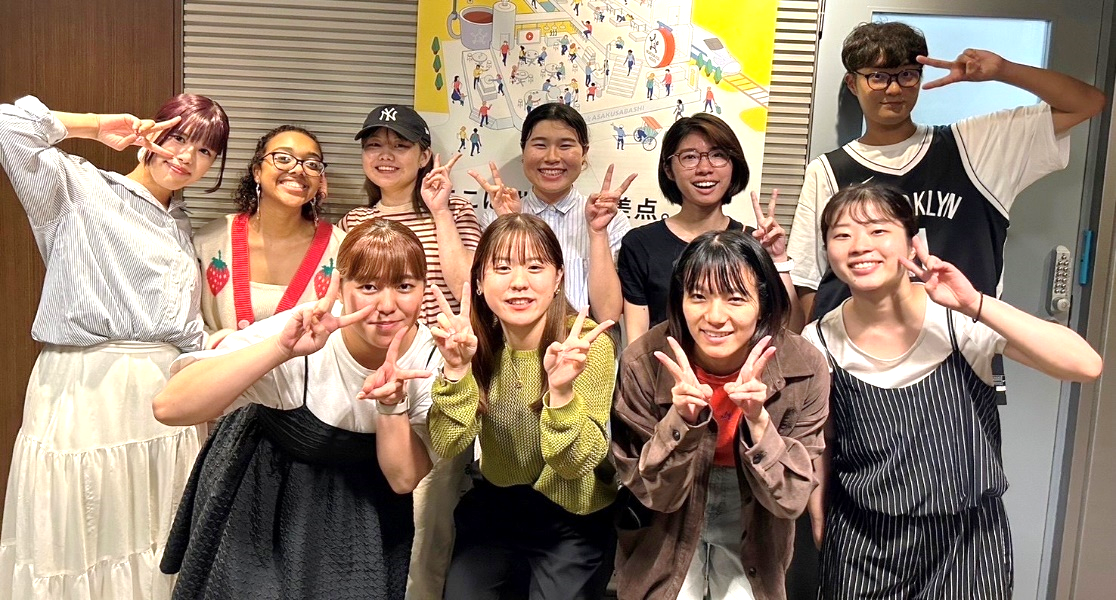
More than 20 tenants from BORDERLESS HOUSE share houses joined this event, coming together to explore and bond through a shared love for nature. The hike allowed us to not only appreciate Taiwan’s stunning landscapes but also engage in meaningful cultural exchanges, making it a memorable experience for everyone living in a share house community.

Now, let’s begin our journey from Sandiaoling Station, and dive into the beauty of this ancient trail with its magnificent waterfalls and tranquil environment!

The Waterfall Journey: Hegu, Motian, and Pipa Cave Waterfalls

The first stop was Hegu Waterfall, standing 15 meters tall, gracefully flowing through the dense forest. It’s the only waterfall we couldn’t get close to, but an observation deck nearby provided a fantastic view.

Continuing along the trail for another 20 minutes, we arrived at Motian Waterfall. Taller and more dramatic than Hegu, Motian’s powerful stream crashes down like a curtain of silver. The pool and rocks at its base enhance its majestic feel. Some of our share house tenants took a break here, cooling off in the fresh waters, while others enjoyed capturing beautiful photos from the viewpoint.

We then ascended to our final stop, Pipa Cave Waterfall, perched at the highest point of the trail. Water cascades down from a cave in the cliffside, with the sound reverberating through the valley, creating a mystical atmosphere. We stayed for about an hour and a half, enjoying lunch and the tranquility. A group photo sealed the memory of this shared experience.

Let’s top off this unforgettable journey with shaved ice!

To top off the day, we indulged in shaved ice from a local shop near the station. Even though it was a dry season and the waterfalls weren’t at their fullest, the beauty and tranquility of Sandiaoling left us in awe. This hike allowed us to connect more deeply with Taiwan’s nature and brought BORDERLESS HOUSE tenants closer together. We’re already looking forward to the next adventure!

Ready to experience the beauty of Taiwan’s hidden gems while making lifelong connections? Join us on our next adventure and explore Taiwan’s stunning landscapes with the BORDERLESS HOUSE community!

Whether you’re looking to connect with nature or meet new people, our share houses in Taiwan offer the perfect blend of community and adventure. Click here to explore our share houses in Taiwan and start your journey today✨!

A Guide to Japan’s Most Welcoming Cities for Foreign Residents

Japan is a beautiful country that attracts many people from around the world. With its rich culture, delicious food, and friendly locals, it’s no wonder that many foreigners choose to live here. However, finding the right city to call home is very important for a smooth and happy transition.

Each city in Japan has its own unique charm and lifestyle, so it’s essential to choose one that fits your needs. In this guide, we will explore some of the most welcoming cities for foreign residents, helping you find the perfect place to start your adventure in Japan!

Tokyo: The Metropolis of Opportunities

Tokyo is a bustling city that offers endless possibilities for foreign residents. As Japan’s capital, it’s a melting pot of cultures and a hub for international business. Let’s explore what makes Tokyo special for foreigners:

>Key Neighborhoods for Expats
Many foreign residents choose to live in areas like Shibuya-ku, Shibuya-ku, Minato-ku, Meguro-ku, and Ikebukuro area. These neighborhoods are popular because they have:
◆ Many foreign embassies
◆ Shops and restaurants that cater to English speakers
◆ Many International schools or Japanese language schools, such as KAI Japanese Language SchoolISI Japanese Language SchoolTokyo International Japanese School

Advantages of Living in Tokyo
⭐Job Opportunities: Tokyo is home to many international companies, offering great career prospects.
⭐Cultural Diversity: You’ll meet people from all over the world here.
⭐Convenient Amenities: From efficient public transport to 24-hour convenience stores, Tokyo has it all.

Challenges to Consider
⚡High Cost of Living: Tokyo can be expensive, especially in popular expat areas.
⚡Language Barriers: While many places cater to English speakers, learning some Japanese can be helpful.

Despite these challenges, Tokyo’s vibrant atmosphere and endless opportunities make it an exciting place for foreign residents to call home!

Kyoto: The Cultural Heart of Japan

Kyoto is often called the cultural heart of Japan, known for its stunning temples, beautiful gardens, and rich history. Once the capital of Japan, this city is a treasure trove of traditional Japanese culture, making it an ideal place for foreign residents who want to experience life in a more serene and historic setting.

Key Neighborhoods for Expats 
◆ Gion: Famous for its traditional teahouses and geisha culture.
◆ Arashiyama: Known for its picturesque bamboo grove and peaceful environment.
◆ Kita-ku: Offers a mix of modern amenities and historic ambiance.

Advantages of Living in Kyoto
⭐Cultural Richness: Experience Japan’s traditional festivals, historic temples, and gardens.
⭐Quieter Lifestyle: Enjoy a slower pace of life compared to bustling cities like Tokyo.
⭐Community Engagement: Join local groups and activities to immerse yourself in Kyoto’s culture.

Challenges to Consider
⚡Language Barrier: While many locals are welcoming, knowing some Japanese can enhance your experience.
⚡Fewer Job Opportunities: Compared to Tokyo, Kyoto has fewer international business hubs.

Living in Kyoto Kyoto provides a variety of accommodation options, from charming share houses to modern apartments. Its neighborhoods offer a mix of affordability and traditional Japanese atmosphere, making it a great choice for those seeking a peaceful yet culturally rich environment.

Osaka: The Culinary Capital

Osaka is renowned for its vibrant food scene and lively atmosphere, often celebrated as Japan’s culinary capital. This energetic city provides a unique blend of flavors and experiences, making it a great choice for foreign residents who enjoy food and socializing.

Key Neighborhoods for Expats 
◆ Namba: Known for its bustling nightlife and shopping districts.
◆ Shinsaibashi: Famous for its shopping streets and diverse dining options.
◆ Umeda: Offers a mix of modern amenities and convenient access to transportation.

Advantages of Living in Osaka
⭐Lower Cost of Living: Osaka is approximately 30% cheaper than Tokyo, making it a more affordable choice for many foreign residents.
⭐Vibrant Atmosphere: Enjoy a lively city environment with plenty of bars, theaters, and entertainment venues.
⭐Culinary Delights: From street food to high-end dining, Osaka offers a wide array of culinary experiences.

Challenges to Consider
⚡ Language Barrier: While many places have English signage, knowing some Japanese can enhance your experience.
⚡Fast-Paced Environment: The city’s energetic vibe may not suit everyone, especially those seeking a quieter lifestyle.

Living in Osaka Osaka offers affordable share houses and modern apartments. The city’s neighborhoods provide a lively atmosphere with easy access to local amenities and social activities, making it an appealing destination for those who enjoy a bustling urban lifestyle.

Sendai: The City of Trees

Sendai, known as the “City of Trees,” beautifully blends natural beauty with urban living. Nestled between mountains and the Pacific Ocean, this welcoming city offers a serene environment, ideal for foreign residents seeking a relaxed lifestyle amidst greenery.

Key Neighborhoods for Expats Popular areas in Sendai include:
◆ Dainohara: A charming area with a blend of traditional and modern amenities, known for its local shops and community atmosphere.
◆ Tohoku University Area: Close to the prestigious Tohoku University, this neighborhood is popular among students and academics, offering convenient access to educational facilities and a vibrant academic community.

Advantages of Living in Sendai
⭐Affordability: Sendai has a lower cost of living compared to major cities like Tokyo, making it easier to find affordable housing.
⭐Community Spirit: The city is renowned for its friendly locals and strong community bonds.
⭐Natural Beauty: Enjoy outdoor activities like hiking and river walks, with stunning landscapes all around.

Cultural and Social Opportunities

Sendai hosts numerous local festivals and events throughout the year, such as:
⚡ Sendai Tanabata Festival: Features colorful decorations and lively street celebrations.
Pageant of Starlight: Illuminates the winter nights with beautiful light displays.

These events provide excellent opportunities for foreign residentsto connect with the community and experience Japanese culture. Living in Sendai allows you to enjoy its natural beauty while actively participating in its vibrant local traditions.

Want to know more about what it’s like to live in Sendai? Don’t miss our Sendai Area overview!

Conclusion

This guide covers four of Japan’s most welcoming cities for foreign residents:

▶ Tokyo: Offers endless opportunities and vibrant diversity.
 Kyoto: Provides a serene, traditional lifestyle.
▶ Osaka: Known for its lively atmosphere and amazing food.
▶ Sendai: Combines natural beauty with a strong community spirit.

Each city has its unique charm and lifestyle. When choosing where to live, consider what matters most to you—whether it’s job prospects, cultural experiences, affordability, or a friendly community.

Embracing life in Japan can be a rewarding adventure full of new friendships and cultural discoveries. No matter where you settle, you’re sure to enjoy a fulfilling expat experience. Welcome to your new home!

Top 5 MUST-KNOW Tips for a Smooth Move to Japan

Moving to Japan was one of the most exciting and challenging times of my life. I felt thrilled about my new adventure but also nervous about the unknown. From getting my visa to finding a place to live, there were many obstacles.

Through trial and error, I learned valuable lessons that made my move smoother. These tips come from my own experience to help you avoid common problems and have an easy move to Japan.

Tip 1. Do Your Research and Plan Thoroughly

When I first decided to move to Japan, I felt overwhelmed by all the information. But, by researching cultural norms and neighborhoods, I avoided many common problems. For example, I found out which areas were more foreigner-friendly and learned about Japan’s unique rental processes, which helped me avoid last-minute surprises.

Actionable Steps

Creating a detailed checklist and timeline was a game-changer for me. Here’s how you can do it too:

Start Early: Begin your research at least six months before your planned move date.
Break Down Tasks: Divide your checklist into monthly, weekly, and daily tasks. This could include booking flights, packing, notifying your current landlord, and setting up utilities in Japan.
Use Tools: Utilize digital tools and apps to keep track of your tasks and deadlines. Tools like Google Spreadsheet or a simple Excel sheet can be very helpful.

Budgeting

Managing finances is crucial for a smooth move. Here are some tips that worked for me:

Estimate Costs: Make a list of all possible expenses, including visa fees, airfare, initial accommodation, and everyday expenses like groceries and transportation.
Save Early: Start saving as soon as possible. Having a financial cushion can ease the transition.

Tip 2. Get Your Visa and Paperwork Sorted Early

Applying for my visa was a crucial step, but it wasn’t without challenges. I encountered delays because I didn’t have all the required documents ready. Learning from this, I realized how important it is to start the process early and double-check everything.

Step-by-Step Guide

Here’s how you can make your visa application smoother:

1. Choose the Right Visa: Determine the type of visa you need (work, student, etc.).
2. Gather Documents: Collect all necessary documents, such as your passport, visa application form, and any supporting documents like job offer letters or school acceptance letters.
3. Submit Your Application: Apply at your nearest Japanese embassy or consulate. Ensure all forms are correctly filled out.
4. Follow-Up: Keep track of your application status and follow up if needed.

Document Preparation

Check Requirements: Verify the specific document requirements for your visa type.
Translate Documents: If required, have your documents translated into Japanese by a certified translator.
Make Copies: Keep copies of all important documents and store them safely.

Tip 3. Find Comfortable and Convenient Accommodation

I explored various options, from private studios, and co-living apartments to share houses. Each option had its pros and cons, but finding the right fit made my transition much smoother.

Housing Options

Private Studios:
Pros: Privacy, ability to personalize your space, stability.
Cons: Higher cost, more paperwork, longer commitments.

Co-Living Apartments:
Pros: Social environment, shared amenities,slightly lower cost than studios.
Cons: Shared spaces, the potential for noise, less control over the living environment.

Share Houses:
Pros: Affordable, social environment, ready-to-move-in, less paperwork.
Cons: Less privacy, shared spaces, shared responsibilities for cleaning and maintenance.

Each of these options can be suitable depending on personal preferences and needs. Some may prefer the privacy and stability of a private studio, while others might enjoy the social aspects of co-living apartments or share houses.

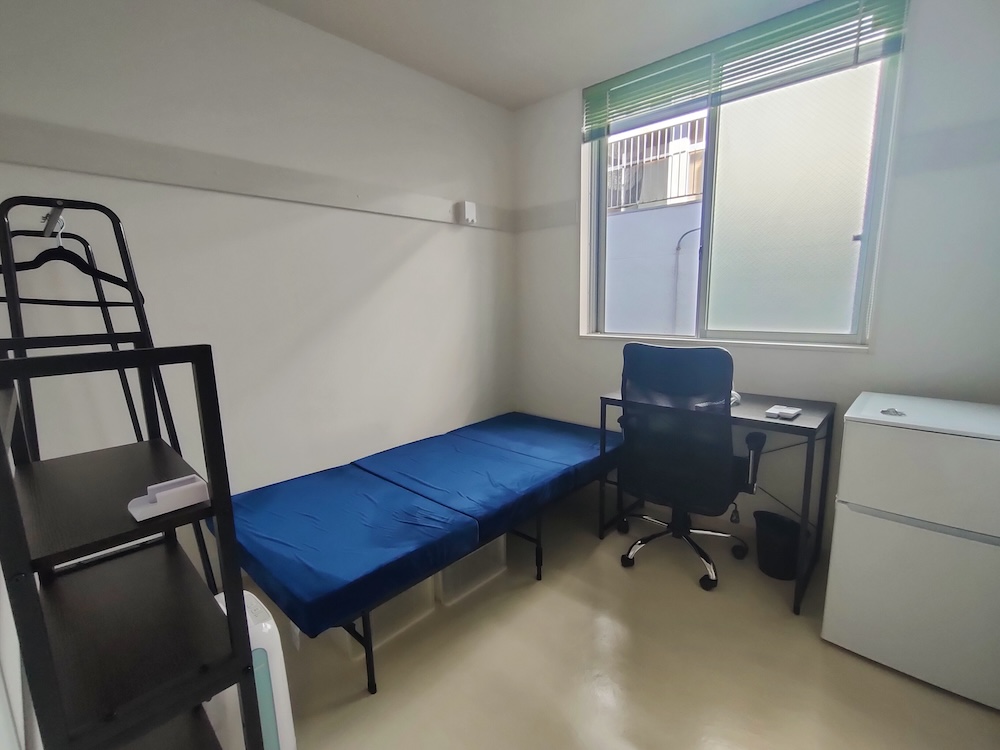
If you are looking for somewhere to live with locals to improve your Japanese and immerse yourself in the culture, I recommend BORDERLESS HOUSE. You can easily book a room overseas. It has some benefits:

Community: Easy to make friends and build a social network in Japan.
Convenience: Fully furnished rooms, utilities included, and flexible lease terms.
Support: Skype calls with the staff when booking your room; they will solve your concerns and answer all your questions.

My experience with BORDERLESS HOUSE was positive. The supportive community and convenient setup made my initial days in Japan much easier.

Tip 4. Learn Basic Japanese

Learning basic Japanese phrases made my daily life in Japan much easier. Simple greetings and expressions like “hello,” “thank you,” and “excuse me” helped me navigate public spaces, shop at local markets, and interact with neighbors. It also showed locals that I was making an effort to integrate, which was appreciated and often met with kindness and patience.

Language Resources

Here are some effective ways to learn Japanese:

Language Apps: Apps like Duolingo offers interactive and easy-to-follow lessons for beginners.
Online Courses: Websites like Udemy, Coursera, and JapanesePod101 provide structured courses that cover basic to advanced levels.
YouTube Channels: Channels like Japanese Ammo with Misa and That Japanese Man Yuta offer free lessons on vocabulary, grammar, and pronunciation.
Language Exchange: Apps like HelloTalk and Tandem connect you with native Japanese speakers for language exchange, allowing you to practice speaking and listening.
Books: Textbooks like “Genki” and “Minna no Nihongo” are great for structured learning and come with exercises and CDs for listening practice.

Tip 5. Prepare for Daily Life Essentials

From figuring out the public transportation system to setting up a bank account, there were many new things to learn. Initially, it felt overwhelming, but with a bit of preparation and patience, I was able to navigate these essentials smoothly.

Public Transportation

Japan’s public transportation system is known for its efficiency and punctuality. Here are some tips to help you get around:

Get a Suica or Pasmo Card: These rechargeable cards can be used on trains, buses, and even at some shops and vending machines. They save time and make traveling easier. You can download them on your smartphone or watch too,
Learn Key Routes: Familiarize yourself with the main train and subway lines you’ll be using daily. Apps like Hyperdia and Google Maps can help you plan your routes and check schedules.
Understand Etiquette: Be aware of public transportation etiquette, such as queuing for trains, not talking on the phone, and giving priority seats to those in need.

Banking and Finances

Here’s how to get started:

Choose a Bank: Some popular banks for foreigners include Shinsei Bank and Japan Post Bank. They offer services in English and have branches nationwide.
Required Documents: Prepare your residence card, passport, and possibly your personal seal (hanko) for the account opening process.
Online Banking: Many banks offer online banking services, which can make managing your finances more convenient.
ATMs and Cash: Japan is still a largely cash-based society. Learn how to use ATMs, which often have English options, and always carry some cash for small purchases.

Conclusion

Moving to Japan is an exciting adventure, but it comes with its challenges. By taking proactive steps like thorough research, getting your visa and paperwork sorted early, finding the right accommodation, learning basic Japanese, and preparing for daily life essentials, you can make your transition smoother and more enjoyable.

Remember, every step you take brings you closer to feeling at home in Japan. Embrace the journey and the learning experiences along the way.

作家・生活史研究家の阿古真理さん著の書籍にて国際交流シェアハウス・ボーダレスハウスのシェアキッチンが紹介されました

書籍『日本の台所とキッチン 一〇〇年物語』

2024年6月27日発売の新刊『日本の台所とキッチン 一〇〇年物語』(平凡社)にて、ボーダレスハウス株式会社が運営する国際交流シェアハウス・ボーダレスハウス「BORDERLESS HOUSE 上野田端3」のシェアキッチンを紹介いただきました。著者である阿古真理さんは、作家で、生活史研究家として、主に、食を中心にした暮らしの歴史とトレンドを発信されています。

「暮らしながら、世界とつながる。」をコンセプトに、日本(東京・関西)で外国人と国際交流ができるシェアハウスを運営するボーダレスハウスは、79ハウス、1108ルームを管理・運営しています。

社員寮をリノベーションした物件である「BORDERLESS HOUSE 上野田端3」は、35畳の広々とした共用ラウンジがあり、シアター設備が付属、キッチンでは多国籍の入居者と食を通じた文化交流も行われています。

ボーダレスハウスは今後も、人種や国籍に関係なく、お互いのルーツや文化をリスペクトし合える差別偏見のない多文化共生社会の実現を目指し、相互理解を深めあえる国際交流の機会を提供していきます。

ソーシャルビジネス業界で働く社会人に聞いた!大学生時代にやっておくべき経験3選

大学生として過ごす期間は4年、多くても8年ほどといわれています。長期休暇も多く時間割も自分で決定できるので自由度が高く、大学以外の課外活動などに力を入れる人も見受けられます。そんな貴重な大学生期間に、今しかできない特別な体験をして、自己成長につなげたいと考えている人もいるのではないでしょうか。

この記事では、社会問題をビジネスで解決するソーシャルビジネスのリードカンパニーである株式会社ボーダレス・ジャパンのグループ企業として、差別や偏見のない多文化共生社会の実現を目指すボーダレスハウス株式会社で働く社会人に聞いた「大学生時代にやっておくべき経験」を3つご紹介!ビジネスを通じた社会課題の解決を目指す本業界で日々活躍している先輩社会人の方にアンケートを取り、大学生時代どんなことを経験してきたのか、ランキング形式でお伝えします!

目次

なぜ「大学生時代」が貴重視されるのか

なぜ「大学生時代」が貴重視されるのか

現役大学生の方には、「なぜ大学生時代がこんなにも貴重視されるのか」と素朴な疑問を抱く方もいるかもしれません。大学生時代が貴重だといわれる理由は、一般的に以下のものが挙げられます。

1. 1ヶ月以上続く長期休みがあり、自由に使える時間が多いから
2. 就職や社会人となる直前のタイミングであり、将来の道筋が決める時期だから
3. 大学の図書館や施設など、充実した設備を利用できる立場だから

大学生も知っておきたい!ソーシャルビジネス業界って?

そもそも、ソーシャルビジネス業界とはどのような業界なのでしょうか?
ソーシャルビジネスカンパニー「ボーダレス・ジャパン」の記事によると、ソーシャルビジネスとは社会問題解決を目的とした事業で、その領域は貧困や差別、環境問題など、多岐にわたるといいます。

株式会社学情による2025年卒予定の大学生を対象にしたアンケートでは、「仕事選びにおいて、社会課題の解決に貢献できるか意識する」と回答した割合は7割以上に達しています。今後就職活動を控えている大学生の皆さんには、社会貢献をしながらやりがいを感じて働けるソーシャルビジネス業界の先輩社会人の声は、たくさんの気づきを与えてくれるでしょう。

大学生時代にやっておくべき経験3選!

それでは早速、ソーシャルビジネス業界で働くボーダレスハウス株式会社の社員に聞いた、大学生時代にやっておくべき経験を紹介していきましょう!投票数の多かった順に、ランキング形式でまとめています。

第1位:旅行

ボーダレスハウスの調査によると、大学生時代にオススメしたい経験として最も回答が多かったのが「旅行」。50%以上の方が旅行をしており、国内・海外ともに、大学生のうちにあらゆる場所を旅行しておいてよかったと感じている人が多い結果となりました。

【20代男性】

国内でも国外でも、知らない土地、知らない人に会うこと、それだけでもすごい発見があると思います!視野が広がるのはもちろん、好きな土地・人・苦手な場所・人など、自分自身の理解も深まりました。

【40代女性】

時間がとりやすいのは、大学生のうちが圧倒的!世界を見ることで自分の価値観が覆され、世の中を見る目線も変わるとてもいい経験ができると思います。

第2位:留学

旅行に続き、大学生のやっておくべき経験として回答が多かったのは、「留学」。社会人になると数週間・数ヶ月単位の長期休暇が取りづらくなることもあり、大学生のうちに海外で暮らしながら学ぶ経験をした方がよいと考える方が多かったようです。また、留学での経験が将来のキャリア選択にいい影響を与えたと答えた人も見られました。

【30代女性】

住み慣れた日本を離れ、海外に生活圏を移すことで、自分がマイノリティになる環境に身を置くことができます。立場の違う暮らしを経験することで、新たな気付きや学びをたくさん得ることができるはず。

【30代男性】

自分の世界観が広がり、さまざまな選択肢を増やすことができるから。就職の軸や、そもそもいつ就職するかなど、将来のキャリア選択について新しい視点を持って考えられるいいきっかけになります。

第3位:インターン

ソーシャルビジネス業界の社会人に聞いた、大学生時代にやっておくべき経験の第3位にランクインしたのは、「インターン」の経験。就職活動前にインターンの経験を積んでおきたいと考える大学生の方も多いのではないでしょうか。大学生時代にインターンをしておくべきだと考える先輩社会人の方も多いようです。
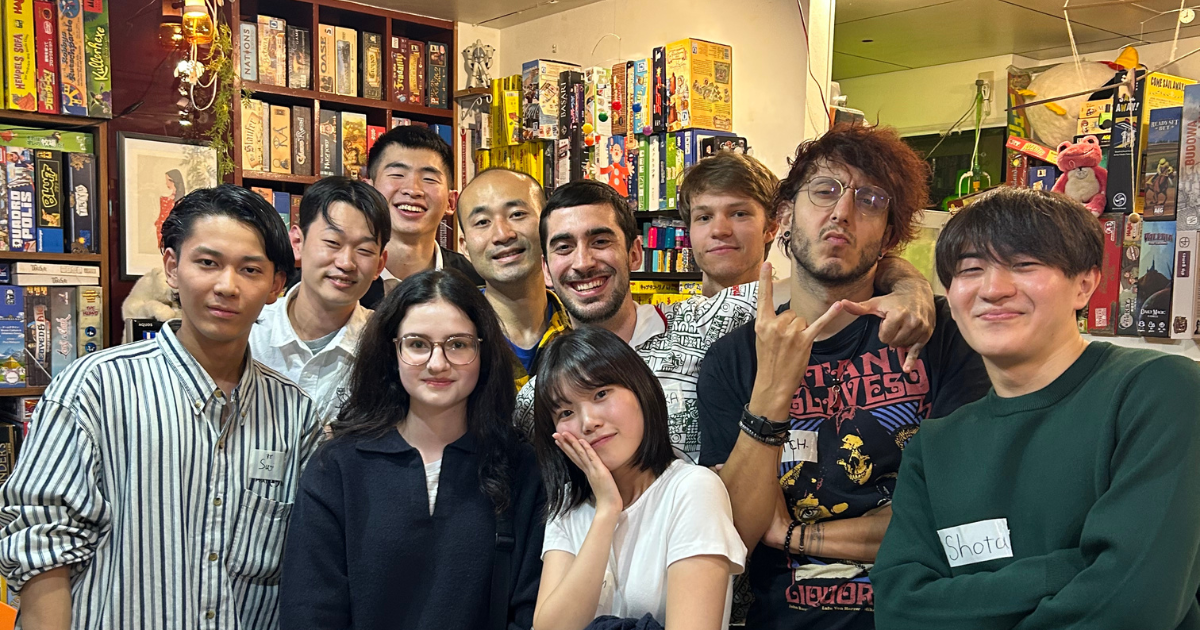
【40代女性】

インターンはこれまで学生という(親や学校から)守られている立場から抜け出て、大学やそれまでの人生で教わってこなかった”社会の掟”を知ることができると思います。いろいろな環境・文化でどんどん学び吸収していって、どこにいってもくじけない強さをインターンで身に着けると、その後のキャリアが生きやすくなると思います。
【20代女性】

社会の一部としての自分という感覚を得られました。私は海外でアルバイト&インターンを経験したのでなおさら、現地の大人の働き方がわかったり、企業の一員としての責任感を強く感じました。
人との出会い、自己理解……まだまだある大学生時代にやっておきたい経験

他にも以下のような回答がありました。大学生時代は、さまざまな人との出会いでコミュニティを広げ、同時に自己理解を深めて今後のキャリアの軸を見定める経験を積んだほうがいいと、多くの先輩社会人が考えているようです。

大学の勉強

【20代女性】

大切なのは、浅く広く物事を理解し吸収する姿勢で取り組んだうえで、少しでも興味をもてた分野は深掘りしてみること。勉強しながら自分の興味関心を知ることで、「この問題や課題をなくしたい、解決したい」など、自分の考えに気づくことができます。社会に出てからは考えをかたちにできないと、自分のやりたいことを実現することが難しいと感じているので、学生時代のうちに鍛えておいたほうがいい!

【20代男性】

今思うと、もっと学べることはたくさんあったなあと思います。学ぶことだけにフォーカスできる期間ってすごく貴重だなと思うので、その特権を存分に生かしてほしいと思います!

友達づくり

【20代女性】

大学の授業ではめいっぱい勉強しつつ、多くの仲間や知り合いを作っておくことで、社会人になってもずっと続く関係を得られます。そういう意味では勉強だけではなくて、大学でできるサークルや交友関係などを大事にして、いっぱい遊んで楽しい経験を多くの人と一緒にすることも大事ですね!

語学の習得

【30代女性】

多くの企業は、国際的なビジネスを展開しています。語学スキルは、就職活動において強力な武器となります。英語はもちろん、スペイン語、中国語、フランス語が話せれば、就職の選択肢が広がって海外での勤務機会も増えます。また、外国人学生との交流もスムーズになり、友人関係が広がることで、異なる背景を持つ人々とのネットワークを築けます。

国内で留学体験やインターンに挑戦したい大学生にオススメな場所!

4年間という限られた大学生生活。旅行や留学など、海外に足を運んで視野を広げようにも、費用を貯めるためにアルバイトをしてからでは時間もかかります。一度大学の勉強を中断したり、いきなり知らない土地に一人で飛び込むのにも勇気がいる、という方もいることでしょう。

今回の記事でご紹介した、大学生時代のうちにやっておくべきことを一気に経験したい、というあなたに、国際交流シェアハウス「ボーダレスハウス」での生活を始めることをオススメします!

ボーダレスハウスは、東京・関西(大阪・京都・神戸)で全56棟のシェアハウスを運営しています(2024年6月現在)。住人のなんと半数は、外国人の方!留学や仕事、日本語の勉強など、さまざまな目的を持って日本にやってきた外国人の方と、一つ屋根の下で生活しながら国際交流することができるのです。英語や日本語、ときには他の言語で日常会話が交わされることもあります。

また、国籍だけでなく年齢や職業、生まれ育った環境も異なる人と暮らす日常に変わるので、新たな価値観との出会いによって自分自身の理解も深めることができます。浅草橋のシェアハウスでは最短1週間からシェアハウスの入居ができるショートステイや、東京の国際交流シェアハウスで生活しながらインターンシップに参加できる学生限定プログラム「BH CAMP」など、大学生にぴったりなコンテンツも充実しています。

2026年春開催プログラムの参加申し込みを受付中!

国際交流と英語に特化したインターンは、対面・オンラインで週2日ほど実施。

実際の業務に関わりながら、毎日が国際交流にあふれる“国内留学体験”を通して、将来の夢や新しい自分に出会える6週間です。

BH CAMPのオンライン説明会は、12月から毎週定期開催!

「プログラム内容を詳しく知りたい」「気になるけれど、参加を迷っている」
そんな学生さんのご参加をお待ちしています。

「今回は難しいけれど、来年の夏休みなら挑戦してみたい」という方でも、LINEでの個別相談も受付中!気軽にメッセージしてくださいね。

◼︎開催スケジュール
2026年2月9日(月)~3月20日(金)の6週間

➡️プログラム詳細や説明会のお申し込みは専用ページをご確認ください。


【20代女性】

さまざまな価値観に触れながら、自分とはどういう人で、どのような考えを持っている人なのかを知れる場所です!

【30代男性】

より多様性のある人と交流ができ、向上心のある人たちと関わることで、自分の成長やかっこいい大人になるきっかけになる!

まとめ

大学生時代にやっておくべき経験3つをご紹介しました。

「せっかくの大学生生活を、もっと実りあるものにしたい!」
「日常生活から国際交流をして、新たな世界を知りたい!」
「外国人の友達をたくさん作りたい!」

そんなあなたは、一度ボーダレスハウスのオンライン説明会に参加してみてくださいね!大学生限定で、ボーダレスハウスで学生インターンとして働きながらシェアハウスで暮らすプランもあるので、ぜひチェックしてみてください。

オンライン説明会のお申し込みはこちらから:
https://www.borderless-house.jp/jp/blog/tokyo-20200111/

浅草橋ショートステイについてはこちら:
https://www.borderless-house.jp/jp/blog/tokyo-20231020/

国際交流を通じて視野を広げたいなら、東北・宮城県仙台市の国際交流シェアハウス『BORDERLESS HOUSE 仙台東北大学前1』がおすすめ!日本人学生と留学生が集まるこのシェアハウスで、異文化体験をしながら大学生活を充実させましょう。詳細はこちら。


The Power of Community Finding Support for Your Language Learning Journey

Learning a new language can be a daunting journey, but imagine having a supportive community by your side. The shared experiences, mutual encouragement, and constant practice opportunities can transform the process from challenging to exhilarating.

Picture yourself surrounded by diverse individuals, each contributing to a vibrant, multilingual environment. This dynamic setting not only accelerates your language acquisition but also enriches your cultural understanding. Every conversation becomes a learning moment in such a community, and every interaction is a step closer to fluency. The power of community in language learning is undeniable, offering both motivation and practical benefits.

The Role of Community in Language Learning

Being part of a community significantly enhances language acquisition by providing constant interaction and practice. Within a supportive group, you are more likely to engage in conversations, practice speaking, and receive immediate feedback, which accelerates your learning process.

Social interaction and cultural immersion are key benefits of community-based learning. Engaging with native speakers and fellow learners exposes you to real-life language use, idiomatic expressions, and cultural nuances. This immersive experience helps you develop a deeper understanding and appreciation of the language, making your learning journey both effective and enjoyable.

Additionally, modern tools and resources can complement this community experience. For instance, leveraging technology to learn English with AI offers personalized practice and feedback, enhancing the traditional benefits of community learning. Combining these innovative methods with the immersive support of a language-learning community ensures a well-rounded and efficient approach to mastering a new language.

Practical Benefits of Living in a Multicultural Environment

When immersed in a multicultural setting, you are constantly exposed to diverse linguistic and cultural practices, which naturally fosters a richer, more engaging learning experience. This immersion helps you move beyond textbook learning to practical, real-world application, allowing you to practice and refine your language skills in everyday interactions.

Enhanced Cognitive Skills and Creativity

Living in a multicultural environment exposes individuals to diverse perspectives and ways of thinking, which enhances cognitive flexibility and creativity. Engaging with different cultures can improve problem-solving skills and foster creative thinking by encouraging individuals to consider multiple viewpoints and solutions. This exposure helps develop a more versatile and adaptive mindset, essential for language learning and other cognitive tasks​​.

Increased Motivation and Language Practice Opportunities

Immersion in a multicultural environment provides abundant opportunities for practical language use, which is critical for language acquisition. Interacting with native speakers and other learners in daily life situations encourages continuous practice and reinforcement of language skills. The motivation to communicate effectively in a new language increases when surrounded by speakers of that language, leading to more rapid and natural language development​.

Development of Intercultural Competence

Living in a multicultural setting fosters intercultural competence, which is the ability to interact effectively and appropriately with people from different cultural backgrounds. This competence is crucial not only for language learning but also for personal and professional success in a globalized world. Research indicates that structured, intentional exposure to diverse cultures, such as through globally themed learning communities, can significantly enhance intercultural skills, making individuals more adept at navigating cultural differences and building meaningful connections​​.

How Borderless House Facilitates Language Learning


Living in a multicultural environment offers unique opportunities to enhance language skills through constant exposure and interaction. Borderless House leverages this potential by creating a supportive and immersive environment for its residents. Through various programs and daily interactions, residents can practice and refine their language abilities in a natural, engaging setting.

Borderless House offers a variety of language exchange programs designed to enhance language learning. These programs provide structured opportunities for residents to practice Japanese with native speakers, fostering mutual learning. Regular language exchange sessions allow participants to converse in Japanese while helping others learn their native language. This reciprocal learning model improves language skills and builds strong interpersonal connections.

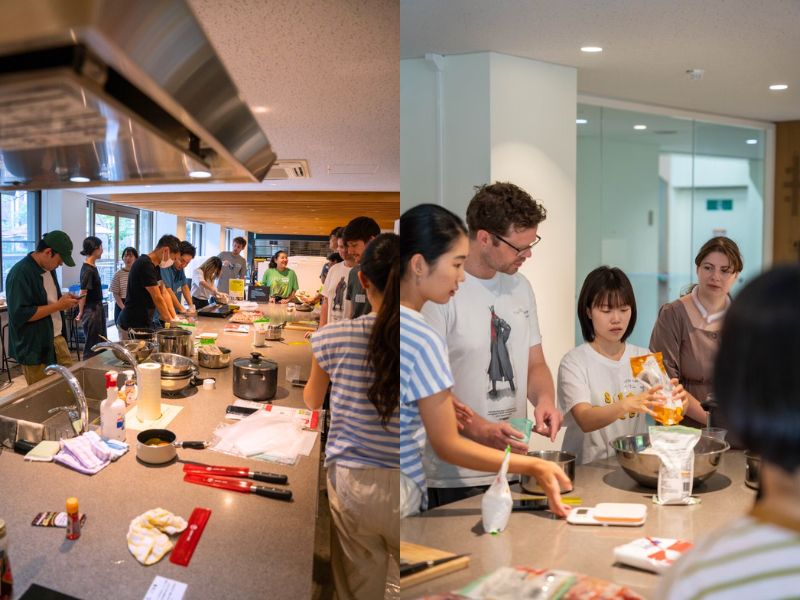
Additionally, Borderless House provides immersive cultural experiences integral to effective language learning. Cultural workshops, cooking classes, and community events expose residents to Japanese customs and traditions, deepening their understanding of the language’s cultural context. Daily interactions with people from diverse linguistic backgrounds, including native Japanese speakers, offer ample opportunities for real-life practice, making language learning a natural and integrated part of daily life.

Tips for Maximizing Your Language Learning in a Shared House


Immersing yourself in a multicultural environment enables you to practice your target language daily, engage in meaningful cultural exchanges, and utilize a wide range of resources to accelerate your learning.

Engage Actively with Fellow Residents

To make the most of your language learning experience at Borderless House, actively engage with your fellow residents. Initiate conversations in Japanese, participate in group activities, and don’t hesitate to ask for help with language nuances. The quantity and quality of language interaction are pivotal for language skill development. Through regular interactions, you can improve your speaking and listening skills in a supportive environment.

Participate in Cultural Activities

Take advantage of the cultural activities organized by Borderless House. These activities, such as cooking classes and cultural workshops, provide practical contexts for using Japanese. Engaging in these activities helps reinforce language skills through real-life application and deepens your cultural understanding.

Use Technology to Supplement Learning

While living in a shared house provides ample opportunities for language practice, using technology can further enhance your learning. Leverage language learning apps and online resources to practice Japanese outside of your daily interactions. Combining traditional learning methods with modern tools, such as using AI for language practice, can provide personalized feedback and help you progress faster.

Set Realistic Goals and Track Progress

Setting achievable language learning goals and tracking your progress can help you stay motivated and focused. Define specific, achievable objectives, such as learning a certain number of new words each week or mastering a particular grammar point. Regularly reviewing your progress can help you stay on track and celebrate milestones along the way, making the learning process more rewarding.

Create a Language-Rich Environment

Enhance your language learning by creating a language-rich environment in your shared house. Label common household items in Japanese, listen to Japanese music, watch Japanese TV shows or movies, and read Japanese books or articles. Immersing yourself in the language through various media helps reinforce learning and keeps you constantly engaged with the language.

Wrapping Up

Harnessing the power of community can transform your language learning journey. Engaging with a supportive network enhances your skills through constant practice, cultural immersion, and mutual encouragement. This dynamic environment accelerates fluency and fosters a deeper appreciation for the language, making the process both effective and enjoyable. Tap into the support of the community to improve your language learning experience.

ソーシャルグッドに関するサイトの事例としてボーダレスハウス株式会社が掲載

ボーダレスハウス株式会社のウェブサイトが、ソーシャルグッドに関するサイトの事例として取り上げられました。

ボーダレスハウスは、留学に来ている「外国人」と、外国に関心のある「日本人」に「保証人や高い初期費用なく入居でき、国際交流ができる住環境」を提供しています。共同生活を通じて家族のようなコミュニティを築いていく中で、国を越えた人と人の相互理解が育まれることで、人種や国籍に関係なく、お互いのルーツや文化をリスペクトし合える差別偏見のない多文化共生社会づくりを目指しています。

ソーシャルデベロッパー「株式会社フージャースコーポレーション」が運営するメディアでボーダレスハウスの入居者インタビューが掲載

2024年4月10日配信の「欲しかった暮らしラボ」(運営:株式会社フージャースコーポレーション )で、ボーダレスハウス株式会社(以下、ボーダレスハウス)が運営する国際交流シェアハウス「ボーダレスハウス」の入居者とスタッフへのインタビュー記事を掲載いただきました。

本記事は、事業を通して社会課題・地域課題の解決に貢献していく「ソーシャルデベロッパー」である株式会社フージャースコーポレーションの調査協力の一環として発信いただいたものです。

ボーダレスハウスは、留学に来ている「外国人」と、外国に関心のある「日本人」に「保証人や高い初期費用なく入居でき、国際交流ができる住環境」を提供しています。

共同生活を通じて家族のようなコミュニティを築いていく中で、国を越えた人と人の相互理解が育まれることで、人種や国籍に関係なく、お互いのルーツや文化をリスペクトし合える差別偏見のない多文化共生社会づくりを目指しています。

社会をもっとよくする世界のアイデアマガジン「IDEAS FOR GOOD」でボーダレスハウスの社員インタビュー記事が掲載

2024年4月1日配信の「社会をもっとよくするアイデアを集めたウェブマガジン『IDEAS FOR GOOD』」で、ボーダレスハウス株式会社(以下、ボーダレスハウス)を取り上げた記事を掲載いただきました。

本記事は、広島県の広島市立沼田高等学校(以下、沼田高校)のSDGs学習プログラムの一環として、当社にお越しくださった同校の修学旅行生の皆さまによって執筆されたものです。

沼田高校では、修学旅行と連動したSDGsの探求学習「<わたし>プロジェクト」を実施。SDGsを実践する企業への訪問や、事業の現場で働く人のストーリーを取材することを目的に、国際交流シェアハウス「ボーダレスハウス」を運営する当社にご訪問いただきました。

私たちは今後も、人種や国籍に関係なく、お互いのルーツや文化をリスペクトし合える差別偏見のない多文化共生社会づくりを目指し、あらゆるボーダーを超えた直接的な関わりをつくる機会の提供に努めてまいります。

世界の台所探検家、岡根谷実里さんがボーダレスハウスで経験した「食×国際交流」のインタビュー記事が掲載

2024年1月12日配信の「太陽WEB」(出版:平凡社)で、世界の台所探検家、岡根谷実里さんが国際交流シェアハウス「ボーダレスハウス」で暮らしながら大切にしている、食を通じた国際交流についてのインタビュー記事を掲載いただきました。岡根谷さんは、東京・田端にあるボーダレスハウスにおよそ1年4カ月滞在されています。

ボーダレスハウスは今後も、人種や国籍に関係なく、お互いのルーツや文化をリスペクトし合える差別偏見のない多文化共生社会の実現を目指し、相互理解を深めあえる国際交流の機会を提供していきます。