【大学生向けプラン体験インタビュー】大学生活をより楽しむための国際交流シェアハウスのすすめ!

こんにちは!ボーダレスハウスのブログ担当のYuyaです。

ボーダレスハウスでは2月-3月に大学生活応援キャンペーンを行っていました。

ご好評をいただき、大学生の皆さんにもっと学びの場を提供したいということで、暮らしながらインターンシップ体験ができるBH CAMPをはじめました。

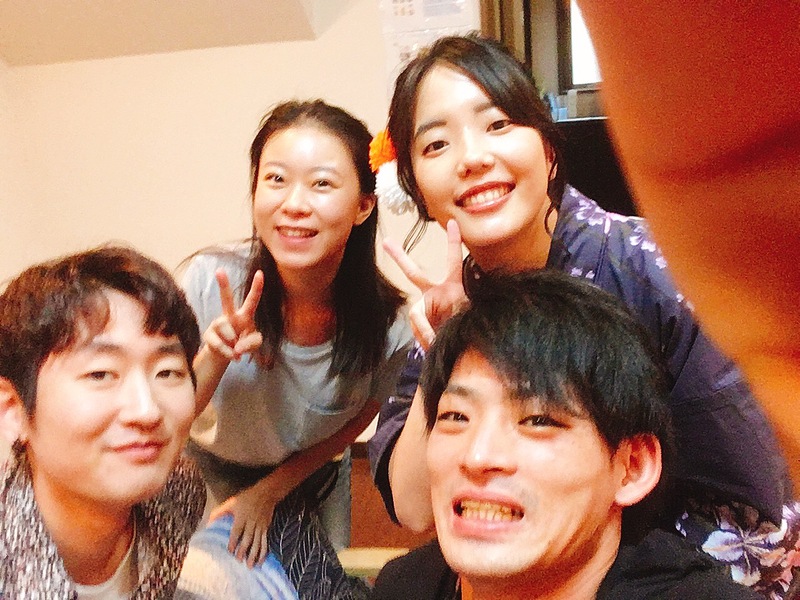
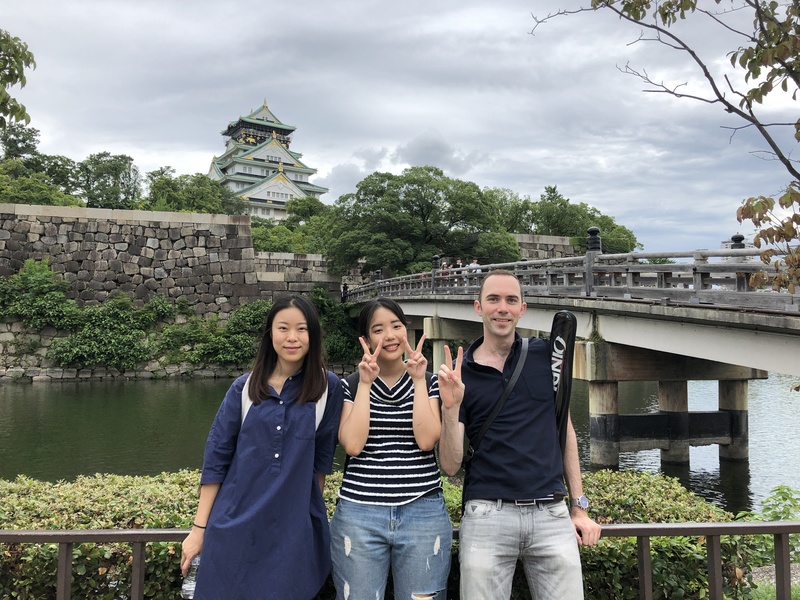
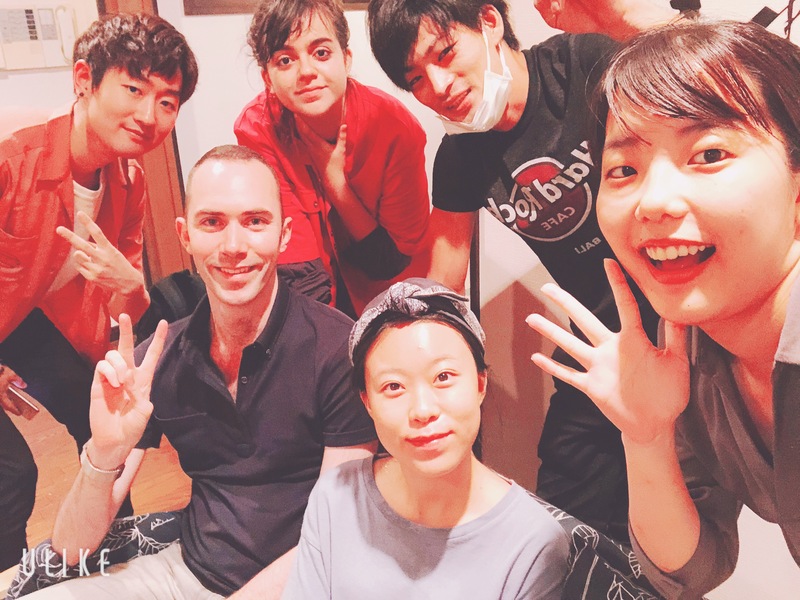
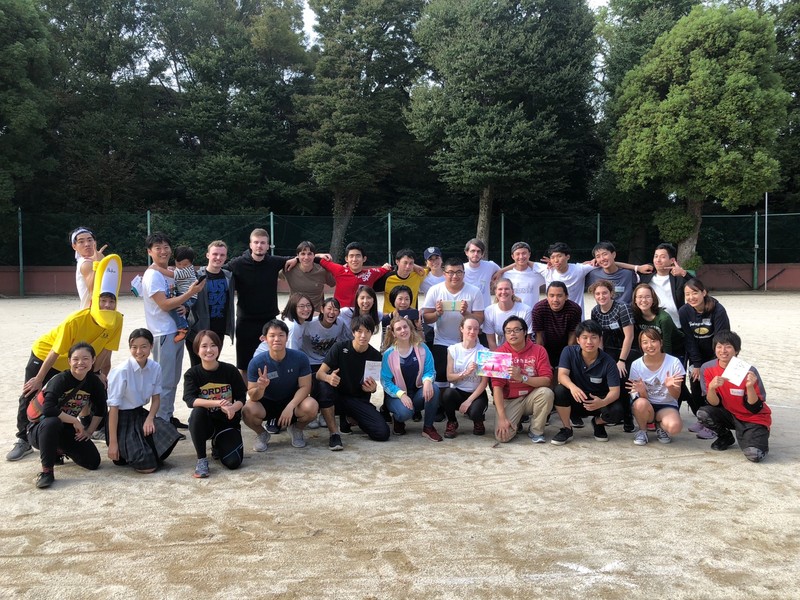
大学生の皆さんがボーダレスハウスでどんな経験ができるのか。大学生活応援キャンペーン参加者のあやなちゃんのインタビューを通してご紹介します!
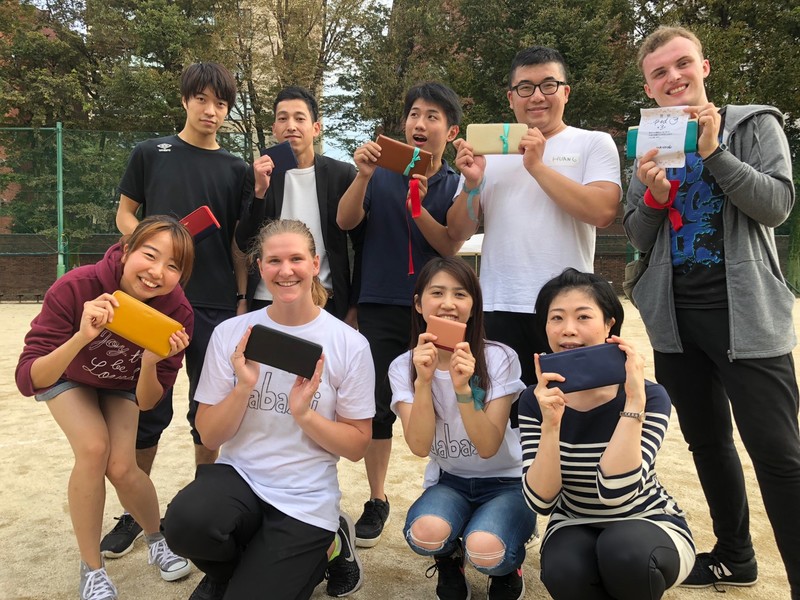
コロナ過で引きこもりの環境を抜け出したい!そう思い大学生活応援キャンペーンに飛び込んだあやなさん

ー自己紹介をお願いします!
関西の私立大学に通う4年生のあやなです!大学ではSDGs(持続可能な開発目標)を軸に、国内外の社会問題、特に貧困問題やフェアトレードについて学んでいます。
海外が好きで、国際系の高校に通っていたり海外にもよく行ったりしています。趣味はスノーボードやスケートボードなど、アウトドアが大好きです。

ーもともと国際問題や異文化交流に興味があったんですね!今回あやなさんが大学生活応援キャンペーン※大学生向け2か月お試し入居プランを利用したのはなぜでしょうか?
1番の理由は、コロナの影響でアウトドアな私が実家に引きこもってしまい、そんなつまらない生活から抜け出したかったからです。
夏休みのときに大学の講義もオンライン、サークルや学生団体の活動もすべてオンラインになりました。
友だちともなかなか会えず、どこにも行けないことがすごくしんどく感じていました。

同じ思いを春休みではしたくないなと思い、環境を変えるための手段を考えていたところ、このキャンペーンを見つけて「これだ!行くしかない!」と思って申し込みました。

ー大学生の皆さまはコロナの影響で本当に大変だと知ってこのプランを始めたので、まさにドンピシャでとても嬉しいです!あやなさんは大阪のご実家に住んでいらっしゃるかと思うんですが、東京の物件に滞在されたのはなぜでしょうか?

就職活動中で、地元以外で就職したいなと考えていたのと、せっかくなら実際に企業を見に行きたいなと思い、東京にしました。

ーなるほど!たしかにオンラインでの就活が多いとはいえ、実際に環境を変えて就活することで見える職業の可能性もぐんと広がりますよね!東京へ短期と言えども実家を離れて暮らすことにご両親は心配されませんでしたか?
夏休みのときの私をみていたこともあり、せっかくだから環境を変えて東京に住んでみたら?と背中を押してくれたのがお母さんでした。お父さんもコロナのことでとても心配はしていましたが、やりたいことを応援したいという気持ちで送りだしてくれました。

ーお二人とも背中を押してくださったんですね!滞在を終えて、ご両親の反応はいかがでしょうか?
私がシェアハウスでの思い出をたくさん話したので、「楽しかったんだね、良い人たちに恵まれて良かったね」と言ってくれています!
近所の方と「娘が東京での生活をすごく楽しんでいて、帰ってくるか心配」と話していたらしく、楽しんで過ごしたことを喜んでくれました。

ーご両親も安心してくださるくらいシェアハウス生活を楽しんでくれてとても嬉しいです!最初シェアハウスへの不安はありましたか?
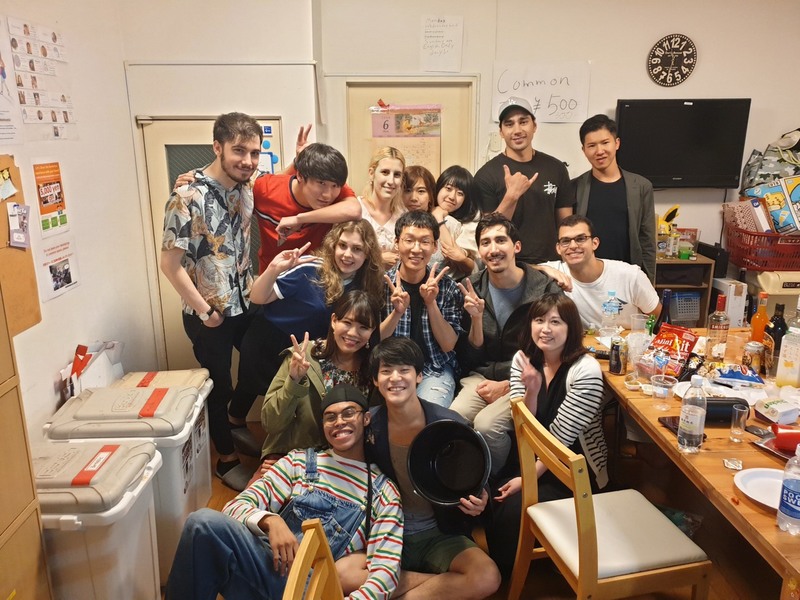
まったくなかったです!入居した日から皆がたくさん話しかけてくれたので本当に初対面な感じがしなくて。初日で「ここに来てよかった!」と思いました。

大切なのは心構え。2か月間を無駄にしないために自分から行動し続けること

ーシェアハウスの生活の中ではどんなことをしましたか?
みんなとの思い出は数えきれないんですが、私がこの2か月間をめいっぱい楽しむために意識したことはリビングにたくさん出ることでした。
時間がある時はリビングに出て、悩みも楽しみもみんなにシェアすることで距離をぐっと近くすることができました。
2か月間は長いようで本当ににあっという間なので、自分からアクションしないとすぐに時間が過ぎ去ってしまいます。なので自分から動くことを1番意識し、イベントも積極的に開催しました。

ー自分からアクションするってすごく大切ですよね!私たちも最初の1か月はできるだけリビングに出て、みんなと話してみてくださいとご案内します。1番の思い出はなんですか?
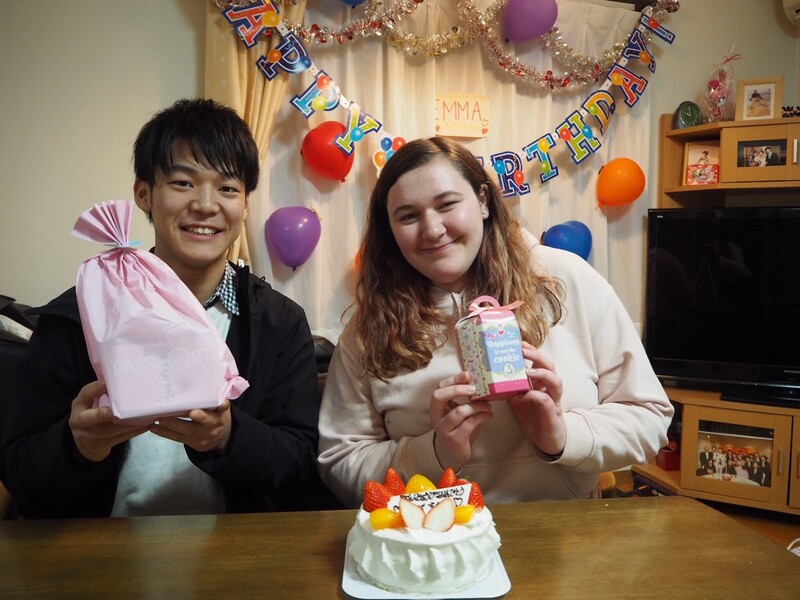
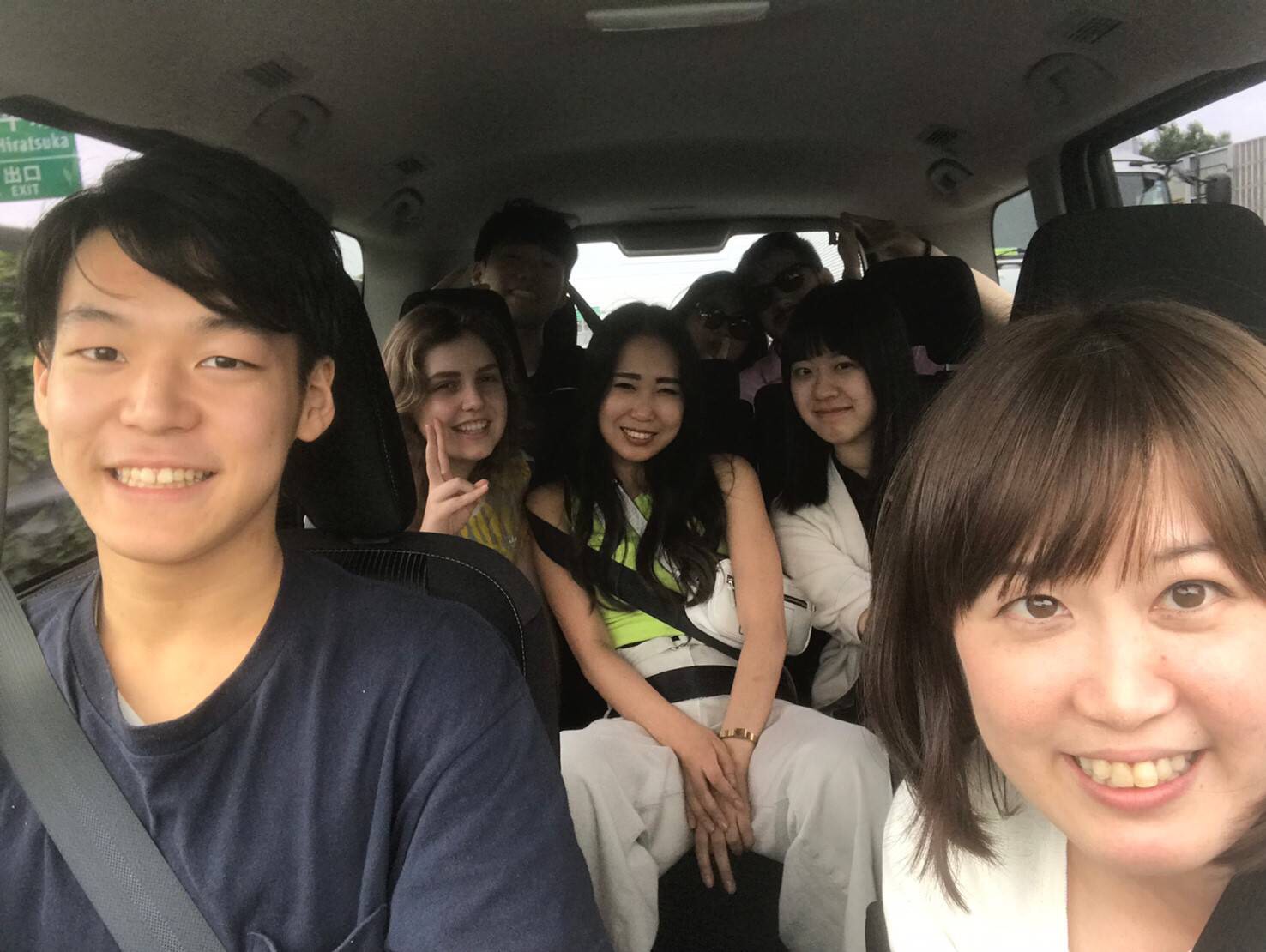
みんなでスノボ旅行にいったことです。最初は大学の友達と行く約束をしていたのですが、そこにシェアハウスのみんなも加わって行くことになりました。
大学のゼミで春休みの1番の思い出をシェアしたときに友達のみんながスノボ旅行と言ってくれたくらい、

シェアハウスのみんなと仲良く過ごしてくれました!私としても友達にボーダレスハウスでの出来事をシェアできてとても嬉しかったです。

ー大切な人同士がつながるってとっても嬉しいですよね。お試し体験でこれだけのことを経験出来るって本当にすごいです!

学びがいっぱいのオリジナルイベント。大学生交流会で得られた関係

ーキャンペーン中いろんなイベントがありましたが、一番印象に残っているイベントはなんですか?
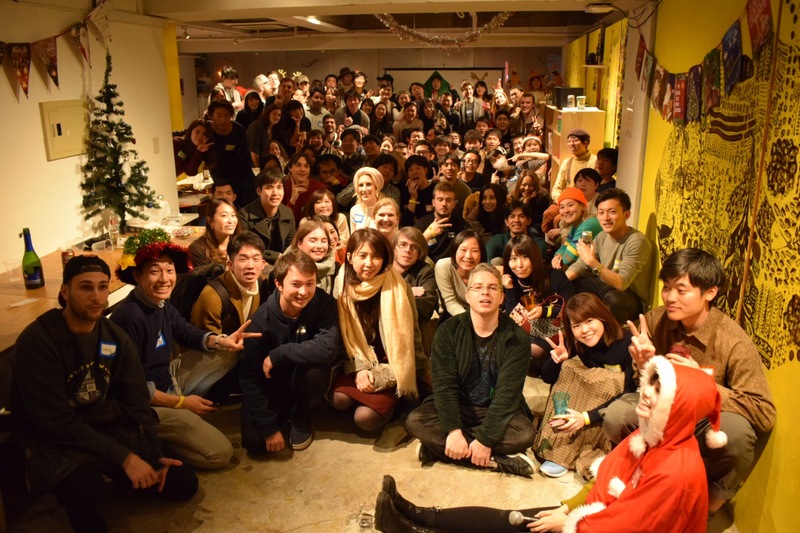
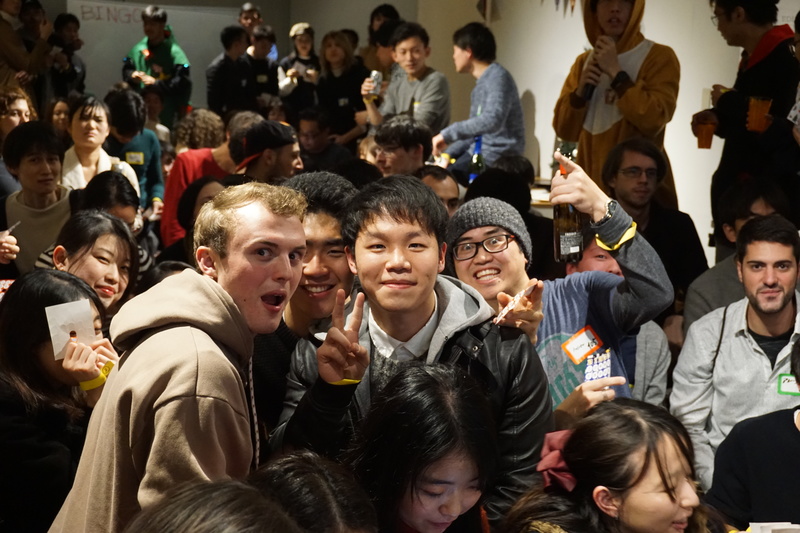
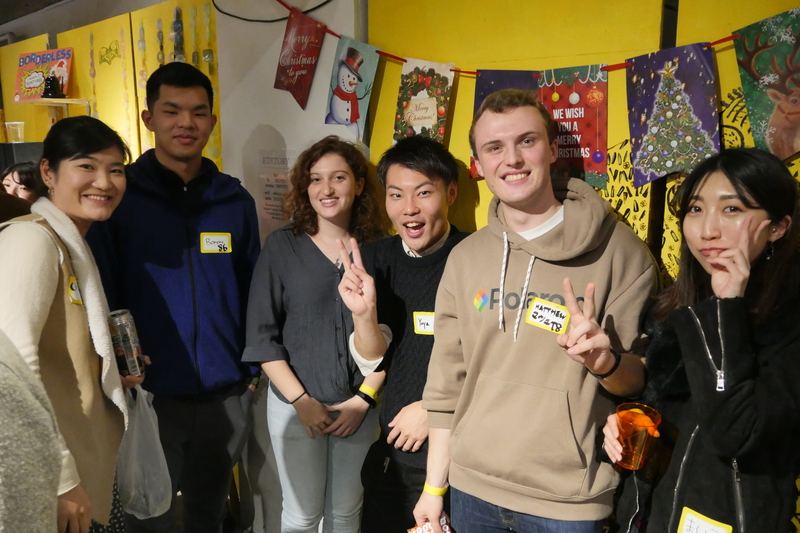
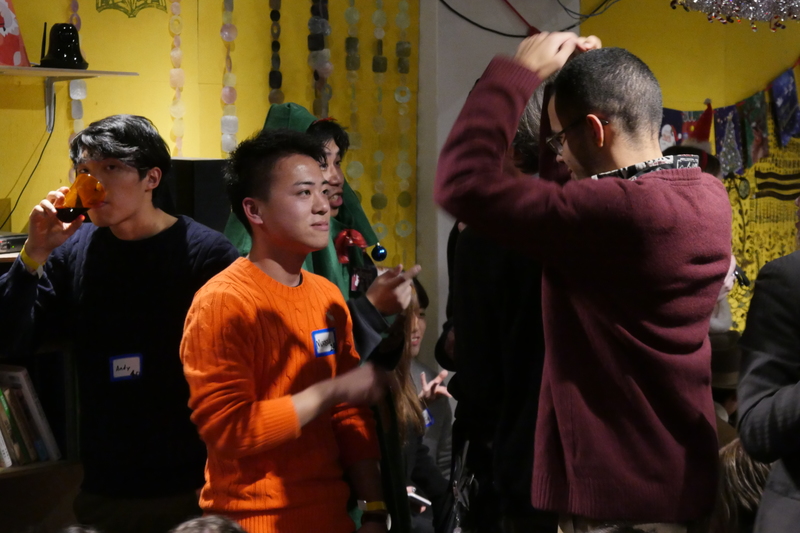
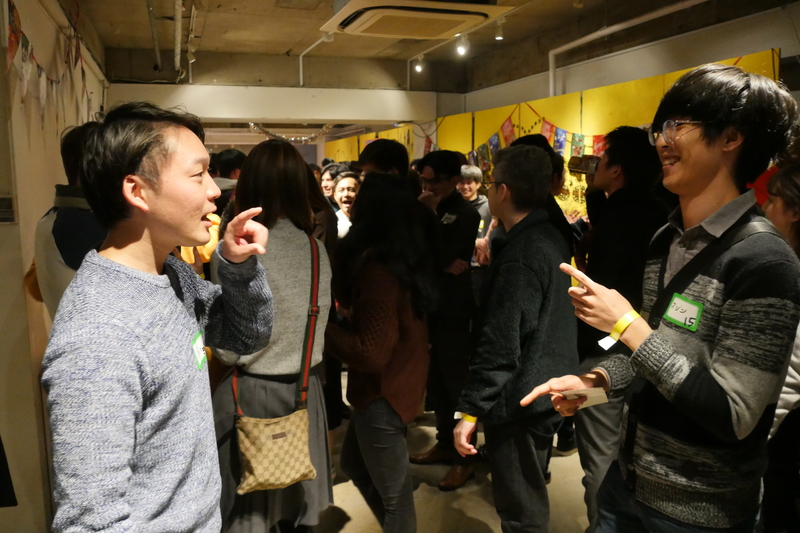
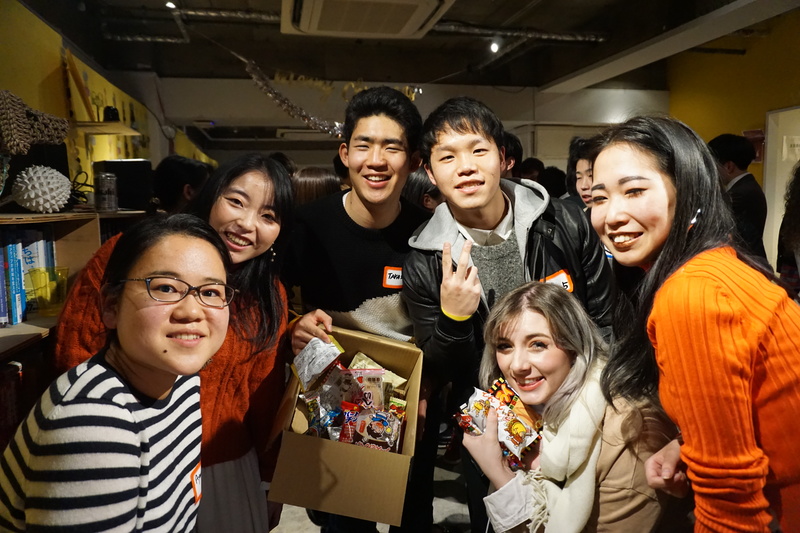
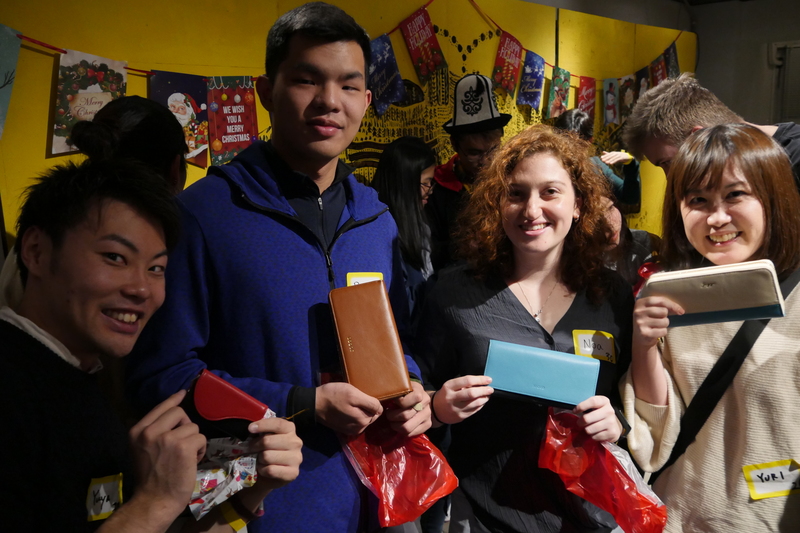
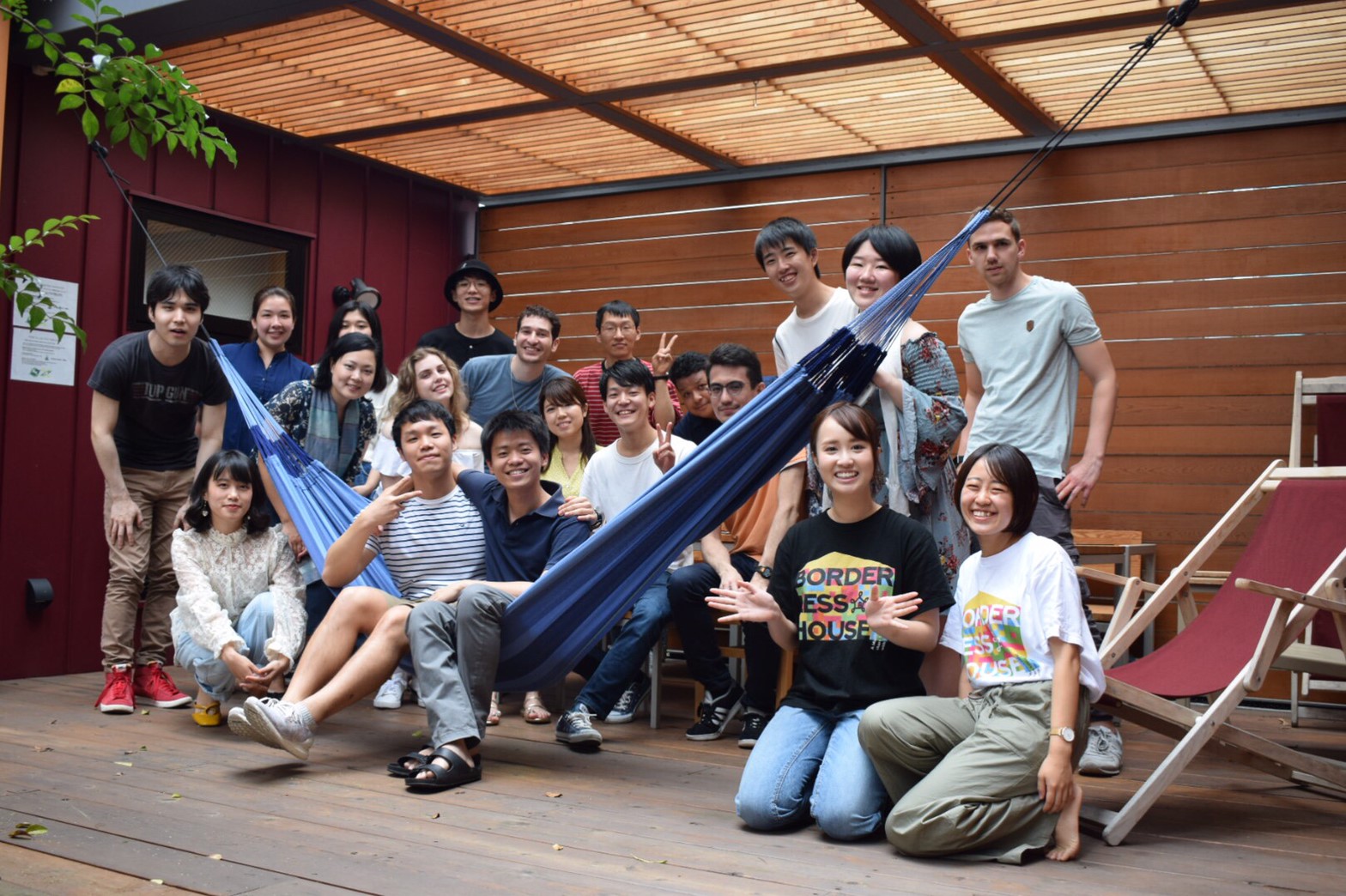
大学生交流会ですね!キャンペーンに参加している大学生と自己啓発ワークや、テーマに沿ったディスカッションをしました。就活中の私にはとても役に立ちましたし、何より他の大学生と出会える場だったのですごく良かったなと感じています。

ー他の大学生と出会いやディスカッションで具体的にどんなことを感じましたか?
ボーダレスハウスに住んでいる仲間と学年・大学・地域を超えて同じ思いや繋がりを持てたな、ということです。
普通の生活なら接点がなかった相手とディスカッションすることで、自分にはない視点を吸収することができました。
そこで出会った子と後日オフラインでも遊んだりして、地元以外に今後も続いていく関係性を築けたことがとても良かったです。
イベントの学びなどをシェアして深めることができたのも良かったです。

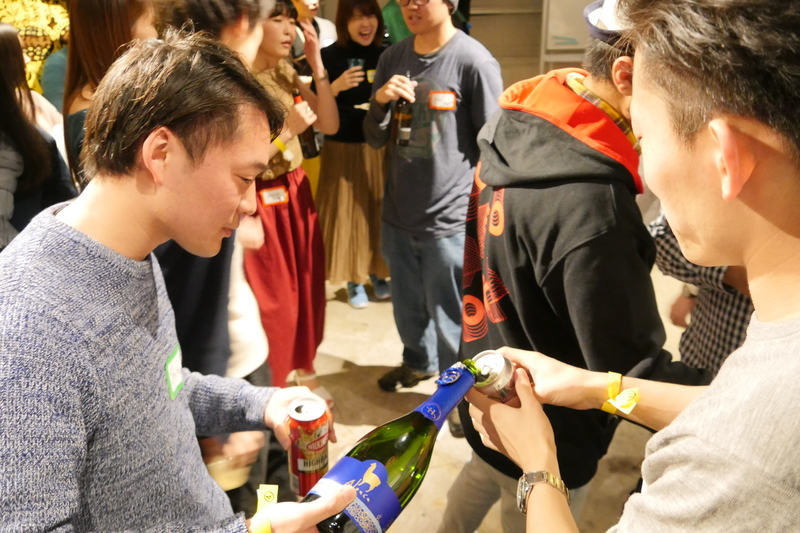
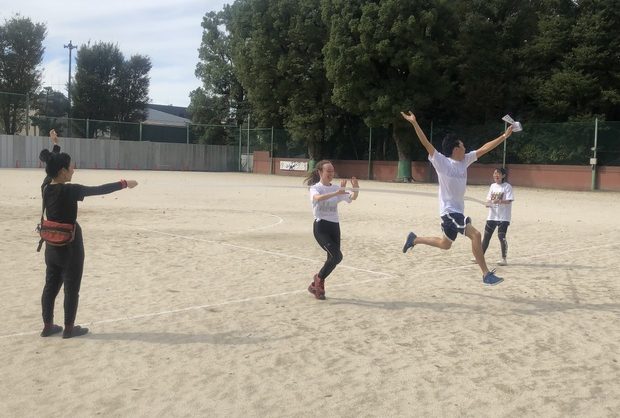
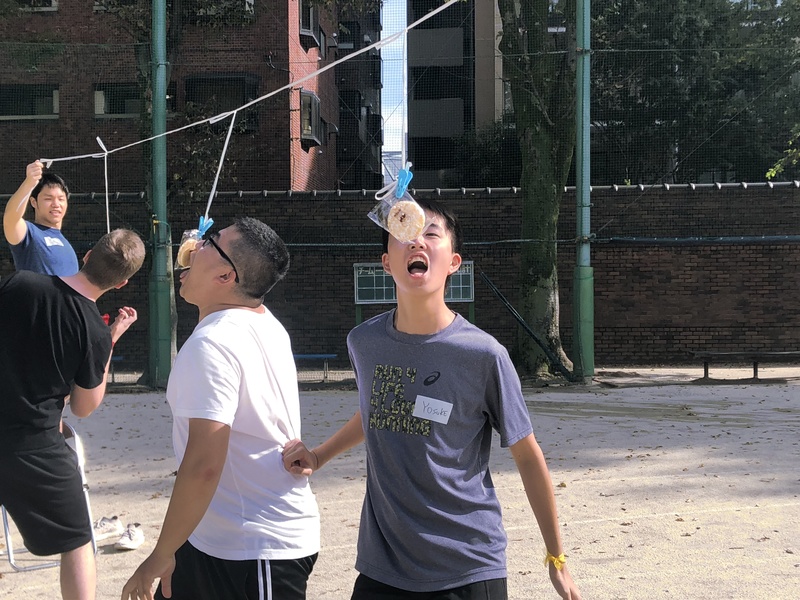
ーキャンペーン参加者さんたちの主催で、BBQパーティー(※感染対策あり)を開催したことで、別々の物件の入居者さん同士も繋がることができたと聞きました!他のイベントはいかがでしたか?
社会人交流会は、色々な業種の社会人の方のキャリアに至るまでの経緯や、やりがいなどを伺いました。皆さん共通して好きなことをとことん追及して仕事にしていたので、就活でもやりたいこと・好きなことを突き詰めたいと思いました。交流会が終わった後も社会人の方と連絡を取って電話で相談を聞いてもらいました!

ー登壇した社会人の皆さんは本当に素敵な方々ばかりで、大学生の皆さんになんでも協力したい!という風におっしゃっていたので、とても嬉しいエピソードです。ソーシャルビジネスワークショップはいかがでしたか?
社会問題や国際協力に関心があったので、社会問題の解決に取り組むボーダレス・ジャパンにはとても興味がありました。
そんなボーダレスグループの事業コンセプトの決め方等を知ることで、ソーシャルビジネスの概要や立ち上げ方を理解することが出来ました!
自分の興味のある分野に当てはめたときにどう考えるべきなのか、もっと明確化していきたいなと感じました。
どのイベントも沢山の学びを得ることが出来、とても楽しかったです!

迷ったら飛び込むべき!想像以上の経験が国際交流シェアハウスで待っています。

ーありがとうございます!私たちの想像以上に活用してくださいましたね!
最後に全体の感想と、このインタビューを読んでいる皆さんに大学生向けのプランのおすすめポイントを教えてください。

大学生キャンペーンに参加したみんなで滞在経験についてのプレゼンを行ったのですが、そこで自分の2か月間を振り返り、他の参加者の過ごし方も聞くことで、この体験を見つめ直すことができました。
自分の中での成長はコミュニケーション力かな。この2か月間、常にどんな話をしようとか、このテーマではこう話そうとか、
日々の何気ない会話を色々な視点で話し合えたことですごくコミュニケーション力が上がったと思います。
短期間だからこそこの生活を最大限に楽しもうという心構えで挑めていたので、人生で1番濃い2ヶ月間になりました。
シェアハウスでもたくさん愛してもらえて、本当に今すぐにでも帰りたいくらい充実した2か月間でした。
1ミリでも興味があれば絶対に入居するべきです!

初めての共同生活はハードルが高いと思うかもしれませんが、みんな柔軟に受け入れてくれるし、不安はすぐに忘れちゃうと思います。なにより想像以上の楽しい出来事が待っているので、少しでも気になったら飛び込んでみてください!

ーすてきな体験をシェアしてくださり、本当にありがとうございました!

大学生活をもっとエンジョイするために!君の日常が冒険に変わるBH CAMPとは?

ボーダレスハウスでは当キャンペーンをパワーアップし、国際交流シェアハウスに暮らしながらインターンシップ体験ができる入居プラン 「BH CAMP」を開始しました!!!

シェアハウスで国際交流を楽しみつつ、4種類のインターンを通して学びが得られる滞在×体験プランです。

ボーダレスハウスは、世界中の多様な価値観を持った若者が一つ屋根の下で暮らすシェアハウスです。

様々な人が一緒に住むことでよりたくさんの人生の変化を経験できることを確信しています。

BH CAMPを通してより多くの大学生の方に体験していただき、新しいチャレンジへの橋渡しができればと思っています。

皆様のご参加をお待ちしております!
今回のインタビューで大学生向けのプランが気になった方!

まずは気軽にオンライン説明会にぜひ参加ください。

BH CAMPのオンライン説明会はこちら
BH CAMPの詳細ページはこちら
東京シェアハウス一覧

大学生活応援キャンペーンはこちら
※すでに募集は終了しています

Study in Japan ▏How to choose a Japanese language school?

To learn a language on your own, and to learn it by having to use it every single day in the lands it has been forged in, is as different as night and day. Or more fitting with our beloved country in the east, like kanji and katakana.

Going to Japan and learning a wholly unique language like Japanese, can have many deep-rooted goals and inspirations for the future. Whether it is about joining a global super conglomerate with branching offices scattered all across the world, wanting to dive deeper into the isolated but rich history of samurai, shoguns, Daimyos, and Emperors, wishing to learn the engineering secrets behind the state of the art robotics, or earthquake-proof skyscrapers, dreaming to visit the Inspiration behind your childhood animes.

There is no “one right” answer to learn Japanese. Japan has so much to offer no matter what your reasons for visiting are. Be it Pop culture, Technology, Music, Cinema, History, Nature, or Linguistics. Many of you might initially come for one reason, but decide to stay for an entirely new one! And to truly know a place and its people, you need to be able to communicate with them, and English won’t cut it.

That is why joining a Japanese Language school is such a fantastic option. There, you will learn Japanese and only Japanese, from day one. And though it might sound scary at first, they do it in an incredible way where you feel your satisfying progression from the first minute you enter the school.
And I will try to help you think about what you might want to consider and look into before you start looking into the Study abroad agencies in your country, to make the process easier.

Some of the biggest factors in my decision-making were the following: location, what was my purpose for studying? culture, socializing, or is it academic? learning style/speed and how big is the size of the classes?

Let’s try to go through these things and get some ideas of what you would prefer.

Where Do You Want to Study?

Location is a very important part of the selection process. If you are going to dedicate a lot of time and resources to go somewhere, making sure it’s somewhere you will enjoy, is always a great investment.

With Japan being a country of roughly 378 square kilometers, you can find anything from the snowy plains of Hokkaido, sprawling mountain ranges of Nagano, Buzzing city-life of Tokyo and Osaka, open fields of Sendai, to the almost tropical climate of Okinawa and Kyushu.

While many choose the language school based on the city they plan to eventually go to university or work in, many also choose it based on aspects like climate, population, attractions, pastime activities, the accessibility to travel to other locations from that city, or even that the environment is closer to what you are used to from back at home.

We all know the colorful and bright views of Shibuya, Shinjuku, and Akihabara. Central Tokyo is a perfect location for those who love an endless amount of activities, technology, life, and opportunities to find connections and work. But what outside of Tokyo have Japan to offer?

While all the big cities will give you a similar big city lifestyle, filled with bars, restaurants, museums, shopping malls, and arcades, every city in Japan has its own unique style and tradition. My experience in Fukuoka, for example, was completely different from my friend’s in Osaka. So why not read up about what the different famous cities in Japan can offer?!

Kyoto, the old capital filled to the brim with history, Fukuoka, home of the Yamakasa festival, Hakata ramen, and for all fans of K-pop, a short boat trip away from South Korea, Sapporo, a more rural city that turns into a snowy wonderland during the winter. There is a city for everyone!

The point is since many of these cities often have many different options of Japanese language schools, you might as well go somewhere you feel that your soul is more drawn towards!

How Do You Want to Study?

Well then, what about the school and the studies themselves?
The most common terms used for the two different teaching styles are Asian style and Western-style. Because Many foreign students living in Japan are from China and Korea, their own language is so similar to Japanese, they can skip much of the basics and go at a faster pace and much more focus on Kanji and difficult vocabulary.

While for Western Languages, so far distant from Asian, are too different to give us an advantage. So westerners often have to start from the ground level and work up at a more gradual speed. And many go to Japan and learn without the direct intent to reach academic levels. Therefore they study at a much more casual rate. That’s where the terms Asian Style, and Western Style originates.
Western Styled schools also tend to have smaller classes. They roughly aim for a maximum of 8-10 students per class. This makes it easier for the students to interact with the teacher and each other. Because of this, there is very little confusion, since you can always make your question heard, either to the teacher or ask for tips from the ones sitting next to you.

It is important to know what your end goal with your studies will be. Is your goal to push hard and enter the university or business level Japanese and know all the Kanji’s needed to fully understand any task or information given to you? Or do you wish for a slower speed, but with more focus on the daily life of Japanese and culture? Focus more on making friends than business opportunities?

So it’s up to you if you feel like you prefer a slower, but more personal and social study experience, or if you want to focus on reaching your goal as efficiently and fast as possible.

Where Do You Want to Live?

Another topic worth taking some time to think about would be accommodations. Of course, the Agency or school you have contact with will help you organize everything. But ask yourself what type of accommodation you want, will help you immensely.

And since many travels to Japan to learn the culture and people, living by yourself in an apartment will start to feel a bit isolated. That is why options like International Share Houses are great alternatives. You will both get to live and interact with Japanese people every single day, cooking traditional food together, being able to practice Japanese daily, and making friends for life. In addition to living with other Westerners who you can talk to regarding your studies, lifestyles, and problems your Japanese roommates might not be able to relate to.

So take some extra time to think about where you want this magical time to take place. And when you actually have started your studies, being forced to study at a pace much too slow for you to reach your goal, or being so fast you get too stressed to enjoy the world around you, can really ruin the magical journey you have chosen to partake in.

Any serious Japanese language organization cares deeply about all of their students and will give you any and all help they can in regards to accommodations, rent, phones, and sim cards, transportation, helping you create a Japanese bank account for longer stays, and anything else you might need help with.

What’s keeping You From Planning?

While, of course, there are many, many more things to consider, research, and ask in regards to choosing a school, these topics are what I and most of my fellow students felt were the main deciding factors we had in common. Because when you finally do get to live and study in Japan, it will be a time you will never forget, so it is important to be in an environment you can enjoy both in and outside of class to the maximum.

Whether it’s the Study abroad agency or the school you already have selected, it’s never wrong to ask any question that might arise. They are there for you, so don’t be shy about wanting to make your dream as perfect as you can.

How is a share house different from a guest house?

A guest house is similar to a hotel room. Guests check-in and stay for some days then go back to where they were. The guesthouses also do not have all amenities. They will provide you with basic facilities like a bathroom, kitchen, and toilet.

In a share house, a rent agreement is signed between the tenant and the property holder or anyone who is renting the property. Sharehouse comes with amenities that you require to live comfortably. In many cases, there will be a TV, washing machine, toilets, bathroom, and more. In share houses, you also have the freedom to exchange rooms upon request.

A sharehouse provides you with the comfort and warmth of a home. The people you live with are there because they wanted to connect with more people, like you. So you all live like a big group of happy friends.

What sharing space you will be sharing in a share house?

In the share house, you will be sharing almost everything with other tenants except your own room. You will share the living area, toilet, bathroom, kitchen, and other amenities provided to the share house.

So living in a share house will require some teamwork. You will need to divide chores so that one person doesn’t end up doing it all. You need to take care of this place as your home because it is your home for the time till you are there. There will be no one to tell you what to do what not to do. It is up to you to live in harmony and not create problems for other tenants.

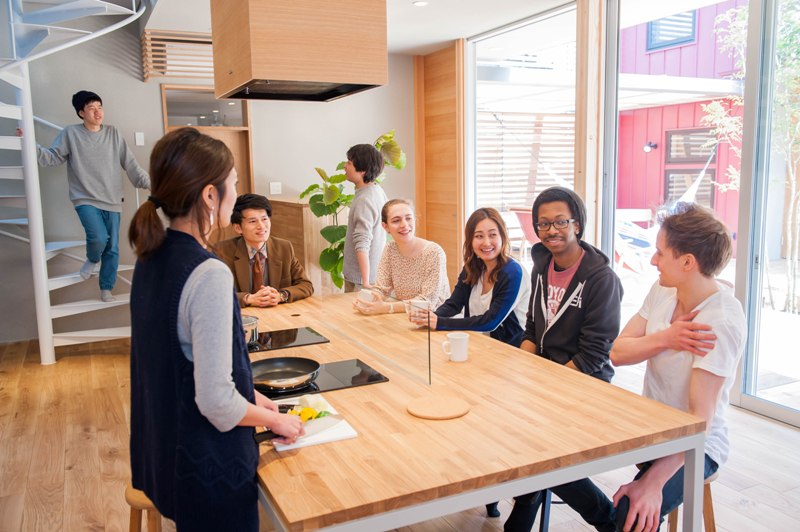
*Picture is BORDERLESS HOUSE OMORI2

Why is it better than renting any other place?

Let’s say if you are in Japan for more than a month and you want to rent a place what will you do? You will look for an agency to get you a rental apartment. First, you will have to pay the agency a fee then you will be asked for some advance fee for security then there will be a rental fee and maintenance fee, and service fee. Whereas if you chose a share house you will not have to give so many fees. There will be only a one-time fee before you start living in the house and then a monthly fee depending upon how long you will be staying.

*Picture is BORDERLESS HOUSE OMORI2

Tips to live in a share house

Socialize: You might not want to jump into the conversation right away after meeting your new share housemates. But do not hesitate or feel awkward everyone there is new to each other and they all are trying to get to know each other better.

Work together and communicate: sometimes you might have conflicts with your housemates due to different living habits etc but try to remember it is hard for everyone. Do not feel irritated or annoyed try to calm down and talk on easy terms. Try to understand what you both are saying and communicate in a rational way with each other. The best way to avoid conflicts is to always keep yourself open up to talk.

Benefits of Staying at a Share House

● The best advantage of living in a share house is that you get to live in a home-like place on an affordable budget. The share house fee is straightforward and there are no hidden fees.

● Like we said it will be a home-like experience so you will get almost every needful appliance at a share house. There will be no need for you to buy anything to start living at a share house. All of our share houses are fully furnished.

● Living in a shared house gives you a chance to expand your social circle and experience new things. In a diverse environment, you will meet locals and people from all over the world. You can learn languages and culture and immerse yourself in a new culture faster. You will gain deep experiences of living in Japan and understand the values, perspectives, and lifestyle of Japan better.

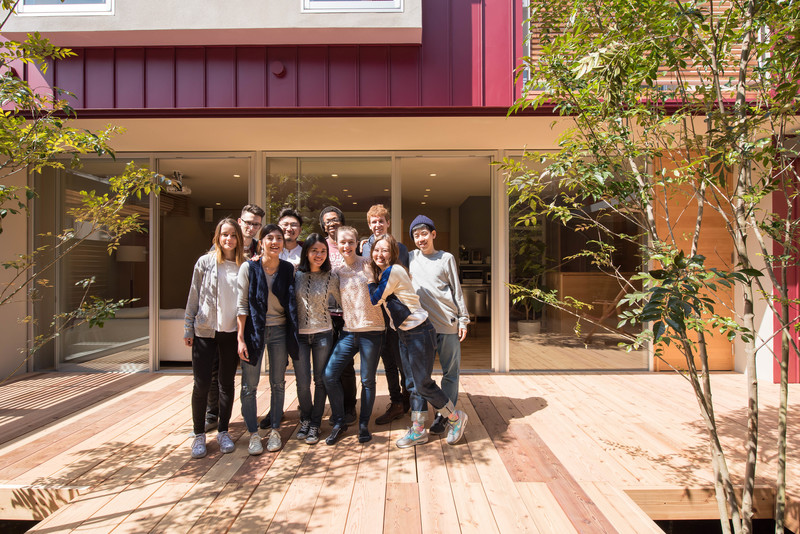
*Picture is KYOTO-KAMIGAMO HOUSE

House Sharing Will Be A Good Way Of Living To Save Money

When moving to a new country, people have to start their lives out. They have a new job, must meet new people, make some friends, and they live in different surroundings. As exciting as it sounds, it can also be exhausting to adjust to everything new at once. It will also undoubtedly be expensive.

According to most foreigners that have moved to foreign countries, the biggest challenge that they faced after the move was finding accommodations. Some people end up at expensive studio apartments due to a lack of choice, others have to compromise on the locality of the apartment or pay high rents to enjoy a comfortable stay.

Not every house owner in east Asian countries is willing to rent their place to foreigners, and even then most of them ask for a local cosigner to guarantee on behalf of the tenant. The language and the cultural gap make local people feel that foreigners won’t understand them or get along with them. This is why they make no compromises on security money and ask for higher rents from foreigners.

Making a move can be an extensive and life changing task, which often disheartens people. Without friends and family around, they find it difficult to conduct an apartment search.

The solutions to all of the problems faced during apartment searching are offered by share houses. Share houses are rental houses with multiple rooms available for rent. While people have separate rooms, they also have common areas like the living room and kitchen. Share houses are mostly found in cities where the number of foreigners living in the city is high. The primary goal of a share house is to make sure that foreigners do not find it difficult to adjust to the new country.

Compared to apartments, share houses are a cheaper alternative for a comfortable accommodation. Along with clean rooms and basic amenities, share houses provide an opportunity for foreigners to make friends in the city.

People living at share houses are able to save money and have more flexibility in terms of the contract. If you’re on a small budget and are considering a move to countries such as Japan, South Korea, and Taiwan, you might want to go through this article on how house-sharing could be a good way of living to save money.

Avoid Long Contract Periods

Most apartment rental contracts are signed for one year. The tenants have not experienced life in those apartments before signing the agreement. This is why when they experience some challenges living there, they are unable to move as they are bound by the contract. If they have to move by breaking the contract, they might have to pay a penalty.

Moreover, if you are required to move back to your country or some other place due to unexpected circumstances, then you will have to break the contract and will be charged.

Living in a share house is more flexible in situations like these. When living at a share house, if you do not like the place you are at, you can easily move out. Share houses are rented for shorter periods of time, so if you’re moving to a foreign country only for 6 months, staying at a share house could be your best money-saving bet.

Most share houses offer a room for the minimum stay of 1 month. Even if you are asked to sign a yearly contract, it will include a clause that if you give 30-45 days notice before moving out, then you will not be charged a penalty for moving out with less than a month’s notice. This offers relief to tenants who are unsure about the period of their stay in the nation.

Fully-Furnished Rentals

When having moved to a new apartment, you will need to furnish it as soon as possible for normal life to begin. Some of the furniture and appliances that you will need during your stay include a bed, table, cupboard, refrigerator, washing machine, water heater, air conditioning, etc. Buying furniture and appliances is a big investment. These items will likely cost you around one month’s rent.

Share houses are fully-furnished to ensure comfort. Every room has a bed and cupboard, whereas the common rooms, kitchen, and bathrooms are equipped with all the required furniture and appliances.

When someone moves to a share house, they only need to carry their everyday personal belongings. They do not need to spend money on furniture or decor and therefore are able to save money. They are able to use appliances that they might not have purchased themselves if they were to rent a private apartment. For example, a washing machine.

When they move to another country, they do not have to worry about selling or transporting furniture and appliances. This takes a lot of cost load that they are already bearing, off of their shoulders.


Free Internet

Whether you are a student, working professional, or tourist, the internet is a necessity for everyone. It helps people stay connected, updated, and entertained. To enjoy seamless internet connectivity, most people have Wi-Fi installed at their apartments.

Setting up the internet at your apartment will be some cost to you. You will also have to pay some extra cost in the beginning. There are not many landlords that will provide free internet to their tenants. However, share houses offer free internet connectivity to all its housemates at no extra cost.

The cost of the internet is already included in the monthly rent. The internet connectivity is strong and the housemates can enjoy smooth surfing. Access to the internet is limited to the housemates to avoid usage by outsiders which would cause poor connectivity.

Less Initial Fees

Share house managers do not expect you to pay a few months’ rent as deposit or downpayment. The initial fee is comparatively much lower than what is charged by apartment landlords. This enables most people to expand their budget and rent a room at a luxury share house. They are even able to spend money on sightseeing around the new country.

The initial fee at the BORDERLESS HOUSES is more reasonable compared to a typical apartment or condominium.

It does not matter which country you move to, the brokerage costs are usually high. While brokers are quite efficient at finding accommodations, they are often working in their best interests rather than yours. When renting a share house, you can eliminate the need for hiring a broker. Share houses are easy to find as they usually have an online presence. When renting a room at a share house, you will not have to hire a broker and can directly contact the manager. This will help you save some money.

Lower Rents

With the increase in the number of foreigners coming to east Asian countries and local people moving to industrial areas, cities are getting crowded. This has led to a hike in rental prices in the city. For example, on average, renting an apartment in a good Taipei locality will cost you somewhere between 18,000NTD to 26,000NTD per month. The rent will depend on the city that you live in, the size of the apartment, proximity to the market or MTR stations, and the amenities offered.

The monthly rent of staying a share house is lower than that of renting an apartment. If you have a low budget, you can also rent a bed in a shared room or dormitory. This way, you will be able to use all the house amenities, without having to pay for a private room.

The deposit is lower at share houses and the maintenance fee is reasonable. What’s more, most share houses are located near train stations and in low-crime localities. They offer easy connectivity to most places in the city and do not empty the tenant’s pockets.

Conclusion

Quite evidently, the process of finding an accommodation in Taiwan for reasonable prices can be an exhausting task. Add to that the expenses that come with moving to a new place, like buying home appliances and paying maintenance costs. However, worry not, because you can always rent a room at a share house and save yourself some money.

BORDERLESS HOUSE is a share house company with many share houses in Japan, South Korea, and Taiwan. The ratio of local people and foreigners at these share houses is kept equal. The motto of the company is to welcome the people that stay there and ensure their comfort. At BORDERLESS HOUSE, the rooms are rented at affordable prices, and the company offers shared rooms and dorms for people with lower budgets.

If you have recently moved to Taiwan and are looking for accommodation to ensure a comfortable stay, you can reach out to us at BORDERLESS HOUSE.

Share House List: https://reurl.cc/nn1Mpd

How To Start A New Life In Japan?

Now that 2020 is over and done with, it is time for new beginnings. To be honest, most of us are relieved and feeling like some heavy burden has been lifted off our shoulders with the end of 2020. People are associating a feeling of solace with the end of 2020 because this year has been full of anxiety and unsettling surprises for all of us, to say the least.

So, even if we don’t know if 2021 will be any better, we are certainly hopeful. Many people who were feeling lost in the last year are also looking for new ways to re-start life in 2021 with zest. And what better to begin life anew than by relocating to a new place?!

Moving to Japan

To say that life has been hard during the last few months would be an understatement. Therefore, in 2021 many people are planning for new beginnings by moving into new spaces and exploring new options. Now, for such people moving to Japan is an exciting prospect. In between its love for new technology and modern cities and its respect for ancient culture, Japan is an alluring destination. The cuisine here is pleasantly delicious, and the beautiful quiet destinations that are tucked away in the lap of Mother Nature in Japan are purely enticing for anyone who wishes for new beginnings.

But with that said, it needs to be mentioned that relocating to Japan is not easy. With its popularity and zeal for life, not everyone gets a chance to build a life in Japan. However, armed with the right knowledge and the courage to make correct decisions, one can increase his chances of finding a new life in Japan. Thus, to aid those who are serious about beginning anew in Japan, we have created a guide through which you can learn everything about starting a new life here. Have a read?!

Beginning a new life in Japan

Here is all you need to know about making a new life in Japan.

Legal requirements

If you are planning on relocating to any country, the first thing that you would need to know is the legal requirements of procuring a visa. Now, in the case of Japan, fortunately, these legal requirements are quite simple. Japan is one of those few countries that follow an almost identical visa process for everyone regardless of the matter whether you are an American, British, or Australian. So, all you have got to do is to apply for a visa at the closest Japanese Embassy or Consulate General in your country along with these documents

- Your passport
– Your Photograph
– Your visa form
– A certificate of Eligibility, original and a photocopy

Now, procuring the first three items on this list must be simple. However, if you are hearing this term, the Certificate of Eligibility for the first time, then you are not the one to be blamed. In simple words we can define this document as a certified letter that you will need to get from a Japanese person, typically your employer, suggesting that he guarantees to support you financially for the time you will be staying in Japan. Now, in case, you are a student who is moving to Japan to complete your studies, the letter will have to come from someone at the School or University that you will be attending. Once you submit all these documents to the Embassy, your legal obligations should be met.

Cost of living

If you are considering moving to Japan for beginning a new journey, then there are certain factors about living here that you must consider. One such factor is the cost of living in Japan. Now, the cost of living in Japan is radically high. You can thank the location of this country for this scenario. Japan is an island nation that is surrounded by water on all sides. As a result, most of the stuff here is not grown but imported from other nations. This is why the cost of food and drinks in Japan is higher than that of other countries. 

Now, if you are moving to Japan and you plan on eating out, then you must know that the dinner meal here consisting of food items like a noodle, curry, and hamburgers, costs about 500 to 1000 yens. However, if you chose to dine-out at an average restaurant, then you should expect your expenses to increase to somewhere between 1000 and 3000 yens. So, only if you believe you can afford these expenses should you move to this nation. 

Finding a Job

To procure your visa and to sustain yourself in Japan, you will need to find a job. Now, getting a job in Japan is not very easy since most companies here like to offer employment opportunities to the native people in Japan. The reason is simple, the natives are fluent in Japanese, and they don’t need training in Japanese customs and culture. However, that doesn’t mean that all the doors are closed in Japan for foreigners. 

So, if you are a foreigner who wishes to live in Japan and you have command over your English, then you can begin your life here by scoring the job of an English teacher. The demand for English teachers is high in Japan at all times, so if you have teaching skills, you can apply for this job. Another option for you can be to search for work in Japan in the IT field. This sector is always hiring good prospects from abroad to work with, given that these people have considerable knowledge about their field. Borderless House also provides Housing and Career Support Program which helps you to find jobs in Japan.

Find a home

Of course, when you relocate to a new apace, one thing that makes it to the top of your priority list is finding a suitable home for yourself. Now, in Japan, if you are living in one of the big cities like Tokyo or Osaka, then affording a house in such areas is a challenging prospect, to say the least. The rates of properties in these posh localities are so high that even renting a flat here is a big deal. However, we do have one solution for you, the BORDERLESS HOUSE.

Yes, BORDERLESS HOUSE is a place that offers tenants, both foreigners and natives alike, space to stay at minimal rent. The pros of living in such a place far outweigh the cons. In here you get to afford a shelter at minimal rent, you get an opportunity to stay and learn from natives the customs and language of Japan, you get an easy-go at making friends, and you incur fewer expenses for additional facilities like the internet, water, gas, etc. since you are sharing costs with so many people. Now, BORDERLESS HOUSE is starting a new campaign to offer shelter at discounted rates to individuals who are beginning their new lives in Japan from April. So, if you are relocating, then this is something you must check-out.

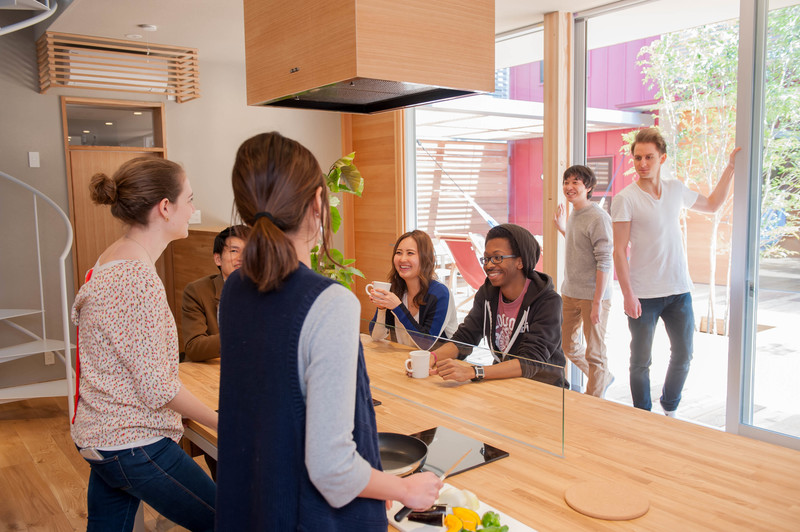
※Picture is BORDERLESS HOUSE OMORI2

Fix-up your insurance

The healthcare costs in Japan are too much to bear for an ordinary person. Thankfully, the Japanese government has taken this into account and designed a healthcare system that is largely geared towards its people. So, while it is the responsibility of people to carry their insurance, it falls upon the government to see that everyone gets access to the insurance services through a universal healthcare insurance system. The prices of these insurance services are determined by the Japanese government.

So, in some cases, like that of parental care or screening and exams, if you need healthcare assistance, then 70% of the costs of your treatment will be borne by the government while you will be responsible for the rest of 30% of the amount. Thus, if you are planning on starting a new life in Japan, then it is advisable to get healthcare insurance. Doing so will save you from bankruptcy if someday you happen to need healthcare services.

Learn the language

If you are starting a new life, then you would want the people around you to treat you as an ordinary person, like somebody who is one of them. However, this becomes difficult when you are a foreigner who is not privy to the customs and traditions of the land and who doesn’t understand their language. Thus, to truly feel like one of them, you will need to learn about their customs and language. 

For doing this, living in BORDERLESS HOUSE provides a great opportunity. It is so because when you live in BORDERLESS HOUSE with other natives, you get a better chance of observing the Japanese people closely. Staying around them 24*7 makes it easier for you to soak in their language and traditions. 

Conclusion

Beginning your life anew is not easy, and if you are considering moving to Japan to start new, then all this can feel a little overwhelming. However, if you will follow our suggestions and advice, you should be fine. So, all the best!

Choose The Best Locality To Rent A Share House In Taiwan!

If you will hold a meaningful conversation with people belonging from different corners of the world about their likes and dislikes, undoubtedly, you will come across many individuals who will describe traveling to new places as their favorite hobby. Many people will accept that visiting new places inspires them and aids them in learning new things. Some people will also confess that traveling works for them like yoga. It fills them with a new zeal for life, especially, traveling to the countries in the East.

Yes, traveling to the East has emerged as a new obsession for the travel junkies in the past few years. Discovering the East, its way of life, its culture, its habits, and traditions, has turned out to be a new fascination with the common people. Some individuals claim it is so because the East is deeply rooted in the old cultures and values, and that its lifestyle brings content and peace to the human mind and soul. This belief has given birth to the new trend of temporary migration to the East.

Now, one of the many countries situated in the East that has fascinated a lot of people with its customs and traditions, and which has attracted many travelers in the past few years is the country of Taiwan! Yes, Taiwan is an island country that is located in East Asia, and that is popularly known as the “heart of Asia.” This country is loved by migrants so much so that it topped the global rankings for ex-pats to live in the year 2016.

The major reason for this status and popularity enjoyed by the nation includes causes like the cheap and practical lifestyle of the country. People in Taiwan lead a simple and easy life. But still, the country boasts of a remarkable education system and strong infrastructure. In Taiwan, the convenience stores open 24*7, and they are present in every nook and corner of the country. Apart from this, the people here are also very friendly, and they never miss a chance of helping others even when the people in need are strangers to them.

So, if you too are one of these people who are thinking about moving to the East temporarily, then you must consider visiting Taiwan. While you are there, you can look for a share house, where you can stay for the duration of your visit. However, for those of you who are not sure about the localities in Taiwan where you should try to find accommodation, here is a list that you might find useful! Go, check it out?

What are the best localities to rent in Taiwan?

If you are moving to Taiwan and you are looking for a share house for accommodation purposes, then here is the list of localities that you should bother checking out to find a residence. Here you go!

So, you love shopping?

Well, I have met some people during my traveling excursions who describe shopping as a therapeutic act. Now, I might not feel about shopping the same way but who am I to judge? Hence, for those of you who consider yourselves shopping queens, and who would love staying in a locality that is close to a marketplace, I have some recommendations that you would appreciate.

So, for all the shopaholics out there, when you are looking for a share house try searching for one in the Shilin district that is considered to be the largest and the most famous night market in Taiwan. Apart from this place, you can also look for accommodation in the Da’an district that houses some quirky boutiques which sell trendy outfits. The Gongguan and Ximen areas are the two more localities that you can consider while hunting for share house service such as BORDERLESS HOUSE.

Would like to focus on your studies?

Taiwan is home to an extraordinary education system. Every year many people move to this place in search of better education. So, if you are one such people who has moved to this country for getting access to better education, then it makes sense that you would like to stay in a place that is close to your college or university so that you won’t waste much time in commuting between the places.

So, for those you would prefer that, I would recommend finding a share house in the Da’an district of the Taipei city that is home to many educational institutions. You can also consider searching BORDERLES HOUSE in the nearby Gongguan area that is also close to the National Taiwan University. Finding a residence in such places will also give you the benefit of staying with other students.

Want to live a thrilling and exciting life?

If you are one of those people who gets easily bored with leading the same monotonous life every day, you should try finding a place of residence in localities like Ximen or Zhongxiao Fuxing Area. Now, Ximen that stands for West Gate is an exciting area that houses historic Red house theatre. Around the theatre, there are also many bars, meeting places and shops that will keep you entertained. In the Zhongxiao Fuxing Area, on the other hand, you can locate many shopping malls that house some of the biggest brands. So, if you are also a fan of brands and you only like to shop for branded goods, then this is the place that you have been looking for.

However, for those of you, who do not consider shopping or dancing as thrilling enough activities, and who would prefer staying close to arts and culture, maybe you should try researching Shilin as a viable resident locality. Shilin is home to the National Palace Museum and it houses a remarkable collection of Chinese prints and fine arts. Apart from this, the area also has serene gardens and upscale eateries.

So, if you are moving to Taiwan, then these are some localities that you can check out to find a suitable share house for your stay!

All the best!


Moving to Japan- Here is Everything You Need to Know Before Finalizing Your Move

Today, the world stands as an interconnected place where people living at different geographical locations stand no more divided by the physical borders. It is true that residents living in different countries still foster different beliefs and unlike experiences, but the internet and mobiles have done a lot to bring people close to each other and to eradicate the differences. The nations have realized the importance of working together and are thus, contributing to make this world an interlinked global space.  

New opportunities for trading and business are also opening up as a result. Many countries that require manpower are enticing ex-pats by providing good packages and windows to prosper. Following this, large scale migrations have taken place in the past few years. Japan is one country that is benefitting from these changing norms. 

Japan is a popular destination among people who desire to move to a new place. The reason behind this has mostly to do with the country’s fast-paced growth. Now, Japan is a country that is rapidly climbing the growth ladder. People here are working innovatively and diligently to make the world a bustling, growing, and pleasant place. The delicious food that is native to this country adds more to its appeal. The traditions and customs that are respected and practiced here to this day also work in its favor. 

So, if you are also one of those people who are quite fascinated by this country and would like to know some more about it before deciding whether you want to move here or not, then you will find this article useful. So, are you ready? Well then, come, let’s start! 

What do you need to know about Japan? 

Every country has its own norm and culture that you are expected to be familiar with it in order to glide into the lifestyle of that region easily. So, if you are seriously considering migrating to Japan, then here is a list of things that will do you good to know well in advance.  

The cost of living in Japan 

Before moving to any new place, one of the few things that people must consider is the cost of living. Now, the cost of living in a place can broadly be described as the amount that you will be spending in meeting the basic necessities upon living there. 

The cost of living in Japan is very high. One can understand this by the mere fact that Japan is considered one of the costliest places to live in the whole world. On an average basis, the monthly cost of living here is about 2500 to 2700 USD. The reason for this is the fact that Japan is an island country and is surrounded by water on all sides. As a result, a lot of stuff is imported in Japan, which makes a living here so expensive. 

Transportation cost

If you are about to move to Japan, it makes sense to know about the transportation rules and regulations followed here. In Japan, despite the high cost of living, transportation fares are not unreasonable. Most of the people here prefer using the metro or buses as means of commutation. The metro charges about 1.50 USD, while traveling through the bullet train makes you 185 USD lighter. 

However, if you are not up for using the efficient public transport in Japan, then you can obviously use your own vehicle to commute between places. Japan drives on the left side of the road, and the signage here can be found in English or Romaji. International driving permits are allowed here, and the driver could use it in Japan for up to one year. 

English or Japanese 

Upon visiting the country and interacting with the local clan, you will see that the Japanese people are very warm and welcoming. The natives here are really polite, and they are very accepting of others. However, one issue that you might face here is related to language. If you are migrating to Japan and do not have proper command over your Japanese, you can find it challenging to navigate your way here. You can find English signage and announcements, but it is not the general norm in Japan except for at major tourist destinations. Most natives here do not speak English, and some are simply shy to interact in a foreign language. However, in big cities like Tokyo, you can always spot University students who will be happy to help you. 

Safety concerns 

No one wants to live in a dangerous place where their life or the life of their family members is in peril. Hence, it is a wise decision to be sure about the safety of a place before migrating. Now in terms of safety concerns, Japan is one of the best places to build a life. The crime rate here is very low, albeit, a large population. However, despite its low crime rate, one must bear in mind that Japan cannot be precisely termed as safe because of the natural calamities that this country witnesses. Every few years, the nation faces one disaster or other, but progressive work is being done in this department too. 

Renting costs 

In Japan, owning a property can make you rich. The renting expenses here are unusually high, especially when we are talking about big cities like Tokyo. However, there is one visible solution that you can use to solve your renting problems, that is sharehouses. Yes, sharehouses or borderless houses are spaces where people who belong from different countries share accommodation. Here you can rent a place to live at minimal costs. Generally, you are required to deposit 30,000 yen to make a reservation at the borderless house. However, at present, there is this autumn campaign under which no key money needs to be deposited. Another advantage of living here is that in Borderless House share houses, you find a friendly ambiance. Since both natives and foreigners live here under the same roof, therefore, forming bonds becomes relatively easy in sharehouses. 

*Picture is from BORDERLESS HOUSE OMORI2

Education costs 

Education is the foundation of one’s character. If children have access to education and they are taught well in schools, then the chances are that they will develop into good humans. However, if education is not accessible because of some restrictions or high costs, then it can harm the growth of a country. The Japanese government and people understand this simple fact, and thus, they have developed a committed and robust education system. Both the native and foreign children here are provided free education leaving the parents to only worry about the cost of uniforms and other such small expenses. However, if you are not willing to send your children to public schools, your costs can range anywhere between 2,000,000 JPY to 2.3 million JPY annually. 

Social etiquettes 

Japan takes its social etiquettes very seriously; therefore, it will do you good to do research before you go out and about. Living in a borderless house can aid you in learning Japanese social etiquette and much more in a short time. However, for the time being, here are some basic things that you would need to know before settling in Japan. 

For one thing, before visiting Japan, you may want to know about the greeting etiquettes. In Japan, the traditional manner of greeting requires one to bow down before another person. This would mean bending at your waist level while keeping your back straight. It is essential to note down here that the lower status person bows down first and more deeply compared to the elder. 

Another thing about the Japanese etiquettes is that it is generally considered disrespectful to wear outside shoes inside homes or temples in Japan. The general custom is to change your shoes in favor of the inside slippers provided by the hosts. In many hotels, a separate set of slippers is offered to go to the washroom, which you must remember to not wear outside of the toilets. 

In Japan, people traditionally use chopsticks to eat their food. Upon eating outside, you might come across many places that do not provide any alternative. Thus, it might do you some good to learn eating with chopsticks, and honestly, it’s not that hard. However, when you are using chopsticks, you might want to keep in mind a couple of things. You should never rub your chopsticks against each other to rid them of the residue. Such behavior is considered rude. Also, when you are done eating, you should never leave your sticks sticking into the bowls as that signifies a funeral. 

Finding work

Finding a job in Japan is not exactly a difficult task, at least not as hard as it used to be a couple of decades ago. Presently, if you own a University degree and you have a refined skillset, then finding work in big cities like Tokyo is not impossible. One thing that can probably help you get hired in Tokyo as a foreigner is your command of Japanese. If you are proficient in the language and can speak it well, it should probably work to your advantage. 

Now BORDERLESS HOUSE provides Housing and Career program that helps foreigners to land a job in Japan successfully while living in an international share house with locals. Join the 

So, these are some crucial facts about Japan that you must be aware of if you are considering moving here. 

 Have a good day! 


Choose The Best Locality To Rent A Share House In South Korea!

The concept of a share house has become a popular one in a small time frame. Expats love renting these spaces and they enjoy the time they spend living here sharing the same roof with other people belonging from different backgrounds and cultures. The tenants claim that they relish this experience and that it helps them in developing their thinking horizons, and it makes them more appreciative of other cultures and traditions in general. People say that living with individuals who do not share your history and who have an altogether different approach towards life makes the experience of living in a share house so much more interesting and fun!

Apart from this, the tenants also share experiences where they claim that living in a share house has enhanced their culinary and language skills. After living in a share house most people claim that they can cook at least two types of cuisines, and can understand (if not fluently speak) more than one language. This is huge progress, especially for those people who consider themselves extroverts, and who like touring the world and visiting new places. Many share houses ex-pats that we have interviewed have also confessed that living in share houses for them was akin to virtually touring a new world.

Now, these are probably a few reasons why people who visit a new country opt for living in a share house instead of booking a hotel or renting a flat. Now, in the last years, this trend of renting the share house has registered an increased demand in countries like South Korea also. South Korea, a nation that has a very well-developed health infrastructure and a promising education system registers the influx of international students and ex-pats from foreign countries every year in large numbers. Many people who come to South Korea in search of education and jobs or for learning opportunities prefer renting share houses for accommodation purposes. These low renting properties prove for them perfect residences.

However, it should be noted that the newcomers who visit South Korea for the first time are usually unsure about the localities and cities where they should try to find a place to stay. People are often either confused about the areas that will serve their needs or if they are sure about the locality they do not know if or not they will find a share housing services such as BORDERLESS HOUSE to rent in that locality. Hence, to help such new visitors, today, we have prepared a list of localities that you can consider renting in South Korea if you are looking for shelter.

What are the best localities to rent in South Korea?

South Korea is a prosperous nation that is known in the world for its developed and strong infrastructure. Every year many ex-pats cross the border of this nation in the hope of building a new life here either temporarily or for a permanent time. So, if you are also visiting South Korea shortly and you are planning to stay here just for quite a few months, then here is a list of some places that you should try to find a residence in!

● So you want to stay near your workplace?

If you have come to Seoul in search of exceptional job opportunities in the media, entertainment, or IT industry, then we guess that you will probably be working somewhere in or near the Digital Media City. Well, if that is the case then our understanding is that you would also like to rent a space in the close vicinity of this locality as that would reduce your time to and from work which will make your life easier. Now if this how things are, then you should be happy because in the Digital City there are many cheap and comfy share houses available for renting purposes.

● Do you want to live in a space that has an exciting life?

If you are moving to South Korea and you want to live an exciting life there, checking-out new upscale places, and losing yourself to the beat of nightclubs, then you should check out the share houses situated in the Gangnam locality. Now, Gangnam is known for its modern and open lifestyle, stylish nightclubs, gleaming skyscrapers, and designer brands. On top of this, if you are a food-loving person and you enjoy eating out, then in Gangnam you can also find high-end restaurants and bars that can keep you full and entertained.

● Do you want to live near your school?

South Korea has a remarkable and celebrated schooling system. People from all over the world come to this country for their higher education. So, if you are also moving to South Korea on an educational pretext and you would like to stay someplace near your school or university, then check out the Dong-Daemon area in Korea that houses the Korea and Sungshi University, or the Hongdae area that is situated right in front of Hongik University. Finding a share house in the Dong-Daemon or Hongdae locality will help you in saving both time and energy.

● Want to live in a place that has a historical taste?

If you are a history geek and you love everything that has some historical value or story behind it, then you would probably love to find a place to stay in the Jung-gu or Dong-Daemun area. Now, Jung-gu is the historical center of Seoul that houses the famous Deoksungung Palace and is full of large traditional markets that sell trendy and elite clothes and cosmetics. Dong-Daemon, on the other hand, is a famous spot for its traditional vibe and the history and culture park that it houses. So, if you want to rent a place in any of these spots, you would probably be glad to know it is possible.


So, these are few places in South Korea that are known for their history, fancy lifestyles, or for their close vicinity to educational or IT companies. Now, if you are moving to South Korea soon and you would like to find a residence in these localities, then be glad because locating a share house in these places is not going to be impossible!

How Can You Find Work in Japan – Tips and Suggestions

Well, finding a new job at any place is always a dreadful experience. You are never sure of your qualifications and are always worried if you will fit the bill in the companies you have applied to. And if you are searching for a job in a new country altogether where you have not been born and bought up, this difficulty level shoots up many stories. It is so because, in a foreign place, you are not sure about the job market, you don’t know the rules and trends of being hired, and of course, no one could recommend you to some bigshot organization. 

In such circumstances, it becomes exceedingly tough not to feel scared. Finding work in a country where all the rules you have been accustomed to being thrown straight out of the window is an overwhelming experience. Thus, today we will discuss some essential work tips that you may find useful in bagging a job. So, if you are ready for the lessons, shall we begin? 

What are the requirements for working in Japan?

If you talk to people, especially those who belong to the educated class and come from over-populated or small countries, you will find that many of them have considered migrating to a new country at least once in their lives. The reasons could be numerous, like finding better work opportunities, the sake of a better lifestyle, exploring new places, etc. For such people, finding work before migrating to a new location or soon after making a move is of crucial importance to sustain themselves.  

Thus, to help people who have either moved to Japan or are considering moving to Tokyo to secure a job, here are some critical details. 

University Degree

Japan does not follow the same rules and regulations as the US or UK where immigration is concerned. Therefore, if you are considering moving to Japan shortly, then there are some specific immigration laws that you must be aware of. One such rule is that if you want to immigrate to Japan, then in order to get the regular work visa, you will need a University degree. Not the college, but the University degree getting which takes about four years in the US and three years in the UK. This is the law, and if you are serious about finding work in Tokyo, then you will have to adhere to this rule.  

Move to Japan

After talking to the hiring managers who are recruited at good companies, we gained some useful insight. In our chat about foreign job seekers, we discovered that according to the hiring managers, foreign candidates who are already in Japan have more chances of finding employment in Tokyo as compared to foreigners who are living outside of the country. It is so because a failed overseas hiring proves very costly to a company. When an organization employs a foreigner from outside of Japan, they will need to assist the employee in getting to Japan, finding a residence here, training him, etc. And after all, if the candidate does not fit the profile, then all the time and money spent on him will go to waste. 

Therefore, a more suitable option is to hire a foreigner who is already living in Japan. So, you can manage to find work in Tokyo by moving to Japan before you start looking for your dream job. You can initially sustain yourself by living in a sharehouse where you will be paying minimum rent and by getting hired as an English teacher. Then slowly and steadily, you can work towards finding a suitable job opportunity for you. If you are currently searching for jobs and career opportunities in Japan, feel free to check Jooble

Use a resume photo

Before applying for a job at any place in Tokyo, you should make some effort to familiarize yourself with the application format that the job candidates must adhere to. For instance, you should know that in Japan, the work norm requires the job applicant to send his photo along with his cover letter. That is what the HRs are used to seeing. It helps them in putting together your personality and skillset with your face. It aids them in making a decision. Therefore, if you are likely to approach a company for work, make sure to include a professional-looking headshot of you in your application. Doing so will make it difficult for the hiring manager to ignore your CV. 

Find an Internship

If you are not keen on working as an English teacher to sustain yourself in Japan for the initial months, you should probably find yourself an internship in Tokyo. Now some of you might be wondering how that would help. Well, the answer is that finding an internship will help you in building a network. In a foreign nation, where you have no one who knows you and can recommend you to an organization, gaining some experience and getting an opportunity to be mentored can be very useful. 

However, you should know that in Japan, the paid internships are more or less paid by the interns. The basic idea is that in an internship, you get a chance to work with a company for about eight months in exchange for a place to stay and a learning experience. So, maybe think hard before making your choice. 

Creating a network

Well, networking with the right people is the key to landing your first, second, third, and even the nth job in Japan. Knowing the right people can reduce your struggle, and it can help you attain your goals quite quickly. Now, one way of networking properly is to join a professional group in Tokyo. Living in a sharehouse where you will live with other native Japanese people can also help form friendships. You can maybe even participate in the after-work drinking culture in Japan. Going out to the bars with professional and industry groups will get you noticed and employed. 

Prepare for the interview

It is needless to say that all the networking and degrees won’t land you a job in Tokyo unless you leave a positive impression in the interview. Therefore, preparing for the interview is essential. Now how can you do this? Well, you can ready yourself for the hour by learning about the basic customs of Japan as well as by polishing off your Japanese. You can also try to talk to some people who are already in jobs to know about the general questions that are asked by the interviewer. This will boost your confidence and increase your chances of being hired. 

Now, living in a borderless house can help you in achieving this. By residing here, you will probably find yourself speaking in Japanese and learning Japanese customs. Your mates there can also help in preparing for the interview by sharing with you their interview experience. 

Polishing your language

Unless you are finding a job in the IT sector where the number of IT languages you know would matter more, I suggest you become proficient in the Japanese language. Or else you may find it difficult to get employed. But how much fluent do you need to be in your Japanese if you want to be hired? Well, in order to satisfy the hiring managers, you can write the Japanese Language Proficiency Test (JLPT). All the companies in Tokyo use this standardized test to judge the language proficiency of a foreign candidate. You will need to pass level 2 of this test which comprises five levels where level 1 is considered the toughest. 

Boards and cover letters

When applying for a job, most people go about applying everywhere because they feel that the more places they try, the better their chances of getting hired. But it is not valid. When applying for a position at a company, you must be clear about your goals. You should know if this is what you want, or else you are just going to make your resume and cover letter sound very generic, so it fits all, or you may even end up committing some silly mistake. 

Secondly, while writing your cover letter, you should not go overboard with ‘me.’ Remember, it is not what you will get out of this job that will interest the hiring manager but what you will bring to the table that will grab his attention. So, instead of rolling with what your dreams and aspirations are about your job, write about your skills and work experience to give an impression that you are a good match. 

If you’re not fluent in Japanese and still learning it, you can have a native Japanese translator translate your cover letter. Japanese has four alphabets: Hiragana, Kanji, Romaji, and Katakana. So for those just starting to learn Japanese, it can be a struggle to write a coherent cover letter that will get the attention of your employers. You might consider working with a specialist in professional Japanese translation to ensure that the translated document will be accurate and your meaning conveyed properly, as it is easy for the context of a message to go “lost in translation.” As mentioned, no one likes to read generic cover letters. You can write freely in your native language by translating your cover letter.

Conclusion

If you are in Tokyo looking for your dream job, then there are certain norms that we have talked about that you will have to follow. If you observe the advice we have compiled in this complete guide to finding employment in Japan, you will definitely land a job in Tokyo in no time! All the best! 

Living At A Share House Opens Doors To The Local Culture And Community

Moving to another country is a big step in anyone’s life. It can be stressful to think about find accommodation, work, friends in a foreign country, and mix in the lifestyle there.

Many foreigners who move to another country, prefer to live with people to avoid getting lonely. Sharing an apartment with flatmates is also comparatively cheaper than renting a studio apartment by themselves. However, when moving to another country, it can be difficult to find people who are willing to co-rent an apartment.

Fortunately, countries like Japan, South Korea, and Taiwan offer share houses, to ensure the comfort of the moving foreigners. They are suitable accommodation for people that wish to co-rent a space and want to save money on buying furniture and appliances.

Share houses are rental places with private rooms and shared spaces like the kitchen and dining area. People from different backgrounds live together at a share house and learn from each other. Share houses are quite popular amongst young people with a penchant for exploring the new and exciting.

Local Friends And Acquaintances

In some countries, people are apprehensive when talking to foreigners and are less likely to be polite or helpful. It can be difficult to become friends with the local people in such a country. Sometimes the only friends and acquaintances that a foreigner makes are people from work. A limited social life and a feeling of not belonging can leave you frustrated and sad.

When living at a share house, you get an opportunity to interact with both non-citizen residents or expats and the local people of the country. You will be meeting these people in the shared spaces of the house like home theatre, living room, kitchen, etc. and are likely to become friends if you have similar personalities or interests. This is how you can end up making friends in the local community.

Being friends with locals can expose you to the local culture and community. They will open doors to freely explore the country during your stay.

Local Customs And Basic Communication

One reason why the locals are apprehensive of foreigners is that they feel that their customs are misunderstood and disrespected by those who don’t share them. When you live with the locals or become friends with them, you can observe their customs and learn them. The way that the locals speak, greet, and the topics that interest them vary from country to country. From your local housemates, you can learn these customs and communicate efficiently.

You will also be able to learn their table manners and eating etiquette. Whenever visiting a restaurant or eating lunch with colleges, you will be able to earn bonus points for following local etiquettes and can prevent feeling like you don’t fit.

For example, In Japan, people greet each other by bowing. It can either be a small nod or a deep bend. Greeting with a deep bow, it is seen as a sign of respect.

Similarly, in Taiwan, you are expected to sit with your hands on the front or in your lap, as opposed to spreading them and taking up space. Spreading your legs while sitting somewhere and obstructing the way is also considered impolite by the people.

Festivals And Seasonal Events

The festivals and seasonal events celebrated in various countries are different, even New Year is celebrated differently in most countries.

Festivals and seasonal events are epitomes of cultural activities, food, clothing, entertainment. It is a privilege to experience cultural gatherings of communities on their celebrated occasions.

For example, Pingxi Sky Lantern Festival and Biennial Butterfly Beauty Festival are two festivals that can only be witnessed in Taiwan. Similarly, Seollal or Lunar New Year’s Day and Chuseok are very enthusiastically celebrated in South Korea.

When sharing a house with locals, you can ask them to let you accompany them to festivals and events. You can ask them about the activities conducted and why people celebrate a particular festival. It will not only increase your general knowledge of the place and help you feel included but will also open your eyes to a world you had never known before.

And who knows, maybe some of your housemates will invite you home, to experience celebrating the festival the local way with their families.

Local Foods

Countries with rich culinary histories have given some recipe or dish to the global food market, that is obsessed over by many. The Chinese have the credit for noodles and dumplings, the Mexicans have their tacos, the Americans eat hamburgers, the Japenese have given the world Sushi, and the South Koreans have made Kimchi and Bulgogi famous. However, are these the meals that the local Mexican, American, or Japanese people consume every day? No, they are not.

While these foods are popular, they are not what the locals eat daily. For example, when moving to Japan, you will find many restaurants that serve multiple types of Sushi. But when you live with a Japanese local, you will be able to eat ramen, gyudon beef bowls, dashi soup stock, fish, and rice cake, amongst other local dishes. Similarly, A local in Taiwan will be able to introduce you to Zong Zi, Oyster Omelet, Minced Pork, etc.

Living with local people will enable you to observe and experience their eating habits. Every culture has some easy to make soul food or some traditional dish that is not sold at restaurants and diners.

When a local housemate at your share house cooks their traditional food, it will be culturally authentic and not modified to make it five-star. It will taste like home and is the best way to expose yourself to the local way of living.

Local Language

In some countries, it can be difficult to make friends and navigate around the city if you do not know the local language. In some countries, the names of shops, lanes, and train stations are often written in the local language. You can learn how to reach from office to home and from home to office and can interact with most people in English, but if you need to visit the local clinic or shop, you will find it difficult to communicate your needs. There can be misunderstanding and confusion when trying to understand each other.

At such a time, having a local friend or housemate can be a blessing. Not only can they accompany you for your doctor’s appointment, but they can also help you learn how to write, read, and speak the local language if you plan to stay in the country for longer.

When someone in the group is unable to understand the local language, people often unintentionally end up excluding them from the conversation. Foreigners experience such situations in countries like Japan, China, Taiwan, India, and South Korea. For example, people in these countries prefer to speak in Japanese, Mandarin, Taiwanese Mandarin, Hindi, and Korean. Someone who doesn’t the local language may feel different and left out.

Regular conversations with native speakers of a language are the best way to get fluent in speaking a language. In no time, you will be able to understand the talk between your local colleagues and reply to them, if you are sharing the house with a native speaker.

Deeper Understanding Of National Character And Values

It is easier to learn the customs and language of a country, but quite challenging to understand their values, perspectives, and lifestyle. The way of living in the West and the East are very different. While individualism and independence are cherished in the West, in the East local communities are valued more. Whereas, in the Asian Continent, many countries are passionate about family values, culture, and religious beliefs.

Understanding the culture and perspective of local people is very essential to understanding their lifestyle and priorities. When living at a share house with the local people, you will be able to get a better idea of the local values. Do people respect the elderly? Are patience and punctuality considered essential virtues in the country? Do people often discuss the climate, is it associated with certain traditional myths? When living with a local person, you will learn a lot about the way of thinking of the locals of the country.

This will make it easier for you to converse with them. You will also be able to understand them instead of judging the way they live. This will make you a better human and will enhance your personality.

Local Information

Every country has some areas most visited by the locals. They serve the best local dishes and provide cheap shopping opportunities in such areas. With local friends from your share house by your side, you will be able to take your sightseeing and exploring to the next level. You can avoid tourist destinations and activities and live the way locals do.

If you’re moving to Japan, Taiwan, or South Korea and wish to move into a share house, you can reach out to us at BORDERLESS HOUSE. At share houses by BORDERLESS HOUSE, we have an equal ratio of foreigners and local housemates, to ensure that the foreigners are exposed to the local culture and community.