WASEDA x BORDERLESS HOUSE ▏ICC One-Day Share House

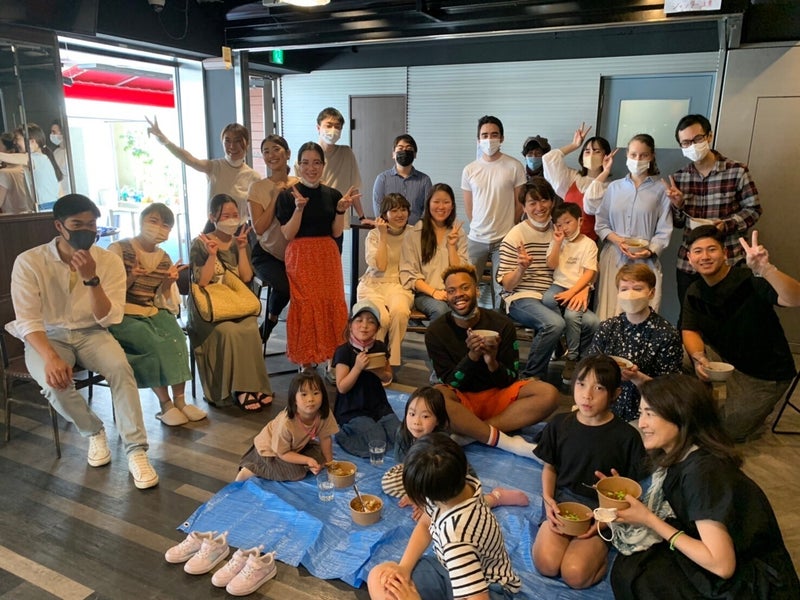
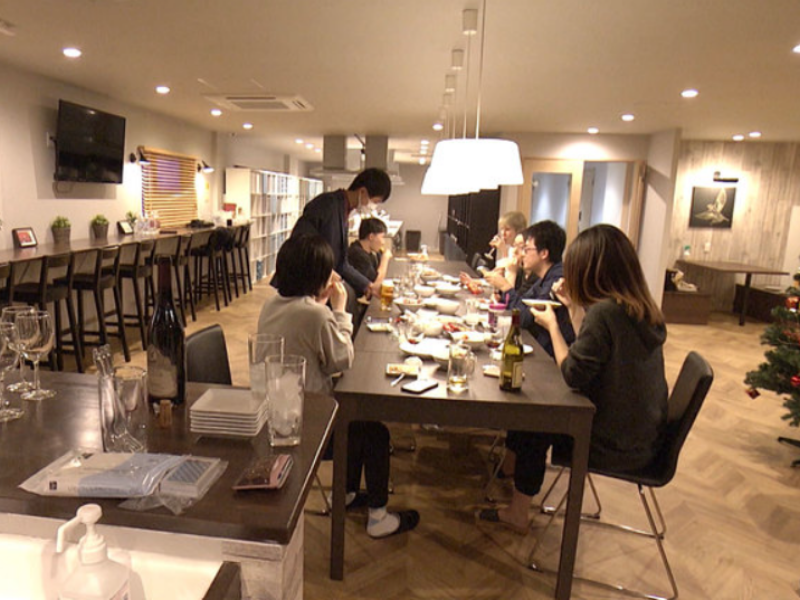
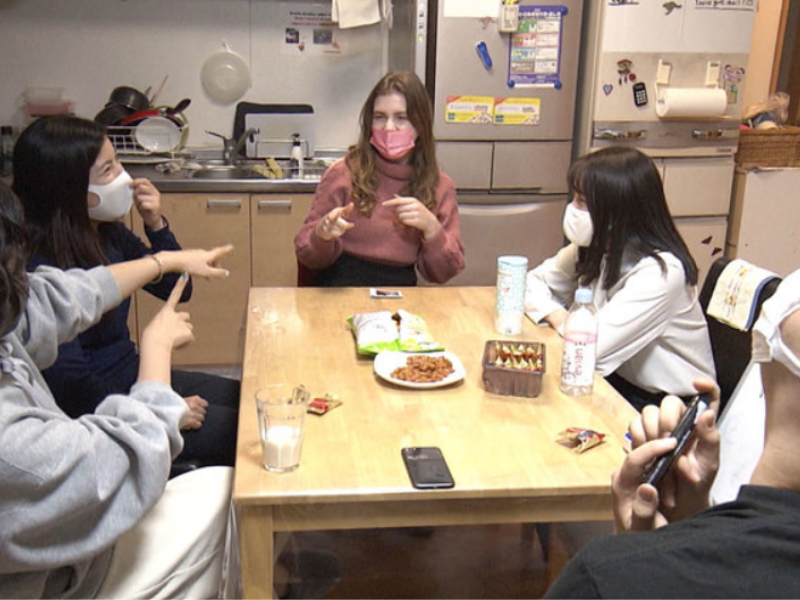
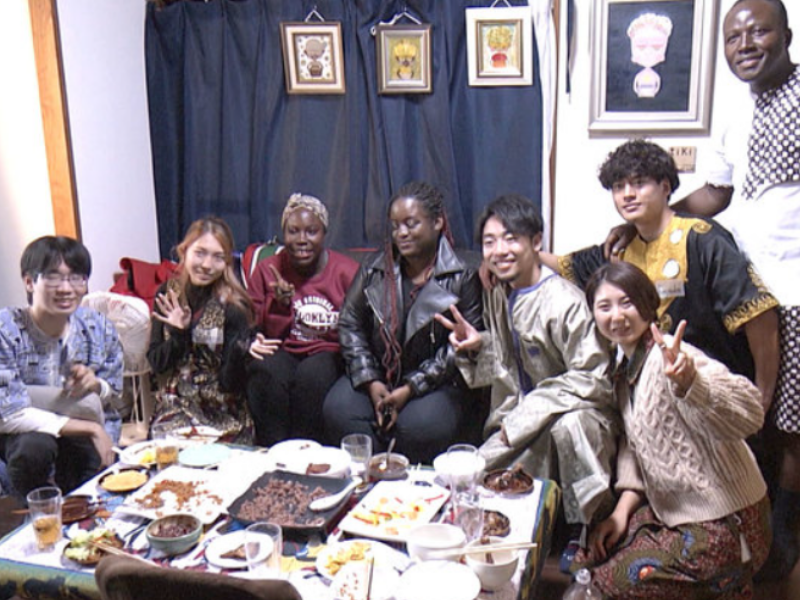
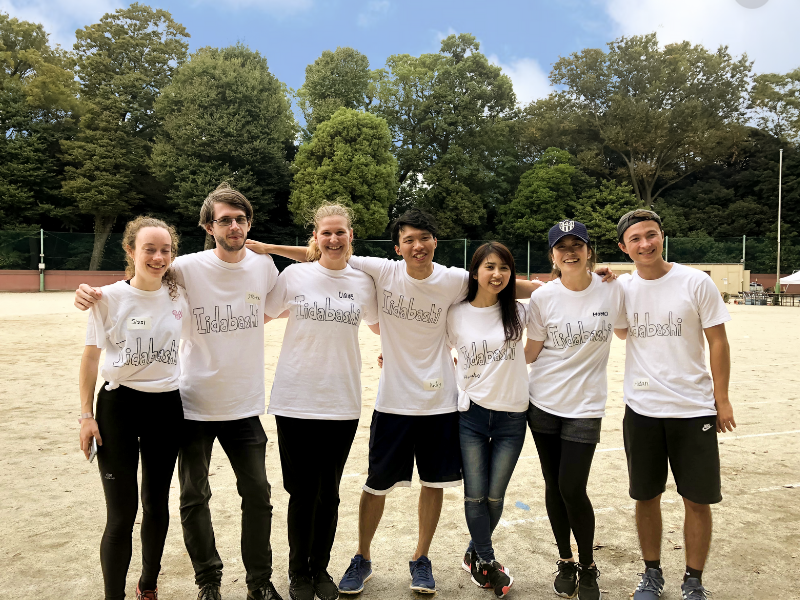
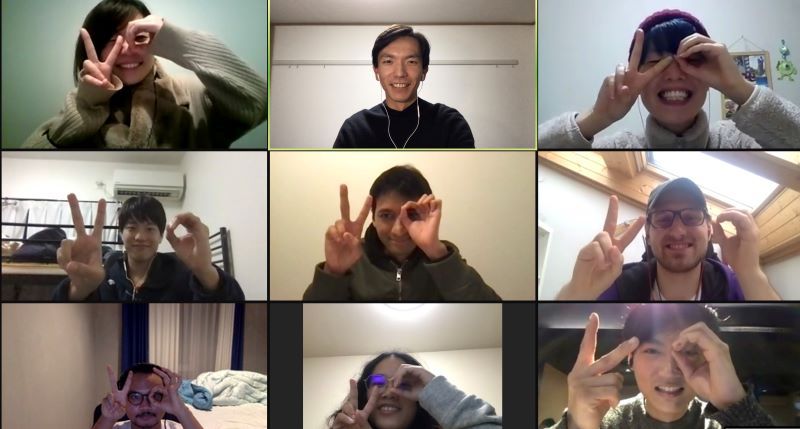
On June 17, 2022, BORDERLESS HOUSE was honored to be invited to hold a collaboration event with Intercultural Communication Center (ICC) for Waseda University students. At the event, the students got to have a discussion on some topics with people from different nationalities and backgrounds, which was exactly the same as living at Borderless House!

As when you live with people from various countries, there could be some moments you may have been shocked at some of the differences. And this is when we learn to understand different cultures and to think from a new perspective without holding any discrimination and prejudice.

Before we take you back to this One-Day Share House Experience event, let me give you a brief introduction to ICC!

About the ICC (Intercultural Communication Center)

The ICC is a venue and global community that gathers both local and international Waseda students together for intercultural exchange and interaction.

Since Waseda University has over 5,000 international students enrolled from over 100 countries and regions, the ICC was established to utilize such a diverse international environment, and further enrich on-campus intercultural exchange.  Through such interaction, students develop a new understanding of the world around them, while creating new values and interests.

The purpose of this co-living workshop – ICC share house

As the vision of Borderless House is “to create a truly multicultural society in which people can live together in harmony regardless of race or nationality,” we hope to provide Waseda students with opportunities they could learn and realize the importance of recognizing and accepting each other’s differences by exchanging thoughts and sharing own experiences.

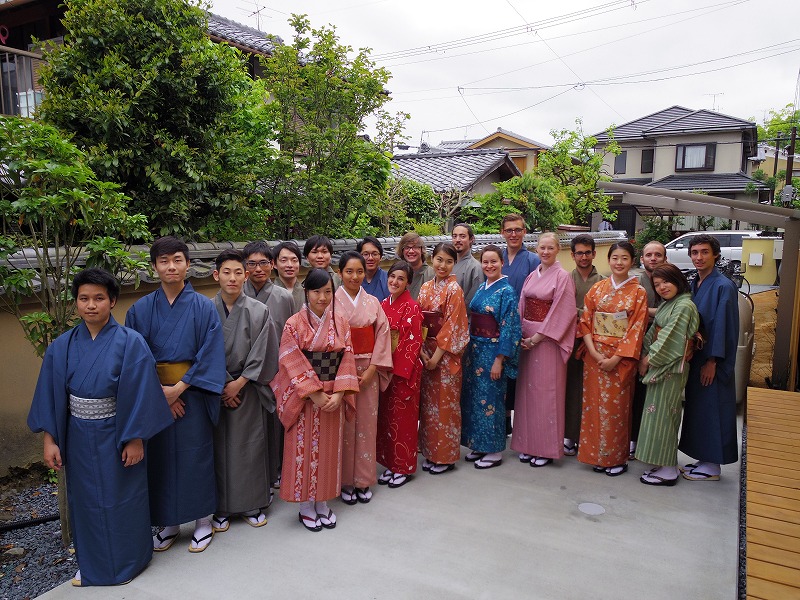
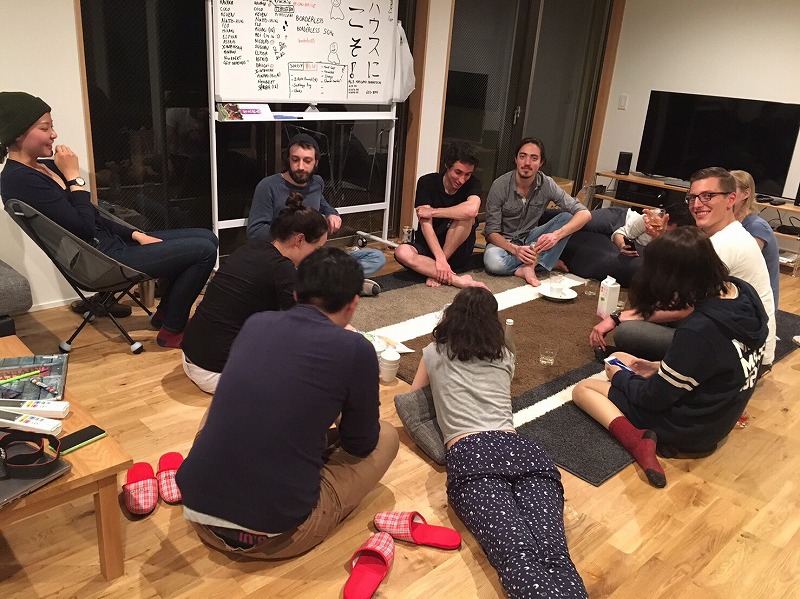
We are very glad that on the day, there were around 30 multinational participants came, so we have many “cultures”, “personalities” and “backgrounds”, which just like our share houses.  

Workshop Agenda

There are a total of 5 main parts of the workshop:
① Icebreaking!
② Presentations by the President and Manager of BORDERLESS HOUSE
③ Workshop1: Is everyone’s life routine different?
④ Workshop2: What is senior/junior culture?
⑤ Workshop3: Share your understanding and learn about

When you move into a new share house, the first thing is to

That’s right! It’s “self-introduction”! Tell others something about you and get to know all your housemates too! Maybe you’d be very lucky to make good friends who share the same interests or like the same animes as you, and you’d create a bond right away!

Presentations by BORDERLESS HOUSE

Next. our President, Seiichi Lee, and Manager of BORDERLESS HOUSE Tokyo Office, Takuya Hosogi had presentations to let the students have a better understanding and idea about what an “international share house” is.

From sharing about the vision and mission of Borderless House.

To show students the special characteristics of our share houses and the values of living at Borderless House. And of course, the photos of real share house life from our tenants!

Workshop1: Is everyone’s life routine different?


 In a communal living share house, everyone has their own lifestyle; everyone is on different schedules. So at the first workshop, we talked about each other’s lifestyles and schedules and figured out how to live under the same roof with minimal conflicts due to the differences.

When you live with someone else, it’s important to show respect for others in your everyday life, you need to be more aware that you share the space with others. So open communication is a key to making everyone live together comfortably!

Workshop2: What is senior / junior culture?

I believe a lot of you may already know about what “Senpai-Kohai culture” is, you can see the senior-junior relationship commonly in organizations, businesses, schools, associations, and clubs in Japan. So at this workshop, we talked about if this kind of culture and relationships also exist in other countries.

Everyone shares their thoughts and opinions about the “sempai-kohai” (senior-junior) system and its pros and cons. Some Japanese students also shared their own experiences, and it seemed to be very shocked for some foreign students who are from countries that don’t have this kind of culture!

Living with people from around the world in a share house, you may find some cultures or value systems that may be totally normal to some people, however, they are quite strange to you. And it’s very interesting to talk about the difference together!

Workshop3: Share your impressions and what you learn about

Lastly, there was a presentative from each group to share what they learn from today’s workshop. And we are so impressed how much the students have learned from today’s workshop:
“I am a university student right now so I have more chances to meet foreigners, but if there’s a wall between us, it would waste such good opportunities, so we should build bridges, not walls”

“I think to be able to respect each other and to try to understand each other’s differences is very important. For example, if you can’t understand well because of language barriers, there are translation tools that you can use. And there are many ways you can use to communicate with each other. But the most important of all, you need to be willing to embrace new cultures and respect them.”

Thank you very much for joining us at the ICC Co-living Event!✨

It was a valuable experience for BORDERLESS HOUSE to have close interactions with Waseda University students, not only just sharing, but also hearing their voices, ideas, and thoughts!

In the future, we hope we can have more opportunities to share our vision with the young generations and let more people experience multicultural and multilingual BORDERLESS HOUSE! If you also like our vision of creating a free of discrimination open-minded multicultural society and would like to cooperate with us for any events, please feel free to contact us HERE.

Let’s promote a wonderful community that is built on mutual understanding and active participation together:) 

 

Is it a good idea for women to stay at a share house?

If this is your first time living with people you don’t know, and if you are a woman, you might be thinking “ Is it a good idea for me to live in a gender-mixed share house?” But meanwhile, as we all know – it is not so easy for a foreigner to rent a place in Japan, so a share house could be the easiest option.

To ease your concerns and worries about living in a share house as a girl. we would like to share some pros and cons of living in a share house from a women’s perspective!

We hope this article can help you to find a place where you feel safe and comfortable staying in Japan!

Benefits of women living in a share house

Security Side | It’s actually SAFER!

In terms of security, compared to living alone in an apartment, it’s safer to live in a share house with other people. Here are the reasons:
◆ There is a MUST screening process with all the tenants who book the room at BORDERLESS HOUSE, so you don’t need to worry about who your neighbors are and if your current or future neighbors would be nice people or not.
◆ There is clear and transparent information about all of your roommates! You can see their basic info and self-introduction on the webpage before booking the room!
◆ You’d have less possibility to be targeted by stalkers, burglars, or robbers if you are living in the sharehouse.

Make Besties | You can talk about anything with your roommates

If you need someone to give you advice or suggestions on fashion, costume, cosmetics, or even your love life, or if you simply just need someone to talk to, chat, or rant, there will always be girls for you!
◆ If you stay in a shared room. you can have more time to enjoy the conversations with your roommates. It’s easier to build bonds in your relationships, and your friendships would be tighter!
◆ You will never feel bored or lonely because you will always have someone who would be there for you, listen to you, and someone who would study, watch animes and go shopping with you!
◆ If you want to brush up on your Japanese, you have more chances to practice your language skills too!

If you are the kind of person who needs more space and time for yourself, you can keep decent privacy if you live in a private room, and you can enjoy fun social life at the same time in the common areas at a share house!

Things that need to be aware of when women living in a share house

At a gender-mixed share house, 2 things here you may already expect as well as you might need to keep in mind.

1. Men and women use a toilet and bathroom differently, so you can make some rules based on your mutual agreements with your housemates to avoid any issues.
2. It’s important to be considerate of others, so pay attention to what you wear, especially in the shared spaces, such as the kitchen and living room.

So we’d like to give you some tips if you are interested in living in a share house to prevent any stress or trouble:
◇ Establish rules together
◇ Be open to communicating anything with your housemates
◇ Be careful not to interfere much in each other’s private spaces

I hope this article solves your concerns, and if you have any further questions or would like to know more about living in a share house as a girl, please feel free to check our tenants’ interview from BORDERLESS HOUSE OSAKA-TSURUHASHI1 below:

Of course, feel free to CONTACT US, so we can answer all your questions ☺

Check available rooms for girls ▶▶▶
SANGEN-JAYA1 share house
• ITABASHI-KUYAKUSHOMAE1 share house
• NIHOMBASHI1 share house
• SHINAGAWA-TOGOSHI3 share hose

*Please note, that the rooms might be booked by others at any time.

ASAKUSABASHI FESTIVAL! An event host by the tenants of Asakusabashi share house and local people from the neighborhood

Hello everyone! This is Picasso, a resident of Asakusabashi.

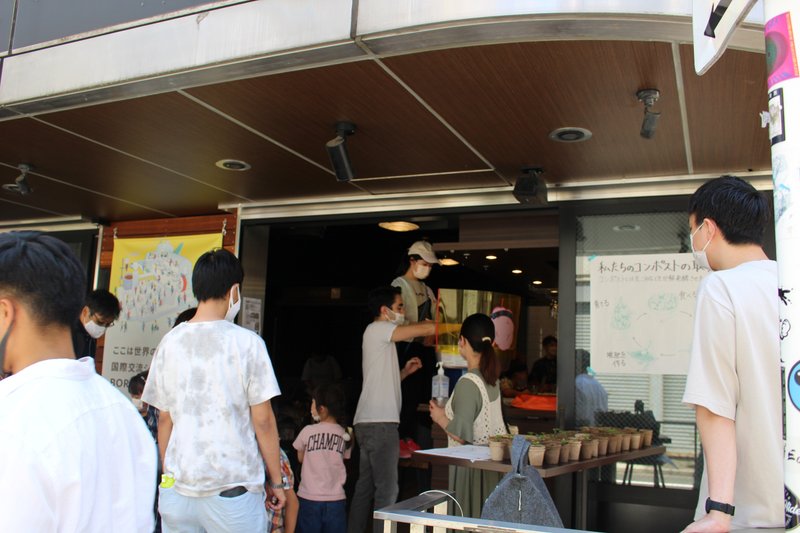
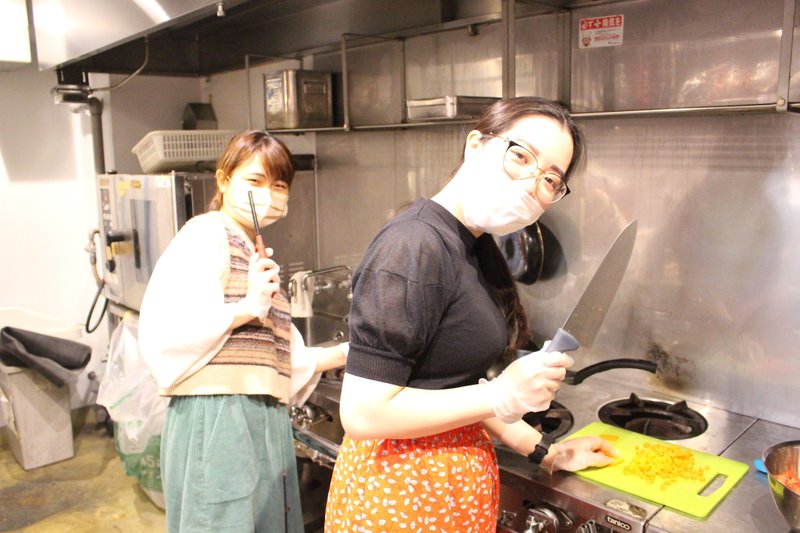
We held an event (festival!) at BORDERLESS HOUSE Asakusabashi on Sunday, May 29, 2022! This event is a cultural festival-like event where share house residents can enjoy eating, singing, listening, finding, and talking all at once, with the themes of “making things together” and “getting involved with the community”.

画像

Then, let me take you back to the event!

The event was planned and executed by all of the tenants at Asakusabashi House! 

Fun English Lesson!

画像

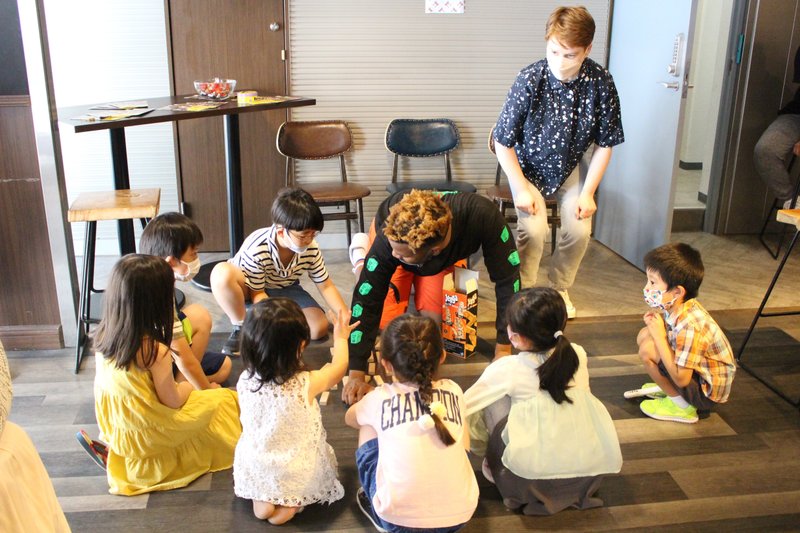
We also have an English lesson on the day that was taught by an American and an English native speakers of our Asakusabashi House residents. They were teaching English in a fun, game-like way!

There were many games that were not so common in Japan, such as games using cards and the body, but the children were very interested in them and had fun playing all of them.

Homemade smoothies

画像

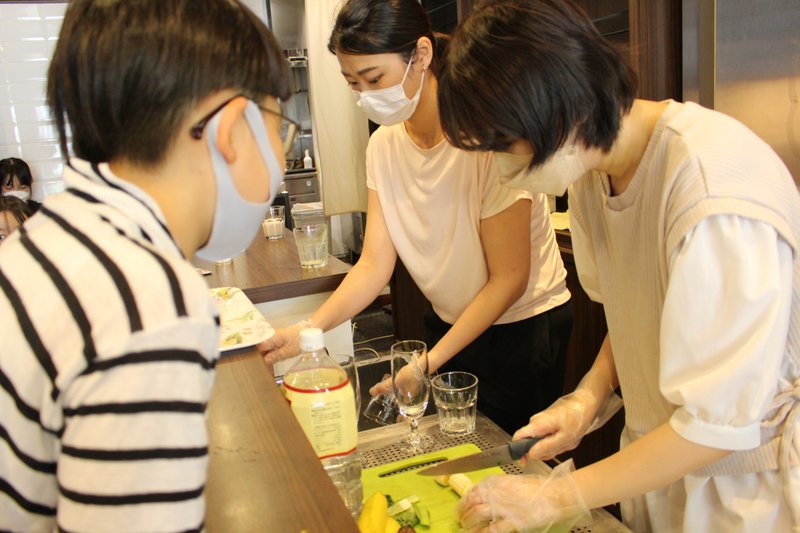
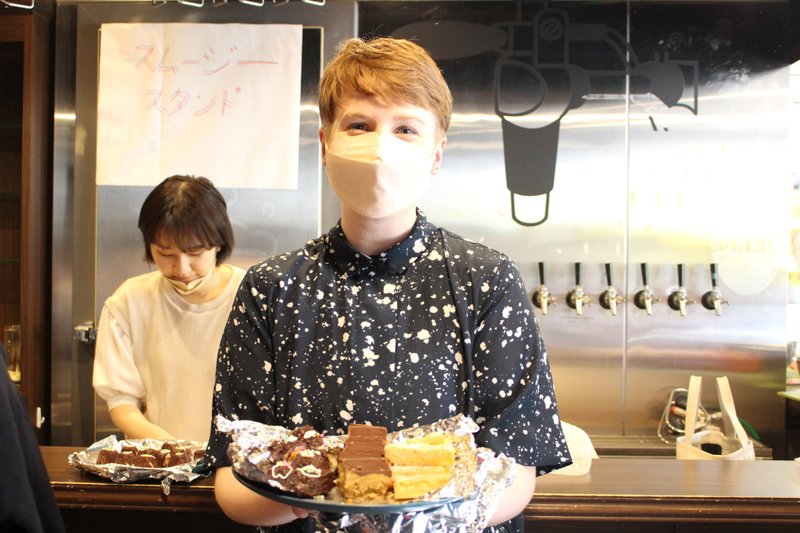
Freshness is the key to smoothies! Vegetables, bananas, milk, and other ingredients are delivered freshly in the morning! It took some time to prepare all the ingredients, and the blender was even louder than we expected, so we had to reconsider the work area, but we still made it in the end!

We expected to serve 40 cups, and the smoothies’ popularity is beyond our expectations! Almost all of them were drunk by everyone. And after lunch, more smoothies were served.

This smoothie was very tasty, with a hint of greenery from the vegetables while retaining the fragrance of the banana.

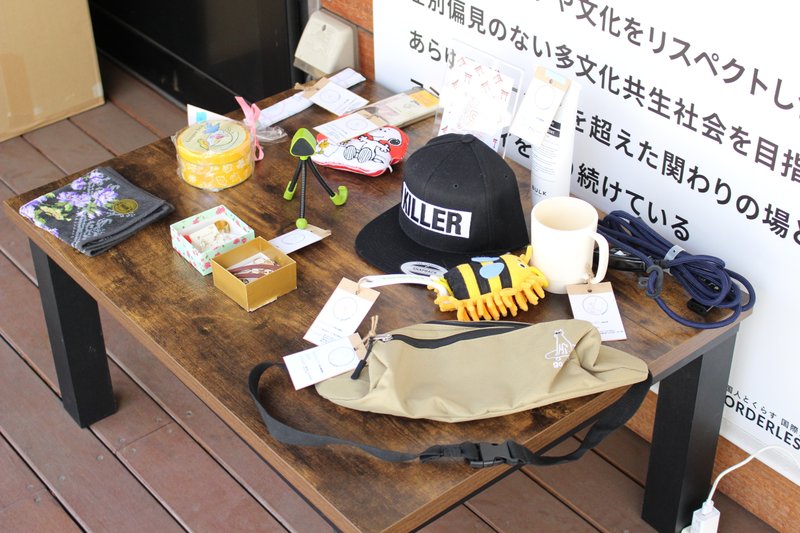
Asakusabashi House Flea Market

画像

Asakusabashi House currently has 16 residents from 5 different countries.
We collected some original and interesting things from these 16 residents. When we looked through the items, we found a collection of DVDs of anime, travel books about other countries, as well as colorful clothing, and more!

We have tags attached to each item to tell you:
– what kind of people produced these items
– who donated them to us?
– what were the thoughts behind the items?

It was interesting to see the thoughts and meanings of each item.

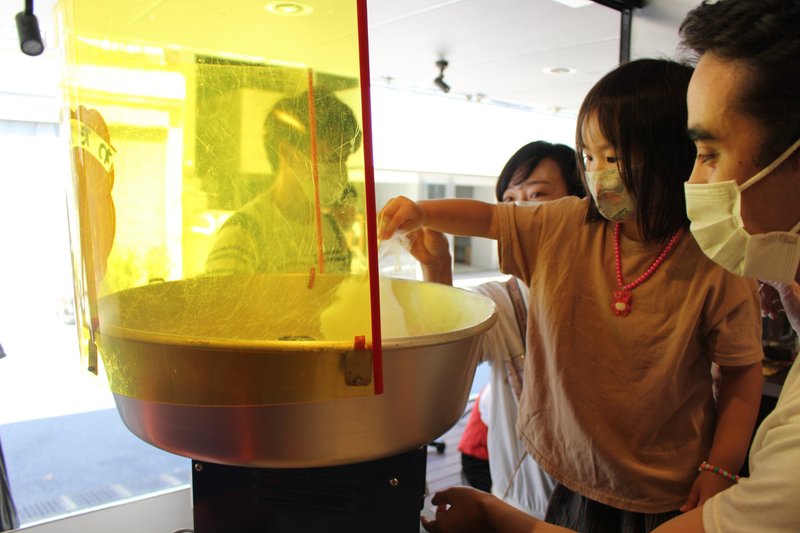
Let’s make our own Watagashi (cotton candy)

画像

The watagashi machine became a trademark of this festival! This was a hands-on corner where visitors could operate the machine and make their own cotton candy and everyone enjoyed it, especially all the kids!

It was very impressive that children kept coming to the booth saying, “I want to make a cotton ball! One of our residents, Takumi carefully taught the children how to make them, and they all enjoyed making and eating their own unique style of watagashi.

Watagashi is actually difficult to make, even for adults, so I am impressed to see the kids try their best to learn how to make it! Regardless of the shape of the cotton candy they made, the event was very lively because the children seemed to be having fun with this experience.

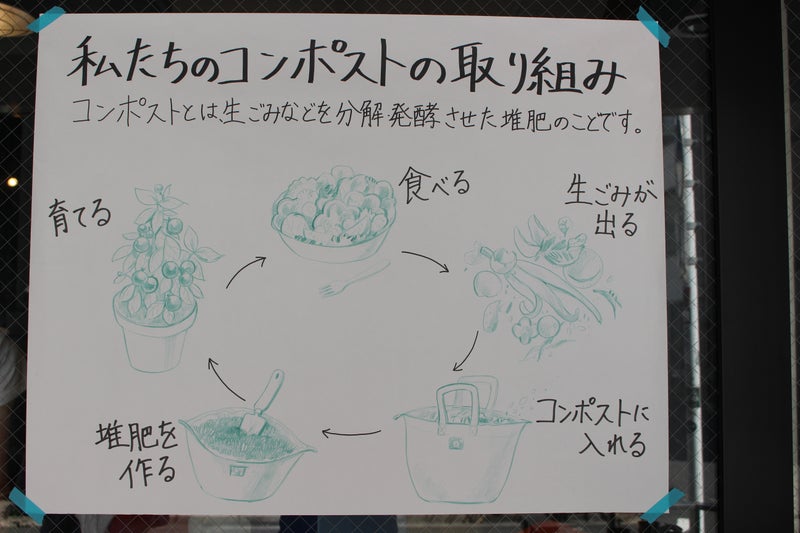
Compost & Soil Improvers – Eco Sustainable Solutions

In our daily lives, we produce garbage constantly. With the composter, by putting food scraps into the soil with microorganisms, the microorganisms eat and digest the food scraps, then return them to the soil where plants can grow again.

In this event, we tried putting the food scraps from our daily life into the LFC compost box and putting pepper and marigold seeds into the composter. And now, we still continue doing it at Asakusabashi share house.

On the day of the event, small seedlings emerged from the seeds, indicating that the soil had actually been revived. We hope that this event will provide an opportunity for people to think about the waste produced in our daily lives.

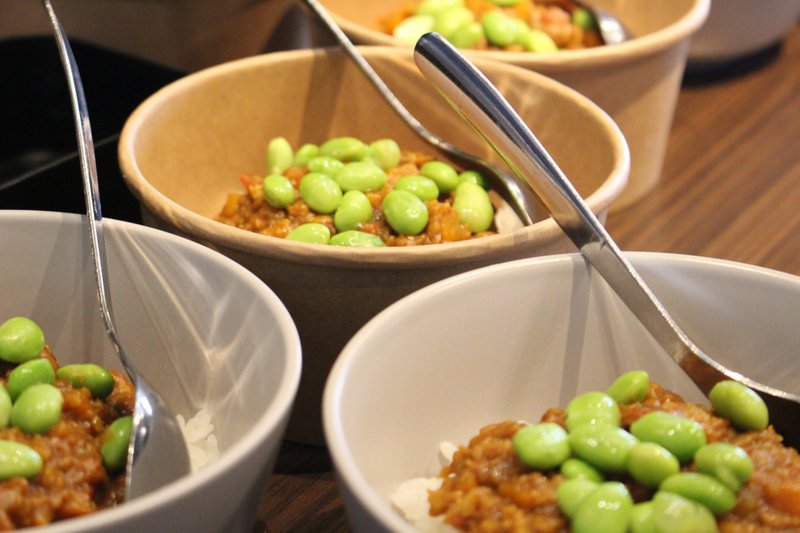
Free Lunch!

画像

The lunch was a keema curry that has sticky rice and crispy edamame beans. The keema curry was super delicious, not too spicy, and very easy and smooth to eat. The lunch was free of charge on the day of the event.

画像

The lunch was also made by our tenants from Asakusabashi House! The curry was made with soybean meat, which is environmentally friendly. It was a satisfying yet tasty curry that gives people a chance to think about what they eat as well!

Desserts from overseas

画像

All the desserts were lined up for everyone to enjoy. Each of them is different and none of the sweets were left! All kinds of desserts were so delicious that once I started eating them, I just couldn’t stop.

Live Singing by Mayowa

画像

It was a hot and warm afternoon on the day of the festival, and the live show started with songs that make you feel relaxed.

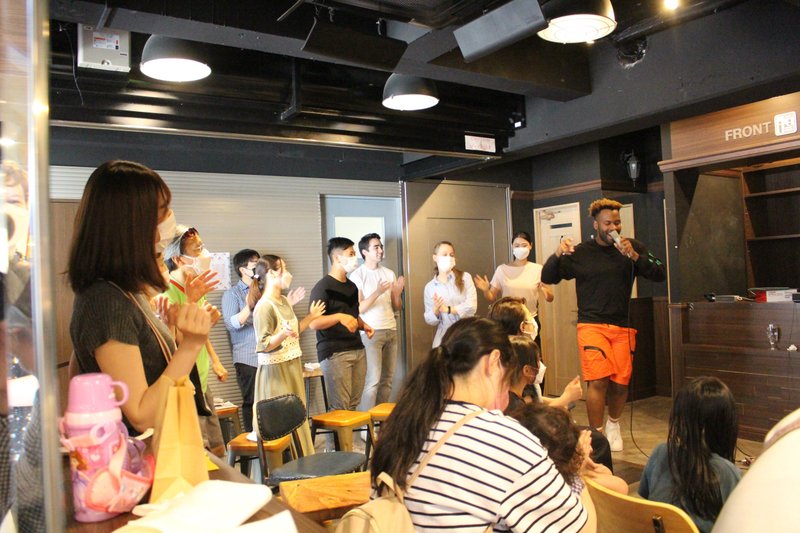
Mayowa had performed a solo show two days prior to the festival. So he was already an accomplished MC, he performed a wide range of acts, including looper* to liven things up, and ukulele! He’s so talented! All residents danced together during the final performance called “September”, it was so fun and full of energy! I really like the energetic vibes of the house.

Lastly

画像

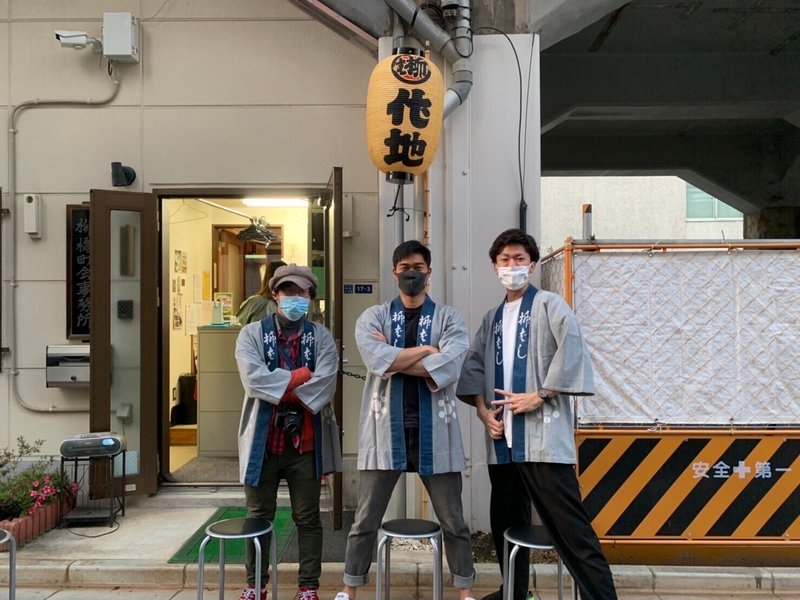
From left to right: Pikaso (reporter), Ryosuke (CM), Yuki (staff & former resident)

Until the festival was held, I wondered how many participants would show up? We were talking about what we would do if no one showed up at all… but when the lid was opened, so many people were there, and we were very grateful and had a lot of fun.

Even though Asakusabashi Share House is still very new, many people and the people of the Yanagibashi area graciously accepted us, making it a day we were much appreciated for.

This festival was the first of many we have planned, and we hope to hold more interesting events on a regular basis with the themes of “making things together” and “getting involved with the community”.

Thank you for reading this to the end!

If you want to see more details about this event, please check HERE! (in Japanese) 
Here are more blog articles that are written by our residents from Asakusabashi Share House!


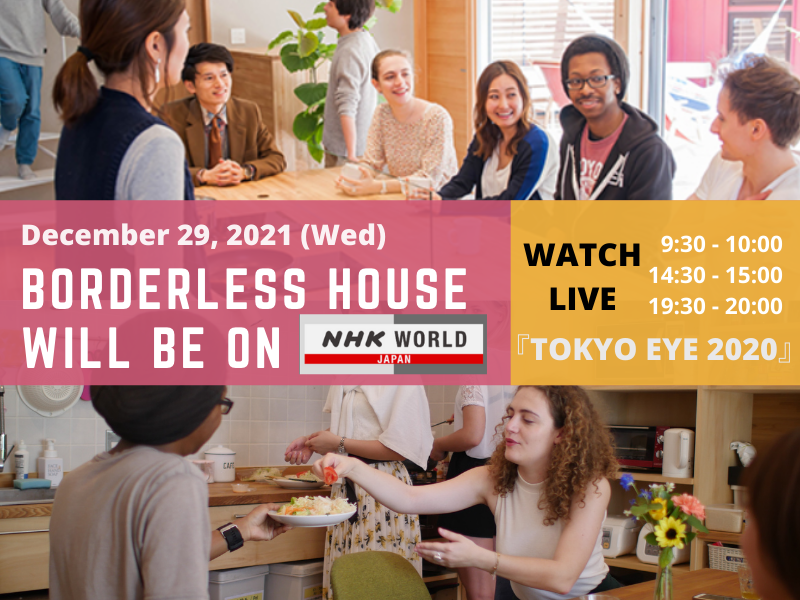
Borderless House is featured in NHK WORLD “TOKYO EYE 2020” ▎Watch Now!

Borderless House is featured in NHK WORLD “TOKYO EYE 2020“!
You can watch the show here to know more about “share house”!

【Broadcast Information】
■ Date and Time: Wednesday, December 29, 2021, 9:30~ / 14:30~ / 19:30~(JST)
■ Television Station: NHK WORLD
■ WEB LIVE Streaming: Live streaming on NHK WORLD website at the same time
https://www3.nhk.or.jp/nhkworld/en/live/
■ Television Show Name: TOKYO EYE 2020 (Hosted by Chris Pepler)
■ Content: Tokyo Share Houses: The Latest in Communal Living
During the COVID-19 pandemic, Borderless House will be introduced as one of the places that offer communal living, and how share houses are gaining fresh attention.

<Rebroadcast>
■ Broadcast Date: December 31, 2021 (Fri.) 4:30- (JST)
■ Television Station: NHK BS1

Tokyo Share Houses: The Latest in Communal Living

The show of TOKYO EYE 2020 (NHK WORLD) explores the latest trends, meets people enjoying the share house life, and discovers the communities that are emerging from these spaces.

Large share house with pandemic-preventative measures

A sharehouse that opened in April of 2021 during the pandemic. It’s built like a hotel, complete with a large lounge, cafe space, and other shared spaces with 150 seats. There are also facilities for remote work and a gym. With multiple places for residents to spread out, close quarters are avoided.

International exchange share house

A share house with a good balance of international and Japanese residents living together, allowing for cultural exchange. Japanese people can improve their English, and international residents can make friends with Japanese people and experience the Japanese lifestyle.

Africa-Japan exchange share house

The idea behind this share house is to connect Africa and Japan. It opened in August 2021. Although the current residents are only Japanese, in the future, Africans will also live there, making it a place where people can feel at home in Japan. It’s also used as a venue for Africa-related events, providing a place for exchange.

※Original source:  TOKYO EYE 2020

Introduction to Kansai Area, Japan ▏Osaka, Kyoto, Kobe

Back in the days when Tokyo was called Edo and the nation was still un-unified, the Kansai region was where all the economic, technological, diplomatic, industrial, and cultural development happened. Whether it be the imperial court at Kyoto or the main trading ports at Osaka and Kobe, Japan truly started in these regions and still holds massive importance in Japanese, and even Asian, culture, even after almost 2,000 years.

After Tokyo, these are the most popular tourist, developing, and economical areas in Japan. Therefore, many cultural locations, universities, and global companies reside here. With easy access to transportation and their close vicinity to each other, it is common for both locals and tourists to commute between these cities on a daily basis.

Osaka

Starting at its center around Osaka – Umeda Station, you will leave the station and be taken aback by the glorious and grand skyscrapers surrounding it. A great way to start getting familiar with the city is to visit the Umeda Sky Building and view the city from its 170m high viewing platform. Around the station, you can find many different shopping areas, many of them to the east. Like the Hankyu-east shopping street, Izuma-no-Hiroba, the Tenjinbashisuji shopping street, or the Dotonbori, with the famous running man sign, further south!

Hosting both the Osaka international airport and the Kansai international airport, while also having great long-distance shinkansen trains and highway busses, Osaka is in a fantastic location for further travels inside the country. With many low-cost flights, you can take trips wherever and whenever you want.
Culturally, Osaka hosts many memorable locations. Osaka castle, once the largest and grandest castle in the country, lies just a few minutes away from Umeda.

And on one of the artificial islands on the west part of the city, lies the Universal Studios Japan park! Directly connected with its own train station, it is a perfect destination for all movie fans. Take time to also enjoy its more peaceful locations, like a picnic in the tranquil Ryokuchi park, or walk along the green and great Yodo river!

【Borderless House in Osaka】

➤BORDERLESS HOUSE OSAKA-BENTENCHO 
➤BORDERLESS HOUSE OSAKA-TOYONAKA1
➤BORDERLESS HOUSE OSAKA-TSURUHASHI1
➤BORDERLESS HOUSE OSAKA-TAMATSUKURI

Kyoto

For over 1,000 years, Kyoto has been the capital of Japan. Having been so vital to the culture and politics, it has been spared from a lot of the damage and degradation other modern cities have. Because of this, many shrines, temples, and other structures are hundreds of years old but still kept fresh and clean.
Around Kyoto station, there are various clothing stores and shopping malls, especially around the Kyoto tower. Outside of that, there are small shopping streets scattered all over the city, like the Teramachi shopping district accessible via subway or bus.

In this city lies some of Japan’s most historically famous locations. Here lies the famous Kinkaku-Ji, The golden pavilion, the Kyoto imperial palace; home of the emperor for centuries, Senbon Torii; the thousand Torii Gate, Heian Shrine; build to celebrate the cities 1100th birthday, and the great Kiyomizu-Dera; a great temple complex with its famous wooden balcony. Nearby to Kiyomizu-Dera, you can also find the Sanneizaka and Nineizaka area. This entire area is built to look like old samurai-era buildings, and many of them are still the same ones from that period.

But that does not mean all in Kyoto are historical buildings and shrines. For non-historical scenery, there is the Arashiyama Bamboo forest; a stunning walking path in the middle of a bamboo forest, and the nearby Arashiyama monkey park as well! The local Kyoto city zoo, Funaokayama Park, with peaceful zen-like isolation, the Toei Kyoto studio park; home of so many old samurai era films, with many performances made by local samurai! Or take a lovely relaxing stroll along the great Kamo River, an especially beautiful location during sunny summer days.

【Borderless House in Kyoto】

BORDERLESS HOUSE KYOTO-HANAZONO1
➤BORDERLESS HOUSE KYOTO-KINUGASA
BORDERLESS HOUSE KYOTO-NISHIJIN
BORDERLESS HOUSE KYOTO-SAIIN1
➤BORDERLESS HOUSE KYOTO-SAIIN2
➤BORDERLESS HOUSE KYOTO-KAMIGAMO
➤BORDERLESS HOUSE KYOTO-KURAMAGUCHI

Kobe

Home of the world-renowned Kobe beef and the 7th largest city in Japan, Kobe has, among Osaka, being the two most historically important ports in Japan. During the Meiji period, Kobe became one of the biggest ports for western industrial and economical research, so even today, Kobe has a visible mix of Japanese and western architecture in many of its districts. Especially in the Kitano area, which used to hold the foreign diplomats and merchants. Many of Japan’s industrial powerhouses lie here as well. Companies like Kobe Steel, Kawasaki Shipbuilding, and Mitsubishi Heavy Industries.

While being an industrial city, there are many benefits to living here. From its harbor, there are many short-distance ferry rides and several cruise lines going all over Japan and Asia. Take a relaxing boat trip over a weekend to places like Kyushu, Hokkaido, or even to other countries like Taiwan and South Korea! Also accessible, is the Akashi-Kaikyo Bridge, which leads to the great island of Honshu.

Some of the local hotspots among locals and tourists are the Arima onsen, a historical hot spring resort that is still considered one of the best hot springs in western Japan, and the breathtaking Nunobiki Herb Garden, which lies high up the mountains, so whether you want to view the city night lights, or see as far away as Osaka during the day, this is a fantastic option for a relaxing trip.

【Borderless House in Kobe】

BORDERLESS HOUSE KOBE-MOTOMACHI1

With these areas being so varied and grand, it is difficult to mention or guide anyone to all their unique locations. But hopefully, this guide has given some more clarity over what each area has to offer. Since all these three areas are great tourist locations and often deal with global industries, Using only English is not such a big hindrance as it is in many other Japanese cities. Ask locals or any information desk in these areas and they will likely have a huge array of guides and tips for any first-timers around!
Enjoy, and stay safe!

★Enjoy RENT-FREE for some of the houses in Kansai Area with Summer Free Trial Stay Campaign★

Borderless House just launched a “Summer Free Trial Stay Campaign” that allows foreigners who are currently living in Japan to stay at Borderless House for FREE as a trial! You can stay at Borderless House for up to 2 months without paying rent! If you just want to stay for only one month is also no problem!

Because we hope to have more foreigners experience international share houses in Japan and create more international exchange opportunities for all our tenants in our share houses! Especially during the pandemic, having a social life and meeting new friends is difficult now.

This is a great chance for you to stay safe at home in a new environment with many wonderful Japanese housemates! You can also brush up your Japanese language skills by listening and speaking in Japanese on a daily basis!
Make your Japanese learning experiences reach beyond the textbook!

★★★Feel free to check our Campaign Page for further details★★★
https://www.borderless-house.com/jp/blog/tokyo-20210601/

Where to Stay in Japan? Accommodation option – BORDERLESS HOUSE

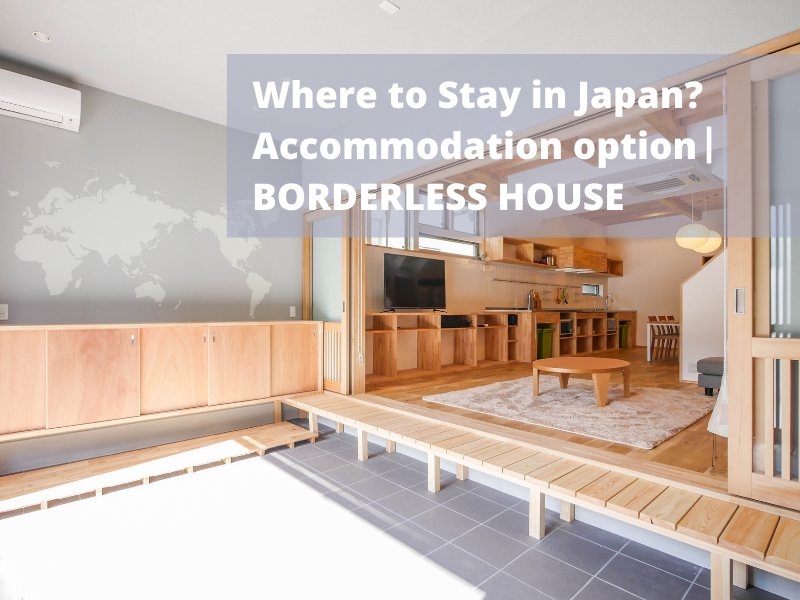
Visiting Japan for a few months but do not know where to live? Yes, a hostel is a general option but is it a good choice for a long visit? Hostels only provide you with one room. That one room is the only place where you can be if not outside. And if you chose the one with a bigger space, such as an apartment that includes a living room, it will be considerably expensive.

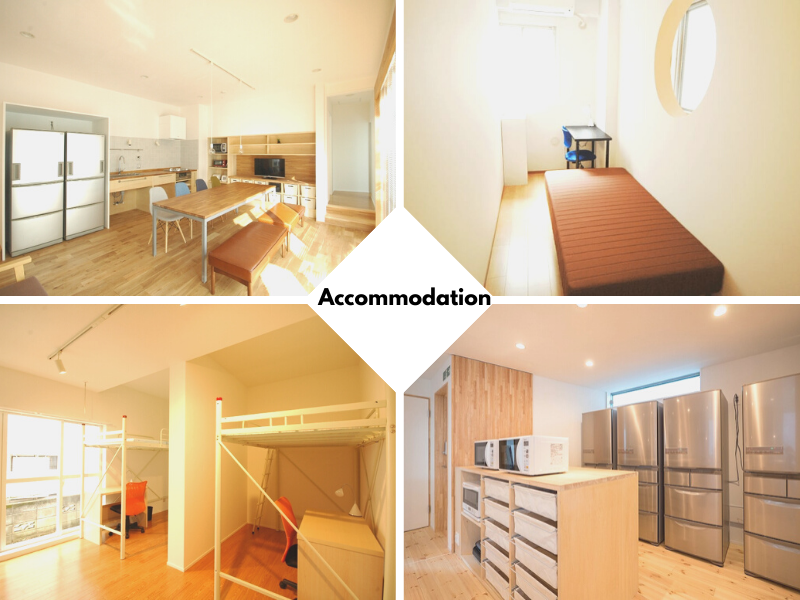
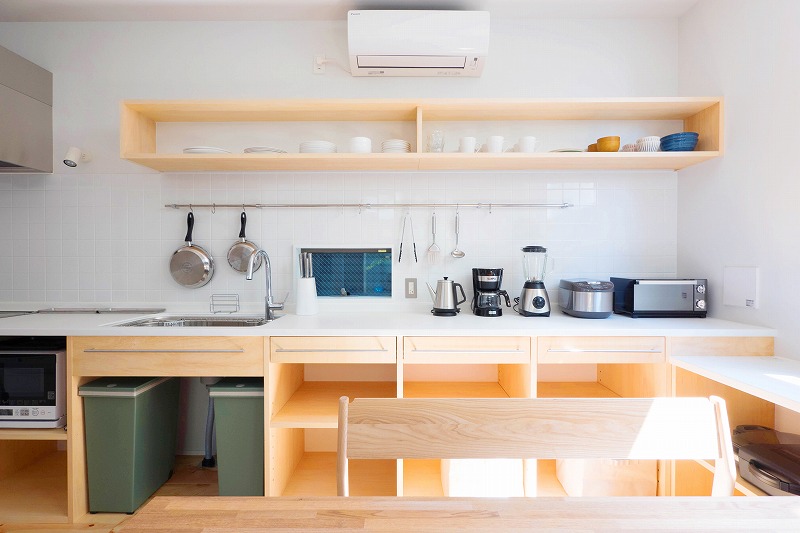
In a BORDERLESS HOUSE, you have the option of both private and shared rooms. There is a common area where you can interact with other housemates. And every room has some personal space for tenants in the shared room too. BORDERLESS HOUSE is fully furnished with basic necessities.

Moreover, we have the following advantages where you can not gain if you stay somewhere else!

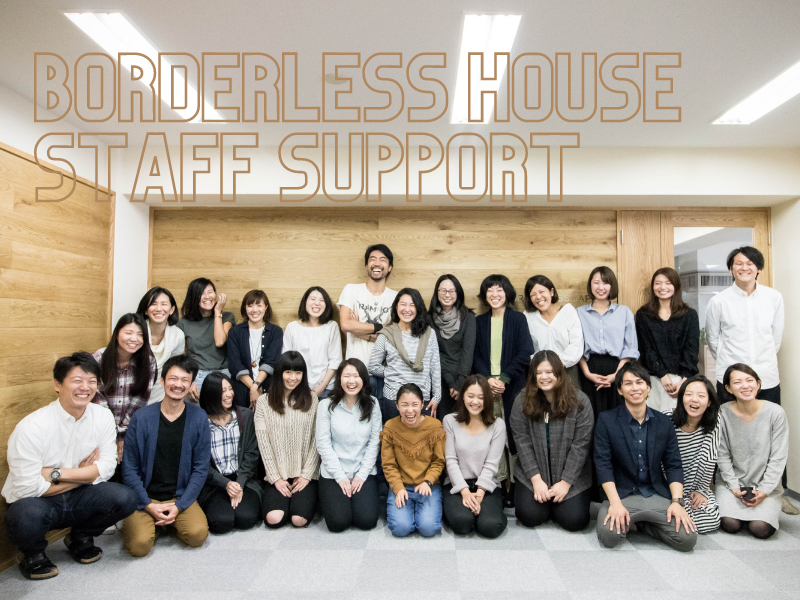
Staff Support

Whenever BORDERLESS HOUSE residents face troubles of any kind, its staff is at their service. The staff teaches them everything from cleaning equipment to fixing the internet connection. The staff also helps residents with relationship building during times of conflict.

At a new place, you find new tools and technologies. You do not always know their working process. If any residents face issues with anything staff helps them. It includes teaching them how to run a washing machine and helping them fix the internet when it’s slow or not working at all, etc.

Solving issues together

When people from different backgrounds live together, sometimes there will be conflicts no matter how well they get along. The issues can be based on different living habits, housework, personal or cultural differences. Sometimes tenants also face conflicts with their neighbors, such as noise issues, etc. In these scenarios, BORDERLESS HOUSE staff encourage residents to communicate with each other and help to arrange house meetings to resolve the conflict together along with the residents. The staff will always be there listening to the residents, get to the bottom of the conflict, and help tenants resolve them.

All the support you need 

When you land in Japan you might have some knowledge if you did research in advance. But this internet knowledge does not come in that much hand. Yes, it will give you tips about where to eat and what to see but it can never help you when you are planning to live in Japan for a long time. BORDERLESS HOUSE staff helps you with everything you might need from the day you land in Japan till the day you leave. If you need to find a job, if you want to learn the basic knowledge of living in Japan or if you are worried about when you get sick, Borderless staff is there to help you with everything. We are not only providing a place to live, but we are also helping youngsters setting up their new lives at a new place.

How to Make Your Stay More Fun at BORDERLESS HOUSE

There are four special programs available for BORDERLESS HOUSE mates to connect with each other. All these activities allow residents to connect with more than 10,000 residents and share their experiences with each other.

Borderless Mates Library

Living in a BORDERLESS HOUSE feels like living in your own personal library with exciting new neverending books. You will be at a great exposure which will allow you to learn new exciting things. Borderless mates from Japan, Taiwan, and Korea who are willing to share and make friends from all over the world all gathering here! We hope you will find the person that you want to connect with and share your knowledge, experiences, interests, skills, or specialties with each other!

Borderless Mates not only have diverse nationalities and language abilities but also have a range of international experience in specialized careers and hobbies. Undoubtedly there are Borderless Mates around the world who have the same interests or areas of specialization. It would be wonderful if we could connect these Borderless House Mates around the world!

There are many topics and interests that we can find in common!!
People should take advantage of every possible chance to be active in their fields of expertise or interest, even across geographical borders. The more common points shared between two people, the more intimate and deep the conversations and exchanges can be. Through BORDERLESS MATES LIBRARY, forging a deeper and more meaningful interaction with the Borderless House community, you will be able to gain valuable experiences and your global mindset will certainly grow stronger!

You can connect with other residents online living at other BORDERLESS HOUSE through this program and learn new things from each other!

Language Exchange

LANGUAGE EXCHANGE PROGRAM is an online service that allows you to brush up your language skills while having fun chatting with other Borderless Mates from different countries and making friends!

With various people from various countries, you can learn various languages from all over the world. The small chats will not at nothing by the end of your visit to a BORDERLESS HOUSE. You will have a working knowledge of a different language if you practice a little every day. 

Club Activities

Based on common hobbies, a community program – Club Activities that bring everyone together! These activities will help you connect with people who share the same interest! 

You can enjoy offline activities, online activities that you can participate in anywhere, and regular offline events hosted by Borderless House.

Borderless Travel

Taking small trips to explore the country better? Well, no worries your BORDERLESS HOUSE mates have your back. You can stay for free at the overseas Borderless House in the place where you are traveling by using Borderless Travel Program! Take trips together and explore areas while enjoying every second of your trip with local housemates!

※Borderless Travel is scheduled to start after the travel restrictions lifted due to COVID-19


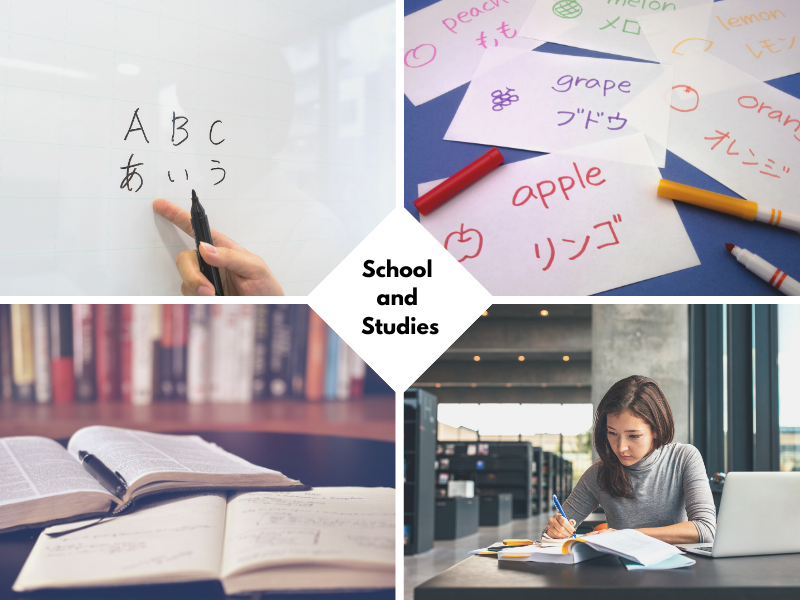
Study in Japan ▏How to choose a Japanese language school?

To learn a language on your own, and to learn it by having to use it every single day in the lands it has been forged in, is as different as night and day. Or more fitting with our beloved country in the east, like kanji and katakana.

Going to Japan and learning a wholly unique language like Japanese, can have many deep-rooted goals and inspirations for the future. Whether it is about joining a global super conglomerate with branching offices scattered all across the world, wanting to dive deeper into the isolated but rich history of samurai, shoguns, Daimyos, and Emperors, wishing to learn the engineering secrets behind the state of the art robotics, or earthquake-proof skyscrapers, dreaming to visit the Inspiration behind your childhood animes.

There is no “one right” answer to learn Japanese. Japan has so much to offer no matter what your reasons for visiting are. Be it Pop culture, Technology, Music, Cinema, History, Nature, or Linguistics. Many of you might initially come for one reason, but decide to stay for an entirely new one! And to truly know a place and its people, you need to be able to communicate with them, and English won’t cut it.

That is why joining a Japanese Language school is such a fantastic option. There, you will learn Japanese and only Japanese, from day one. And though it might sound scary at first, they do it in an incredible way where you feel your satisfying progression from the first minute you enter the school.
And I will try to help you think about what you might want to consider and look into before you start looking into the Study abroad agencies in your country, to make the process easier.

Some of the biggest factors in my decision-making were the following: location, what was my purpose for studying? culture, socializing, or is it academic? learning style/speed and how big is the size of the classes?

Let’s try to go through these things and get some ideas of what you would prefer.

Where Do You Want to Study?

Location is a very important part of the selection process. If you are going to dedicate a lot of time and resources to go somewhere, making sure it’s somewhere you will enjoy, is always a great investment.

With Japan being a country of roughly 378 square kilometers, you can find anything from the snowy plains of Hokkaido, sprawling mountain ranges of Nagano, Buzzing city-life of Tokyo and Osaka, open fields of Sendai, to the almost tropical climate of Okinawa and Kyushu.

While many choose the language school based on the city they plan to eventually go to university or work in, many also choose it based on aspects like climate, population, attractions, pastime activities, the accessibility to travel to other locations from that city, or even that the environment is closer to what you are used to from back at home.

We all know the colorful and bright views of Shibuya, Shinjuku, and Akihabara. Central Tokyo is a perfect location for those who love an endless amount of activities, technology, life, and opportunities to find connections and work. But what outside of Tokyo have Japan to offer?

While all the big cities will give you a similar big city lifestyle, filled with bars, restaurants, museums, shopping malls, and arcades, every city in Japan has its own unique style and tradition. My experience in Fukuoka, for example, was completely different from my friend’s in Osaka. So why not read up about what the different famous cities in Japan can offer?!

Kyoto, the old capital filled to the brim with history, Fukuoka, home of the Yamakasa festival, Hakata ramen, and for all fans of K-pop, a short boat trip away from South Korea, Sapporo, a more rural city that turns into a snowy wonderland during the winter. There is a city for everyone!

The point is since many of these cities often have many different options of Japanese language schools, you might as well go somewhere you feel that your soul is more drawn towards!

How Do You Want to Study?

Well then, what about the school and the studies themselves?
The most common terms used for the two different teaching styles are Asian style and Western-style. Because Many foreign students living in Japan are from China and Korea, their own language is so similar to Japanese, they can skip much of the basics and go at a faster pace and much more focus on Kanji and difficult vocabulary.

While for Western Languages, so far distant from Asian, are too different to give us an advantage. So westerners often have to start from the ground level and work up at a more gradual speed. And many go to Japan and learn without the direct intent to reach academic levels. Therefore they study at a much more casual rate. That’s where the terms Asian Style, and Western Style originates.
Western Styled schools also tend to have smaller classes. They roughly aim for a maximum of 8-10 students per class. This makes it easier for the students to interact with the teacher and each other. Because of this, there is very little confusion, since you can always make your question heard, either to the teacher or ask for tips from the ones sitting next to you.

It is important to know what your end goal with your studies will be. Is your goal to push hard and enter the university or business level Japanese and know all the Kanji’s needed to fully understand any task or information given to you? Or do you wish for a slower speed, but with more focus on the daily life of Japanese and culture? Focus more on making friends than business opportunities?

So it’s up to you if you feel like you prefer a slower, but more personal and social study experience, or if you want to focus on reaching your goal as efficiently and fast as possible.

Where Do You Want to Live?

Another topic worth taking some time to think about would be accommodations. Of course, the Agency or school you have contact with will help you organize everything. But ask yourself what type of accommodation you want, will help you immensely.

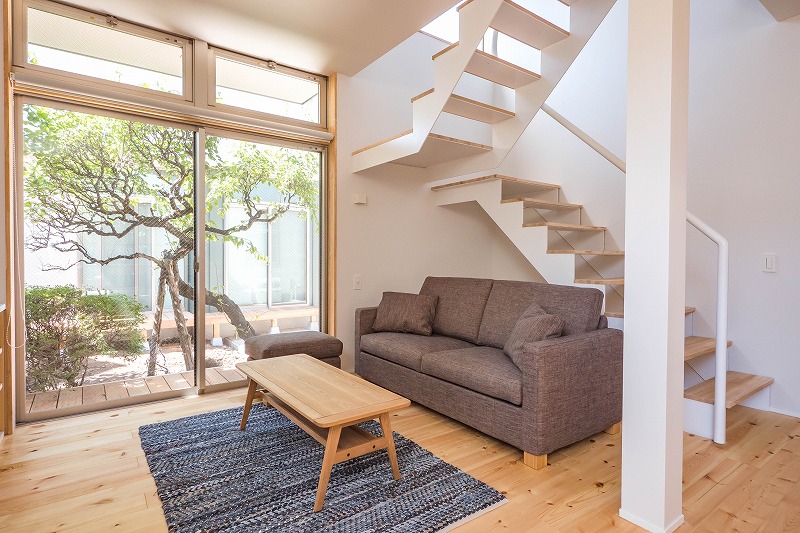
And since many travels to Japan to learn the culture and people, living by yourself in an apartment will start to feel a bit isolated. That is why options like International Share Houses are great alternatives. You will both get to live and interact with Japanese people every single day, cooking traditional food together, being able to practice Japanese daily, and making friends for life. In addition to living with other Westerners who you can talk to regarding your studies, lifestyles, and problems your Japanese roommates might not be able to relate to.

So take some extra time to think about where you want this magical time to take place. And when you actually have started your studies, being forced to study at a pace much too slow for you to reach your goal, or being so fast you get too stressed to enjoy the world around you, can really ruin the magical journey you have chosen to partake in.

Any serious Japanese language organization cares deeply about all of their students and will give you any and all help they can in regards to accommodations, rent, phones, and sim cards, transportation, helping you create a Japanese bank account for longer stays, and anything else you might need help with.

What’s keeping You From Planning?

While, of course, there are many, many more things to consider, research, and ask in regards to choosing a school, these topics are what I and most of my fellow students felt were the main deciding factors we had in common. Because when you finally do get to live and study in Japan, it will be a time you will never forget, so it is important to be in an environment you can enjoy both in and outside of class to the maximum.
Whether it’s the Study abroad agency or the school you already have selected, it’s never wrong to ask any question that might arise. They are there for you, so don’t be shy about wanting to make your dream as perfect as you can.

How is a share house different from a guest house?

A guest house is similar to a hotel room. Guests check-in and stay for some days then go back to where they were. The guesthouses also do not have all amenities. They will provide you with basic facilities like a bathroom, kitchen, and toilet.

In a share house, a rent agreement is signed between the tenant and the property holder or anyone who is renting the property. Sharehouse comes with amenities that you require to live comfortably. In many cases, there will be a TV, washing machine, toilets, bathroom, and more. In share houses, you also have the freedom to exchange rooms upon request.

A sharehouse provides you with the comfort and warmth of a home. The people you live with are there because they wanted to connect with more people, like you. So you all live like a big group of happy friends.

What sharing space you will be sharing in a share house?

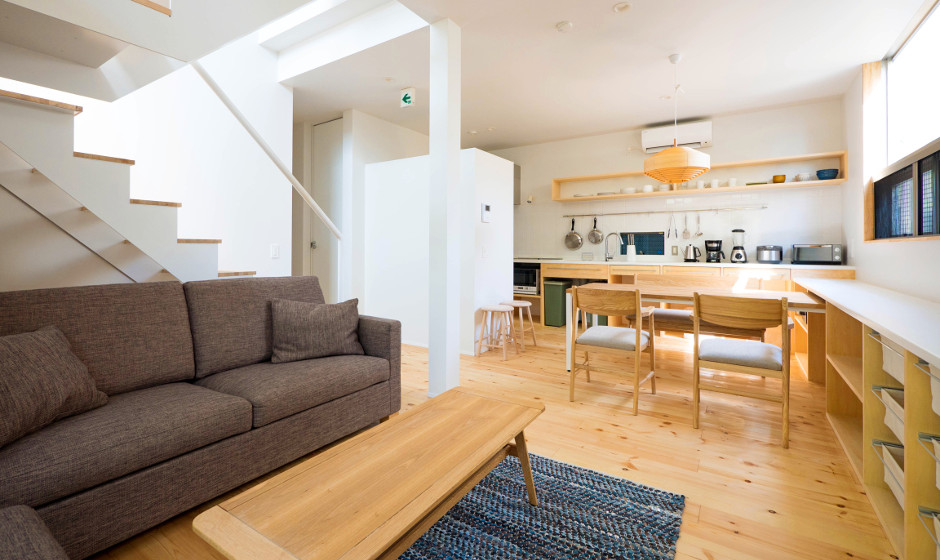
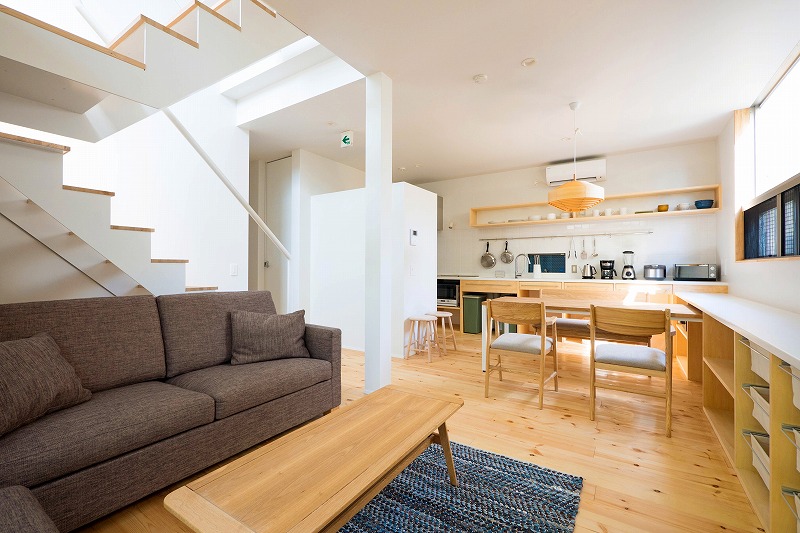
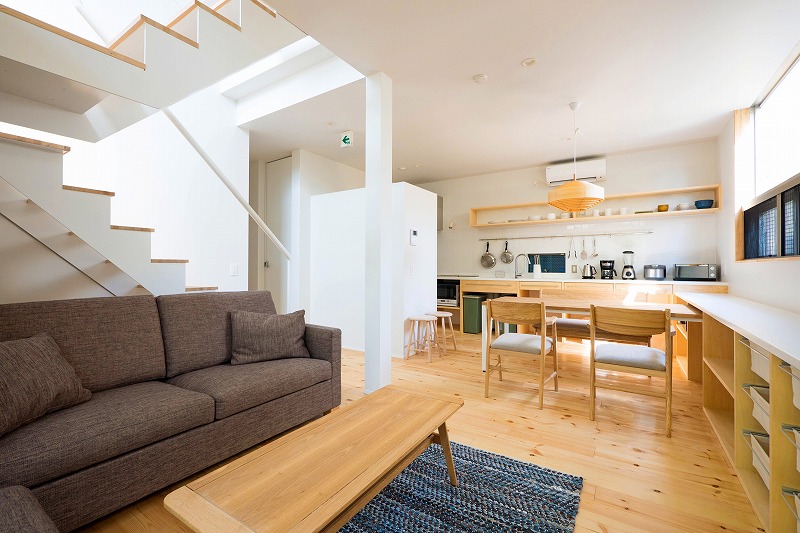
In the share house, you will be sharing almost everything with other tenants except your own room. You will share the living area, toilet, bathroom, kitchen, and other amenities provided to the share house.

So living in a share house will require some teamwork. You will need to divide chores so that one person doesn’t end up doing it all. You need to take care of this place as your home because it is your home for the time till you are there. There will be no one to tell you what to do what not to do. It is up to you to live in harmony and not create problems for other tenants.

*Picture is BORDERLESS HOUSE OMORI2

Why is it better than renting any other place?

Let’s say if you are in Japan for more than a month and you want to rent a place what will you do? You will look for an agency to get you a rental apartment. First, you will have to pay the agency a fee then you will be asked for some advance fee for security then there will be a rental fee and maintenance fee, and service fee. Whereas if you chose a share house you will not have to give so many fees. There will be only a one-time fee before you start living in the house and then a monthly fee depending upon how long you will be staying.

*Picture is BORDERLESS HOUSE OMORI2

Tips to live in a share house

Socialize: You might not want to jump into the conversation right away after meeting your new share housemates. But do not hesitate or feel awkward everyone there is new to each other and they all are trying to get to know each other better.

Work together and communicate: sometimes you might have conflicts with your housemates due to different living habits etc but try to remember it is hard for everyone. Do not feel irritated or annoyed try to calm down and talk on easy terms. Try to understand what you both are saying and communicate in a rational way with each other. The best way to avoid conflicts is to always keep yourself open up to talk.

Benefits of Staying at a Share House

● The best advantage of living in a share house is that you get to live in a home-like place on an affordable budget. The share house fee is straightforward and there are no hidden fees.

● Like we said it will be a home-like experience so you will get almost every needful appliance at a share house. There will be no need for you to buy anything to start living at a share house. All of our share houses are fully furnished.

● Living in a shared house gives you a chance to expand your social circle and experience new things. In a diverse environment, you will meet locals and people from all over the world. You can learn languages and culture and immerse yourself in a new culture faster. You will gain deep experiences of living in Japan and understand the values, perspectives, and lifestyle of Japan better.

*Picture is KYOTO-KAMIGAMO HOUSE

How To Start A New Life In Japan?

Now that 2020 is over and done with, it is time for new beginnings. To be honest, most of us are relieved and feeling like some heavy burden has been lifted off our shoulders with the end of 2020. People are associating a feeling of solace with the end of 2020 because this year has been full of anxiety and unsettling surprises for all of us, to say the least.

So, even if we don’t know if 2021 will be any better, we are certainly hopeful. Many people who were feeling lost in the last year are also looking for new ways to re-start life in 2021 with zest. And what better to begin life anew than by relocating to a new place?!

Moving to Japan

To say that life has been hard during the last few months would be an understatement. Therefore, in 2021 many people are planning for new beginnings by moving into new spaces and exploring new options. Now, for such people moving to Japan is an exciting prospect. In between its love for new technology and modern cities and its respect for ancient culture, Japan is an alluring destination. The cuisine here is pleasantly delicious, and the beautiful quiet destinations that are tucked away in the lap of Mother Nature in Japan are purely enticing for anyone who wishes for new beginnings.

But with that said, it needs to be mentioned that relocating to Japan is not easy. With its popularity and zeal for life, not everyone gets a chance to build a life in Japan. However, armed with the right knowledge and the courage to make correct decisions, one can increase his chances of finding a new life in Japan. Thus, to aid those who are serious about beginning anew in Japan, we have created a guide through which you can learn everything about starting a new life here. Have a read?!

Beginning a new life in Japan

Here is all you need to know about making a new life in Japan.

Legal requirements

If you are planning on relocating to any country, the first thing that you would need to know is the legal requirements of procuring a visa. Now, in the case of Japan, fortunately, these legal requirements are quite simple. Japan is one of those few countries that follow an almost identical visa process for everyone regardless of the matter whether you are an American, British, or Australian. So, all you have got to do is to apply for a visa at the closest Japanese Embassy or Consulate General in your country along with these documents

- Your passport
– Your Photograph
– Your visa form
– A certificate of Eligibility, original and a photocopy

Now, procuring the first three items on this list must be simple. However, if you are hearing this term, the Certificate of Eligibility for the first time, then you are not the one to be blamed. In simple words we can define this document as a certified letter that you will need to get from a Japanese person, typically your employer, suggesting that he guarantees to support you financially for the time you will be staying in Japan. Now, in case, you are a student who is moving to Japan to complete your studies, the letter will have to come from someone at the School or University that you will be attending. Once you submit all these documents to the Embassy, your legal obligations should be met.

Cost of living

If you are considering moving to Japan for beginning a new journey, then there are certain factors about living here that you must consider. One such factor is the cost of living in Japan. Now, the cost of living in Japan is radically high. You can thank the location of this country for this scenario. Japan is an island nation that is surrounded by water on all sides. As a result, most of the stuff here is not grown but imported from other nations. This is why the cost of food and drinks in Japan is higher than that of other countries. 

Now, if you are moving to Japan and you plan on eating out, then you must know that the dinner meal here consisting of food items like a noodle, curry, and hamburgers, costs about 500 to 1000 yens. However, if you chose to dine-out at an average restaurant, then you should expect your expenses to increase to somewhere between 1000 and 3000 yens. So, only if you believe you can afford these expenses should you move to this nation. 

Finding a Job

To procure your visa and to sustain yourself in Japan, you will need to find a job. Now, getting a job in Japan is not very easy since most companies here like to offer employment opportunities to the native people in Japan. The reason is simple, the natives are fluent in Japanese, and they don’t need training in Japanese customs and culture. However, that doesn’t mean that all the doors are closed in Japan for foreigners. 

So, if you are a foreigner who wishes to live in Japan and you have command over your English, then you can begin your life here by scoring the job of an English teacher. The demand for English teachers is high in Japan at all times, so if you have teaching skills, you can apply for this job. Another option for you can be to search for work in Japan in the IT field. This sector is always hiring good prospects from abroad to work with, given that these people have considerable knowledge about their field. Borderless House also provides Housing and Career Support Program which helps you to find jobs in Japan.

Find a home

Of course, when you relocate to a new apace, one thing that makes it to the top of your priority list is finding a suitable home for yourself. Now, in Japan, if you are living in one of the big cities like Tokyo or Osaka, then affording a house in such areas is a challenging prospect, to say the least. The rates of properties in these posh localities are so high that even renting a flat here is a big deal. However, we do have one solution for you, the BORDERLESS HOUSE.

Yes, BORDERLESS HOUSE is a place that offers tenants, both foreigners and natives alike, space to stay at minimal rent. The pros of living in such a place far outweigh the cons. In here you get to afford a shelter at minimal rent, you get an opportunity to stay and learn from natives the customs and language of Japan, you get an easy-go at making friends, and you incur fewer expenses for additional facilities like the internet, water, gas, etc. since you are sharing costs with so many people. Now, BORDERLESS HOUSE is starting a new campaign to offer shelter at discounted rates to individuals who are beginning their new lives in Japan from April. So, if you are relocating, then this is something you must check-out.

※Picture is BORDERLESS HOUSE OMORI2

Fix-up your insurance

The healthcare costs in Japan are too much to bear for an ordinary person. Thankfully, the Japanese government has taken this into account and designed a healthcare system that is largely geared towards its people. So, while it is the responsibility of people to carry their insurance, it falls upon the government to see that everyone gets access to the insurance services through a universal healthcare insurance system. The prices of these insurance services are determined by the Japanese government.

So, in some cases, like that of parental care or screening and exams, if you need healthcare assistance, then 70% of the costs of your treatment will be borne by the government while you will be responsible for the rest of 30% of the amount. Thus, if you are planning on starting a new life in Japan, then it is advisable to get healthcare insurance. Doing so will save you from bankruptcy if someday you happen to need healthcare services.

Learn the language

If you are starting a new life, then you would want the people around you to treat you as an ordinary person, like somebody who is one of them. However, this becomes difficult when you are a foreigner who is not privy to the customs and traditions of the land and who doesn’t understand their language. Thus, to truly feel like one of them, you will need to learn about their customs and language. 

For doing this, living in BORDERLESS HOUSE provides a great opportunity. It is so because when you live in BORDERLESS HOUSE with other natives, you get a better chance of observing the Japanese people closely. Staying around them 24*7 makes it easier for you to soak in their language and traditions. 

Conclusion

Beginning your life anew is not easy, and if you are considering moving to Japan to start new, then all this can feel a little overwhelming. However, if you will follow our suggestions and advice, you should be fine. So, all the best!

Moving to Japan- Here is Everything You Need to Know Before Finalizing Your Move

Today, the world stands as an interconnected place where people living at different geographical locations stand no more divided by the physical borders. It is true that residents living in different countries still foster different beliefs and unlike experiences, but the internet and mobiles have done a lot to bring people close to each other and to eradicate the differences. The nations have realized the importance of working together and are thus, contributing to make this world an interlinked global space.  

New opportunities for trading and business are also opening up as a result. Many countries that require manpower are enticing ex-pats by providing good packages and windows to prosper. Following this, large scale migrations have taken place in the past few years. Japan is one country that is benefitting from these changing norms. 

Japan is a popular destination among people who desire to move to a new place. The reason behind this has mostly to do with the country’s fast-paced growth. Now, Japan is a country that is rapidly climbing the growth ladder. People here are working innovatively and diligently to make the world a bustling, growing, and pleasant place. The delicious food that is native to this country adds more to its appeal. The traditions and customs that are respected and practiced here to this day also work in its favor. 

So, if you are also one of those people who are quite fascinated by this country and would like to know some more about it before deciding whether you want to move here or not, then you will find this article useful. So, are you ready? Well then, come, let’s start! 

What do you need to know about Japan? 

Every country has its own norm and culture that you are expected to be familiar with it in order to glide into the lifestyle of that region easily. So, if you are seriously considering migrating to Japan, then here is a list of things that will do you good to know well in advance.  

The cost of living in Japan 

Before moving to any new place, one of the few things that people must consider is the cost of living. Now, the cost of living in a place can broadly be described as the amount that you will be spending in meeting the basic necessities upon living there. 

The cost of living in Japan is very high. One can understand this by the mere fact that Japan is considered one of the costliest places to live in the whole world. On an average basis, the monthly cost of living here is about 2500 to 2700 USD. The reason for this is the fact that Japan is an island country and is surrounded by water on all sides. As a result, a lot of stuff is imported in Japan, which makes a living here so expensive. 

Transportation cost

If you are about to move to Japan, it makes sense to know about the transportation rules and regulations followed here. In Japan, despite the high cost of living, transportation fares are not unreasonable. Most of the people here prefer using the metro or buses as means of commutation. The metro charges about 1.50 USD, while traveling through the bullet train makes you 185 USD lighter. 

However, if you are not up for using the efficient public transport in Japan, then you can obviously use your own vehicle to commute between places. Japan drives on the left side of the road, and the signage here can be found in English or Romaji. International driving permits are allowed here, and the driver could use it in Japan for up to one year. 

English or Japanese 

Upon visiting the country and interacting with the local clan, you will see that the Japanese people are very warm and welcoming. The natives here are really polite, and they are very accepting of others. However, one issue that you might face here is related to language. If you are migrating to Japan and do not have proper command over your Japanese, you can find it challenging to navigate your way here. You can find English signage and announcements, but it is not the general norm in Japan except for at major tourist destinations. Most natives here do not speak English, and some are simply shy to interact in a foreign language. However, in big cities like Tokyo, you can always spot University students who will be happy to help you. 

Safety concerns 

No one wants to live in a dangerous place where their life or the life of their family members is in peril. Hence, it is a wise decision to be sure about the safety of a place before migrating. Now in terms of safety concerns, Japan is one of the best places to build a life. The crime rate here is very low, albeit, a large population. However, despite its low crime rate, one must bear in mind that Japan cannot be precisely termed as safe because of the natural calamities that this country witnesses. Every few years, the nation faces one disaster or other, but progressive work is being done in this department too. 

Renting costs 

In Japan, owning a property can make you rich. The renting expenses here are unusually high, especially when we are talking about big cities like Tokyo. However, there is one visible solution that you can use to solve your renting problems, that is sharehouses. Yes, sharehouses or borderless houses are spaces where people who belong from different countries share accommodation. Here you can rent a place to live at minimal costs. Generally, you are required to deposit 30,000 yen to make a reservation at the borderless house. However, at present, there is this autumn campaign under which no key money needs to be deposited. Another advantage of living here is that in Borderless House share houses, you find a friendly ambiance. Since both natives and foreigners live here under the same roof, therefore, forming bonds becomes relatively easy in sharehouses. 

*Picture is from BORDERLESS HOUSE OMORI2

Education costs 

Education is the foundation of one’s character. If children have access to education and they are taught well in schools, then the chances are that they will develop into good humans. However, if education is not accessible because of some restrictions or high costs, then it can harm the growth of a country. The Japanese government and people understand this simple fact, and thus, they have developed a committed and robust education system. Both the native and foreign children here are provided free education leaving the parents to only worry about the cost of uniforms and other such small expenses. However, if you are not willing to send your children to public schools, your costs can range anywhere between 2,000,000 JPY to 2.3 million JPY annually. 

Social etiquettes 

Japan takes its social etiquettes very seriously; therefore, it will do you good to do research before you go out and about. Living in a borderless house can aid you in learning Japanese social etiquette and much more in a short time. However, for the time being, here are some basic things that you would need to know before settling in Japan. 

For one thing, before visiting Japan, you may want to know about the greeting etiquettes. In Japan, the traditional manner of greeting requires one to bow down before another person. This would mean bending at your waist level while keeping your back straight. It is essential to note down here that the lower status person bows down first and more deeply compared to the elder. 

Another thing about the Japanese etiquettes is that it is generally considered disrespectful to wear outside shoes inside homes or temples in Japan. The general custom is to change your shoes in favor of the inside slippers provided by the hosts. In many hotels, a separate set of slippers is offered to go to the washroom, which you must remember to not wear outside of the toilets. 

In Japan, people traditionally use chopsticks to eat their food. Upon eating outside, you might come across many places that do not provide any alternative. Thus, it might do you some good to learn eating with chopsticks, and honestly, it’s not that hard. However, when you are using chopsticks, you might want to keep in mind a couple of things. You should never rub your chopsticks against each other to rid them of the residue. Such behavior is considered rude. Also, when you are done eating, you should never leave your sticks sticking into the bowls as that signifies a funeral. 

Finding work

Finding a job in Japan is not exactly a difficult task, at least not as hard as it used to be a couple of decades ago. Presently, if you own a University degree and you have a refined skillset, then finding work in big cities like Tokyo is not impossible. One thing that can probably help you get hired in Tokyo as a foreigner is your command of Japanese. If you are proficient in the language and can speak it well, it should probably work to your advantage. 

Now BORDERLESS HOUSE provides Housing and Career program that helps foreigners to land a job in Japan successfully while living in an international share house with locals. Join the 

So, these are some crucial facts about Japan that you must be aware of if you are considering moving here. 

 Have a good day!