Top 5 MUST-KNOW Tips for a Smooth Move to Japan

Moving to Japan was one of the most exciting and challenging times of my life. I felt thrilled about my new adventure but also nervous about the unknown. From getting my visa to finding a place to live, there were many obstacles.

Through trial and error, I learned valuable lessons that made my move smoother. These tips come from my own experience to help you avoid common problems and have an easy move to Japan.

Tip 1. Do Your Research and Plan Thoroughly

When I first decided to move to Japan, I felt overwhelmed by all the information. But, by researching cultural norms and neighborhoods, I avoided many common problems. For example, I found out which areas were more foreigner-friendly and learned about Japan’s unique rental processes, which helped me avoid last-minute surprises.

Actionable Steps

Creating a detailed checklist and timeline was a game-changer for me. Here’s how you can do it too:

Start Early: Begin your research at least six months before your planned move date.
Break Down Tasks: Divide your checklist into monthly, weekly, and daily tasks. This could include booking flights, packing, notifying your current landlord, and setting up utilities in Japan.
Use Tools: Utilize digital tools and apps to keep track of your tasks and deadlines. Tools like Google Spreadsheet or a simple Excel sheet can be very helpful.

Budgeting

Managing finances is crucial for a smooth move. Here are some tips that worked for me:

Estimate Costs: Make a list of all possible expenses, including visa fees, airfare, initial accommodation, and everyday expenses like groceries and transportation.
Save Early: Start saving as soon as possible. Having a financial cushion can ease the transition.

Tip 2. Get Your Visa and Paperwork Sorted Early

Applying for my visa was a crucial step, but it wasn’t without challenges. I encountered delays because I didn’t have all the required documents ready. Learning from this, I realized how important it is to start the process early and double-check everything.

Step-by-Step Guide

Here’s how you can make your visa application smoother:

1. Choose the Right Visa: Determine the type of visa you need (work, student, etc.).
2. Gather Documents: Collect all necessary documents, such as your passport, visa application form, and any supporting documents like job offer letters or school acceptance letters.
3. Submit Your Application: Apply at your nearest Japanese embassy or consulate. Ensure all forms are correctly filled out.
4. Follow-Up: Keep track of your application status and follow up if needed.

Document Preparation

Check Requirements: Verify the specific document requirements for your visa type.
Translate Documents: If required, have your documents translated into Japanese by a certified translator.
Make Copies: Keep copies of all important documents and store them safely.

Tip 3. Find Comfortable and Convenient Accommodation

I explored various options, from private studios, and co-living apartments to share houses. Each option had its pros and cons, but finding the right fit made my transition much smoother.

Housing Options

Private Studios:
Pros: Privacy, ability to personalize your space, stability.
Cons: Higher cost, more paperwork, longer commitments.

Co-Living Apartments:
Pros: Social environment, shared amenities,slightly lower cost than studios.
Cons: Shared spaces, the potential for noise, less control over the living environment.

Share Houses:
Pros: Affordable, social environment, ready-to-move-in, less paperwork.
Cons: Less privacy, shared spaces, shared responsibilities for cleaning and maintenance.

Each of these options can be suitable depending on personal preferences and needs. Some may prefer the privacy and stability of a private studio, while others might enjoy the social aspects of co-living apartments or share houses.

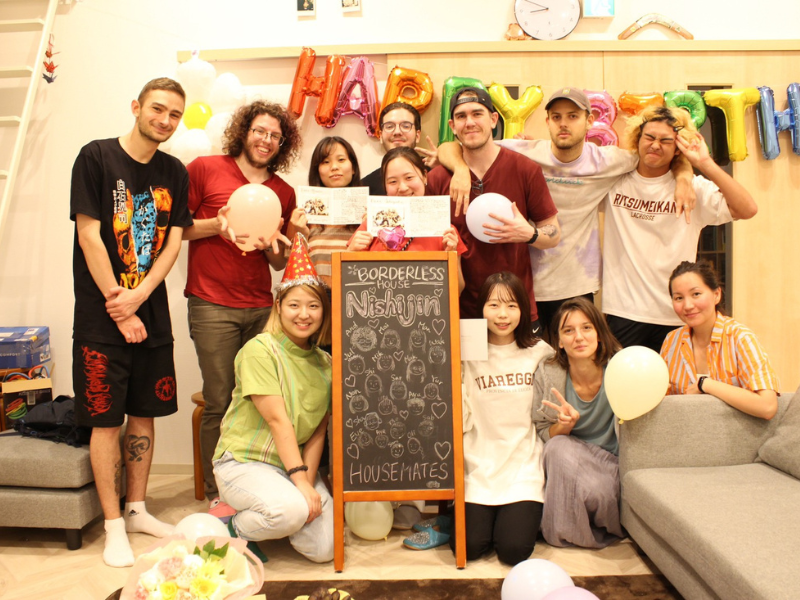
If you are looking for somewhere to live with locals to improve your Japanese and immerse yourself in the culture, I recommend BORDERLESS HOUSE. You can easily book a room overseas. It has some benefits:

Community: Easy to make friends and build a social network in Japan.
Convenience: Fully furnished rooms, utilities included, and flexible lease terms.
Support: Skype calls with the staff when booking your room; they will solve your concerns and answer all your questions.

My experience with BORDERLESS HOUSE was positive. The supportive community and convenient setup made my initial days in Japan much easier.

Tip 4. Learn Basic Japanese

Learning basic Japanese phrases made my daily life in Japan much easier. Simple greetings and expressions like “hello,” “thank you,” and “excuse me” helped me navigate public spaces, shop at local markets, and interact with neighbors. It also showed locals that I was making an effort to integrate, which was appreciated and often met with kindness and patience.

Language Resources

Here are some effective ways to learn Japanese:

Language Apps: Apps like Duolingo offers interactive and easy-to-follow lessons for beginners.
Online Courses: Websites like Udemy, Coursera, and JapanesePod101 provide structured courses that cover basic to advanced levels.
YouTube Channels: Channels like Japanese Ammo with Misa and That Japanese Man Yuta offer free lessons on vocabulary, grammar, and pronunciation.
Language Exchange: Apps like HelloTalk and Tandem connect you with native Japanese speakers for language exchange, allowing you to practice speaking and listening.
Books: Textbooks like “Genki” and “Minna no Nihongo” are great for structured learning and come with exercises and CDs for listening practice.

Tip 5. Prepare for Daily Life Essentials

From figuring out the public transportation system to setting up a bank account, there were many new things to learn. Initially, it felt overwhelming, but with a bit of preparation and patience, I was able to navigate these essentials smoothly.

Public Transportation

Japan’s public transportation system is known for its efficiency and punctuality. Here are some tips to help you get around:

Get a Suica or Pasmo Card: These rechargeable cards can be used on trains, buses, and even at some shops and vending machines. They save time and make traveling easier. You can download them on your smartphone or watch too,
Learn Key Routes: Familiarize yourself with the main train and subway lines you’ll be using daily. Apps like Hyperdia and Google Maps can help you plan your routes and check schedules.
Understand Etiquette: Be aware of public transportation etiquette, such as queuing for trains, not talking on the phone, and giving priority seats to those in need.

Banking and Finances

Here’s how to get started:

Choose a Bank: Some popular banks for foreigners include Shinsei Bank and Japan Post Bank. They offer services in English and have branches nationwide.
Required Documents: Prepare your residence card, passport, and possibly your personal seal (hanko) for the account opening process.
Online Banking: Many banks offer online banking services, which can make managing your finances more convenient.
ATMs and Cash: Japan is still a largely cash-based society. Learn how to use ATMs, which often have English options, and always carry some cash for small purchases.

Conclusion

Moving to Japan is an exciting adventure, but it comes with its challenges. By taking proactive steps like thorough research, getting your visa and paperwork sorted early, finding the right accommodation, learning basic Japanese, and preparing for daily life essentials, you can make your transition smoother and more enjoyable.

Remember, every step you take brings you closer to feeling at home in Japan. Embrace the journey and the learning experiences along the way.


The Power of Community Finding Support for Your Language Learning Journey

Learning a new language can be a daunting journey, but imagine having a supportive community by your side. The shared experiences, mutual encouragement, and constant practice opportunities can transform the process from challenging to exhilarating.

Picture yourself surrounded by diverse individuals, each contributing to a vibrant, multilingual environment. This dynamic setting not only accelerates your language acquisition but also enriches your cultural understanding. Every conversation becomes a learning moment in such a community, and every interaction is a step closer to fluency. The power of community in language learning is undeniable, offering both motivation and practical benefits.

The Role of Community in Language Learning

Being part of a community significantly enhances language acquisition by providing constant interaction and practice. Within a supportive group, you are more likely to engage in conversations, practice speaking, and receive immediate feedback, which accelerates your learning process.

Social interaction and cultural immersion are key benefits of community-based learning. Engaging with native speakers and fellow learners exposes you to real-life language use, idiomatic expressions, and cultural nuances. This immersive experience helps you develop a deeper understanding and appreciation of the language, making your learning journey both effective and enjoyable.

Additionally, modern tools and resources can complement this community experience. For instance, leveraging technology to learn English with AI offers personalized practice and feedback, enhancing the traditional benefits of community learning. Combining these innovative methods with the immersive support of a language-learning community ensures a well-rounded and efficient approach to mastering a new language.

Practical Benefits of Living in a Multicultural Environment

When immersed in a multicultural setting, you are constantly exposed to diverse linguistic and cultural practices, which naturally fosters a richer, more engaging learning experience. This immersion helps you move beyond textbook learning to practical, real-world application, allowing you to practice and refine your language skills in everyday interactions.

Enhanced Cognitive Skills and Creativity

Living in a multicultural environment exposes individuals to diverse perspectives and ways of thinking, which enhances cognitive flexibility and creativity. Engaging with different cultures can improve problem-solving skills and foster creative thinking by encouraging individuals to consider multiple viewpoints and solutions. This exposure helps develop a more versatile and adaptive mindset, essential for language learning and other cognitive tasks​​.

Increased Motivation and Language Practice Opportunities

Immersion in a multicultural environment provides abundant opportunities for practical language use, which is critical for language acquisition. Interacting with native speakers and other learners in daily life situations encourages continuous practice and reinforcement of language skills. The motivation to communicate effectively in a new language increases when surrounded by speakers of that language, leading to more rapid and natural language development​.

Development of Intercultural Competence

Living in a multicultural setting fosters intercultural competence, which is the ability to interact effectively and appropriately with people from different cultural backgrounds. This competence is crucial not only for language learning but also for personal and professional success in a globalized world. Research indicates that structured, intentional exposure to diverse cultures, such as through globally themed learning communities, can significantly enhance intercultural skills, making individuals more adept at navigating cultural differences and building meaningful connections​​.

How Borderless House Facilitates Language Learning


Living in a multicultural environment offers unique opportunities to enhance language skills through constant exposure and interaction. Borderless House leverages this potential by creating a supportive and immersive environment for its residents. Through various programs and daily interactions, residents can practice and refine their language abilities in a natural, engaging setting.

Borderless House offers a variety of language exchange programs designed to enhance language learning. These programs provide structured opportunities for residents to practice Japanese with native speakers, fostering mutual learning. Regular language exchange sessions allow participants to converse in Japanese while helping others learn their native language. This reciprocal learning model improves language skills and builds strong interpersonal connections.

Additionally, Borderless House provides immersive cultural experiences integral to effective language learning. Cultural workshops, cooking classes, and community events expose residents to Japanese customs and traditions, deepening their understanding of the language’s cultural context. Daily interactions with people from diverse linguistic backgrounds, including native Japanese speakers, offer ample opportunities for real-life practice, making language learning a natural and integrated part of daily life.

Tips for Maximizing Your Language Learning in a Shared House


Immersing yourself in a multicultural environment enables you to practice your target language daily, engage in meaningful cultural exchanges, and utilize a wide range of resources to accelerate your learning.

Engage Actively with Fellow Residents

To make the most of your language learning experience at Borderless House, actively engage with your fellow residents. Initiate conversations in Japanese, participate in group activities, and don’t hesitate to ask for help with language nuances. The quantity and quality of language interaction are pivotal for language skill development. Through regular interactions, you can improve your speaking and listening skills in a supportive environment.

Participate in Cultural Activities

Take advantage of the cultural activities organized by Borderless House. These activities, such as cooking classes and cultural workshops, provide practical contexts for using Japanese. Engaging in these activities helps reinforce language skills through real-life application and deepens your cultural understanding.

Use Technology to Supplement Learning

While living in a shared house provides ample opportunities for language practice, using technology can further enhance your learning. Leverage language learning apps and online resources to practice Japanese outside of your daily interactions. Combining traditional learning methods with modern tools, such as using AI for language practice, can provide personalized feedback and help you progress faster.

Set Realistic Goals and Track Progress

Setting achievable language learning goals and tracking your progress can help you stay motivated and focused. Define specific, achievable objectives, such as learning a certain number of new words each week or mastering a particular grammar point. Regularly reviewing your progress can help you stay on track and celebrate milestones along the way, making the learning process more rewarding.

Create a Language-Rich Environment

Enhance your language learning by creating a language-rich environment in your shared house. Label common household items in Japanese, listen to Japanese music, watch Japanese TV shows or movies, and read Japanese books or articles. Immersing yourself in the language through various media helps reinforce learning and keeps you constantly engaged with the language.

Wrapping Up

Harnessing the power of community can transform your language learning journey. Engaging with a supportive network enhances your skills through constant practice, cultural immersion, and mutual encouragement. This dynamic environment accelerates fluency and fosters a deeper appreciation for the language, making the process both effective and enjoyable. Tap into the support of the community to improve your language learning experience.

Comparing Housing Options in Japan: Choose Your Japanese Home

Are you moving to Japan soon? As you embark on your journey in this captivating country, choosing the perfect place to call home is crucial.

From traditional guest houses to modern apartments and innovative shared housing communities, Japan offers a diverse array of living spaces to suit every lifestyle.

For foreigners seeking accommodation in Japan, navigating through this plethora of options can be both exciting and overwhelming. Whether you’re relocating for work, study, or adventure, finding the right housing solution is essential for a comfortable and enriching experience.

In this blog, we’ll simplify the process for you by providing a comprehensive comparison of housing options available in Japan. From Tokyo apartments for rent to shared housing communities, we’ll explore the features, benefits, and suitability of each option. Plus, we’ll shine a spotlight on why Borderless House stands out as an excellent choice for foreigners looking to settle in Japan. So whether you’re a student, a professional, or an adventurer, let’s find your ideal Japanese home together!

Exploring Traditional Housing Options in Japan

Apartments アパート

Japanese apartments, known as “apāto,” are a popular housing choice for both locals and foreigners alike. These compact living spaces are characterized by their efficient use of space and convenient location within urban centers.

Typically found in high-rise buildings, Japanese apartments often feature modern amenities such as built-in kitchen units, compact bathrooms, and sometimes even communal facilities like gyms or rooftop gardens.

Pros:
● Convenient urban locations, often close to public transportation and amenities.
● Modern amenities and efficient use of space.
● Variety of sizes and layouts to suit different needs and budgets.

Cons:
● Limited space, especially in smaller units.
● Higher rental costs in prime locations.
● Potential noise from neighboring units or busy streets.

Mansion (Manshon)

In Japan, the term “mansion” refers to a higher-end type of apartment or condominium. Mansions are typically larger and more luxurious than standard apartments, offering additional amenities such as concierge services, security systems, and sometimes even private gardens or communal lounges. They are often favored by expatriates and affluent locals seeking upscale living experiences.

Pros:
● Spacious and luxurious living spaces.
● Premium amenities and services.
● Prestigious addresses in desirable neighborhoods.

Cons:
● Higher rental or purchase costs compared to standard apartments.
● Limited availability in certain areas.
● Maintenance fees and additional expenses may be higher.

Share Houses

Share houses have gained popularity in recent years as an alternative housing option for both locals and foreigners. These communal living spaces typically consist of private bedrooms combined with shared common areas such as kitchens, bathrooms, and living rooms. Share houses offer a balance between affordability, community living, and convenience.

Pros:
● Affordability, with lower rental costs compared to apartments or mansions.
● Opportunities for social interaction and cultural exchange.
● Flexibility in lease terms and room configurations.

Cons:
● Limited privacy compared to living in a standalone apartment.
● Potential conflicts with housemates.
● Shared responsibilities for cleaning and maintenance.

Choosing the Right Housing Option

Now that you’re familiar with the traditional housing options in Japan, how do you decide which one is the best fit for you? Here’s a guide to help you make an informed decision:

Consider Your Budget
Start by evaluating your budget and determining how much you can afford to spend on housing expenses. Apartments and mansions tend to be more expensive than share houses, so it’s essential to choose an option that aligns with your financial situation.

Prioritize Location

Think about your daily commute, access to amenities, and proximity to your workplace or school. Apartments and mansions in central Tokyo may offer convenience but come at a higher cost, while share houses located in suburban areas may provide a more affordable alternative with a longer commute.

Assess Your Lifestyle Needs
Reflect on your lifestyle preferences and requirements. Are you looking for a private space where you can unwind after a long day, or do you thrive in a social environment with opportunities for interaction? Consider factors such as privacy, socializing, and access to facilities when choosing between apartments, mansions, or share houses.

Evaluate Amenities and Services
Take stock of the amenities and services offered by each housing option. Apartments and mansions may come with facilities like gyms, lounges, or security services, while share houses often emphasize communal spaces and social activities. Choose the option that best meets your needs and enhances your living experience in Japan.

Seek Recommendations and Reviews
Don’t hesitate to reach out to fellow expatriates, online forums, or housing agencies like GaijinPot for recommendations and insights. Hearing firsthand experiences from others who have lived in different types of housing can provide valuable perspectives and help you make a well-informed decision.

Home Away from Home: Embracing Borderless House Living

Borderless House offers a unique approach to housing in Japan, focusing on fostering a vibrant multicultural community. With a mission to create a home away from home for residents from around the world, Borderless House redefines the traditional concept of shared living. Their properties are strategically located in prime urban areas, offering convenience and accessibility to residents while ensuring a supportive and inclusive environment.

International Community
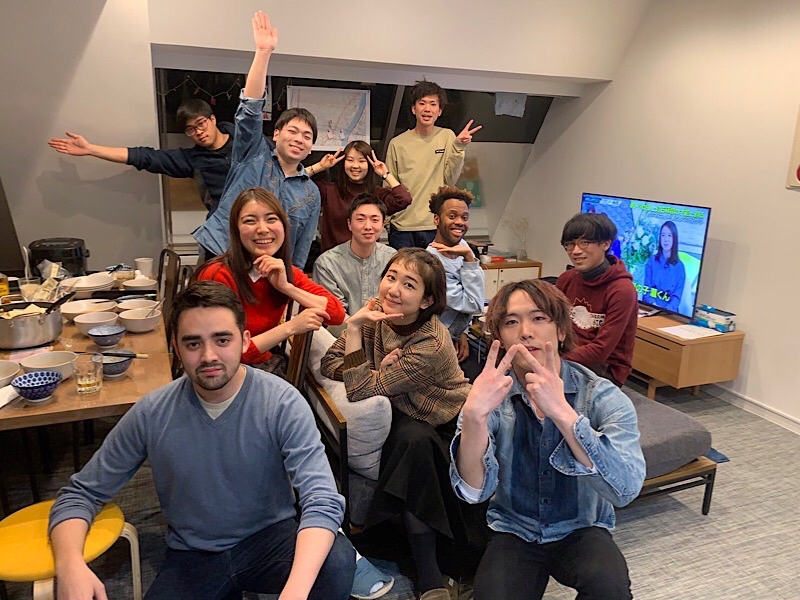
Borderless House prides itself on its diverse mix of residents hailing from various countries. This creates a dynamic environment ripe for cultural exchange and language practice, enriching the living experience for everyone involved.
With 50% of tenants being Japanese locals, residents have the unique opportunity to live and learn with Japanese housemates, practicing language skills and gaining deeper insights into cultural traditions.

Convenient Locations
Situated near public transportation hubs and urban centers, Borderless House properties offer unparalleled convenience. Residents enjoy easy access to amenities and services, making everyday life in Japan hassle-free and enjoyable.

Flexible Contracts
Borderless House offers flexible contracts with a minimum one-month stay requirement. Moving in and out is a breeze, as tenants only need to provide a 30-day move-out notice, allowing for seamless transitions as your circumstances change.

Fully Furnished
Say goodbye to the hassle of furnishing your new home. Borderless House offers fully furnished living spaces equipped with everything you need for comfortable living, eliminating the need for additional furniture or appliances.

Supportive Environment
Borderless House ensures that residents feel supported and cared for during their stay. Regularly organized events and activities foster a sense of community, making it easy to forge friendships and create lasting memories.

By carefully considering these factors and weighing the pros and cons of each housing option, you’ll be well-equipped to choose the right accommodation that suits your lifestyle, budget, and preferences during your stay in Japan.

In summary

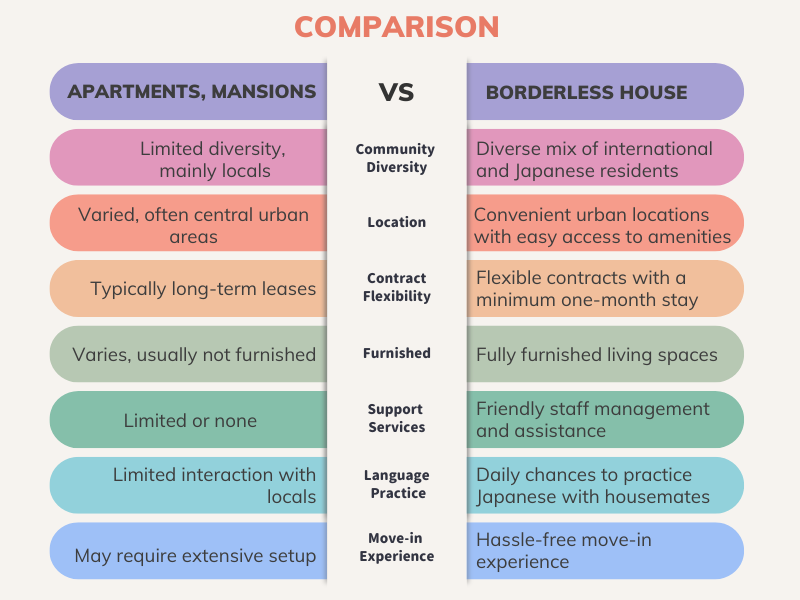
When it comes to finding the perfect housing option in Japan, it’s essential to consider factors such as community diversity, location convenience, contract flexibility, furnished living spaces, support services, cultural exchange opportunities, language practice, and move-in experience. While traditional housing options offer their own advantages, Borderless House emerges as a standout choice for those seeking a unique and enriching living experience in Japan.

So why settle for ordinary when you can embrace extraordinary? Consider Borderless House for a memorable and immersive living experience in Japan.

Take the first step towards your Japanese adventure today. Contact Borderless House for more information or to book your stay. Your journey to multicultural living awaits!

Discovering Machiya’s Hidden Gems: Trendy Cafes and International Share Houses in Tokyo’s Charming Downtown

Have you ever explored Machiya in Tokyo? Nestled in Arakawa Ward and along the Sumida River, Machiya is a unique blend of traditional downtown charm and modern redevelopment. But did you know that amidst its quaint streets, Machiya boasts a variety of stylish cafes?

In this feature, our staff, who have regularly visited for share house viewings, revisits Machiya to spotlight some standout cafes. We’ll also introduce you to the “Borderless House,” an international share house that’s perfect for immersing yourself in the local vibe of Machiya.

Check BORDERLESS HOUSE MACHIYA1 share house information
Check BORDERLESS HOUSE MACHIYA2 share house information

Getting to Machiya Station and What’s Nearby

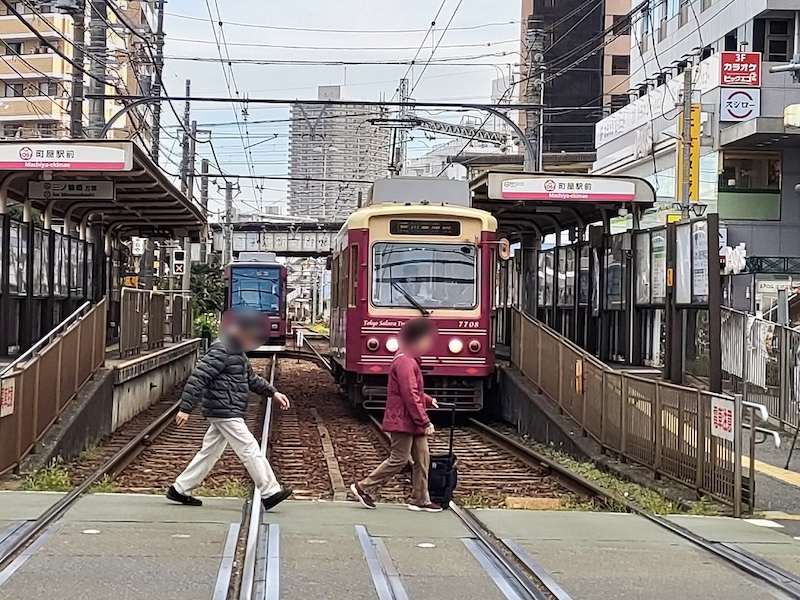
Machiya, situated in Arakawa Ward, is conveniently accessible by three lines: the Tokyo Metro Chiyoda Line, the Keisei Main Line, and the Toden Arakawa Line, also known as the Sakura Tram. With Nishi-Nippori Station just one stop away on the subway, you can easily transfer to the Yamanote Line. This means Akihabara is just about 15 minutes away, while Ikebukuro and Tokyo Station are around 20 minutes, and Shinjuku and Shibuya can be reached in approximately 30 minutes. The Sakura Tram, one of Tokyo’s only two tram lines, offers a unique and scenic urban travel experience.

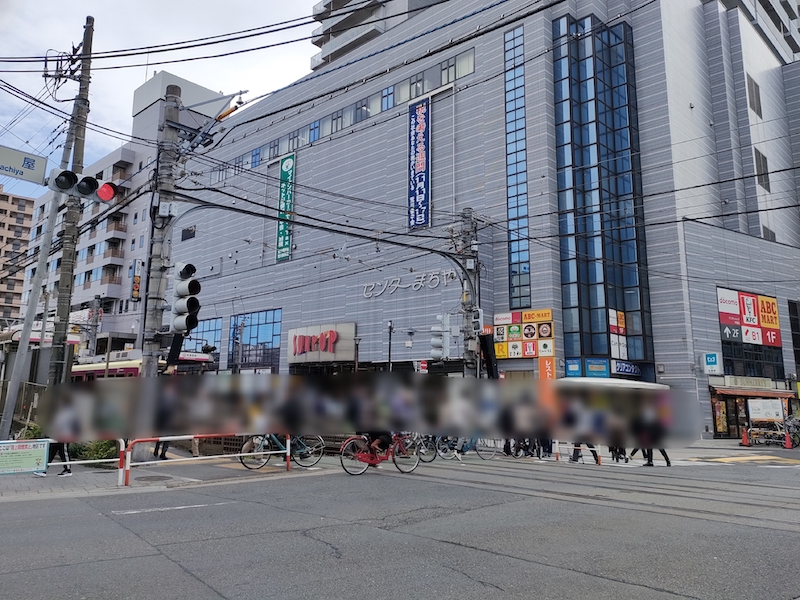
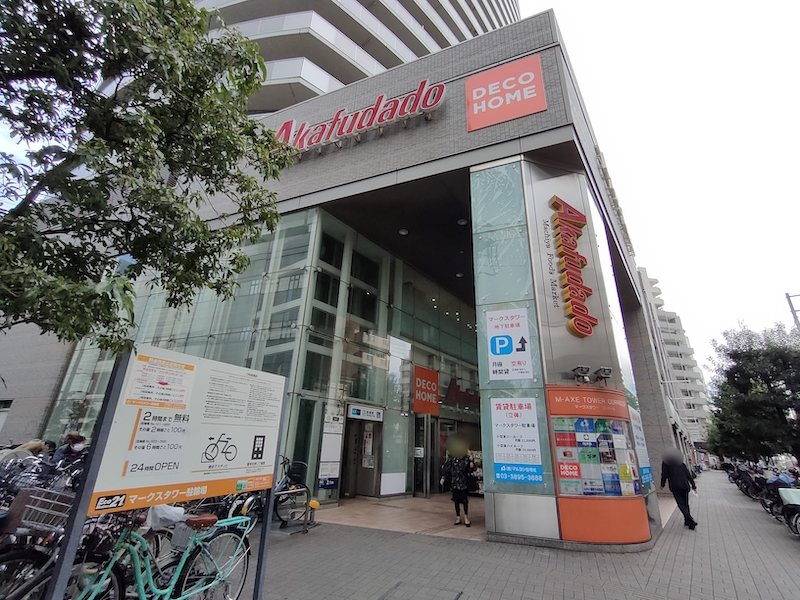
The area around the station is well-equipped for shopping and daily needs, featuring a large commercial center named SUNPOP and a supermarket called Akafudado, among other convenient shopping spots.

Right outside the station, you’ll find “Machiya Avenue,” a lively street lined with a diverse array of gourmet shops, from well-known chains to unique independent stores.

The Top 3 Cafes in Machiya You Must Visit

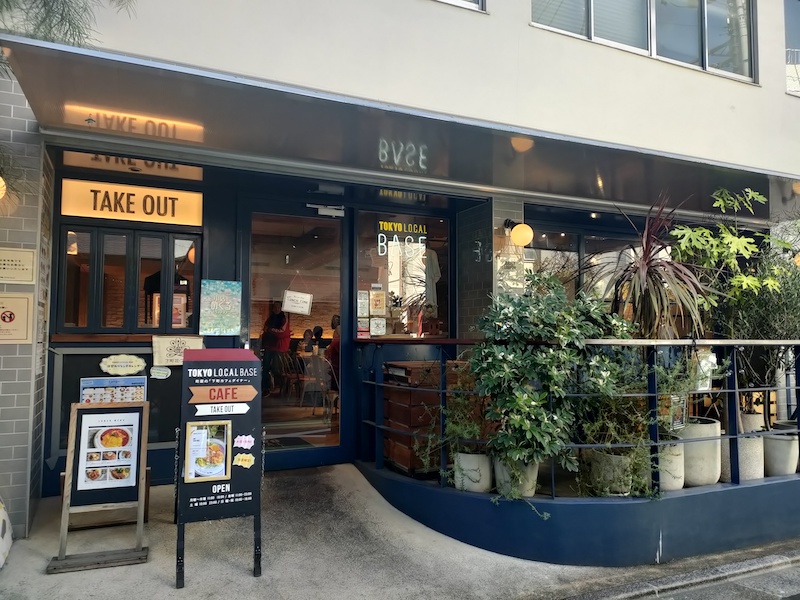
TOKYO L.O.C.A.L BASE

A mere 3-minute stroll from Machiya Station brings you to TOKYO L.O.C.A.L BASE, easily identifiable by its neon “CAFE” sign on a concrete facade. Located off the main street in a serene area, this trendy café offers a delightful menu, with a focus on tasty pasta dishes. When I visited during lunchtime, the place was lively with local customers, including moms with kids.
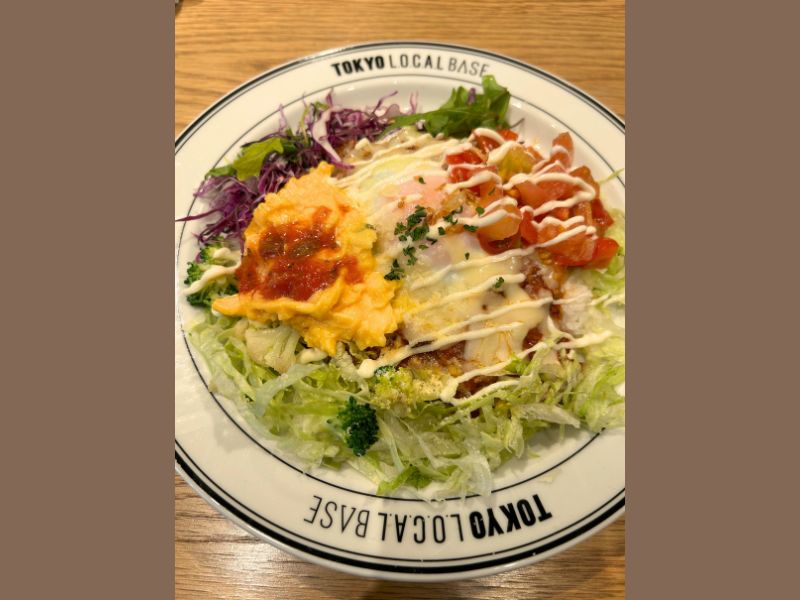
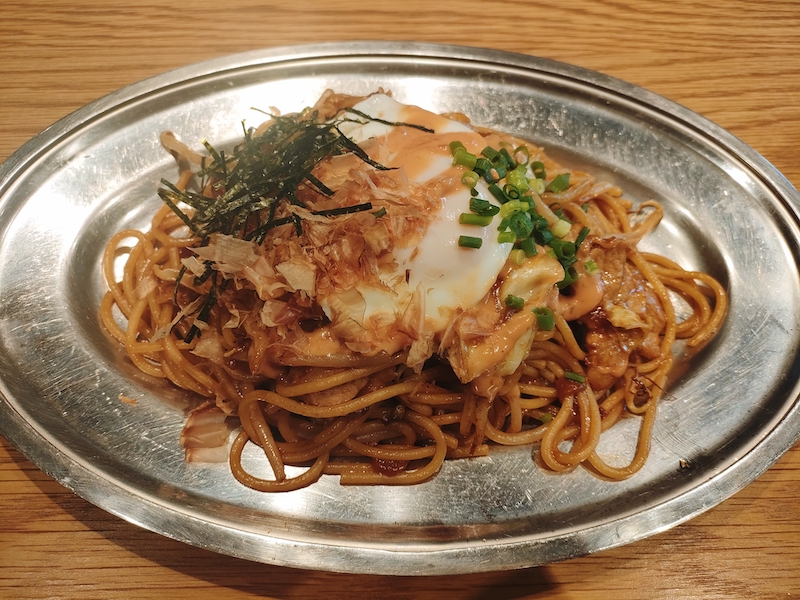
For my meal, I chose the day’s special, Taco Rice, and the regular lunch option of Baked Spaghetti Sauce. A great touch to the daily special is the option for a larger portion at no extra cost, a hit, especially with male patrons!

The café is also well-equipped for remote work, offering both power outlets and free Wi-Fi, making it a great spot to settle in with a drink and get some work done.

▶︎Click here for more details about HERE

SALON DE STELLA

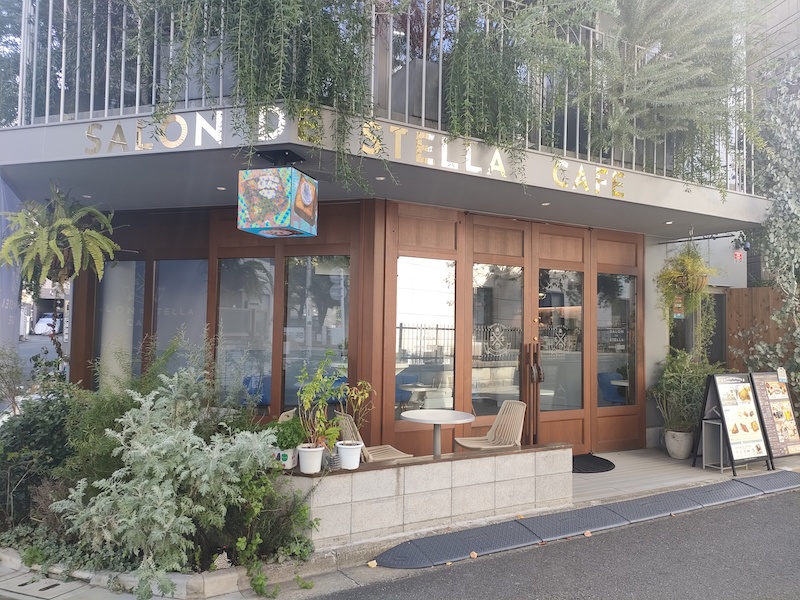
Just a short 4-minute walk from Machiya Station, you’ll come across SALON DE STELLA, a charming cafe that opened in March 2023. The café is a haven of greenery, with large windows that bathe the space in sunlight, creating an inviting and airy environment. Here, you’re greeted by the warm smile of the friendly female owner.

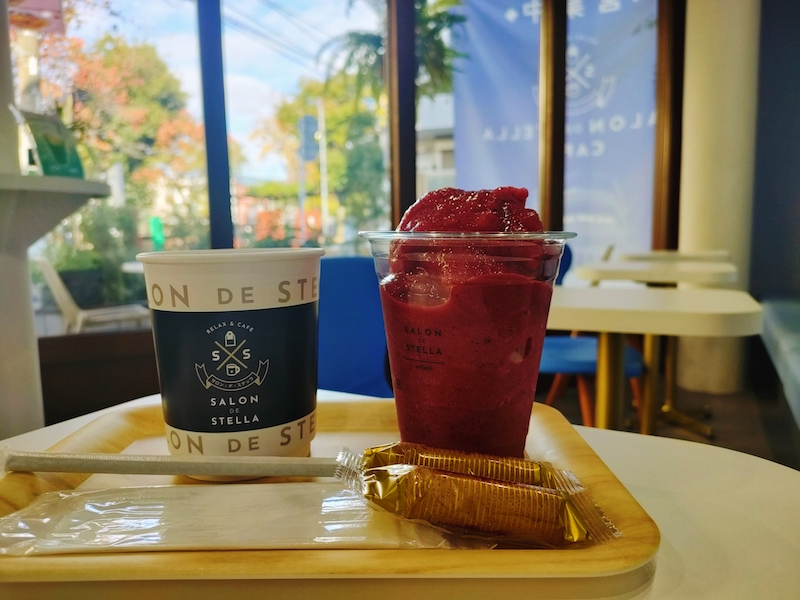
On my visit, I opted for the Black Sesame Kinako Latte and the Berry Berry Smoothie. The latte, infused with the rich aroma of kinako (roasted soybean flour), and the sweet, fruity smoothie were both exceptional.

The experience was made even more delightful by the owner’s easygoing conversation. I also got to see a heartwarming interaction where boys from the nearby elementary school popped in for a quiz challenge with the owner. With its cozy atmosphere and the fact that the second floor doubles as a nail shop, it’s the kind of place where you might just find yourself staying longer than you planned.
▶︎For more details about  SALON DE STELLA, check HERE
▶︎ Don’t forget to check out their Instagram as well!

PRESSO cafe&bar

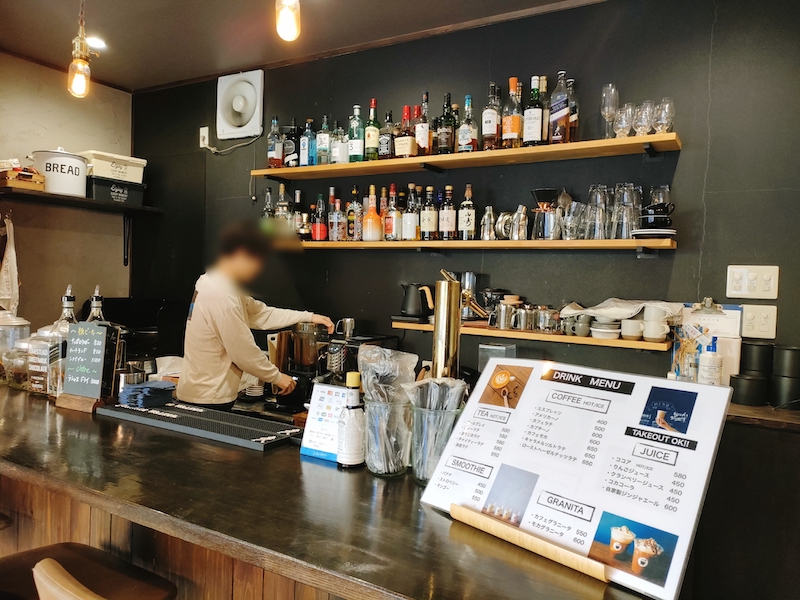
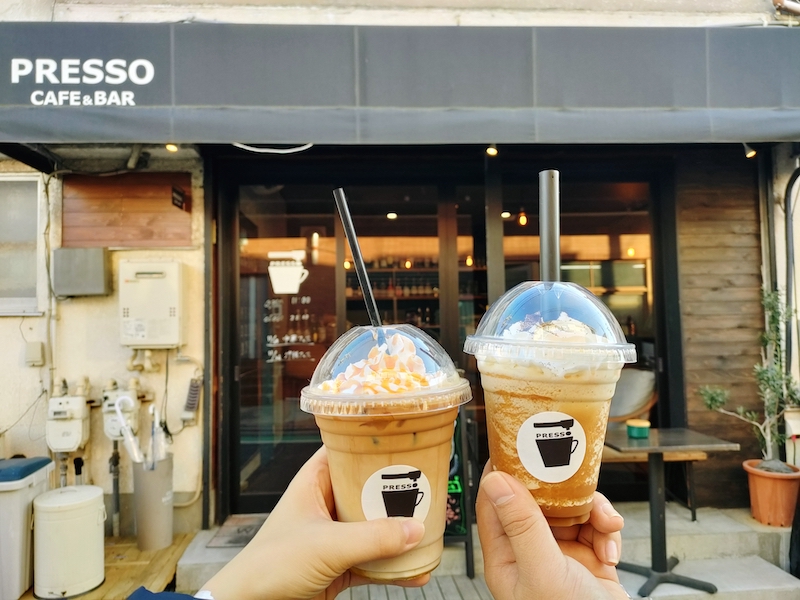
If you’re not just in the mood for cafe drinks but also fancy some quality alcohol, be sure to check out PRESSO cafe&bar, just an 8-minute walk from Machiya Station. Conveniently located near Machiya House 2, this cozy spot not only serves great coffee but also offers a variety of exquisite domestic and international alcoholic drinks and liqueurs.

During my lunchtime visit, I decided to try the Café Granita and the Caramel Salt Latte. Both were wonderfully creamy and rich in flavor, making them incredibly satisfying to drink.


While PRESSO mainly focuses on beverages, they occasionally host events featuring a food menu. I’m already looking forward to visiting in the evening next time!

▶︎For more information about PRESSO cafe&bar, click HERE

Enjoy the Blend of Old-Town Atmosphere and Modern Chic at Borderless House!

In this article, we’ve showcased three charming cafes in Machiya, but there’s more to discover just off the main streets – you might find even more enchanting spots that capture your heart.

Machiya isn’t just about its prime location; it’s a neighborhood where the nostalgic feel of old Tokyo meets the sophistication of trendy cafes and shops. If you’re looking to soak up this unique atmosphere day in and day out, why not consider living at the “Borderless House,” an international exchange share house? It’s the perfect way to enjoy the quaint charm of a traditional area while still experiencing the stylish flair of contemporary living.

Japan Working Holiday Guide▏Work and Travel in Japan! All you need to know

If you’re considering a holiday or travel in Japan, a lot of what you will be facing will be a new experience for you. This blog is for those looking for information about getting started and what you should know before applying for a Working Holiday visa in Japan!

Content Outline:
•  What is a Working Holiday Visa?
•  Who can Apply for a Working Holiday Visa in Japan?
•  How to Apply for a Working Holiday Visa?
•  What jobs can you do with Working Holiday Visa? How to find jobs?
•  Accommodation options during Working Holidays in Japan

What is a Working Holiday Visa?

A working holiday visa allows young people to spend their holidays in Japan whilst working to supplement funds for their travel and stay. The goal is to deepen mutual understanding by providing opportunities to understand the culture and lifestyle of Japan!

The maximum period of stay in Japan on a working holiday is one year. And the period of stay cannot be extended. If you would like to extend your stay after the working holiday expires, you will have to change to another visa.

Who can Apply for a Working Holiday Visa in Japan?

Here are some general requirements:
•  Age: 18 to 30 years old (25 in some cases) on the day of your application
•  Be a citizen of the following 26 countries: Argentina/ Australia/ Austria/ Canada/ Chile/ Czech/ Denmark/ Estonia/ France/ Germany/ Hong Kong/ Hungary/ Iceland/ Ireland/ Lithuania/ Netherlands/ New Zealand/ Norway/ Poland/ Portugal/ Republic of Korea/ Slovakia/ Spain/ Sweden/ Taiwan/ United Kingdom
•  Have a valid passport
•  Have a return ticket or proof of having enough money to buy one.
•  Proof of sufficient funds to cover expenses for the first few months (Required amounts vary from country to country )
•  Be in good health
•  Have no criminal record.

Please note, everyone only enters Japan on Working Holiday Visa one time!

For further detailed information, please check the official website of the Japan Ministry of Foreign Affairs: The Working Holiday Programmes in Japan

How to Apply for a Working Holiday Visa?

First, you should check the Embassy of Japan or the Consulate-General of Japan’s website for your country. You will find country-specific requirements from there.

Below are the general procedures:

•  Fill in an Application Form
•  Provide the requested documents: valid passport, ID picture, resume, the outline of planned activities in Japan, the written reason for applying for a Working Holiday in Japan, proof of a return ticket, and sufficient funds to support the beginning of the stay, medical certificate
•  Submit the application to the nearest Embassy or Consulate of Japan in your country of residence

What jobs can you do with Working Holiday Visa?

There is only one occupation prohibition regarding what job you can do with the working holiday vise, which is – working in “entertainment” industries is NOT allowed. Such as bars, clubs, pachinko, etc.
The most common/ typical jobs for foreigners to do in Japan include:
•  Service & Hospitality: Restaurants, cafes, fast food chains, hotels and sales in the shop
•  Seasonal Jobs: Ski resorts, farms, factory work
•  Teach Languages: English teaching is the most popular

Usually, basic Japanese language skills are required, especially when you’re looking for jobs, it’d be very helpful if you have higher Japanese levels.

How to find jobs

Here are some websites that have foreigner-friendly jobs that allow working holiday visa holders to apply:
•  Guidable Jobs 
•  We Xpats Jobs 
•  Mach Baito 
•  Arbeit EX アルバイトEX 

If you are already in Japan, you can also visit Employment Service Centers for non-Japanese job seekers:
• Tokyo Employment Service Center for Foreigners 
• Osaka Employment Service Center for Foreigners 
• Nagoya Employment Service Center for Foreigners 
• Hello Work 

Accommodation during Working Holiday in Japan

With a Working Holiday Visa, you can stay in Japan for up to one year. If you are planning to go to different regions in Japan during your working holiday, you will have to find accommodation that offers a “short-term” contract, as well as a place is fully-furnished.

Considering short-term stay and fully-furnished, living in a share house can be the best option for you. For example, the minimum stay of BORDERLESS HOUSE is one month, and you can adjust your contract term flexibly. Each house and room are all furnished and equipped with all the appliances you may need, so you can easily move in just with one suitcase. When you move out, you also don’t need to worry about the disposal of the furniture.

Moreover, in all the share houses of Borderless House, there are 50% of Japanese residents, and 50% from foreign nations, so you will have a lot of chances to practice your Japanese on a daily basis. Your Japanese housemates can also help you to practice for job interviews or check the Japanese resume for you!

Working in Japan ▏What is Shukatsu? Job hunting in Japan

Hi, I am Aisha from jimomin.work! Working abroad might be challenging!
Japan is facing the social issue of an aging population and a low birth rate. Consequently, there is a high demand for skilled workers from both local and international companies in Japan.

Process of Shukatsu for university student

Shukatsu 就活 is a Japanese term, short term for shūshoku katsudō which means job hunting. During this time, university students look for full-time jobs before their graduation. One of the unique characteristics of the Japanese job-hunting process is that companies hire new graduates, therefore, most of the students have a job contract when they graduate.

Typical Process of Shukatsu:
1. Find out what you want to do
2. Research on companies
3. Participate in job fairs/job seminars
4. Send entry sheet and/or resume to companies
5. Take written exams and/or SPI tests
6. Interviews (Groups and/or individuals)
7. Wait for the result

The problem faced by foreigners when looking for a job in Japan

One of the biggest problems faced by foreigners when looking for a job in Japan is the language barrier. Many are unfamiliar with the Japanese recruitment system as company explanations and processes are conducted in Japanese. Alongside the language, people also struggle with manners during their job-hunting period. For instance, it is preferred to wear a black suit when going to a job fair or an interview. Even after entering a company, many struggles with “Keigo” or respectful language and business etiquette.

Advice & Suggestions

This does not mean you should give up. But how can you work in Japan? The first would be improving your Japanese language skills, ideally having above Japanese N3 level.
Another way is by consulting with recruiters, preferably those who will guide foreigners. Jimomin.work is one of the employment support services (就職支援サービス). We support foreigners looking for jobs in Japan, matching them to a suitable company for free. For instance:
● Jimomin.work has a FREE Japanese Business Course which will help in becoming familiar with terms used in business
● Help in preparing resumes and interviews
● SNS accounts that share shukatsu information
● Host matching events where job-seekers can find companies who are looking to recruit foreigners. Our previous event had a matching rate of 100%!
● Lastly, one of the obstacles, is SPI tests, and frequent interviews are not required when applying through jimomin.work!

Conclusion

Job hunting can be long and tiring, especially when there is a language barrier. However, you are not alone! There is always help via consulting your career center in your university, recruitment companies and even asking your senpais! You can also talk freely to jimomin.work as well!

Is Living In A Shared Room Right For You? Pros and Cons & Tips of Smooth Living With A Roommate

When you’re looking for new accommodation, one of the first things you’ll have to decide is whether you want to live with roommates or not. While there’s nothing wrong with living alone, it can get lonely sometimes! So, if you like being surrounded by people more than being alone, living with roommates can be a good option for you!

Some people become lifelong friends with their roommates, while some people struggle with getting along with their roommates due to incompatible lifestyles. There are many pros and cons of living with a roommate, so we’ve made this guide for you to help you make your decision. Meanwhile, giving you some tips on living with housemates or roommates to avoid conflicts. 

Social Considerations of Living with Roommates

Roommates can be a great experience as you have someone to share your life with and hang out with. However, as you share a living space with others, it can be tricky when you need some time alone. So here are the pros and cons for you to consider from the social aspect. 

Pro: Opportunity to make new friends & Always have friends around

Since you’ll be living with your roommates, this can lead to an intimate and lasting bond. It doesn’t necessarily mean you’ll become best friends, but when you get lonely or need someone to talk to, having roommates can be very nice. You can also have movie nights, dinners, holiday parties, or just spend a random Thursday night with them!

Con: Lack of privacy & Sacrificing personal space

Though it’s nice to always have someone around you, on the other hand,  it means you need to make some sacrifices on your personal space, because your bed may be the only place you can have your own privacy; or you will need to wait till your roommate is not around, so you can enjoy the space your own. All in all, if you need a lot of privacy or space alone, living with a roommate may not be a suitable option for you.  

Financial Considerations of Living with Roommates

Money is usually one of the main factors for most people deciding where to live. As moving to a new country, rental expenses can be a weight on your shoulders. Here are some financial advantages of living in a share house or share room with roommates : 

Pro: Shared rooms are much cheaper!

Depending on the location you’d like to stay and your circumstances, you may not be able to afford to live on your own where you want. Living with a roommate can help you save money on rent, meanwhile, you can have a better chance to live in a much nicer location with affordable and reasonable rent. Sometimes, you can even save money on food and other expenses too by sharing them with your roommates.

Con: You can’t decorate the entire room however you want
When you live alone, you have total control over everything that goes on in your room. However, when you live with roommates, you can only decorate and keep your personal style within your own spaces. 

Lifestyle Considerations – Tips for Smooth Living with Roommates 

Lifestyle can be the most important and tricky part when you live with roommates, since you may have different standards for cleanliness, different living habits, conflicting schedules, etc. As it’s an unavoidable factor you will face when you living with others, we’ve collected some handy tips for you for a smooth living with roommates.

Roommate Agreements & Share Responsibilities

A mutual agreement can be very helpful when you live with roommates. Keep it in mind that you all share responsibilities around your shared space. Set ground rules that cover the basics together, and talk through each of your expectations, habits, and routines together, such as cleanliness standards and rules, morning and bedtime routines, daily schedules, etc. Establishing standards and common ground that you all agree to will help you avoid difficult confrontations in the future. Here are some essential tips you need to know to enhance your shared living experience.

Communication & Keep an Open Mind

Communication is key when living or spending time with others. Try to open yourself up and communicate anything that your roommate should know about you. When issues arise, try to bring up the issue in person, instead of texting or leaving a note, to avoid leading to miscommunication and frustrations. If something is bothering you, have a conversation with your roommate as soon as possible before it grows into a bigger conflict. You can take time to make a plan and think through how you can express yourself, and when communication happens,  be sure to listen for understanding as well.

Understand the Difference & Be Considerate 

It’s important to understand that everyone is from different backgrounds and was raised differently. Realizing, it can save you a lot of frustration you may have when you live with others. Your roommate’s living habits and lifestyles can not be exactly the same as your own, so try to talk to each other and find a way to meet in the middle, especially if your differences can cause conflicts. At the same time, be considerate and take your roommate’s feelings into consideration before jumping to conclusions or making decisions.

There’s no crystal ball to see whether living with roommates is going to be a positive or negative experience. Be sure to weigh all the pros and cons, get yourself prepared, and use the tips for a better and more successful living experience in a share house or a shared room.

Language Exchange|How should I prepare for Language Exchange and practice speaking?

Do you want to practice your speaking skills for free through “Language Exchange” and meet new foreign friends, but don’t know where to start preparing? Or have you tried “Language Exchange” before, but after encountering some difficulties in the process, and you just left it at that?

Then this article on language exchange prep will help you a lot!

What is Language Exchange?

Language Exchange is a reciprocal activity in which you practice the language that you are learning by chatting with a native speaker or someone who is fluent in that language. In addition, to quickly improve your speaking skills, you can also learn cultural knowledge not found in textbooks and make new friends, which is a great way to kill two birds with one stone.

Am I a good candidate for language exchange?

When you want to practice a language through Language Exchange, here are some tips you can check to see if you are a good candidate.

1) What is your purpose? Do you really want to practice the language? Or do you just want to meet foreign friends?

Because Language Exchange is not mandatory, there must be a strong motivation to learn each other’s language in order to be sustainable.

2) How is your language ability?

Usually, I suggest that it is better to have at least a daily conversation level, so that you can correct and improve your speech step by step during the conversation. Otherwise, it is easy to keep speaking only one language with each other.

3) Do you like to interact with people?

In fact, Language Exchange is also a kind of meeting internet friend activity, whether online or face-to-face, the first meeting will inevitably be awkward. So before participating in Language Exchange, you can ask yourself, do you want to meet a new stranger? Will you be curious about your partner?

What to prepare before Language Exchange?

The preparation content will vary depending on the length of time you work with your language partner, and is divided into early and late stages:

Early-stage

1) Confirm meeting time and language appointment (1 hour of full Chinese conversation, 1 hour of full foreign language conversation). And set an alarm before you start so that you don’t forget to change the language when you’re having too much fun conversation.

2) Usually, the first meeting is just about introducing yourself, why are you learning this language? What are your hobbies? Where have you traveled to? What kind of music do you prefer? Basically, it’s the same as a blind date, in the process of talking to each other to find out what you have in common and whether we have a mutual connection because this part will also affect the subsequent contact.

Late-stage

When you get to know your partner better, you will gradually start to run out of topics to talk about, so it is very important to prepare some beforehand.

1) Note down any problems of language learning that you have, such as being unsure how to translate a sentence or whether there is a more authentic way to say it. You can also bring your own textbooks or assignments and discuss your questions together.

2) If you have a grammatical problem, try not to ask a native speaker, because they usually don’t know how to explain it, either. Unless the partner major in linguistics, otherwise a lot of time will be wasted trying to explain grammar.

3) Share something interesting that happened recently, or any interesting articles, news, videos, cultural differences or interesting topics to discuss. It is better to have questions with a little depth, such as environmental protection or social issues, so that you can practice expressing your own ideas, and hear the results of your partner’s opinions from different perspectives.

4) Write an exchange diary! Language Exchange is not only to practice speaking, writing is also a very important part of it. You can write a short article about your reading experience or a movie afterthought. Gradually your writing skills will be greatly improved without you even realizing it!

5) Let’s hang out together! Hiking, movies, museums, whatever you and your friends like to do, invite your language partner to go with you as well! Since you’re going out together, you don’t have to be too strict about which language you speak for how long, so just switch between them! Be flexible!

6) Register for the language test and get certified! You can practice for the content of the exam, with specific topics and sentence patterns. When you are under pressure, you will be more prepared for each Language Exchange!

What should I pay attention to during Language Exchange?

1) When introducing to each other, observe the language level of your partner and adjust your speaking speed according to the language level, pronouncing your words as clearly and standardly as possible.

2) When practicing the language, instead of expressing yourself in your native language, ask more questions so that your partner can answer his/her thoughts more often. For example: Why? What do you think? What would you do?…etc. Try to use these questions often.

3) Use the cloud notepad to record words or sentences during the meeting, so that you can easily re-read them afterward.

Where can I find a Language Exchange partner?

Nowadays there are many ways to find language exchange partners, through mobile apps, websites, or by staying in a multicultural share house.

APP& Website recommendation:

1) Hello Talk: You can send texts, voice messages, voice calling, and video calling, and you can also help each other fix sentences, translate, and other auxiliary functions. You can also upload pictures and short articles. The overall function is very similar to Instagram.

2) Tandem: It is very similar to the function of HelloTalk, except that this app will actively send the notification about the info of other members to increase the chance of matching.

3) HiNative: It is a Q&A platform where you can ask questions about grammar, wording differences, or articles, and there are usually enthusiastic answers from native speakers.

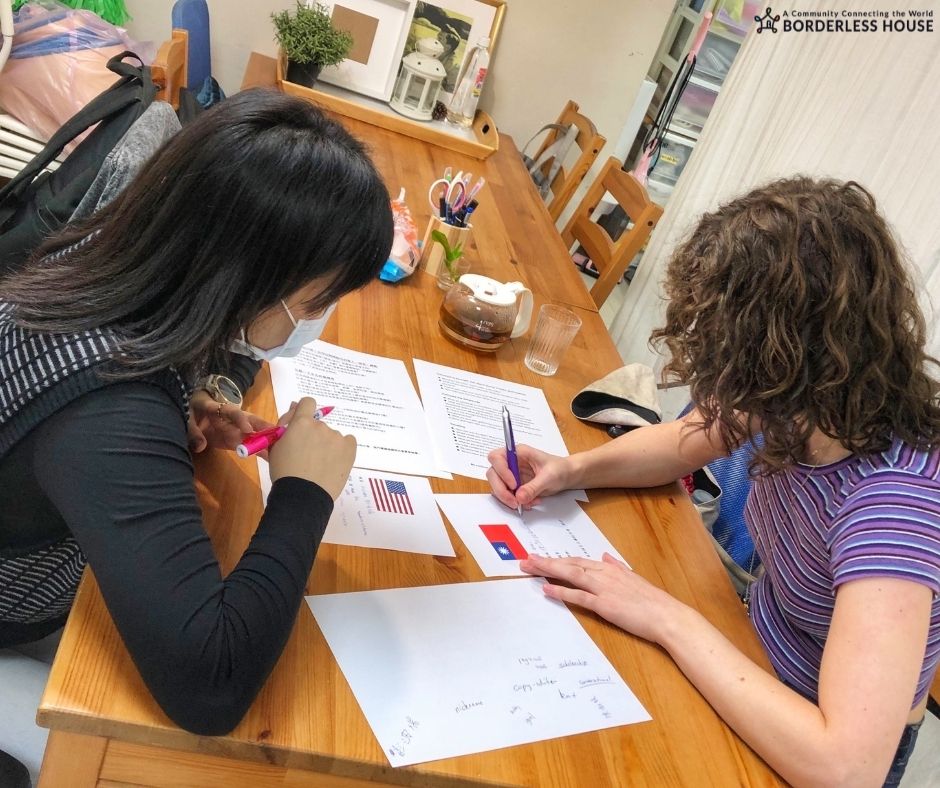
4) BORDERLESS HOUSE: It is a multicultural share house with locals and they also organize a variety of events and provide free Language Exchange opportunities from time to time.

BORDERLESS HOUSE is an international, multicultural share house with locals. There are 17 houses in Taipei City and overseas branches in Tokyo, Osaka(Japan), and Seoul(South Korea).

Introduction to Kansai Area, Japan ▏Osaka, Kyoto, Kobe

Back in the days when Tokyo was called Edo and the nation was still un-unified, the Kansai region was where all the economic, technological, diplomatic, industrial, and cultural development happened. Whether it be the imperial court at Kyoto or the main trading ports at Osaka and Kobe, Japan truly started in these regions and still holds massive importance in Japanese, and even Asian, culture, even after almost 2,000 years.

After Tokyo, these are the most popular tourist, developing, and economical areas in Japan. Therefore, many cultural locations, universities, and global companies reside here. With easy access to transportation and their close vicinity to each other, it is common for both locals and tourists to commute between these cities on a daily basis.

Osaka

Starting at its center around Osaka – Umeda Station, you will leave the station and be taken aback by the glorious and grand skyscrapers surrounding it. A great way to start getting familiar with the city is to visit the Umeda Sky Building and view the city from its 170m high viewing platform. Around the station, you can find many different shopping areas, many of them to the east. Like the Hankyu-east shopping street, Izuma-no-Hiroba, the Tenjinbashisuji shopping street, or the Dotonbori, with the famous running man sign, further south!

Hosting both the Osaka international airport and the Kansai international airport, while also having great long-distance shinkansen trains and highway busses, Osaka is in a fantastic location for further travels inside the country. With many low-cost flights, you can take trips wherever and whenever you want.
Culturally, Osaka hosts many memorable locations. Osaka castle, once the largest and grandest castle in the country, lies just a few minutes away from Umeda.

And on one of the artificial islands on the west part of the city, lies the Universal Studios Japan park! Directly connected with its own train station, it is a perfect destination for all movie fans. Take time to also enjoy its more peaceful locations, like a picnic in the tranquil Ryokuchi park, or walk along the green and great Yodo river!

【Borderless House in Osaka】

➤BORDERLESS HOUSE OSAKA-BENTENCHO 
➤BORDERLESS HOUSE OSAKA-TOYONAKA1
➤BORDERLESS HOUSE OSAKA-TSURUHASHI1
➤BORDERLESS HOUSE OSAKA-TAMATSUKURI

Kyoto

For over 1,000 years, Kyoto has been the capital of Japan. Having been so vital to the culture and politics, it has been spared from a lot of the damage and degradation other modern cities have. Because of this, many shrines, temples, and other structures are hundreds of years old but still kept fresh and clean.
Around Kyoto station, there are various clothing stores and shopping malls, especially around the Kyoto tower. Outside of that, there are small shopping streets scattered all over the city, like the Teramachi shopping district accessible via subway or bus.

In this city lies some of Japan’s most historically famous locations. Here lies the famous Kinkaku-Ji, The golden pavilion, the Kyoto imperial palace; home of the emperor for centuries, Senbon Torii; the thousand Torii Gate, Heian Shrine; build to celebrate the cities 1100th birthday, and the great Kiyomizu-Dera; a great temple complex with its famous wooden balcony. Nearby to Kiyomizu-Dera, you can also find the Sanneizaka and Nineizaka area. This entire area is built to look like old samurai-era buildings, and many of them are still the same ones from that period.

But that does not mean all in Kyoto are historical buildings and shrines. For non-historical scenery, there is the Arashiyama Bamboo forest; a stunning walking path in the middle of a bamboo forest, and the nearby Arashiyama monkey park as well! The local Kyoto city zoo, Funaokayama Park, with peaceful zen-like isolation, the Toei Kyoto studio park; home of so many old samurai era films, with many performances made by local samurai! Or take a lovely relaxing stroll along the great Kamo River, an especially beautiful location during sunny summer days.

【Borderless House in Kyoto】

BORDERLESS HOUSE KYOTO-HANAZONO1
➤BORDERLESS HOUSE KYOTO-KINUGASA
BORDERLESS HOUSE KYOTO-NISHIJIN
BORDERLESS HOUSE KYOTO-SAIIN1
➤BORDERLESS HOUSE KYOTO-SAIIN2
➤BORDERLESS HOUSE KYOTO-KAMIGAMO
➤BORDERLESS HOUSE KYOTO-KURAMAGUCHI

Kobe

Home of the world-renowned Kobe beef and the 7th largest city in Japan, Kobe has, among Osaka, being the two most historically important ports in Japan. During the Meiji period, Kobe became one of the biggest ports for western industrial and economical research, so even today, Kobe has a visible mix of Japanese and western architecture in many of its districts. Especially in the Kitano area, which used to hold the foreign diplomats and merchants. Many of Japan’s industrial powerhouses lie here as well. Companies like Kobe Steel, Kawasaki Shipbuilding, and Mitsubishi Heavy Industries.

While being an industrial city, there are many benefits to living here. From its harbor, there are many short-distance ferry rides and several cruise lines going all over Japan and Asia. Take a relaxing boat trip over a weekend to places like Kyushu, Hokkaido, or even to other countries like Taiwan and South Korea! Also accessible, is the Akashi-Kaikyo Bridge, which leads to the great island of Honshu.

Some of the local hotspots among locals and tourists are the Arima onsen, a historical hot spring resort that is still considered one of the best hot springs in western Japan, and the breathtaking Nunobiki Herb Garden, which lies high up the mountains, so whether you want to view the city night lights, or see as far away as Osaka during the day, this is a fantastic option for a relaxing trip.

【Borderless House in Kobe】

BORDERLESS HOUSE KOBE-MOTOMACHI1

With these areas being so varied and grand, it is difficult to mention or guide anyone to all their unique locations. But hopefully, this guide has given some more clarity over what each area has to offer. Since all these three areas are great tourist locations and often deal with global industries, Using only English is not such a big hindrance as it is in many other Japanese cities. Ask locals or any information desk in these areas and they will likely have a huge array of guides and tips for any first-timers around!
Enjoy, and stay safe!

★Enjoy RENT-FREE for some of the houses in Kansai Area with Summer Free Trial Stay Campaign★

Borderless House just launched a “Summer Free Trial Stay Campaign” that allows foreigners who are currently living in Japan to stay at Borderless House for FREE as a trial! You can stay at Borderless House for up to 2 months without paying rent! If you just want to stay for only one month is also no problem!

Because we hope to have more foreigners experience international share houses in Japan and create more international exchange opportunities for all our tenants in our share houses! Especially during the pandemic, having a social life and meeting new friends is difficult now.

This is a great chance for you to stay safe at home in a new environment with many wonderful Japanese housemates! You can also brush up your Japanese language skills by listening and speaking in Japanese on a daily basis!
Make your Japanese learning experiences reach beyond the textbook!

★★★Feel free to check our Campaign Page for further details★★★
https://www.borderless-house.com/jp/blog/tokyo-20210601/

Where to Stay in Japan? Accommodation option – BORDERLESS HOUSE

Visiting Japan for a few months but do not know where to live? Yes, a hostel is a general option but is it a good choice for a long visit? Hostels only provide you with one room. That one room is the only place where you can be if not outside. And if you chose the one with a bigger space, such as an apartment that includes a living room, it will be considerably expensive.

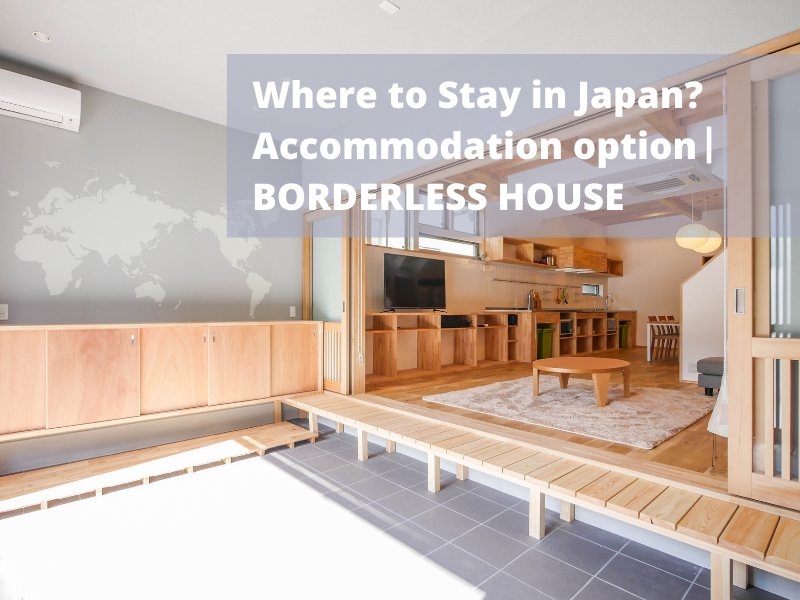
In a BORDERLESS HOUSE, you have the option of both private and shared rooms. There is a common area where you can interact with other housemates. And every room has some personal space for tenants in the shared room too. BORDERLESS HOUSE is fully furnished with basic necessities.

Moreover, we have the following advantages where you can not gain if you stay somewhere else!

Staff Support

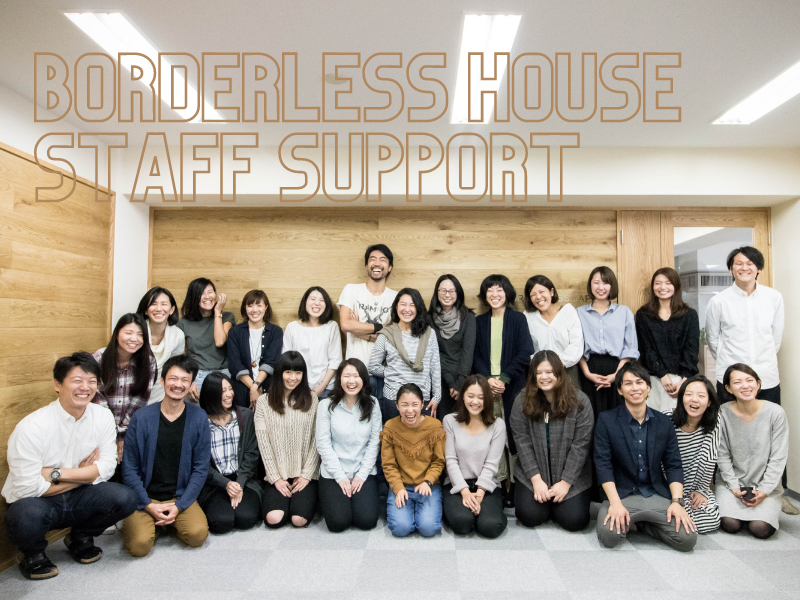
Whenever BORDERLESS HOUSE residents face troubles of any kind, its staff is at their service. The staff teaches them everything from cleaning equipment to fixing the internet connection. The staff also helps residents with relationship building during times of conflict.

At a new place, you find new tools and technologies. You do not always know their working process. If any residents face issues with anything staff helps them. It includes teaching them how to run a washing machine and helping them fix the internet when it’s slow or not working at all, etc.

Solving issues together

When people from different backgrounds live together, sometimes there will be conflicts no matter how well they get along. The issues can be based on different living habits, housework, personal or cultural differences. Sometimes tenants also face conflicts with their neighbors, such as noise issues, etc. In these scenarios, BORDERLESS HOUSE staff encourage residents to communicate with each other and help to arrange house meetings to resolve the conflict together along with the residents. The staff will always be there listening to the residents, get to the bottom of the conflict, and help tenants resolve them.

All the support you need 

When you land in Japan you might have some knowledge if you did research in advance. But this internet knowledge does not come in that much hand. Yes, it will give you tips about where to eat and what to see but it can never help you when you are planning to live in Japan for a long time. BORDERLESS HOUSE staff helps you with everything you might need from the day you land in Japan till the day you leave. If you need to find a job, if you want to learn the basic knowledge of living in Japan or if you are worried about when you get sick, Borderless staff is there to help you with everything. We are not only providing a place to live, but we are also helping youngsters setting up their new lives at a new place.

How to Make Your Stay More Fun at BORDERLESS HOUSE

There are four special programs available for BORDERLESS HOUSE mates to connect with each other. All these activities allow residents to connect with more than 10,000 residents and share their experiences with each other.

Borderless Mates Library

Living in a BORDERLESS HOUSE feels like living in your own personal library with exciting new neverending books. You will be at a great exposure which will allow you to learn new exciting things. Borderless mates from Japan, Taiwan, and Korea who are willing to share and make friends from all over the world all gathering here! We hope you will find the person that you want to connect with and share your knowledge, experiences, interests, skills, or specialties with each other!

Borderless Mates not only have diverse nationalities and language abilities but also have a range of international experience in specialized careers and hobbies. Undoubtedly there are Borderless Mates around the world who have the same interests or areas of specialization. It would be wonderful if we could connect these Borderless House Mates around the world!

There are many topics and interests that we can find in common!!
People should take advantage of every possible chance to be active in their fields of expertise or interest, even across geographical borders. The more common points shared between two people, the more intimate and deep the conversations and exchanges can be. Through BORDERLESS MATES LIBRARY, forging a deeper and more meaningful interaction with the Borderless House community, you will be able to gain valuable experiences and your global mindset will certainly grow stronger!

You can connect with other residents online living at other BORDERLESS HOUSE through this program and learn new things from each other!

Language Exchange

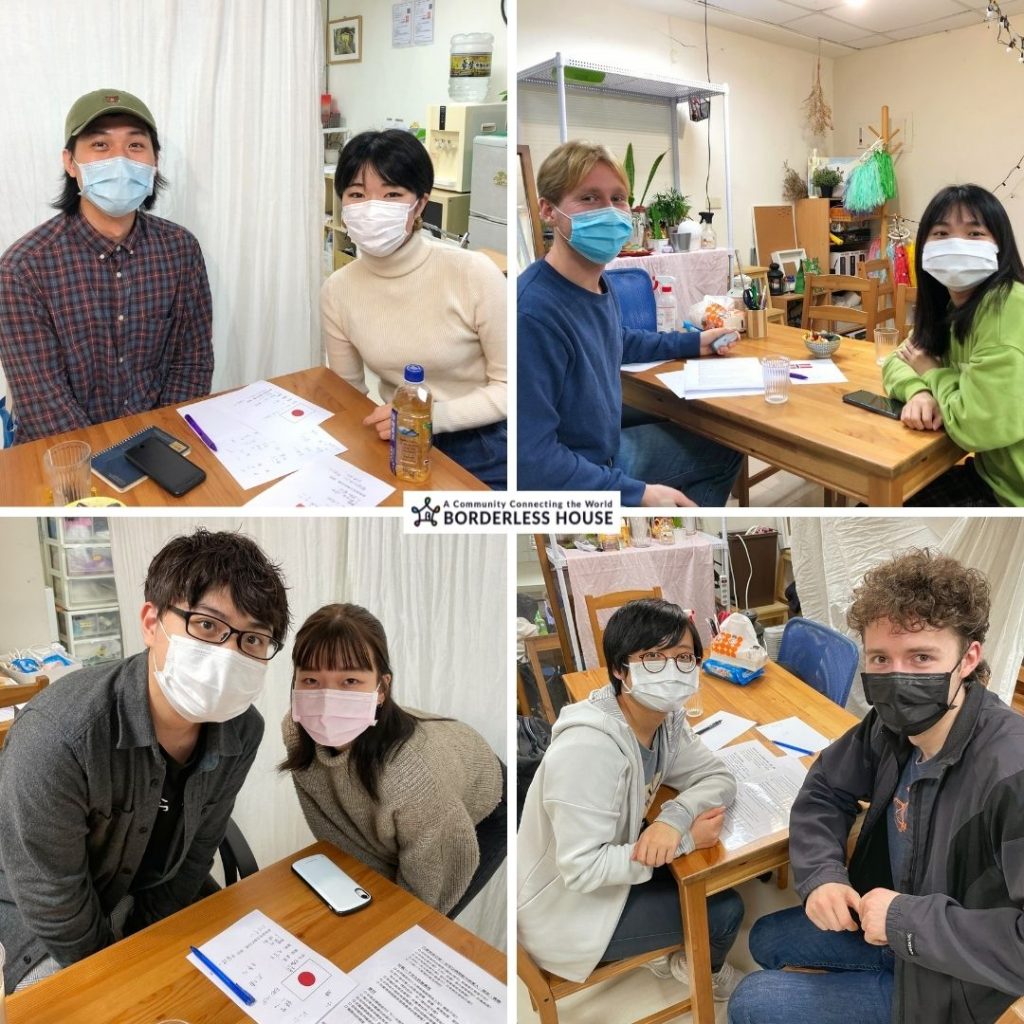
LANGUAGE EXCHANGE PROGRAM is an online service that allows you to brush up your language skills while having fun chatting with other Borderless Mates from different countries and making friends!

With various people from various countries, you can learn various languages from all over the world. The small chats will not at nothing by the end of your visit to a BORDERLESS HOUSE. You will have a working knowledge of a different language if you practice a little every day. 

Club Activities

Based on common hobbies, a community program – Club Activities that bring everyone together! These activities will help you connect with people who share the same interest! 

You can enjoy offline activities, online activities that you can participate in anywhere, and regular offline events hosted by Borderless House.

Borderless Travel

Taking small trips to explore the country better? Well, no worries your BORDERLESS HOUSE mates have your back. You can stay for free at the overseas Borderless House in the place where you are traveling by using Borderless Travel Program! Take trips together and explore areas while enjoying every second of your trip with local housemates!

※Borderless Travel is scheduled to start after the travel restrictions lifted due to COVID-19