Living the Dream in Japan: How an International Community Becomes Family

Moving to Japan is a dream for many, but the reality of finding a home and a social circle can be daunting.

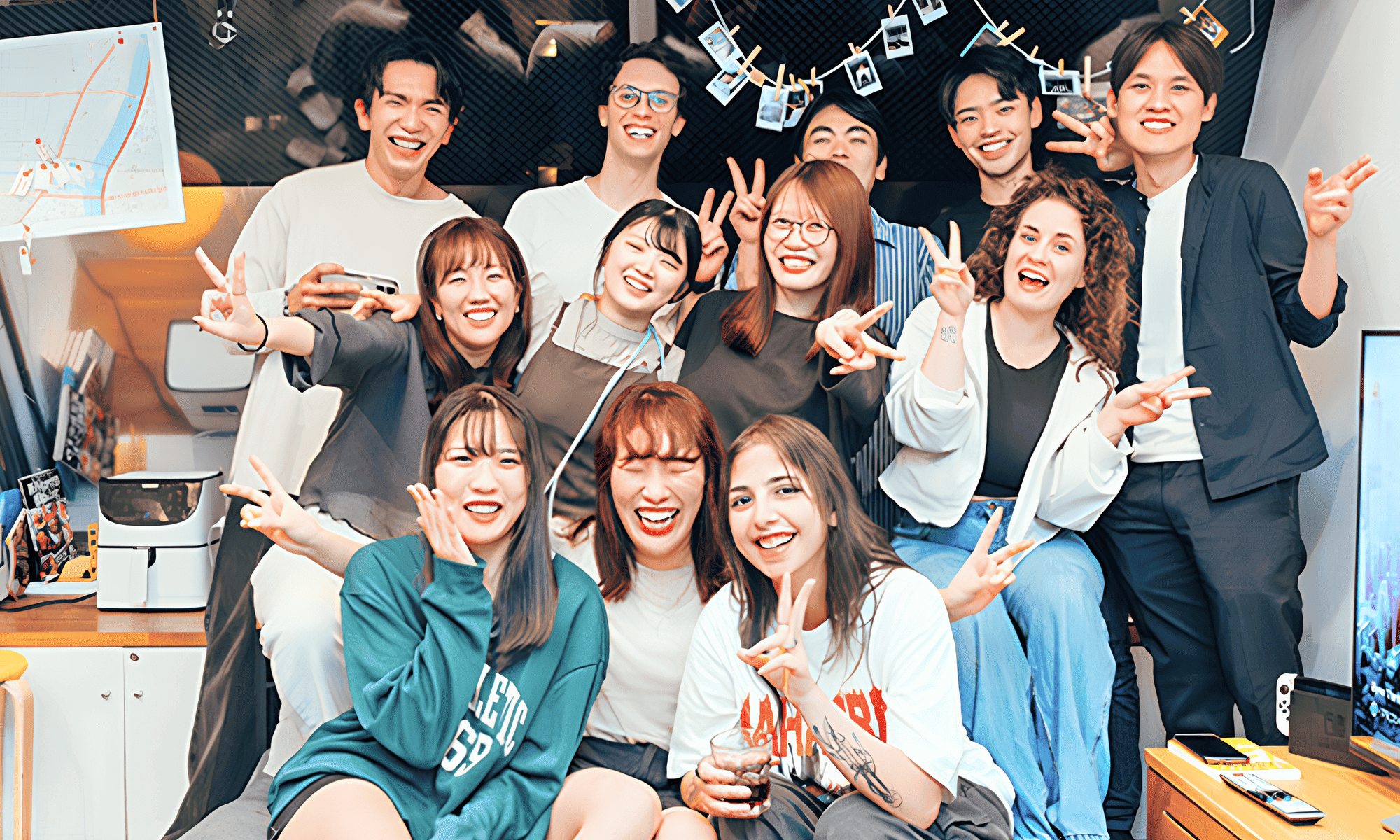
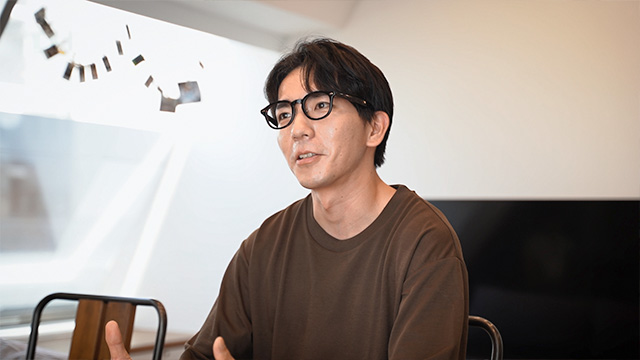
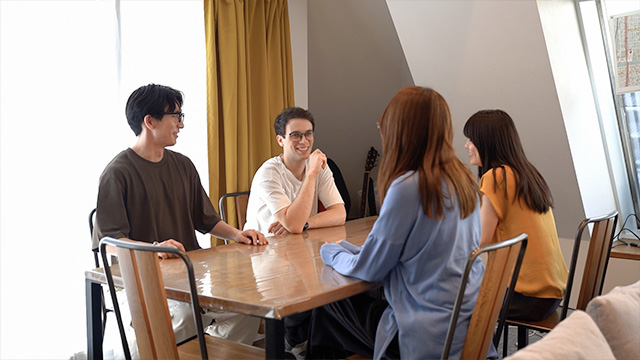
In this interview, we dive deep into the journey of Claire, a former competitive swimmer from the U.S. who moved to Tokyo in 2019. Discover how she transformed her life in Japan by finding a ‘home’ that offered much more than just a place to sleep—it offered a family.

Finding a Home (and Family) at Borderless House

 -You moved to Tokyo for work. Why did you choose a share house over a private apartment?

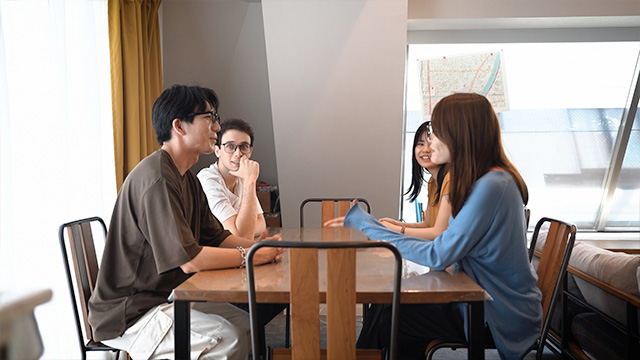
To be honest, I originally wanted to live alone! But I couldn’t secure an apartment near my workplace. Looking back, living alone would have been a lonely disaster. I have an irrational fear of going places by myself, and as a social person, I needed a support system.

I’ve lived in a share house in Tokyo with 14 others since August 2019. I started in a single room to have my own “quiet zone,” but once I got to know everyone, I actually moved into a shared room with one of my closest Japanese housemates. Now, she’s like a sister to me!

 -What makes the “Borderless” community different from other housing?

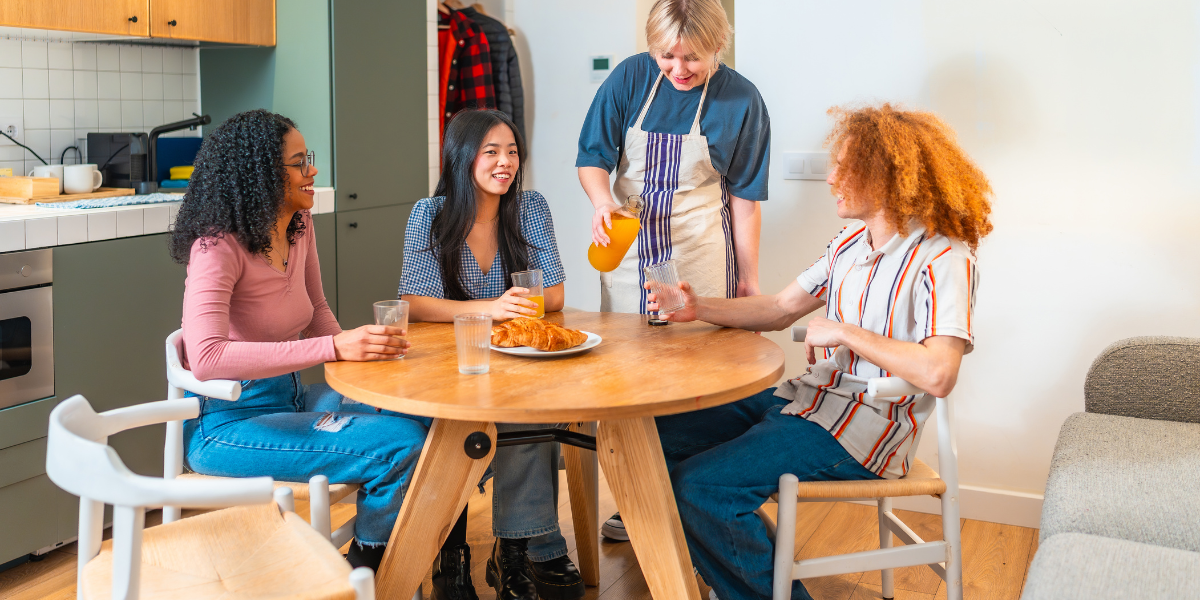
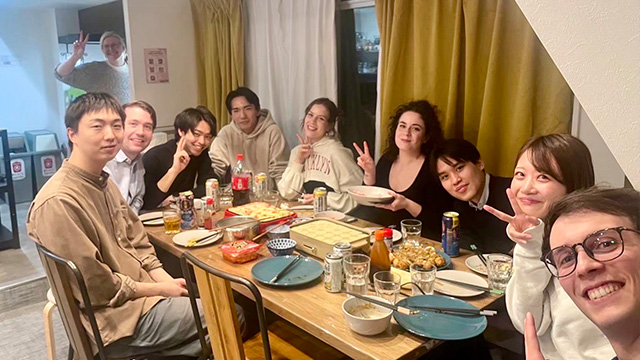
It’s the 1:1 ratio. Borderless House keeps a perfect balance of Japanese and foreign residents, and men and women. If I lived alone, I probably would have only made American friends. Here, I’m constantly inspired by housemates from all over the world. It’s expanded my mindset and made me a much more compassionate person.

Mastering the Language: Textbooks vs. Reality

 -You’ve had a long journey with the Japanese language. What’s your best advice for someone trying to learn?

I started with Genki and self-studied for two years while swimming, but I had no one to practice with. My advice? Go abroad as early as possible. Textbook Japanese and colloquial (daily) Japanese are totally different.

In my research job, I had to translate complex psychiatric questionnaires. I had to explain the difference between “force” and “coerce” using rudimentary Japanese to professors! But at home, my housemates taught me the slang and natural expressions that tests like the JLPT don’t cover.

-Any regrets in your language journey?

My biggest regret is quitting my formal classes after one year. Now, my speaking and reading levels are mismatched! Also, if you want to work in Japan (outside of teaching English), take the JLPT. Even if you speak well, companies want that standardized proof (N1 or N2) to give you an interview.

 -Do you consider yourself “fluent”?

For a long time, I said “No” because I’m still “illiterate” in many ways and struggle with formal Keigo. But a friend recently told me, “Claire, you express yourself articulately. That is fluency.” You don’t need to be a living dictionary to have deep relationships. If you can share your personality and emotions, you’re doing just fine.

Building a Life Beyond the Share House

 -You’re very active in Tokyo—swimming, dancing, and more. How do you branch out?

You have to find your “comfort zones” but also places that challenge you.
⏺︎Sports: I joined a local swim team. Doing something I was good at (swimming) in a new language gave me the confidence to step out of my shell.
⏺︎Hobbies: I started dance classes from scratch! It was way out of my comfort zone, but now I’m a member of the studio’s club.
⏺︎Networking: Use Meetup for language exchanges or sports. It’s intimidating to walk into a room of strangers, but remember: everyone there is looking for a friend, too.

Advice for the Future “Japan-Enthusiast”

 -What is your final takeaway for someone nervous about moving to Japan?

Can you get by with zero Japanese? Yes, absolutely. With Google Maps and friendly locals, you’ll survive. But you’ll have a richer experience if you try to learn.
Be Fearless: If there isn’t a program for your specific hobby, create one!
Don’t Settle: Don’t take a job you hate just to stay in Japan. Try to do what you love in a place you love.
Immerse Yourself: Join a community like Borderless House early. It gives you the resources and courage to reach levels of language and self-growth you never thought possible.

Interviewer’s Note: The Power of Intentional Community

Meeting with Claire, it becomes immediately clear that her journey in Japan isn’t just a story of “staying” in a country, but one of active integration.

Claire’s journey shows us that a share house is more than just a cheap room—it is a support system that helps you grow.

Here are the three big lessons from Claire’s story:
Community > Isolation: Claire originally wanted to live alone. However, she realized that having a “family” at home gave her the confidence to try difficult things, like working in a Japanese hospital or starting dance classes.

The Shared Room Surprise: Many people are afraid of sharing a room. Claire actually moved from a Private Room to a Shared Room because the bond she formed with her roommate was so strong. She found a “sister” instead of just a housemate.

Real-World Language: Claire proves you don’t need perfect “textbook” Japanese to succeed. By talking to her Japanese housemates every day, she learned how to express her true personality—something a classroom can’t teach.

If you are a professional or a student moving to Japan, Claire’s story is your roadmap. She shows that when you have a safe, international “home base” like BORDERLESS HOUSE, you can stop worrying about being lonely and start “living the dream.”


2026 Early Bird Campaign – Secure Your Cozy Home in Japan at BORDERLESS HOUSE NOW!

If you’re planning to come to Japan this spring, now is the perfect time to start thinking about where—and how—you’ll live.
Are you ready for a season of cultural exploration, global friendships, and unforgettable memories in Japan?

BORDERLESS HOUSE is excited to offer our Early Bird Campaign, a special chance for you to secure your place in Japan ahead of the peak arrival periods!

Early Bird Campaign Details

Let’s start a new chapter of your life with BORDERLESS HOUSE—whether you’re coming for study, work, or personal growth, this campaign is your gateway to a new adventure in Japan!

・ Normally, we hold rooms for up to 2 weeks free of charge, but with this special offer, we’ll secure your room for ONE MONTH at no extra cost!
・Book early and avoid hidden fees!

Requirements and Conditions

The Early Bird Campaign starts from Jan 5th, 2026, and is valid under the following conditions:

● Move-in date must be on or before April 11th, 2026.
● The move-in date cannot be postponed after your reservation is confirmed.
● Altering the selected share house or room after the interview is NOT allowed.
● The cancellation policy applies: no refunds will be issued after your reservation is confirmed. Click here for the details of Reservation Process.
● Applicable Areas: Tokyo, Kansai (Osaka, Kobe, Kyoto), Sendai
※The following Share Houses are excluded from this campaign: Shinjuku Honancho, Shinagawa Oimachi 1, Omori 2, Omotesando, Ueno Tabata 3, Asakusabashi, Jimbocho

A Glimpse into BORDERLESS HOUSE: Your International Home in Japan

BORDERLESS HOUSE is more than a place to live; it’s a community that brings people from around the world together. We’re a friendly, multicultural home where cultures meet, friendships are made, and everyone learns from each other.

Here at BORDERLESS HOUSE, our residents come from many backgrounds, creating a lively, international environment. Students, professionals, and travelers alike find a welcoming home where they can grow, share experiences, and connect with people from all over.

 4 Things That Make BORDERLESS HOUSE Special

International Community:

Enjoy the mix of different cultures with people from everywhere, all living together. Borderless House joins folks from various places, making a big family that appreciates our differences and helps everyone understand each other better.

Fully Furnished Rooms:

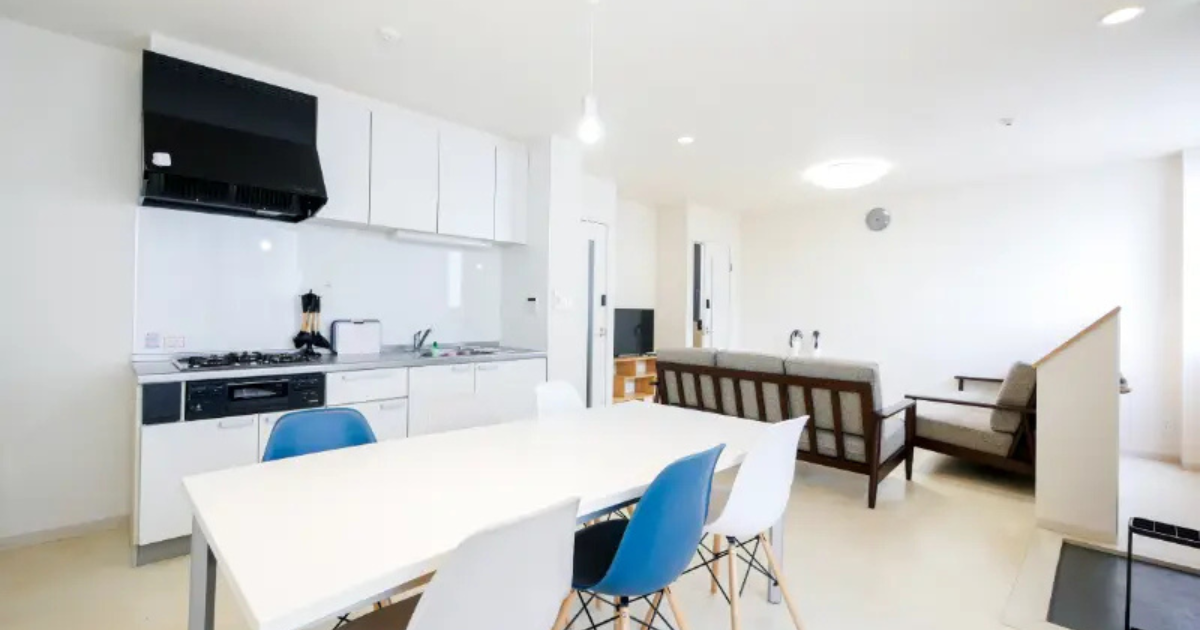
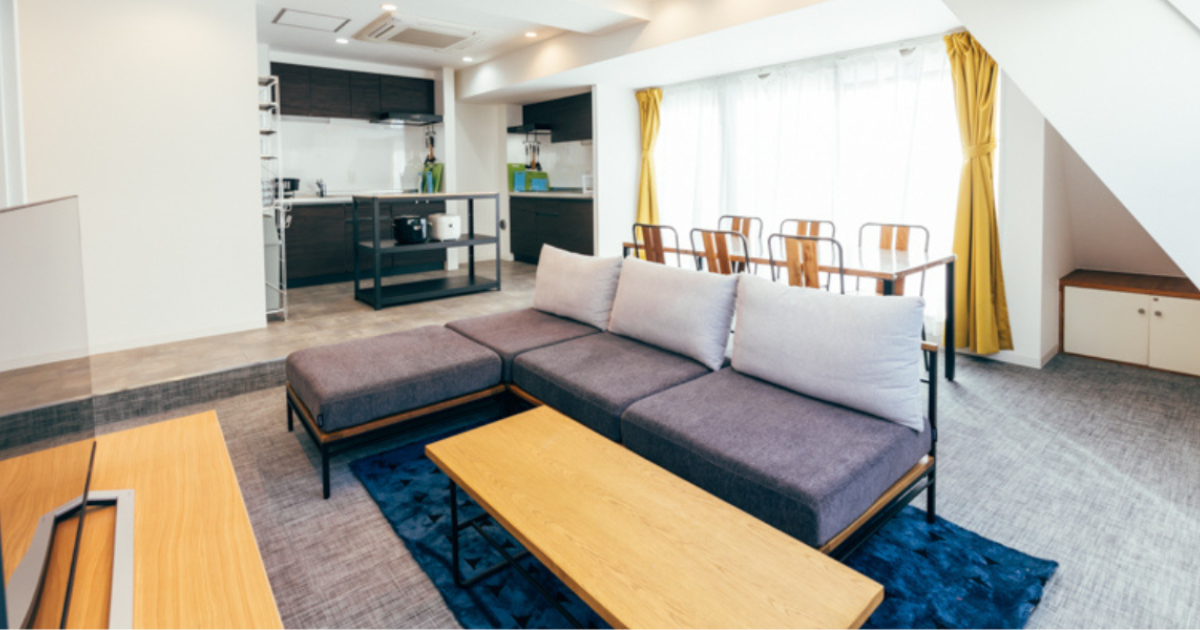
Every room at Borderless House is fully furnished, providing residents with a comfortable and convenient living space. From private rooms to shared facilities, we ensure that our tenants have a welcoming home environment.

Language and Cultural Exchange:

Boost your knowledge of cultures and languages by joining our events. Borderless House really pushes for people to learn from each other. With events, language exchange, and regular chats, people can get better at languages and learn more about other cultures.

Prime Locations:

Borderless House chooses optimal locations in central areas, making sure it’s easy to get to transport, shops, and interesting places. This helps people really enjoy the local area and see what makes Japan special.

Embrace a Borderless Year in Japan!

Whether you’re coming to Japan for study, travel, or a love of culture, BORDERLESS HOUSE welcomes you into a warm, friendly community. Here, you’ll find an inclusive space filled with people from all over the world.

Don’t miss this special chance to join our multicultural family early! With the Early Bird Campaign, you can dive into a global community, make new friends, and create memories that will last a lifetime.

Make the most of the Early Bird Campaign and reserve your place in our share houses in Tokyo, Osaka, Kyoto, Kobe, and Sendai. Join a community that celebrates global unity and cultural exchange!

Dive into our available rooms by exploring the links below:

▼Tokyo Area▼


▼Kansai Area▼


▼Sendai Area▼

Living a life where small discoveries and new experiences keep expanding is truly enjoyable!

“Ready to take a leap and grow personally? That’s a feeling many people share.

We interviewed a resident who joined Borderless House—our international share house—to boost their English before their Working Holiday. He started with one goal: to “use English daily and improve fast.” After living in three different Borderless Houses, did they reach their goals?

He told us that living in an international share house creates a ‘chemical reaction’ in your life. What practical English skills and new ways of thinking did they gain from this experience?

Read on for their story—from why he moved in and what life in the share house is really like, to a warm message for anyone considering joining our community.”

Boost English Skills Before Working Holiday – Experience Life in 3 Different Share Houses!

―First, could you tell us a little about yourself?

My name is Daijiro Kaneda, and I’ve been living in Asakusabashi House for six months. I currently work as a company employee in Tokyo.
I’ve had the opportunity to live in three Borderless Houses: Kichijoji 1, Kikukawa 3, and now Asakusabashi 1, with a working holiday in Australia in between.

―What made you decide to move into Borderless House?

Before my working holiday, I wanted to improve my practical English skills, so I searched for an environment where I could use English daily. Since I wanted to maximize my time in Japan by immersing myself in English, and I also wanted to downsize by getting rid of my old furniture, living in a share house with international residents seemed like the ideal choice.
Borderless House was an easy decision because of its strong focus on interaction compared to other share houses.

No More Fear of English – Feel the Growth in Practical Conversation Skills!

―How would you describe your English skills before moving into Borderless House?

Before moving in, I could only manage simple self-introductions in English. Even though I had studied through online lessons, I didn’t have many chances to interact with people from overseas, so my practical English wasn’t very strong.

―Did you notice an improvement in your English after moving in?

Yes, I definitely noticed a big improvement! Having someone to speak English with daily really boosted my confidence, especially when it comes to practical, everyday expressions.
For example, something as simple as “What day should I take out the burnable trash?” became a challenge to say in English. After moving into Borderless House, I realized there was still a lot for me to learn, but this realization became a great motivator.
Every day, I’d ask myself, “How do I say this in English?” I would take notes, look things up later, and practice. This process really helped me improve my practical English skills.

―Did you feel hesitant about using English?

Living at Borderless House helped me overcome my hesitation to speak English. I used to feel like I needed to speak perfectly, but over time, I realized it’s okay to speak even if it’s not flawless.
When I went to Australia, I felt a bit nervous at first, but I quickly adapted, thanks to the daily exposure to English while living in Japan.

―Did you do anything specific to improve your English through interactions with your housemates?

In my previous house, we would set up informal Language Exchange sessions where we’d teach each other our languages. Since many of my foreign housemates at Borderless House were also learning Japanese, it made for a fun and engaging way to improve both English and Japanese through our daily conversations.

Even though we come from different countries and cultures, the shared joys and challenges of learning a language have really brought us closer, and I find teaching and learning from each other to be incredibly fun! Even now, living in the Asakusabashi House, I continue to teach Japanese to my housemates, and it gives me a real sense of fulfillment.

A Life Full of Small Discoveries
Challenges and New Experiences Are More Fun with Housemates by Your Side!

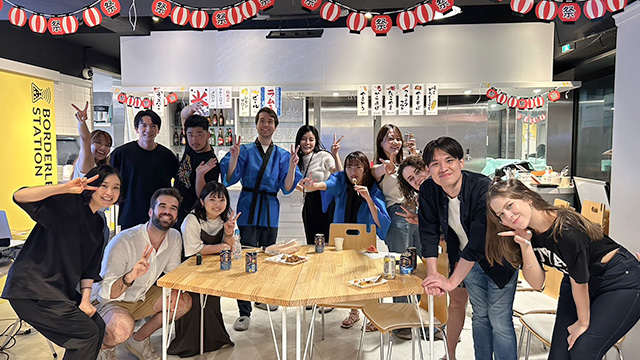
The summer festival party was held at the “BORDERLESS STATION” on the first floor of Asakusabashi 1 House.

―Can you share a memorable experience from your time at Borderless House?

At Asakusabashi House, we rotate event leaders each month to organize house events. When it was my turn, I decided to bring the feel of a traditional Japanese summer festival to the house.
We set up a projector to show fireworks and served festival treats like shaved ice and takoyaki. It was so much fun—like being a kid again—and seeing everyone smile made it even more special. It’s a memory of summer that I’ll always cherish.

―On the flip side, was there anything challenging about living at Borderless House?

At Asakusabashi House, aside from the event leader role, we also have a cleaning leader who manages the house cleaning. When I first moved in, I casually volunteered for the position, thinking it would be easy. But it turned out to be a lot more work than I expected! (laughs). If the cleaning wasn’t done properly, the leader would get feedback and have to resolve the issue, so it kept me pretty busy.
Looking back, though, I’m actually grateful for the experience. Taking on the leader role right after moving in helped me communicate more with my housemates and get to know the house better. I realized that even challenging tasks can become fun when everyone works together.

―Were you always someone who enjoyed spending time with others?

I actually used to prefer spending time alone and wasn’t the type to enjoy doing things with others. But after moving into Borderless House, I started having more fun with my housemates, and I discovered a new side of myself.

For example, just recently, I rode an electric scooter for the first time in my life and visited a sauna—also a first—with my housemates. If I had been living alone, I probably wouldn’t have experienced these things. But with housemates, these new experiences keep coming. At Borderless House, life is full of small discoveries and new experiences, which makes it so exciting and enjoyable.

Step into a Life Full of Connections at Borderless House
– Jump In and Experience It!

―After returning from your working holiday, you came back to Borderless House and have been living in international share houses for over three years. Why do you continue to choose Borderless House?

After my working holiday, I didn’t have much furniture or savings, so returning to a share house seemed like the easiest way to rebuild my life. But the main reason I keep choosing Borderless House is the endless opportunities to meet new people.

For me, meeting new people has always been what brings about life-changing moments. My working holiday wasn’t always easy, but the connections I made have left a lasting impact on me, and I believe they’ve helped me grow.
When you’re alone, it’s harder to experience those “life-changing moments.” That’s why I want to keep living at Borderless House, where I can continue experiencing meaningful encounters with people from different cultures.

―Have you noticed any changes in how you communicate with your housemates?

Yes, my perspective on interacting with people who think differently has really evolved. I’ve become much more open-minded.
In the past, if someone didn’t act the way I expected, I’d quickly assume, “They’re just different from me,” and sometimes be a bit critical. Now, I try to understand their background. I think, “Maybe it’s part of their culture?” or “Maybe they’ve had a tough day?” It’s been a very positive change for me.

―Lastly, do you have a message for anyone thinking about moving into Borderless House?

I had never lived with anyone outside of my family before, so I was nervous too. But through meeting so many new people, I’ve experienced growth and change, and I’m truly glad I took that step.

As I mentioned earlier, meeting people can be a huge catalyst for change in your life. If you’re looking to make a change, I think Borderless House, with its vibrant community, is a great place to start.
If you’re thinking about moving into Borderless House, it means you’re probably interested in share house living. If so, don’t ignore that curiosity! You can always go back to your previous lifestyle if it doesn’t suit you, or even switch to a different house. Don’t be afraid—take the first step!

Moving away from home, a mother and daughter’s story of life in an international shared house

Spring is the season when many young people begin new chapters in their lives. But for parents, it can also be a time filled with both pride and worry, especially when it is time to send their child off to live on their own for the first time.

This time, we spoke with Mieko-san, a first-year university student who spent six months living in Borderless House Ikebukuro-Oyama 1, and her mother Kayoko-san.

Until then, Mieko had always lived at home. So what was it like for her to move into a share house for the first time?

We also asked her parents how they felt about letting her live in Borderless House – and how this experience unexpectedly deepened the bond between mother and daughter.

Meet the Family
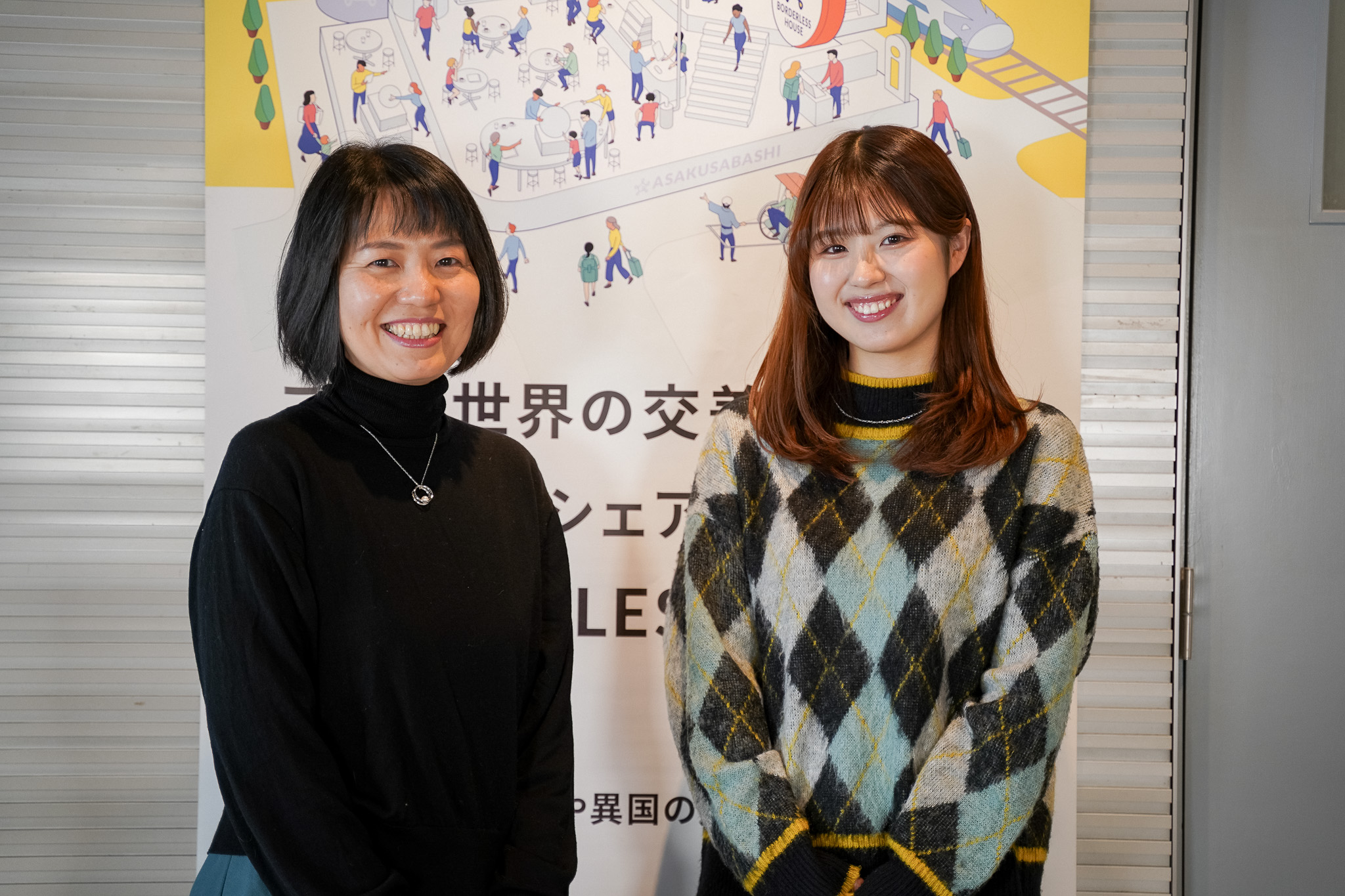
Mother: Kayoko-san
A cheerful, positive mother of two who used to work at Borderless House

Daughter: Mieko-san
A first-year university student majoring in community welfare (at the time).
Stayed for six months at Borderless House Ikebukuro-Oyama 1 from September 2024.
Slightly shy but full of curiosity and a strong desire to learn.

Moving in with both anxiety and excitement, a mother’s encouragement behind her daughter’s decision

──Mieko-san, you decided to move into Borderless House during your first year of university. Did you already know that your mother was working there as a staff member?

Mieko-san:

Yes! Actually, the reason I even started considering moving in was because of my mom’s encouragement. She’s always had a strong international mindset, and that influenced me a lot. I was already interested in studying English and going abroad since high school.

At first though, when she suggested Borderless House, I immediately said, ‘Living with other people? No way, that is impossible for me!’ Maybe part of me wanted to rebel a little because it was my mom’s workplace too.

But about a year later, around the time I started university, I slowly began to feel more curious. I remember asking my mom all kinds of questions about what life in a share house was really like.

──What changed in how you both felt about it?

Mieko-san: After starting university, I began to feel a stronger desire to improve my English. I was also becoming more interested in studying abroad, and I thought it would be great to build up more practical English skills while I am still in Japan. When I talked about that at home, my mom said, ‘Then Borderless House sounds perfect for you!’

Kayoko-san: The good thing about Borderless House is that you can start living there for as short as one month. I told her, ‘If it does not feel right, you can always move out quickly, so why not just give it a try?’ I wanted her to see it as something she could experience casually, without pressure.
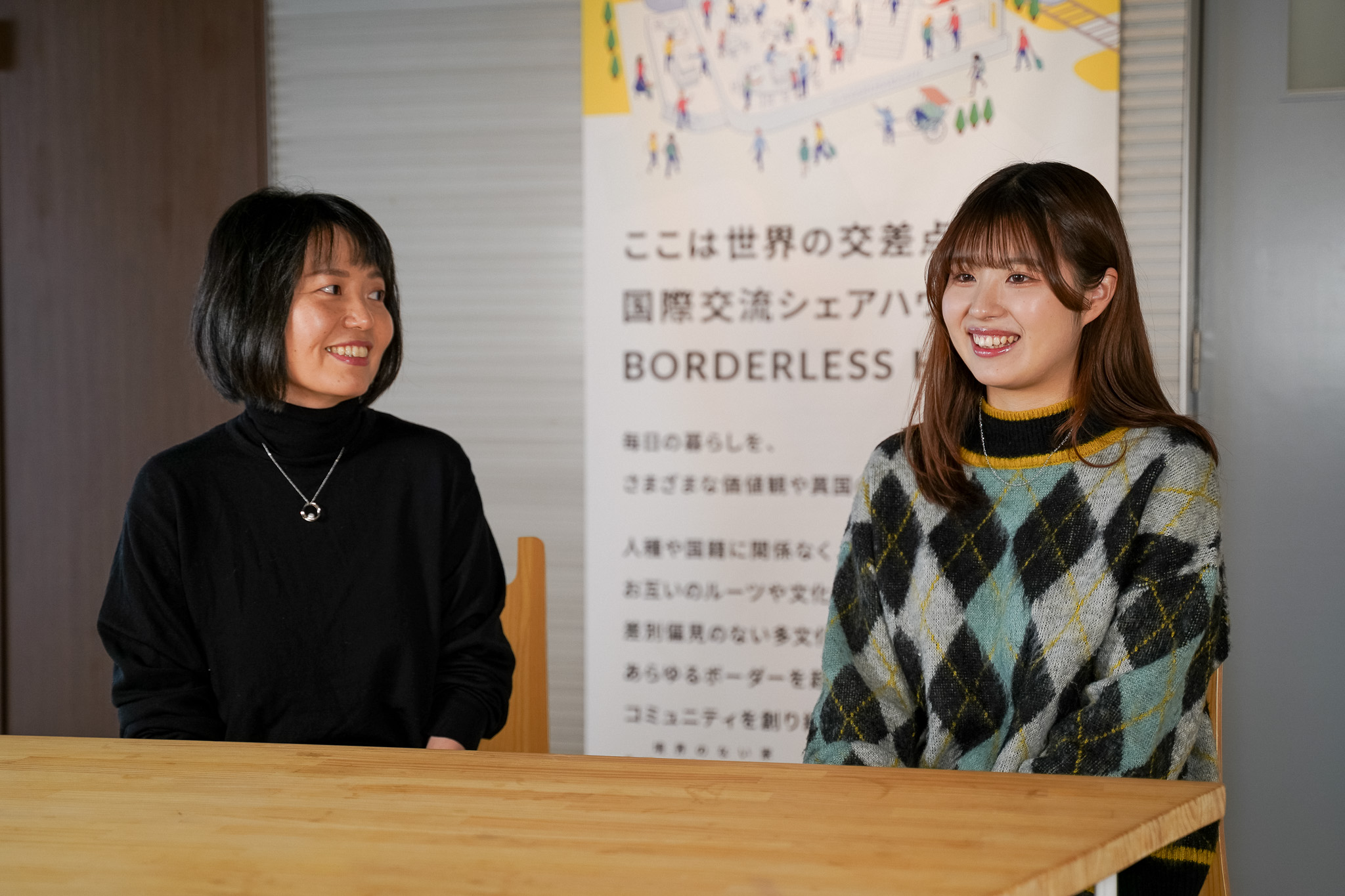
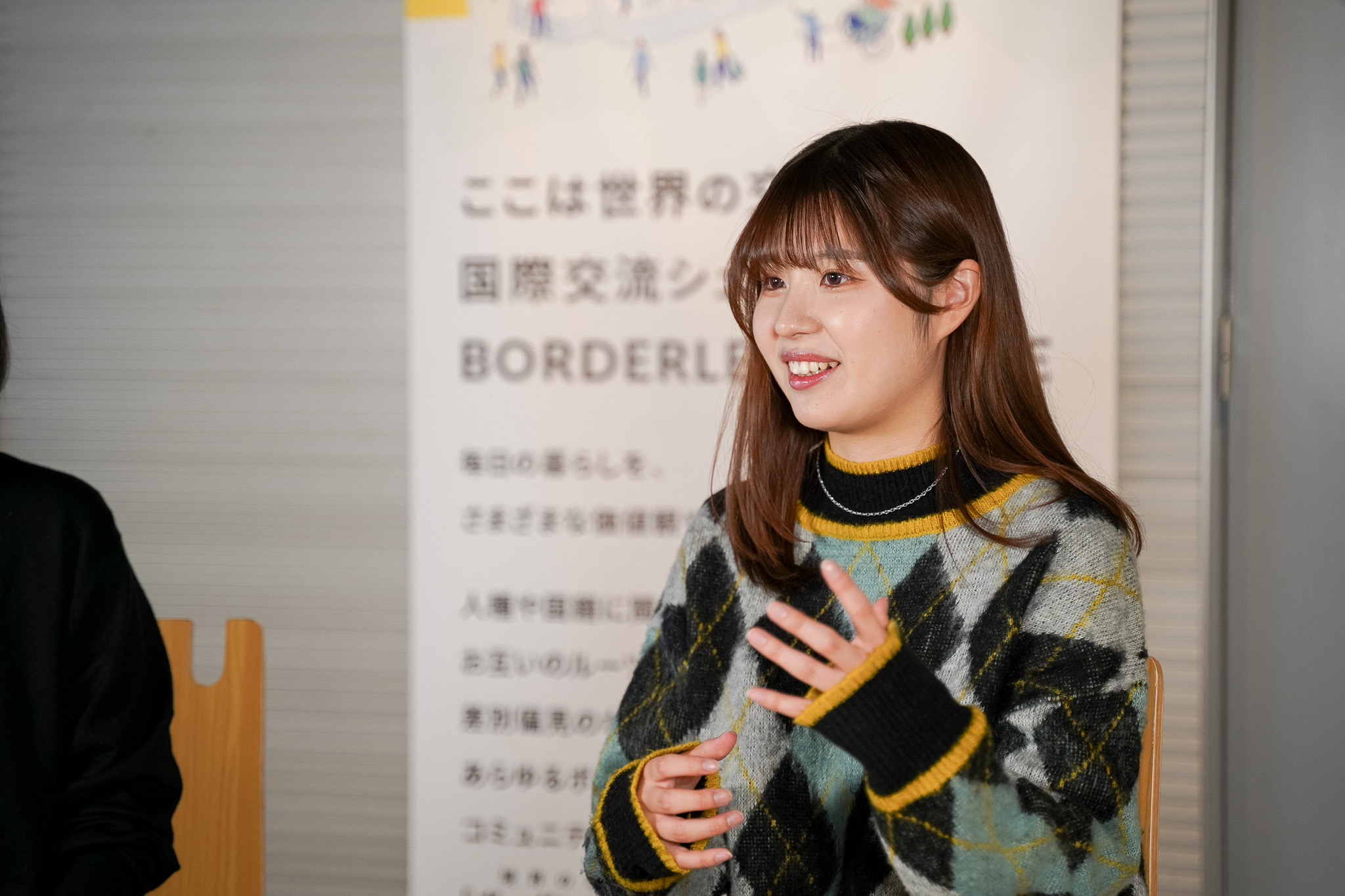
Mieko-san: Exactly. My mom really gave me the final push to go for it.

And honestly, the location was also a big reason. From my parents’ house, it took me about two hours round trip to get to university, but living in Ikebukuro Oyama House shortened my commute a lot. Realizing how much more convenient life would be made it easier for me to make the decision.

──Were you not nervous about moving in?

Mieko-san: Of course I was! Moving in with people I have never met before and in a different language environment made me wonder if I could communicate smoothly. Unlike reading or listening practice, conversation in English happens in real time, so I worried I might not be able to keep up with everyone.

But honestly, that was also what I was most excited about! Until then, the only English speakers I have really talked to were the ALT teachers who occasionally came to our classes, and even then it was never one-on-one for long. I was both nervous and curious to see what it would be like to live surrounded by English every day, it felt like such an adventure!

──What were you most looking forward to?
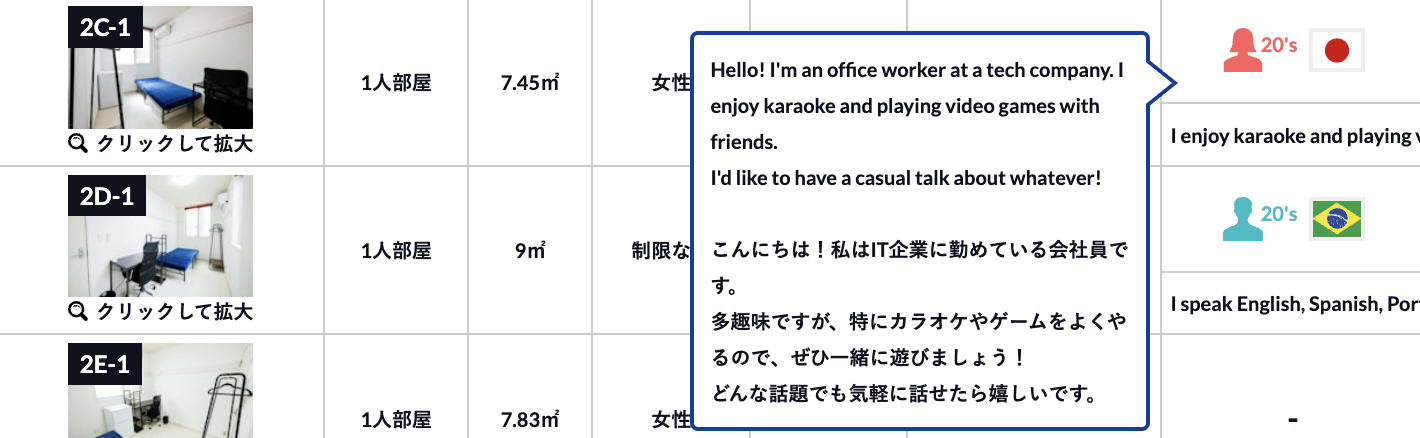
Mieko-san: Once I decided to move in, I found out that all of my housemates were older than me. Beforehand, I have looked at the self-introduction comments on the official website and saw that many of them were already working adults. I thought it would be interesting and really valuable to hear about their jobs and workplaces.

I had also been checking out Borderless House’s blog and Instagram, and I saw that there were regular house parties and events where residents from different houses could meet. I was excited to join those and experience that kind of exchange in real life!
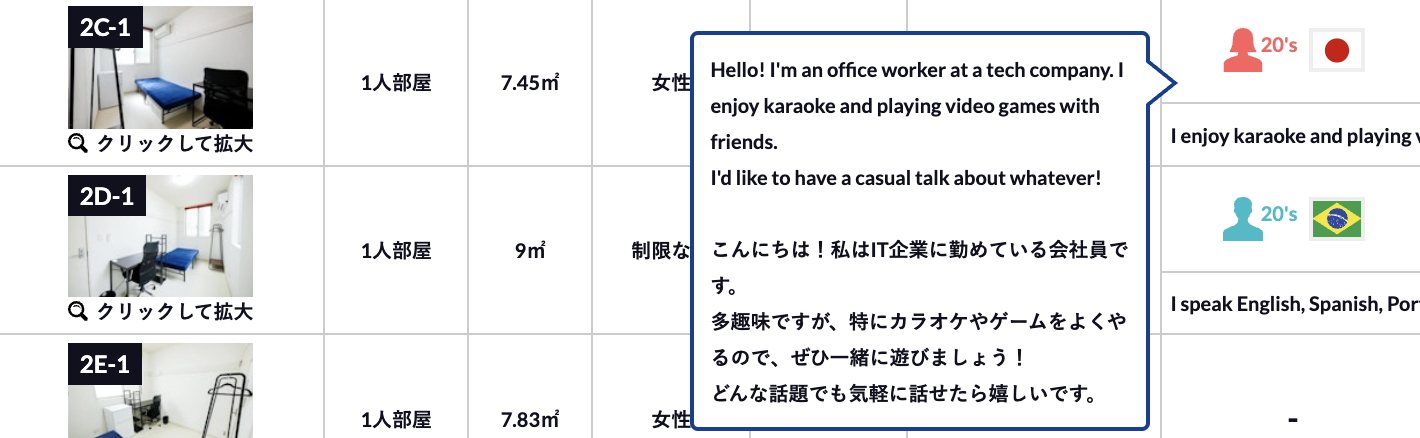
The residents’ self-introduction comments posted on the official website.

──As parents, how did you feel when your daughter finally moved into the share house?

Kayoko-san: Honestly, I was more happy than worried. I was proud to see my daughter take on a new challenge.
Since I work at Borderless House myself, I also understood the safety and structure of the houses. If anything, it was my husband who was more concerned, he was always saying things like, ‘Make sure you lock your door at night,’ or ‘Don’t walk alone after dark!’

Even so, Borderless House share houses are very secure – each room and shower is individually locked, and most houses are located close to stations, so there is less need to walk far at night. I actually felt it was safer than her living alone in an empty apartment. In the end, I felt reassured knowing she would be coming home to a place where people were waiting for her.

A fun and inspiring life with housemates – No mroe fear of speaking English!

─It has been about six months since you moved in. How has life in the share house been so far?

Mieko-san: It is honestly been so much fun! Everyone was so friendly from the very beginning, and I quickly felt comfortable. Especially the international members. Many of them wanted to learn Japanese or become friends with Japanese people, so they were really open and approachable.

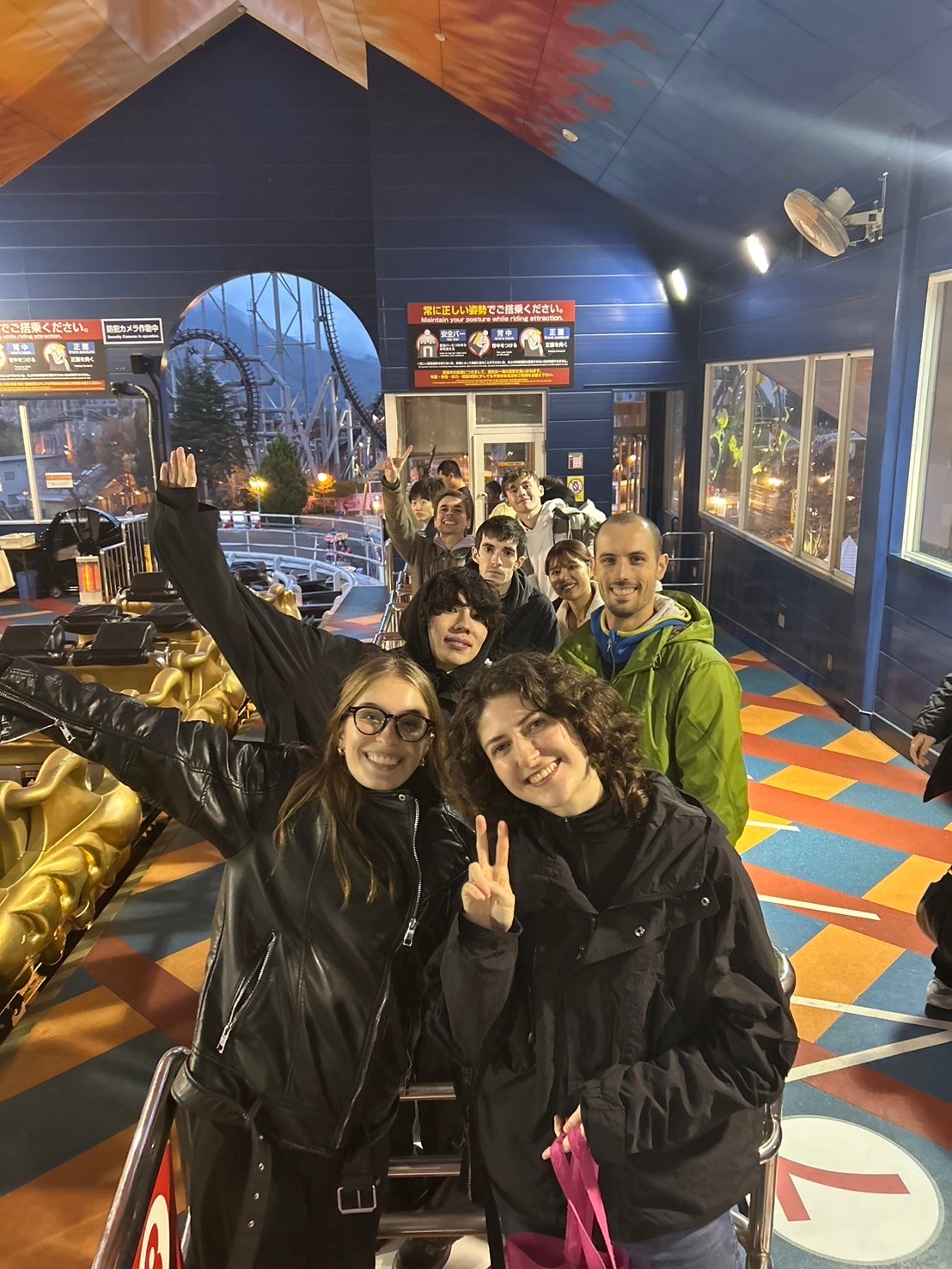
We often go out together on our days off – to cafés, pottery classes, and recently, about ten of us even went to Fuji-Q Highland!
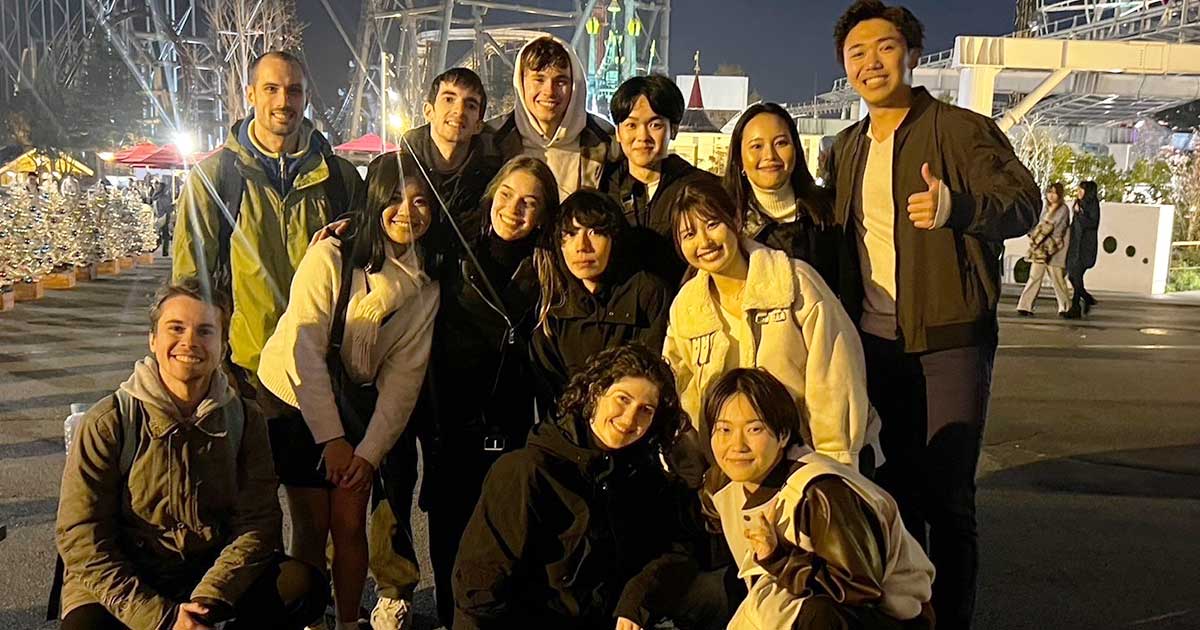
When someone has a birthday, we celebrate with a party in the house, so it is always lively and cheerful.

Kayoko-san: And even the former housemates who have already graduated still come back to visit often, don’t they?

Mieko-san: Yes! One of my former German housemates, who had already graduated before I moved in, came back to Japan in March and visited us several times. That period felt like a non-stop party, it was so much fun!

Since it is a mixed-gender house, I was a little nervous at first about living with male residents, but everyone was so kind, mature, and considerate. They always looked out for me, so I felt very comfortable.

─ I am so glad to hear you are enjoying life there! How was commnuicating in English? Was there something you were worried about?
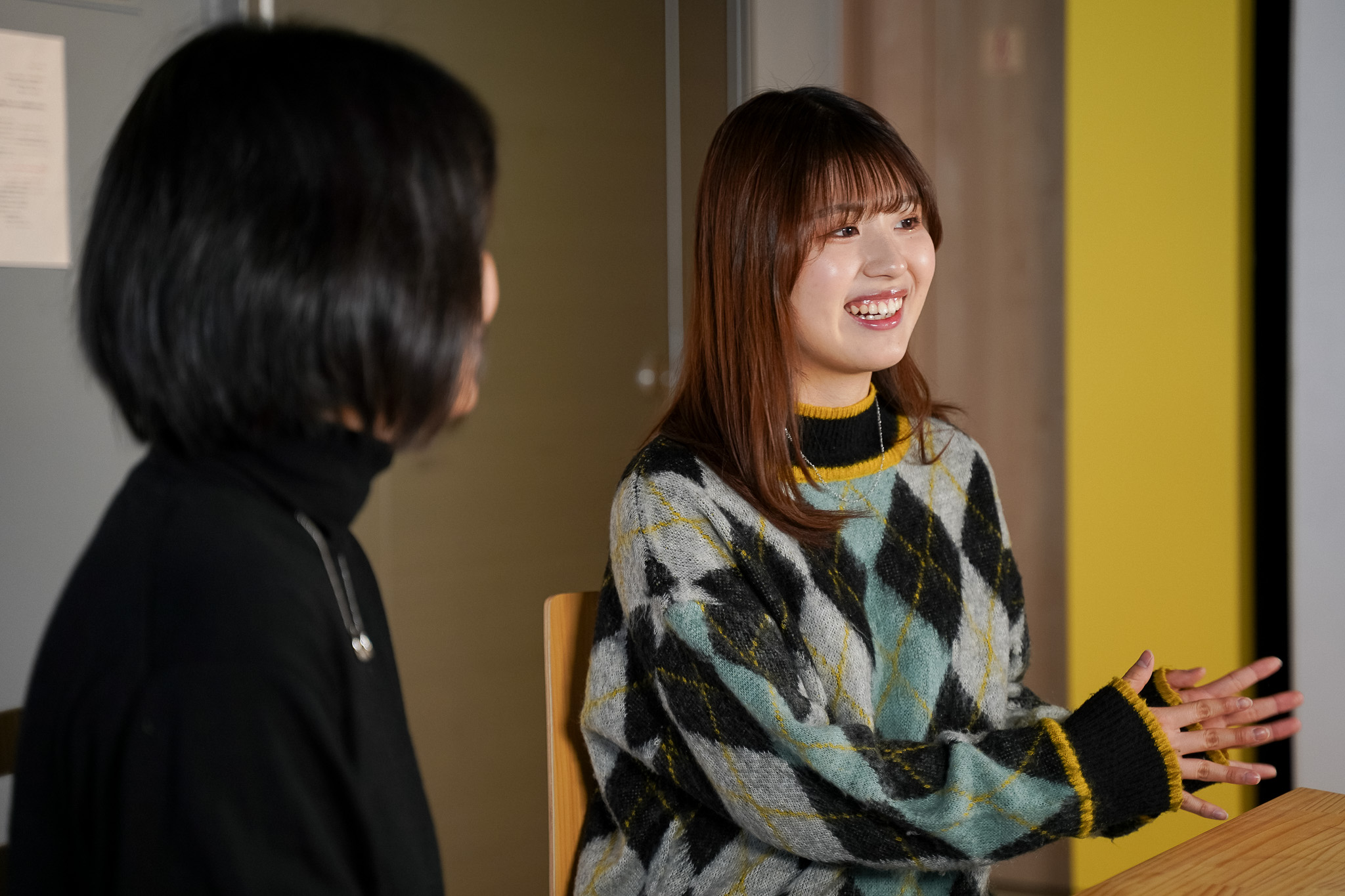
Mieko-san: At first, I definitely felt resistance toward speaking English. But the housemates were so kind – they would listen patiently even when my English was not perfect, and they taught me words when I did not know how to say something.
It is still far from perfect, but I no longer feel scared to just try speaking.

─ Since living in a share house, have you noticed cultural diferences?

Mieko-san: Yes, especially with food culture!

One time, someone mixed carrots into plain rice and served it, and I could not help thinking, ‘Wait… is that actually good?’

A lot of people really like Japanese food though, so we often end up eating Japanese dishes together.

Also, many of the international members do not soak in the bathtub, so the bathtub in the house was basically unused. As someone who loves taking baths, I started going alone to the nearby public bath by Oyama Station and enjoyed relaxing in a huge bath.
Growing through share house life – Even household skils improved

─ After moving in, how were cooking and cleaning handled?
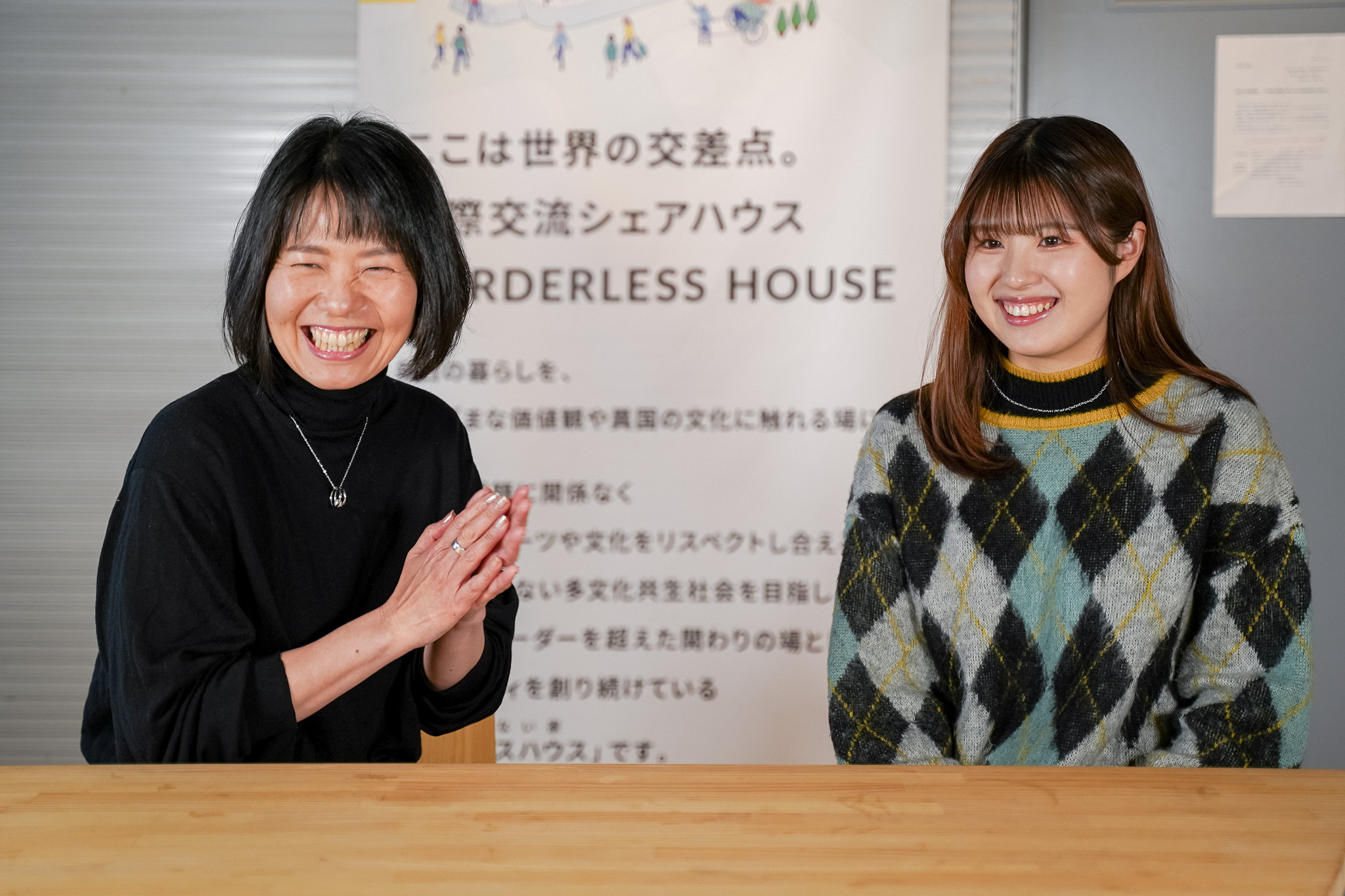
Mieko-san: Our house had clear rules for dividing the cleaning duties, so everyone would rotate weekly and share the tasks.
For cooking, sometimes someone would say, ‘I am making curry, want to cook together?’ and we would make it as a group. But honestly… I was not very good at cooking for myself. I think I mostly just managed to cook rice.

I relied a lot on eating out or frozen food, so living in the share house made me realize how much I appreciated my parents’ cooking. When I go back home occasionally, I make sure to eat a lot of vegetables!

Kayoko-san: When she still lived at home, I was the type who liked taking care of everything, so I ended up doing most of the housework.

But the other day when Mieko-san came home after living in the share house, she stood up after dinner and started washing the dishes without being asked… and I was so touched I almost cried.

It made me feel like she had grown – that living in the share house helped her learn to look after herself.

Mieko-san: In the share house, we buy cleaning supplies and daily essentials using shared funds that everyone contributes to, so I became more aware of managing money for daily life.

Now I am paying for my living expenses by working part-time, so I keep a household budget and track everything carefully. It made me realize how important money management is.

How share house life changed the relationship between mother and daughter
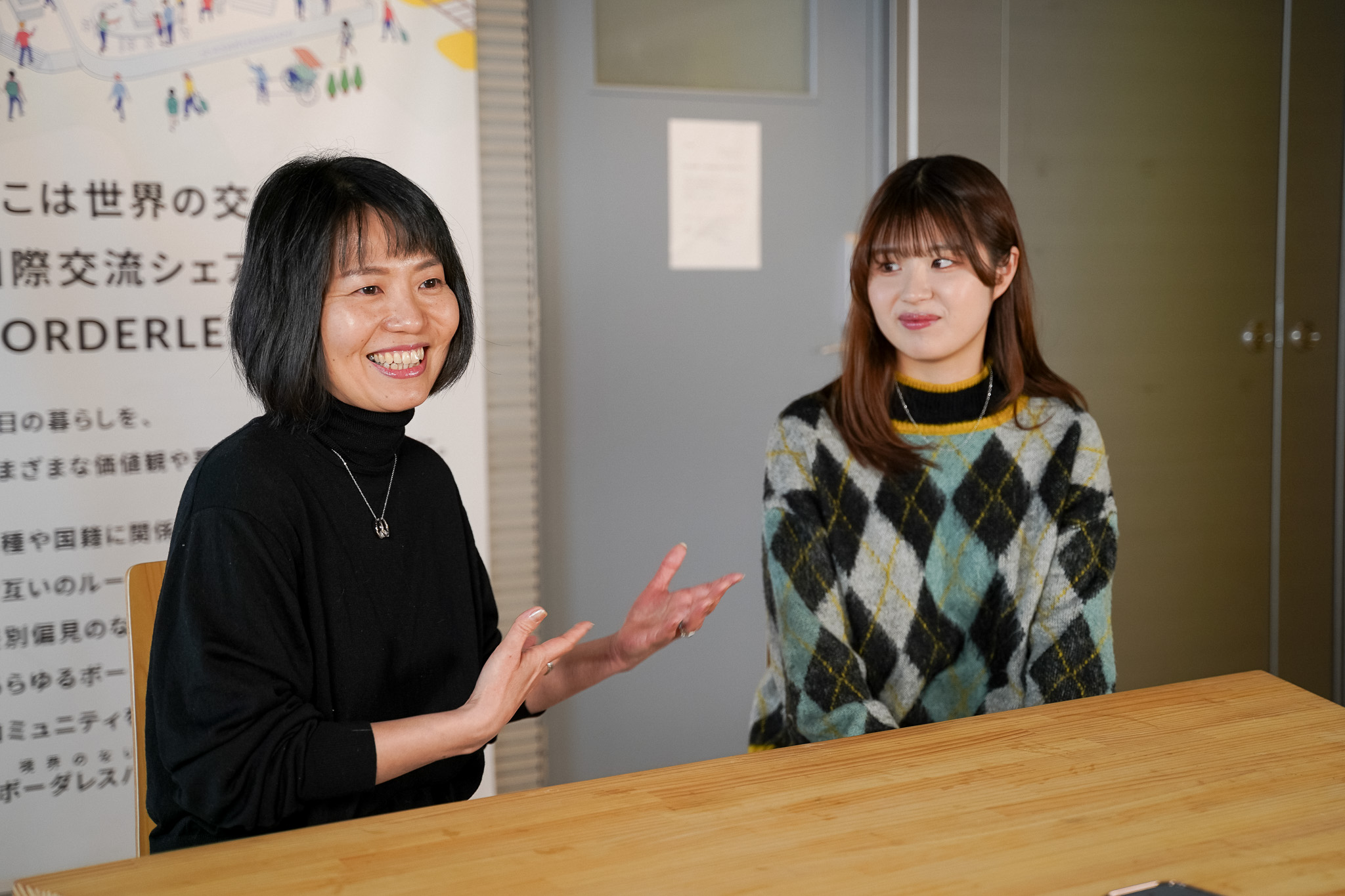
─ During your six months in the share house, was there anything that left a strong impression on you?

Mieko-san: One time, I stayed up all night talking in the living room with my housemates who have already been working for a while, that memory really stayed with me.

Some housemates were full-time company employees, others were freelancers working independently, and some were using English every day at their jobs.

While talking with them about their past experiences, future dreams, and life goals, I found myself inspired over and over again.

There was also a moment when I opened up to a housemate about being unsure of my future path. They told me, ‘It’s never too late to figure out what you want to do. Try lots of things now, and then choose slowly.’

It felt like a ray of light shining into my life. I had always been someone who looked backward instead of forward, but that one conversation helped me move on with a more positive mindset.

Until high school, my friendships were mostly with people who thought and lived just like me. I think I lived in a pretty narrow world. But at Borderless House, I met people of all different ages, nationalities, and backgrounds – and talking with them opened my eyes to values and ways of living I never knew existed.

Thanks to the housemates I met there, I realized just how many different paths and options exist in life.

─ From your perspective, Kayoko-san, what changes did you notice in Mieko after she moved in?
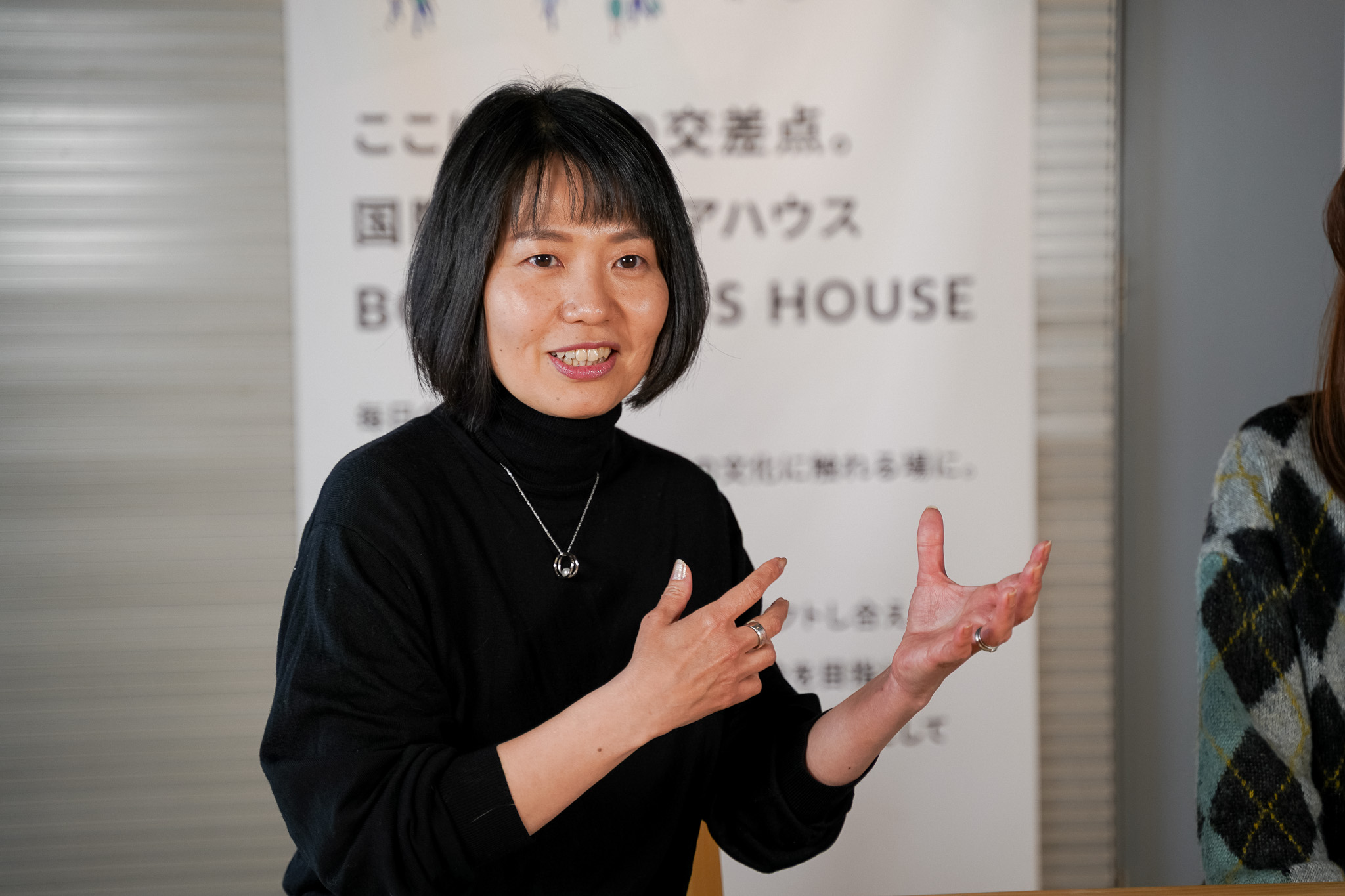
Kayoko-san: She has become so much more reliable.

Before, she was quiet and shy – she hardly ever talked to boys in her class. But now, whenever she comes home, she happily tells us stories about her housemates.

I think Mieko–san herself may not fully realize it, but her perspectives have widened so much.
By living with working adults and housemates from different backgrounds, she was exposed to different values and ways of living. I feel like she now sees her future with a much more positive mindset.

─ Did your mother-daughter relationship change as well?

Kayoko-san: I think we can talk with a healthier distance now. When we lived together, I tended to do everything for her because I wanted to take care of her. Sometimes I would even nag her about small things – we would occasionally clash because we were too close.

But now, we communicate more, we message each other on LINE to check in, we go out for meals together near Oyama Station, and when she comes home, she happily tells me stories about her housemates.
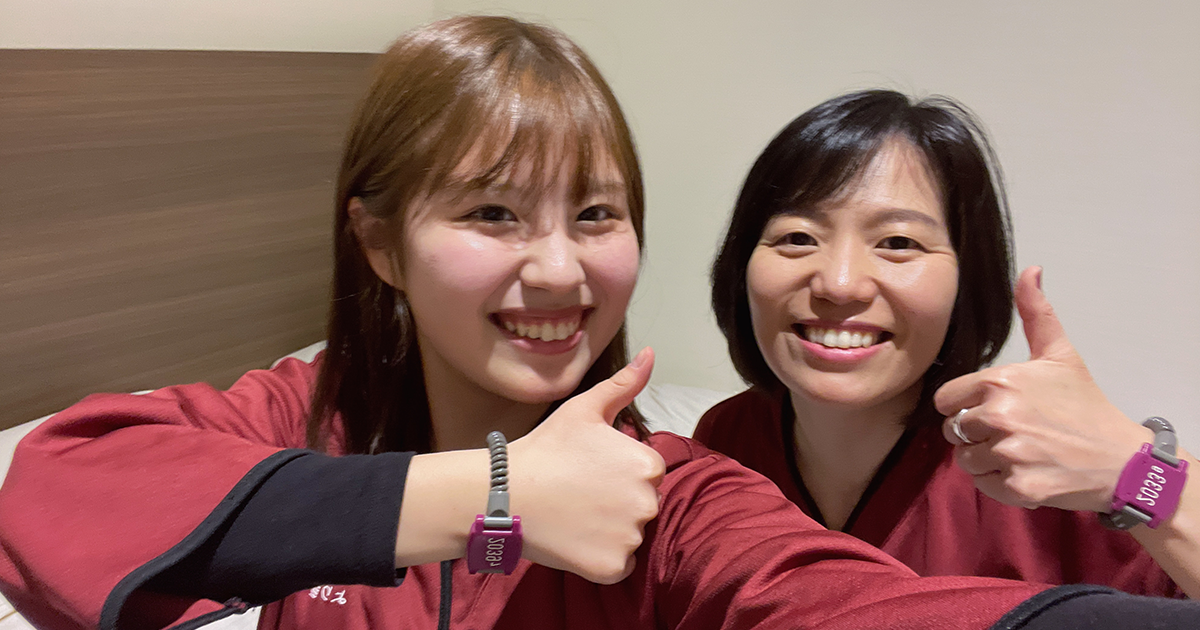
Seeing her enjoy her life so much makes me think, ‘Wow… if only I had a place like that when I was her age!’”

Through her experiences, I feel like I am also learning and growing.

We are no longer just mother and daughter, we are able to speak to each other with mutual respect, as two individuals. That change means so much to me.

From Mieko-san to young people curious about Borderless House
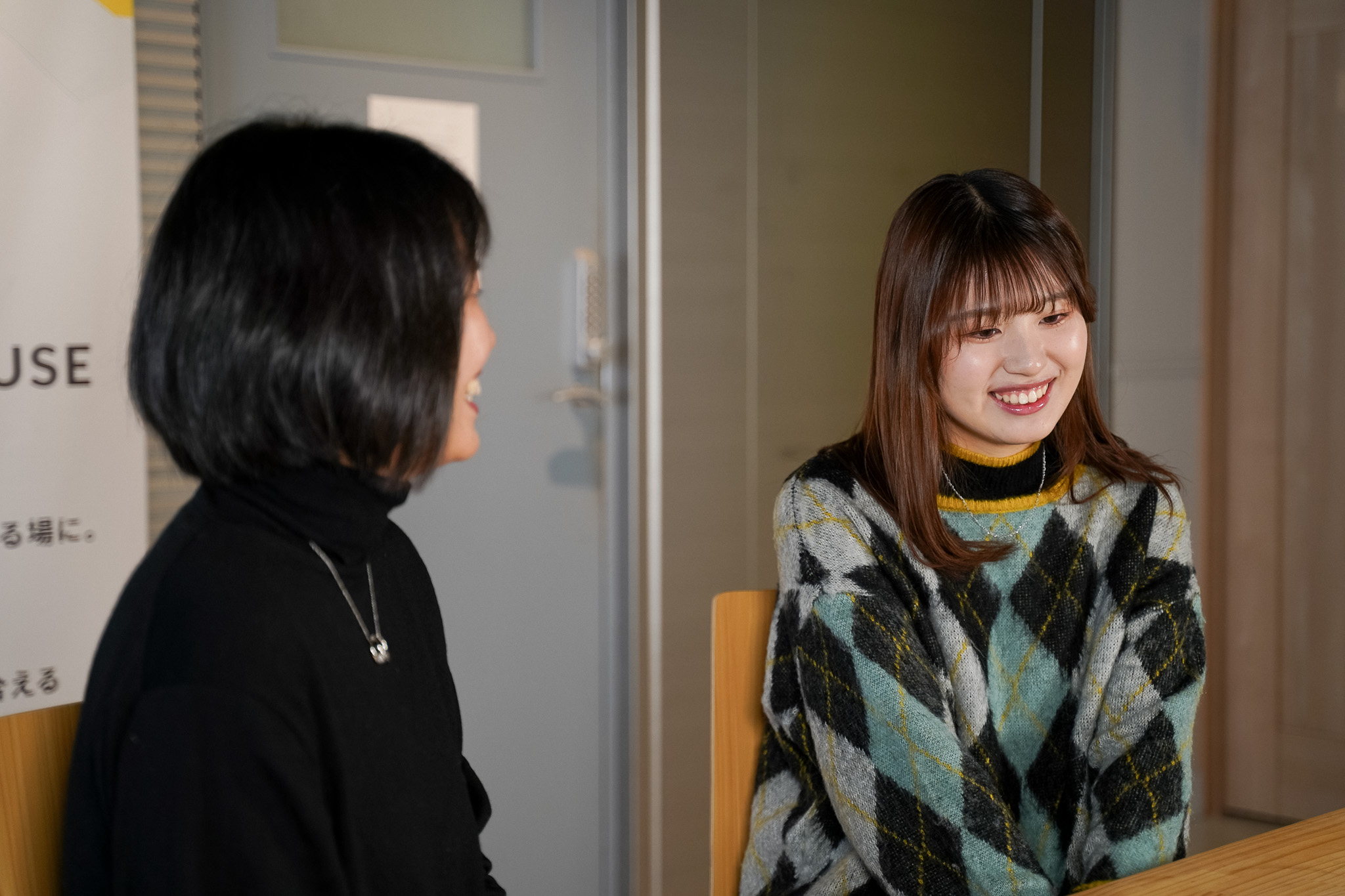
Mieko-san: Starting something new can be really scary. It always feels safer to stay in the lifestyle you are used to.

But unless you try, you will never know and there is a whole world you would not see until you take that first step.

Through living in the share house and connecting with my housemates, I truly became more confident and forward-thinking. I discovered new things I wanted to do and new goals I never would have imagined before.

Borderless House allows you to try living there for just one month, so if you are a university student, I really encourage you to take that first small step.

A message from Kayoko-san to parents who are considering this for their children

Kayoko-san: When it comes to your child, it is completely natural to worry, no matter what kind of life they are choosing. That is what being a parent is.

At Borderless House, you can see self-introductions and community information on the website, and after applying, you can also have an online consultation. So you can ask anything that concerns you and get a clear image of what life will be like before they move in. I think that helps ease a lot of worries.

There are experiences that children can only have while they are young. And I believe sending them off, even though it is scary, allows them to grow twice as much.

So if your child is ready to take a step forward, I hope you can be the wind at their back.
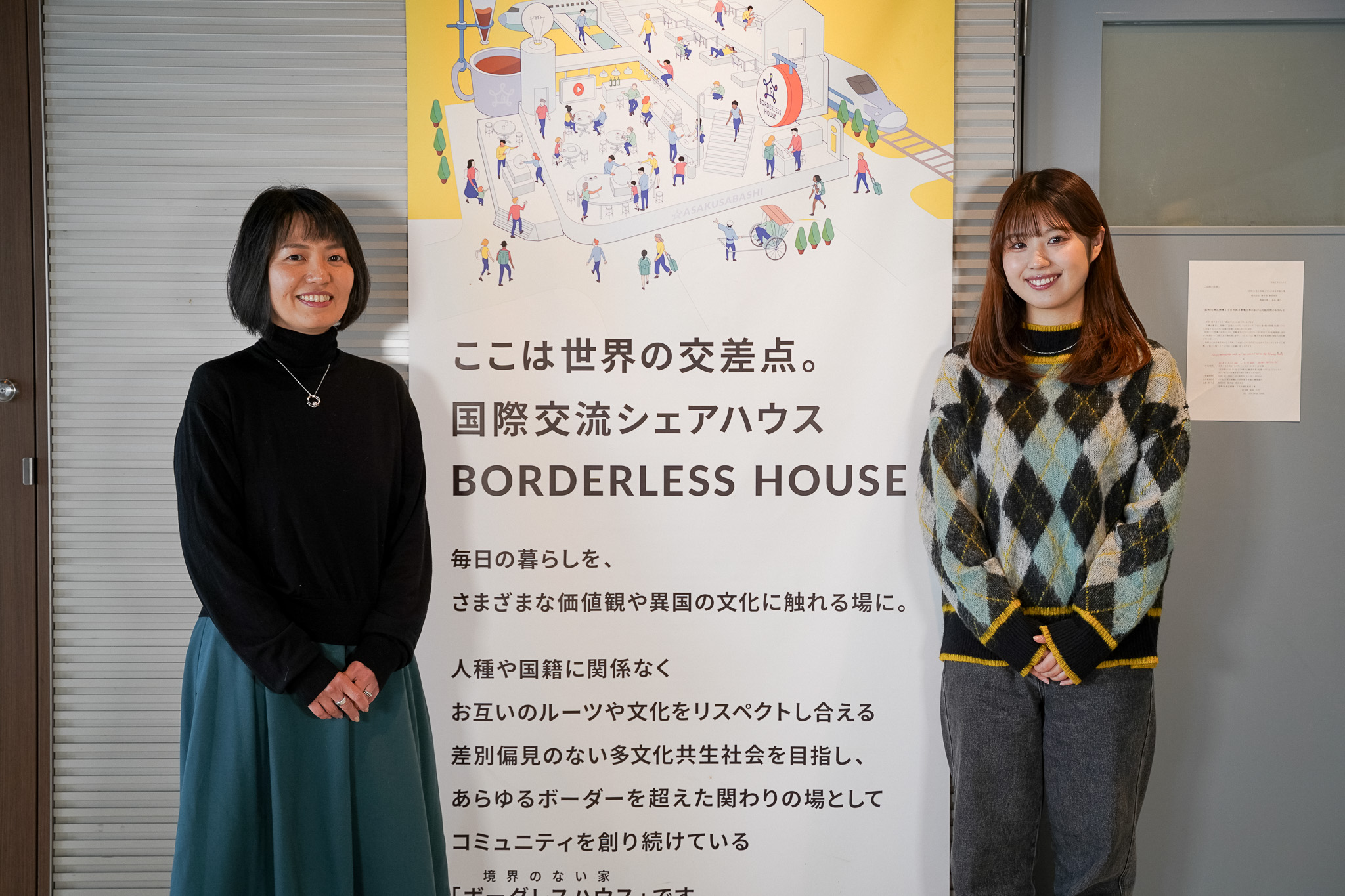


4 Years of Growth at Borderless House: From Exchange Student to Global Commuter

Kaho-san moved to Tokyo from Shizuoka to attend university and has been living at Borderless House for four years.

After studying abroad in Canada during high school, she wanted to keep connecting with people from different backgrounds in her everyday life. She decided to move into Borderless House and start her new life in Tokyo.

There is a whole world you can only experience by living together – one you would never encounter through a typical university life,” says Kaho.

We spoke to her about the friendships, discoveries, and memorable experiences she’s had over her 4 years in Borderless House, living in 3 different share houses across Tokyo.

服部さん
Kaho-san

About Kaho-san
Currently a fourth-year university student, she has been staying at Borderless House for about four years since moving there in her first year. Using the House Transfer System, she has lived in three different houses in Tokyo.

I chose Borderless House to continue my study abroad experience

Photo from one of our house parties!
―What made you decide to move into Borderless House when you started university?

I spent a year studying abroad in Canada during high school. When I came back to Japan, I felt it was such a waste that the ‘English-speaking version of myself’ disappeared from my daily life. So when I moved to Tokyo for university, I decided, If I’m going to live alone, I want to live in a share house where I can connect with people from around the world.

Also, since I came to Tokyo from Shizuoka during the COVID-19 pandemic, it was hard to make new friends at university. I really wanted to find a community.

Instead of studying English, I wanted to use it in my everyday life. Living together and naturally talking with people felt like a much better way to connect – and that is exactly what Borderless House gave me. I also strongly believed that living and interacting with different people through daily life would help me build closer relationships.

―Why did you choose Borderless House over other companies?

I actually looked into several other share house options too. But I felt that in places that were too big, somewhere between an apartment and a share house, it might be harder to build close, long-term relationships with others.

In contrast, Borderless House has a much closer atmosphere among residents, and most people are in their 20s, so it felt easy to connect. Also, since you can move between houses, you’re not limited to one community – you get the chance to meet many different people and perspectives, which really appealed to me.

I have always been a curious person, so living in an environment where I could interact with all kinds of people felt like the perfect fit for me.

Learning English you can actually use, not the kind taught in textbooks


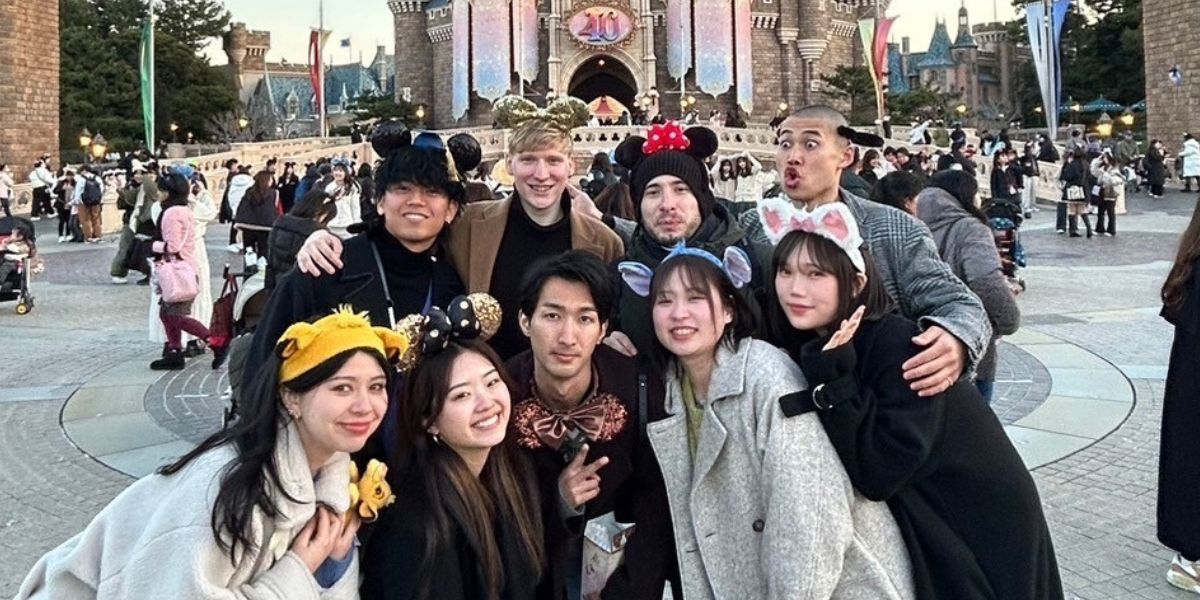
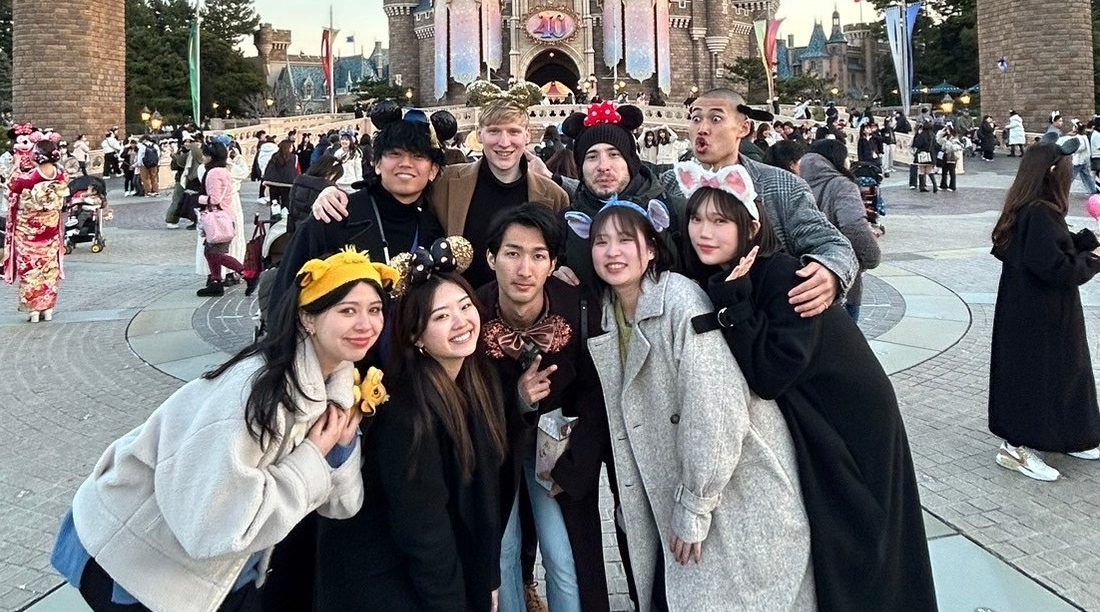
↑A trip to Disneyland with my housemates!

―You mentioned studying abroad in high school. How was your English before moving into Borderless House?

When I first moved in, I was not too worried about my English. Since I was majoring in English at university, I already had a solid foundation. But living at Borderless House and studying at university gave me so many chances to naturally use the language. It really helped me improve my speaking and listening skills without even realizing it.

―That is amazing! After moving in, did you notice any changes in your English skills?

Yes, definitely! I feel like the range of my English expressions really expanded.

For example, when someone in the house was going through relationship troubles, or when little dramas happened, we would have deep talks over drinks. There were so many conversations that only people our age could have. I was able to experience topics and emotional expressions that never came up during my study abroad days in high school.

There were also times when I helped my American housemates who were studying Japanese. We would teach each other our languages and confirm things like, ‘Oh, so that’s what this phrase means!’ Those kinds of exchanges made me realize how fun learning a language can be.

The typical Borderless House Experience! Did you have any worries or concerns about living in a share house?

Surprisingly, I felt more excitement than worry.

Since it was right when my university life was starting, I was really looking forward to seeing what kind of people I would meet and what kind of stories we would share. That sense of excitement was stronger than anything else.

Each Borderless House has its own unique vibe and that is what makes it so interesting. That is also why I decided to move and experience life in other Borderless Houses too.

Experiencing three different Borderless Houses, each with its own unique atmosphere

―You have lived in three Borderless Houses using the House Relocation System! What were each of them like?

My first house was Shinjuku Chuo House, a small one with up to eight people. I moved in right as my university life was beginning, so I was still figuring everything out like how to register for classes or where to go around the neighborhood. My older housemates kindly taught me how to register and showed me around. They really taught me how to ‘survive in Tokyo’ as a new student. They were like big siblings to me!

My second house, Ogikubo House, had a calmer atmosphere. At that time, there were slightly more international residents, and there were moments when Japanese did not quite work, so I had to rely on my own communication skills. That environment really helped me strengthen my communication abilities.

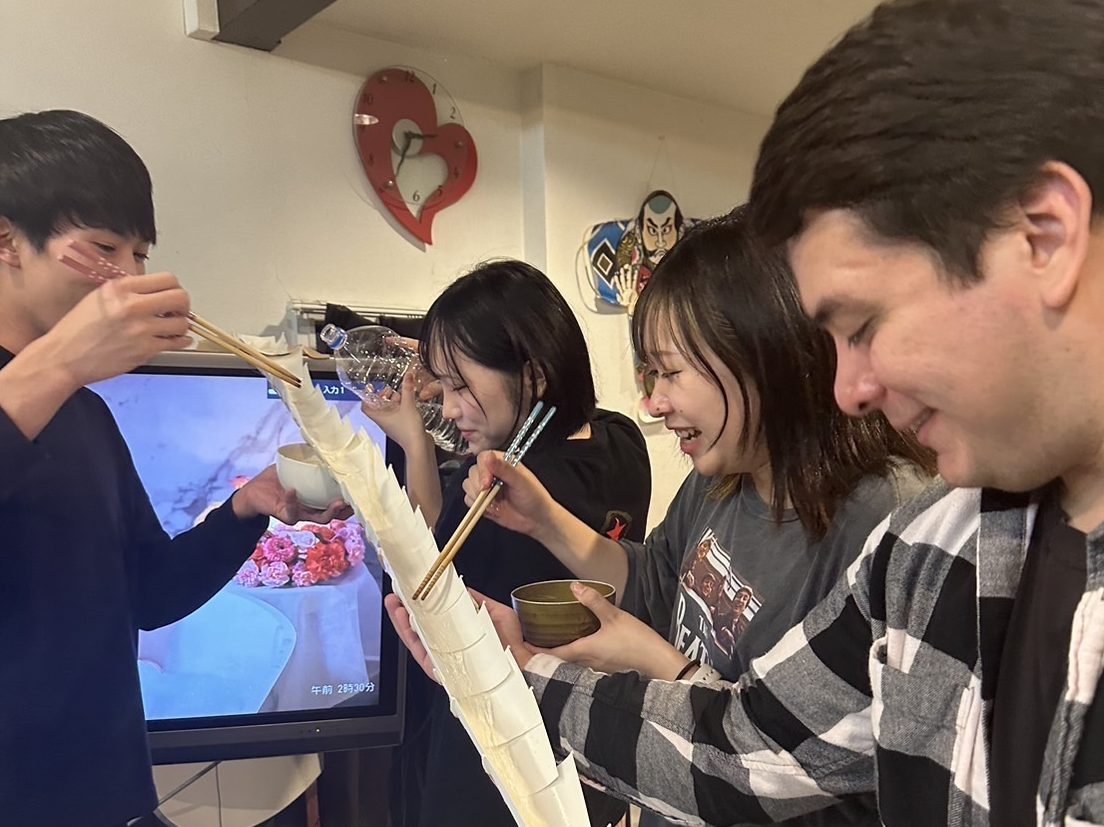
↑Flowing somen noodles at the house! Even small daily conversations become great chances to practice English

My third house was Shinjuku Nakai Share House. It had more residents, a lively atmosphere, and lots of events. Coincidentally, my older sister had lived there before me, so when I moved in, everyone was like, ‘The little sister has arrived!’ and welcomed me warmly.

― Each house has its own vibe – that is what makes it so fun! You really feel the difference in community atmosphere between houses, right?

Yes! I even organized exchange events between houses! We would connect Shinjuku Chuo share house and Ogikubo share house for dinner or drinks, sometimes at home and sometimes at a restaurant. Since I already had good relationships in both houses, it was easy to bring everyone together and those moments always reminded me how special this community is.

↑Everyone walking the full Yamanote Line loop – we finally reached the goal together!

Meeting people you would never meet in ordinary life! Deep bonds formed through living together

―Looking back on your time at Borderless House, is there any moment that left a strong impression on you?

There was a housemate who was half German and half Japanese, three years older than me, and we became really close. We would talk almost every night and even went on trips together. I was amazed at how deep our connection became just because we happened to live in the same place.

ツーショット

↑A photo of the two of us together

There were also so many people with completely different backgrounds from mine. Meeting people who lived freely with the mindset of ‘You can do what you want, whenever you want!’ really inspired me. It gave me the courage to take a gap year before job hunting to explore more of what I truly want to do.

At university, you tend to meet people with similar backgrounds and values. But at Borderless House, people of all ages, nationalities, and professions live together and that diversity itself makes even simple conversations exciting and eye-opening.

―Was there a moment when you felt you had grown or changed through your time at Borderless House?

When I first moved in, I used to just go along with what others said without thinking too deeply. But as I got to know people with so many different perspectives, I learned to form my own opinions and express them clearly. That is something I really feel I have grown into.

Lately, some of my housemates have even said, ‘You have really grown a lot.’ It makes me happy knowing there are people who have watched me since high school and are still here as I approach university graduation – people who have seen my journey over these four years.

―What do you love most about Borderless House?

The best part is meeting people you would never meet in everyday life. It is an experience you can only gain by taking that first step yourself.

Of course, there were times I was surprised or confused at first. To be honest, the houses are not super fancy or perfect, and since you are living with others, there can be a bit of stress sometimes. But the value you gain from it is so much greater than that. For me, it is more than just a ‘place to live’ it is a place full of growth, learning, and connection.

If you are even a little curious about it – just take the leap and give it a try!

A message to those thinking about moving into Borderless House

If you are already thinking about moving into Borderless House, I think that means you are someone with a curious and open mind. You might feel a little nervous at first, but before you know it, you will naturally adapt and feel comfortable living in this unique environment.

Since a share house is a place where you live, it also becomes a place where you return to. As you keep coming home to a house filled with housemates from all around the world, you will one day realize that you have already adapted without even noticing it. Don’t overthink it — just enjoy the experience.

After living here for four years, I can honestly say there have been so many moments when I thought, ‘I’m really glad I chose to live here.’

So, come and expand your world!


Inside Borderless House Tokyo’s Halloween Night 2025: Costumes, Laughter, and New Friendships

The spooky and thrilling season has arrived once again! 

On October 11, 2025, Borderless House hosted its annual Halloween Party, bringing together residents from across our international shared houses in Tokyo. 

Many of you may already know about this exciting tradition, but this event is always a perfect opportunity for everyone to come together in their most creative costumes, enjoy delicious food, and celebrate Halloween with housemates and international friends.

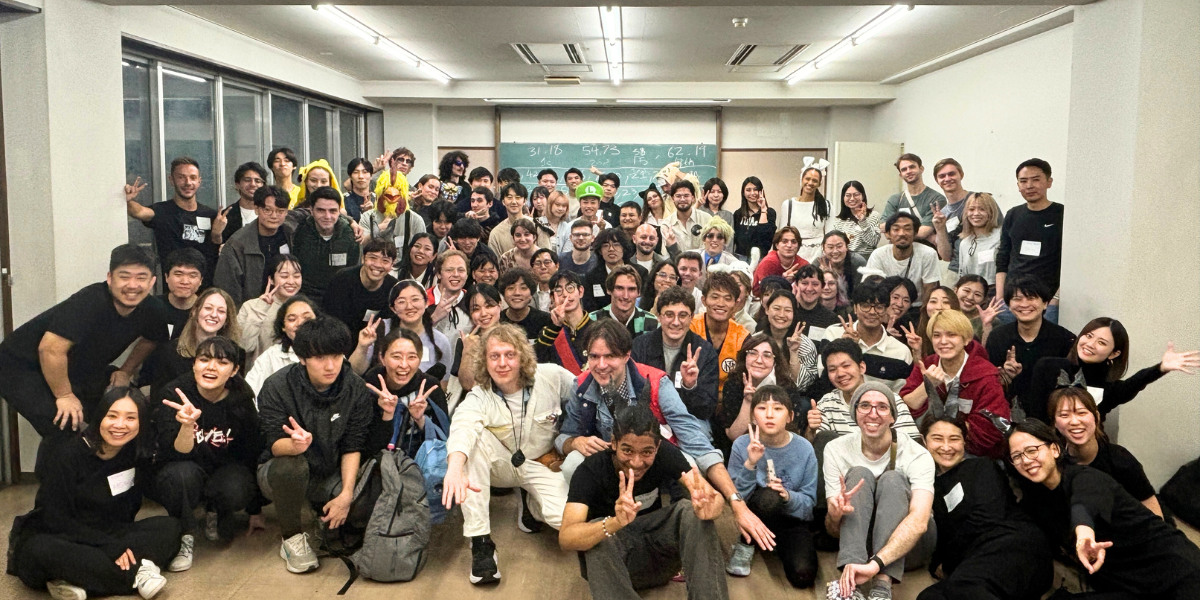
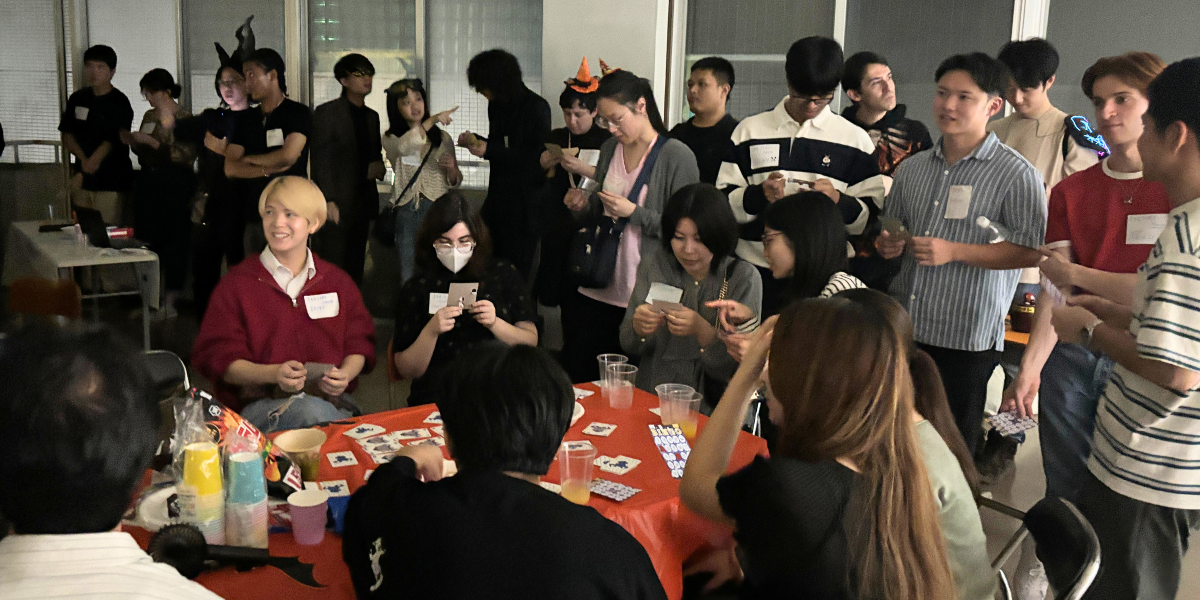
This year, over 80 residents and friends from our Tokyo houses gathered in Iidabashi, dressed in their best Halloween outfits for an evening  full of cultural exchange and new friendships.

From the very beginning, the atmosphere was lively, cheerful, and filled with excitement, as everyone connected with members from different Borderless House communities across Tokyo.

Moments from the Tokyo Shared House Halloween Party 

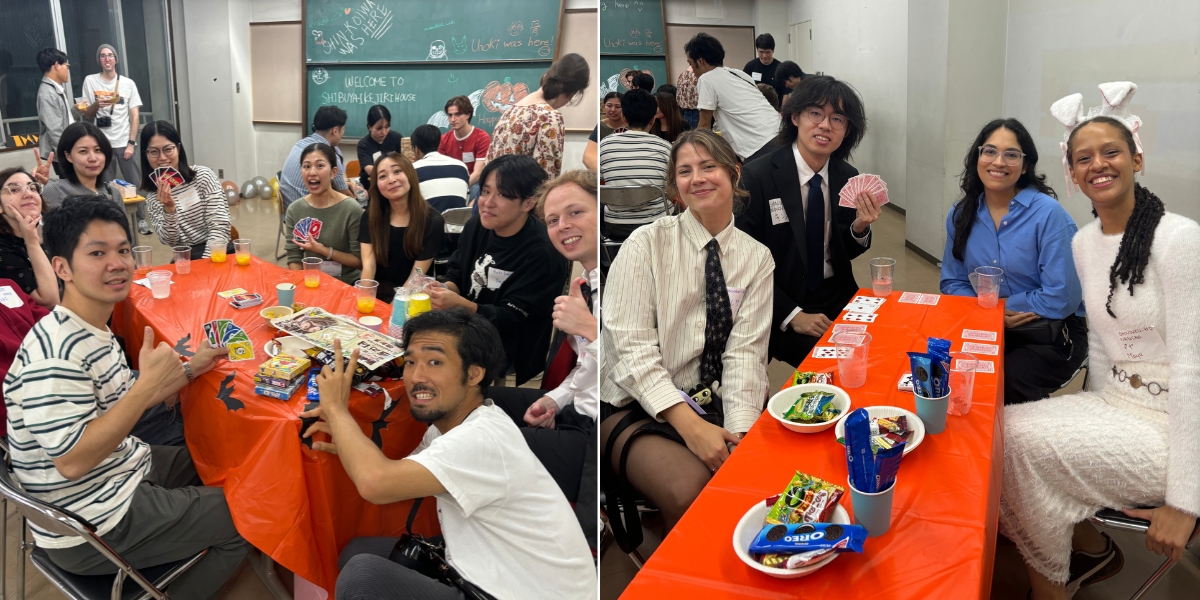
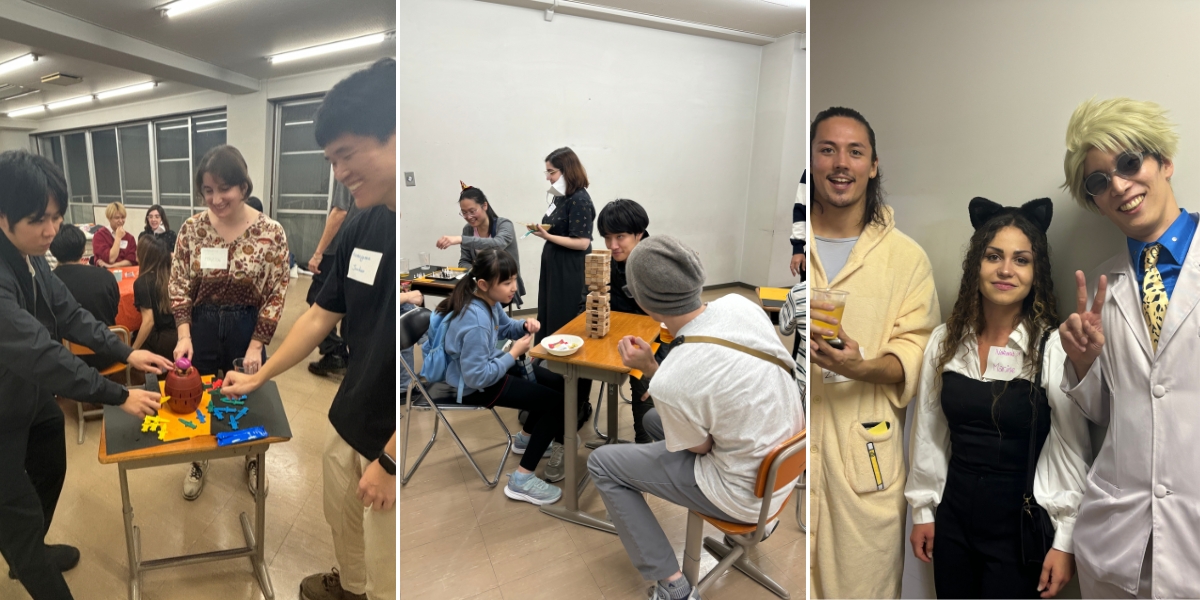
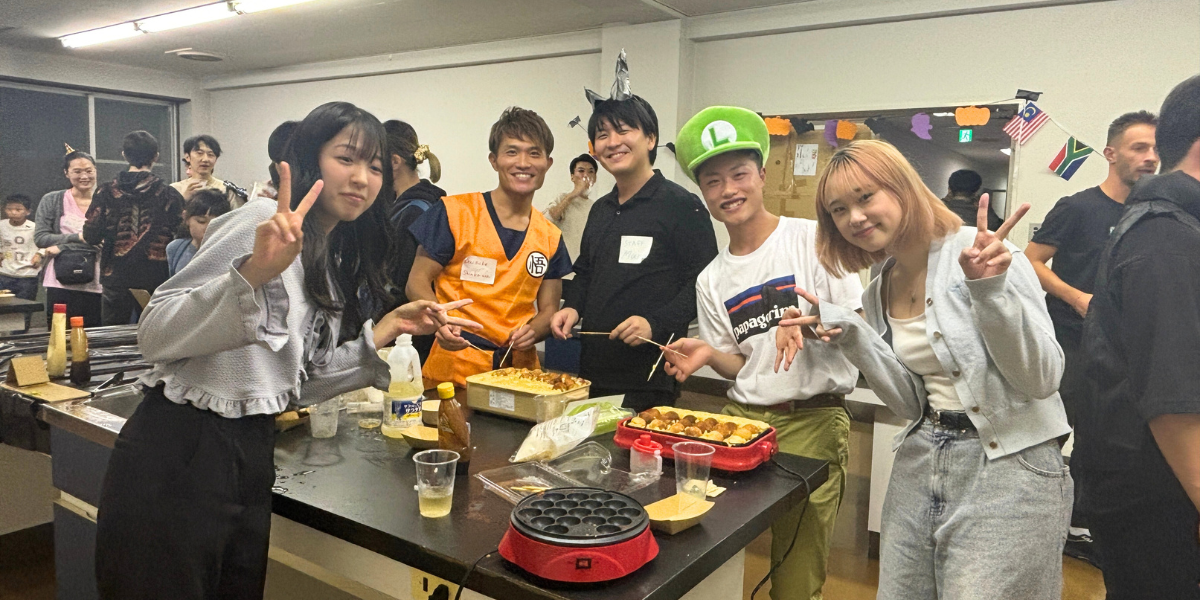
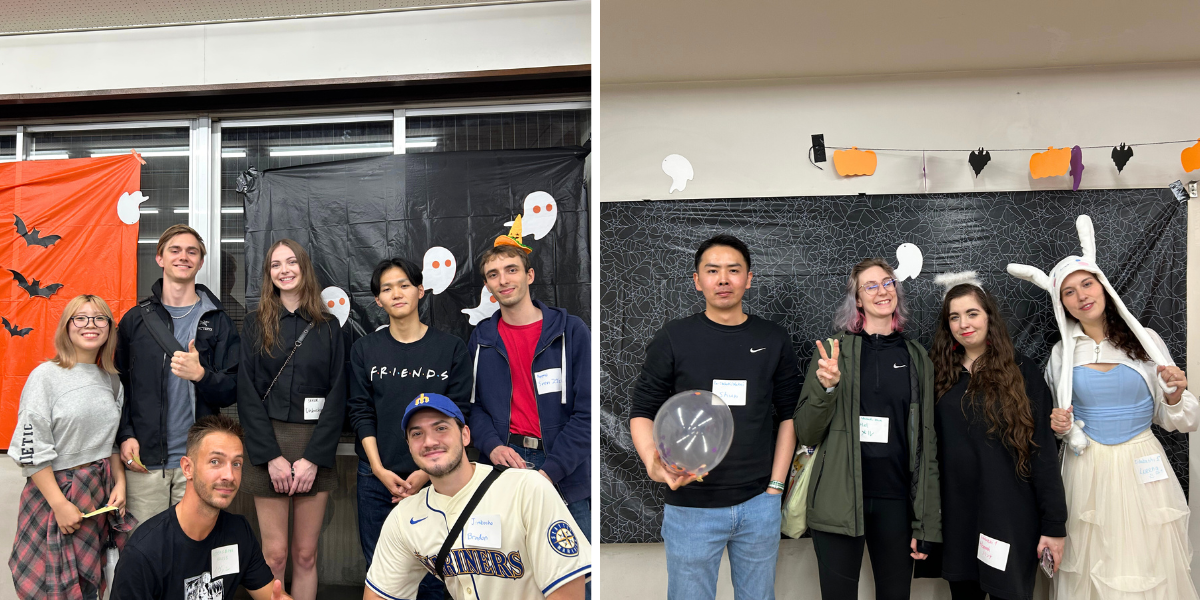
The room quickly filled with laughter and chatter as residents arrived in creative costumes – from spooky ghosts and witches to playful characters like Son Goku, Pikachu, and even a few animals. The decorations transformed the space into a cozy, festive corner of Tokyo!

As people arrived, the energy in the room grew warmer and livelier. Housemates who had only met online finally saw each other in person, exchanging smiles and compliments on their costumes. Some gathered near the snack tables filled with chips, candies, and homemade treats, while others headed to the card game corner or took turns snapping photos in front of the event backdrop. 

Laughter echoed through the room as residents tried out silly poses for photos and taught each other how to say “Trick or Treat!” in their own languages. It was one of those nights where every small moment, like a shared joke, a new friend, or an unexpected costume, reminded everyone why Borderless House is more than just a place to live.

One of the best parts of living in an international shared house is meeting people from different cultures and backgrounds. The mix of languages, laughter, and spontaneous friendships perfectly captured the Borderless House spirit, creating memories that will last long after Halloween night.

Residents’ Voices: What Our Residents Loved Most About the Event

We asked a few residents to share their impressions of the night: 

• A new tenant from France ( Komagome House )

“I just arrived a few days ago, and this was my first Borderless event. I really enjoyed the Japanese food and it was a great way to connect with other tenants.”

• A Japanese resident from Komagome House

“This was such a great way to meet people from different Borderless Houses! Everyone was so open and friendly!”

• Another Japanese resident from Omotesando House 

“I was a little hesitant to come, but I’m so glad I did! The Mario Kart competition and the bingo were super fun!”

Hearing their stories remind us that every Borderless House event is more than just a party – it is a great opportunity to meet new people and share memorable experiences.

From Mario Kart to Bingo: How We Celebrated Halloween Together 

The party featured a bar area, food booths and plenty of interactive games, creating a cheerful atmosphere where residents could mingle freely. The room was filled with laughter and people complimenting each other’s creative costumes.

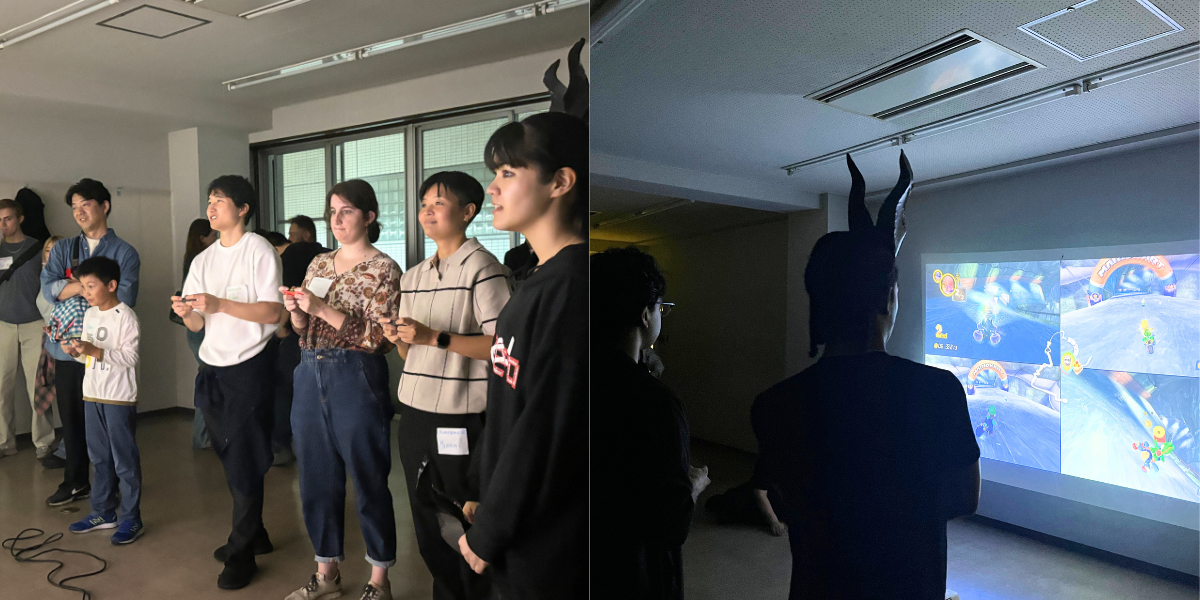
One of the highlights of the evening was the Mario Kart competition. People gathered around the big screen, cheering loudly for their housemates. Even those who were not playing joined in on the fun. The winners of each round competed with each other until there was one lucky winner. 

Towards the end of the evening came Bingo, with the lucky winners receiving great prizes – including up to 30,000 yen in rent discounts! Everyone was super invested and eager to win. For one of the prizes, three people got Bingo, so they had to rock-paper-scissors to decide the lucky winner. 

Building Friendships Beyond Halloween: The True Spirit of Borderless House 

Many people join the Borderless shared houses to experience international exchange in Japan,  improve their language skills and live in a social and inclusive environment .

Events like the Halloween parties are great ways to expand your circle beyond your own house – meeting people from different countries, cultures and backgrounds. 
What truly makes Borderless House special is that the exchange does not stop when the event ends. Even after the event, residents keep in touch, sharing moments that turn into long-lasting friendships.

Thank you to everyone who brought their energy, smiles, and open hearts to this year’s Halloween party. We can’t wait to create more memories with you in the next event!

Want to experience this kind of community yourself? Check available rooms at Borderless House Tokyo: Tokyo Shared House List

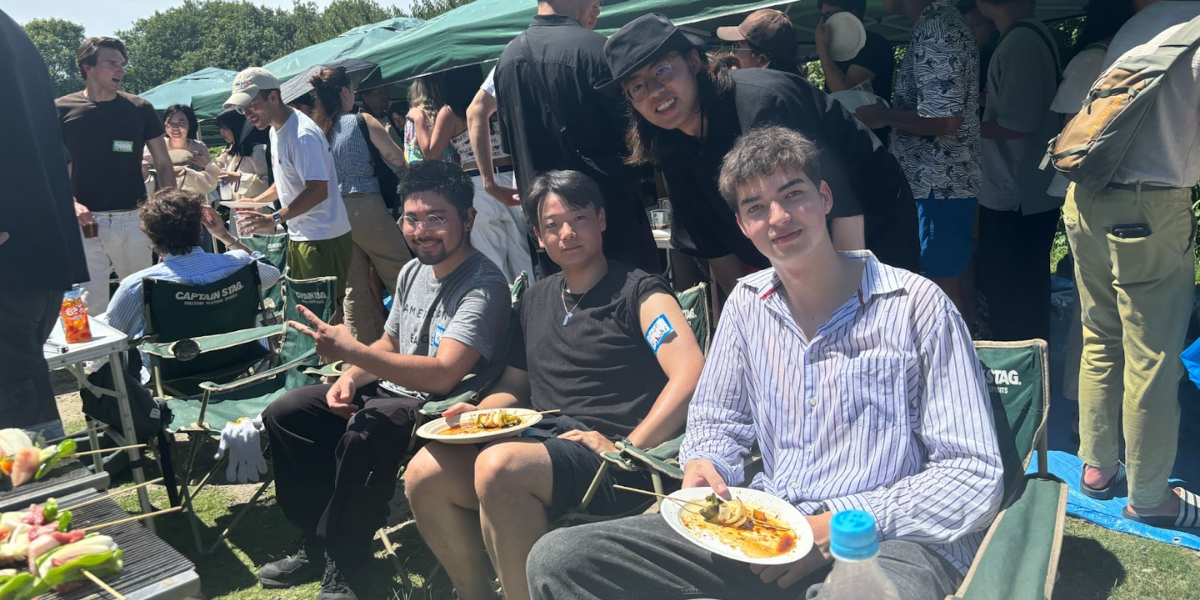
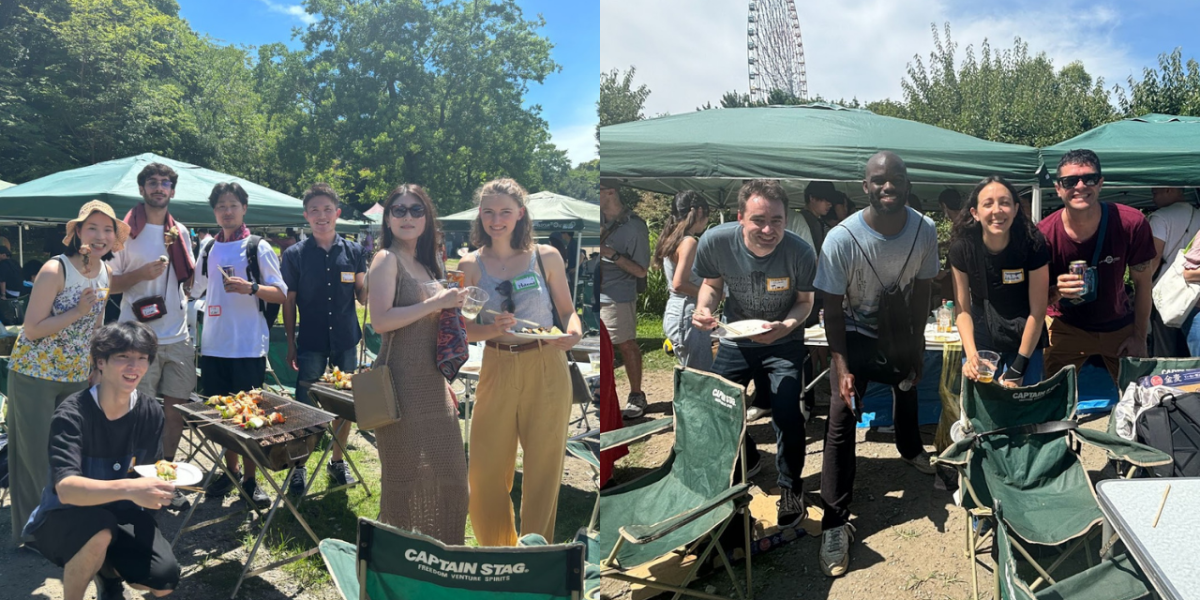
2025 Summer BBQ Bash! 72 Borderless House Tokyo Residents Unite!

What better way to celebrate summer than with great food, new friends, and unforgettable memories?
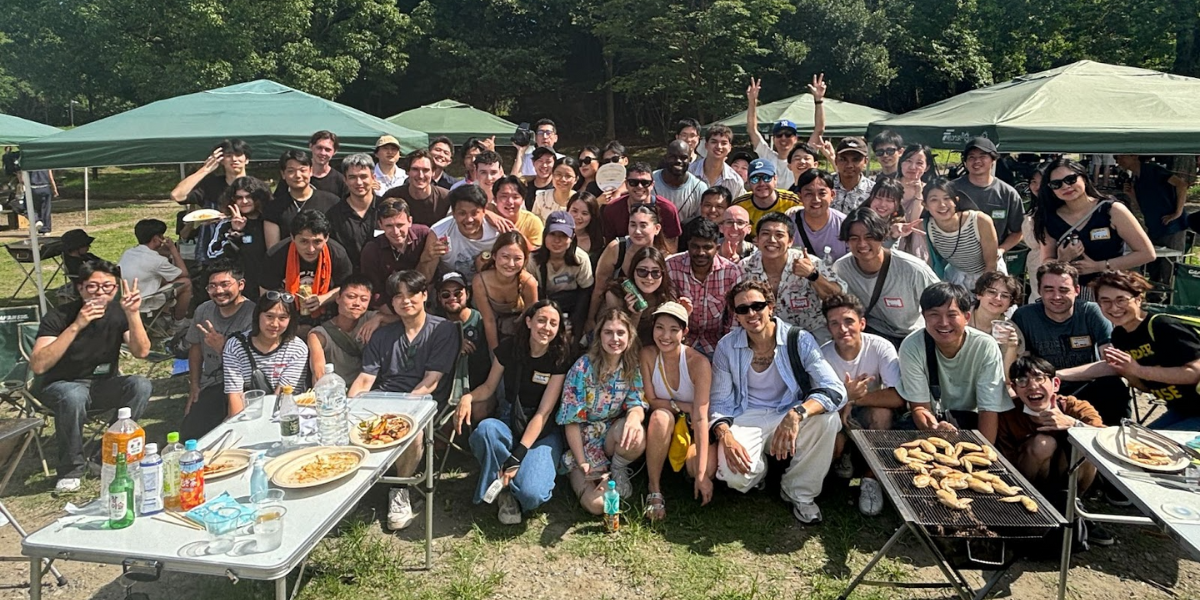
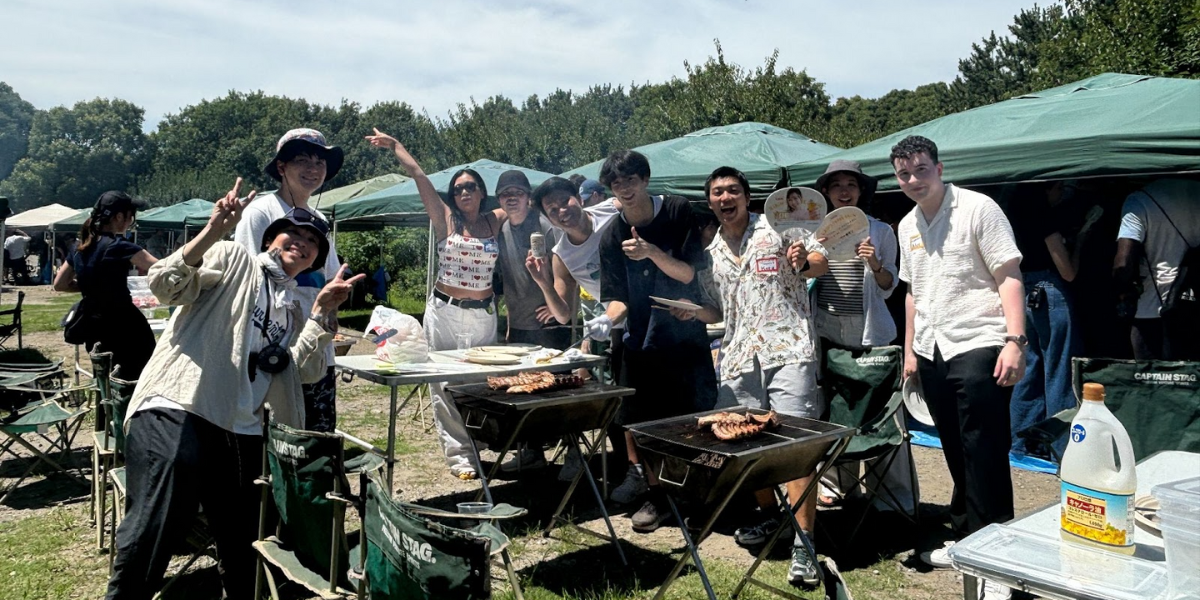
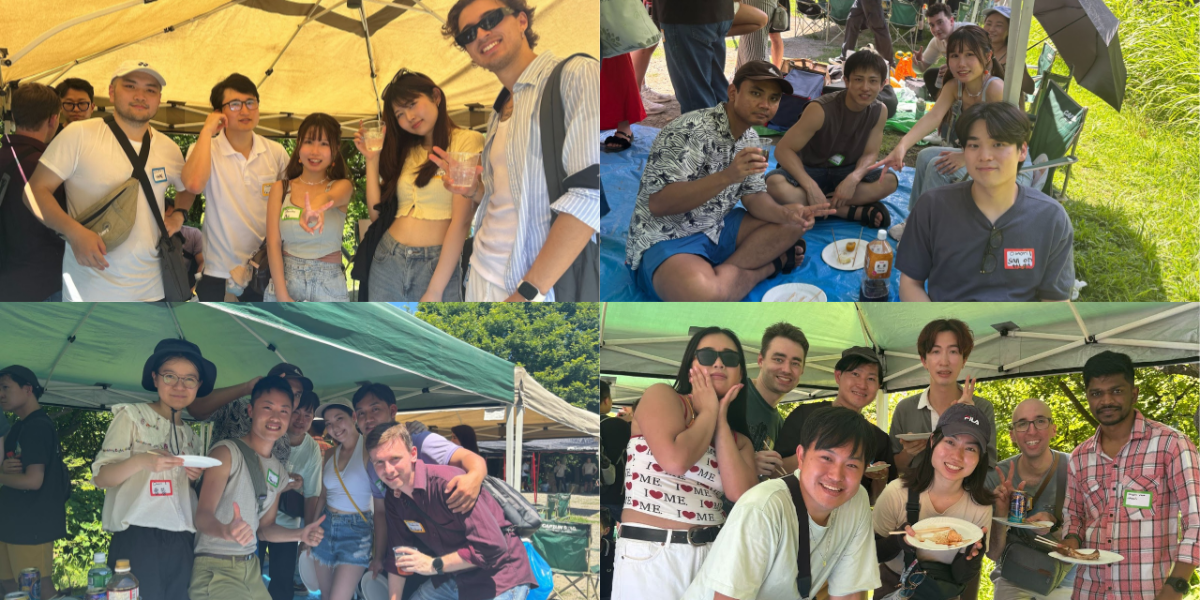
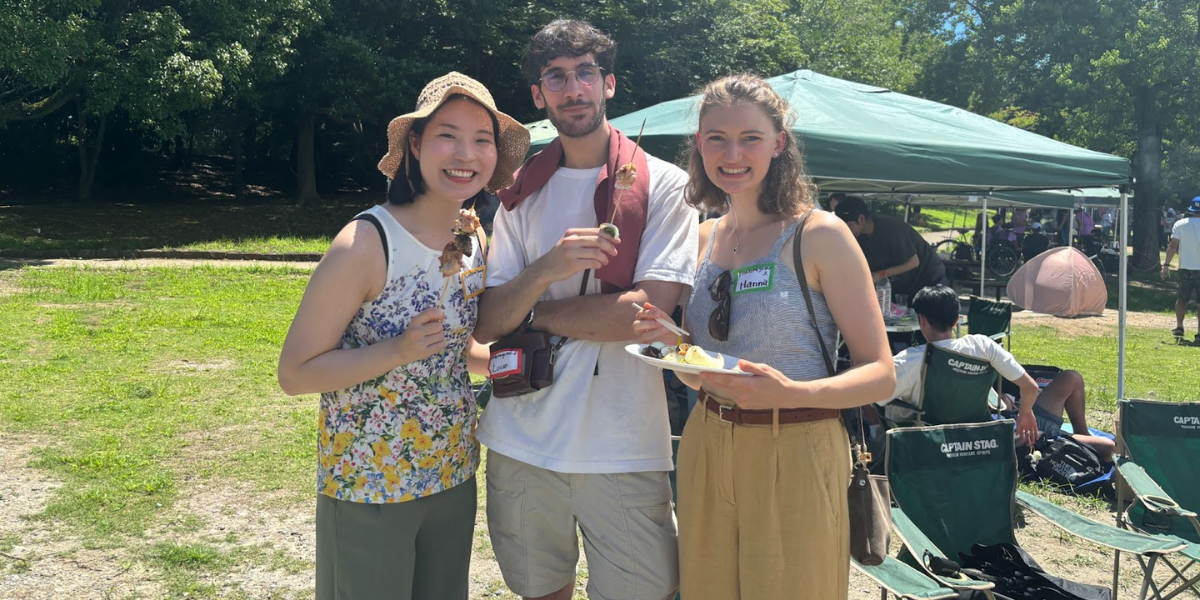
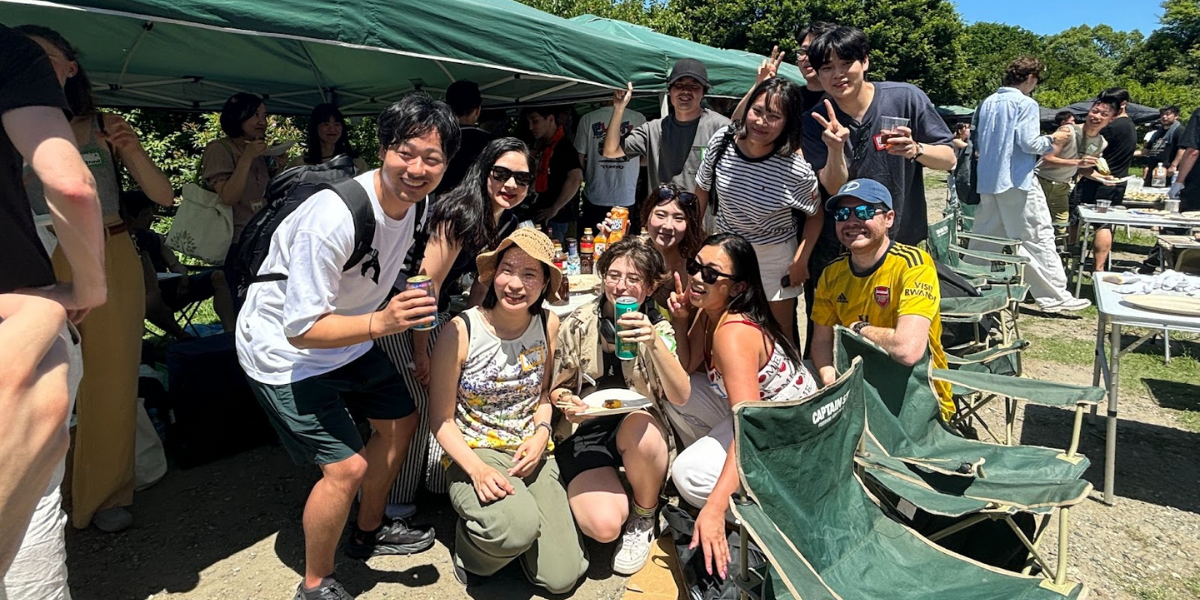
That’s exactly what happened at our 2025 Summer BBQ Party — where 72 Borderless House residents from all over Tokyo came together for one big international hangout.

It was a beautiful mix of familiar faces and fresh energy — from longtime housemates reconnecting, to newcomers who had just moved in three days ago, and even solo residents who showed up just hoping to meet someone new from another house.

The result? A sunny, laughter-filled day where people from around the world bonded over grilled food and shared stories that crossed cultures and languages.

One Thing in Common: BORDERLESS HOUSE

Breaking Down House Walls, Building Global Friendships 🌍

As soon as guests checked in, grabbed a drink, and stuck on their name tag, conversations started bubbling up all over the venue.

“Which Borderless House are you from?”
“What are you doing in Japan right now?”

Just like that, Tokyo turned into a hub of multicultural connection.

↑Among the crowd, we spotted a group from our brand-new Honkomagome 2 House, which just opened in 2025!

Building Summer Memories, Together

One of the things that makes Borderless House events special is that they’re created with our residents, not just for them.

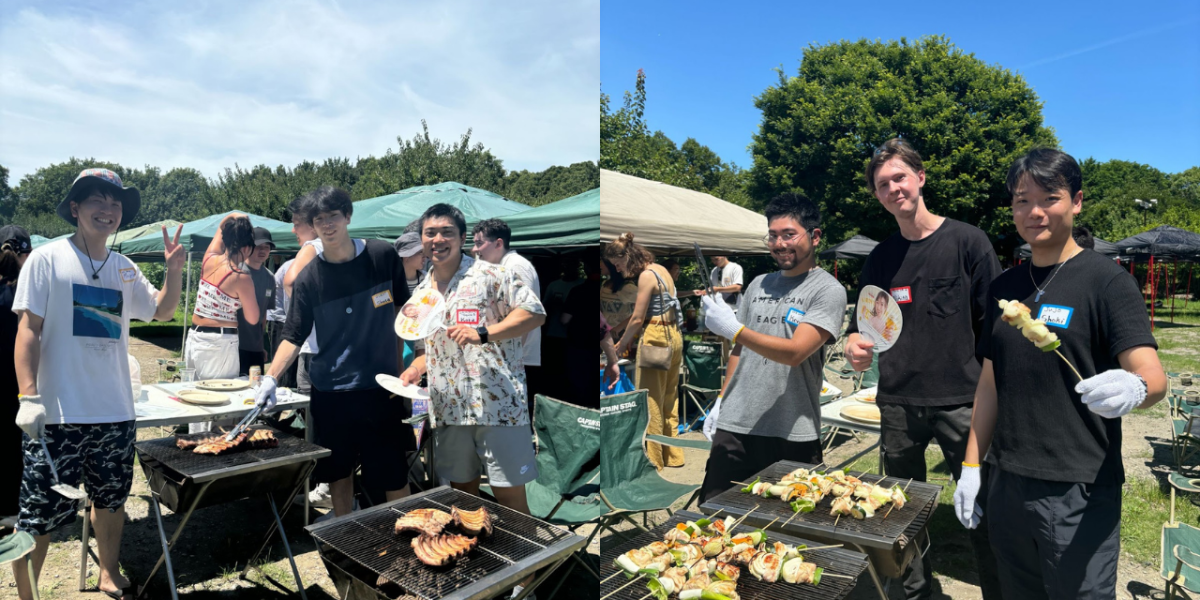
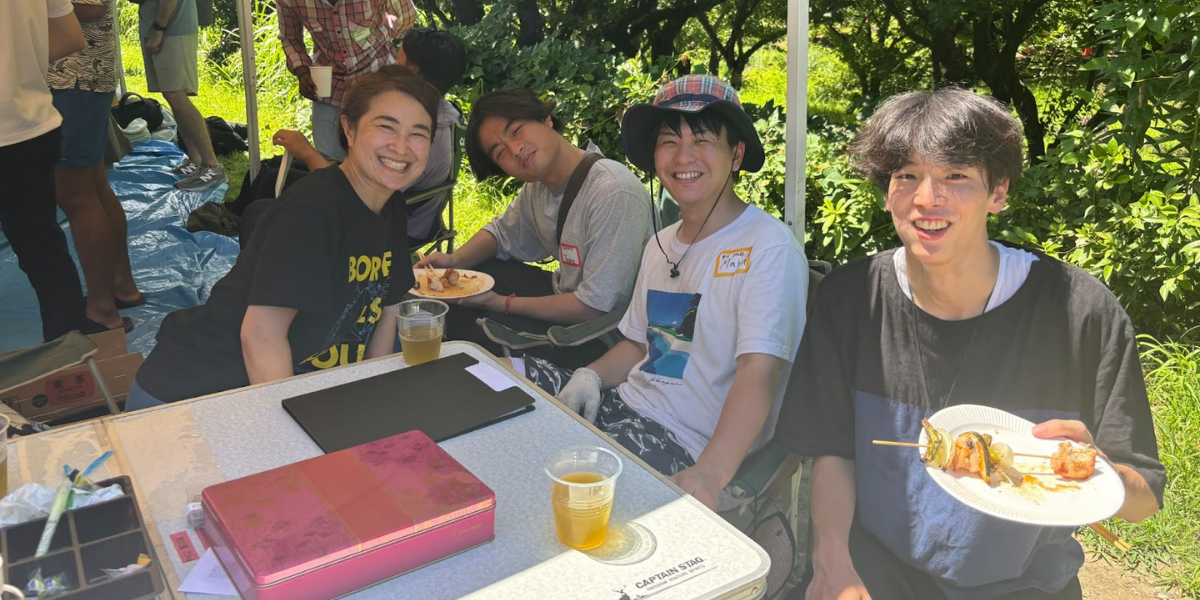
This BBQ was no different — several housemates volunteered behind the scenes to help prep and grill the skewers. Even in the heat, everyone was smiling and saying the same thing:

“It’s hot… but BBQs are just so much fun!!”

Their help brought a collaborative, all-hands-on-deck vibe to the entire day — and that energy was felt by everyone there.


↑(Huge shoutout to the BBQ squad — you guys crushed it!

What We Heard from Residents 

Here’s what many residents said after the event:

“I’m so glad I got to meet people from other houses!”
“I made new friends from different countries!”
“It was so hot, but I was having too much fun to care!”
“Can’t wait for the next event!”

People were swapping Instagrams, LINEs, and making promises like:

“I’ll come visit your house next time!”

Even after the event ended, some groups of new friends headed straight to a nearby beach together — the fun didn’t stop! 

When Food, Laughter & Curiosity Bring People Together

This BBQ party brought the kind of energy that melts away cultural barriers — all thanks to the openness that comes from a big community gathering like this one.

You could really feel it:
Laughter, food, and conversation led to natural, real connections.

And that’s the magic of Borderless House — an international share house where friendships grow not through grand gestures, but through everyday moments.

You don’t have to travel the world to meet people from around it.
Sometimes, all it takes is sharing a meal on a sunny afternoon.

Want to Be Part of It Next Time?

If you’ve ever dreamed of making friends from around the globe —
Not someday, but right now —
Borderless House might just be your new home.

Because international exchange doesn’t have to start with a plane ticket.
It can start right where you live!

Want to join our big international family or learn more about Borderless House life?
Feel free to contact us here! We’d love to hear from you.

You can also check out our share houses in Japn:

▶ Share Houses in Tokyo
▶ Share Houses in Kyoto, Osaka, and Kobe
▶ Share Houses in Sendai

Wanna know who’s living there? Every house page shows you the residents’ countries, ages, and even a short message from them. It’s like peeking into your future housemates!

Change the Way You Live Abroad: BORDERLESS HOUSE & Sustainable Living in Japan

When people come to Japan these days—whether it’s for studying, a working holiday, or a new job—they’re not just looking for “a place to sleep.” What many are really searching for is a lifestyle that feels meaningful and sustainable.

And sustainability isn’t only about the planet. It’s also about how we live with people from different cultures, how we share, and how we learn from each other. That’s actually a big part of the SDGs—building communities where everyone belongs.

This is exactly what BORDERLESS HOUSE is all about: living together with people from all over the world, making real friendships across cultures, and experiencing a lifestyle that’s both inspiring and sustainable.

What are SDGs and Why They Matter in Daily Life?

You’ve probably seen the colorful SDG icons before, but maybe they felt a bit… far away from daily life? The truth is, the SDGs (Sustainable Development Goals) aren’t just for governments or big companies—they’re also about the small choices we make every day.

Here are three SDGs that connect directly to the way foreigners experience life in Japan:

No.10 Reduced Inequalities

Living abroad can sometimes feel overwhelming—language barriers, cultural differences, or even stereotypes. But SDG No.10 is all about breaking those walls down and making sure everyone has a fair chance to belong. Choosing to live in a community that welcomes diversity is already a step toward this goal.

No.11 Sustainable Cities & Communities

Cities like Tokyo, Osaka, and Sendai are exciting but can also feel lonely if you don’t know anyone. SDG No.11 reminds us that a truly sustainable city isn’t just about eco-friendly buildings—it’s about building communities where people support each other. Imagine a share house where neighbors actually talk, cook together, and share cultures. That’s sustainable living in action.

No.17 Partnerships for the Goals

The SDGs can’t be achieved alone. Partnerships—between countries, communities, and individuals—are the key. When you live with people from different nationalities under one roof, you’re not just sharing rent, you’re building real partnerships across cultures. That’s the heart of SDG No.17.
So yes, even something as simple as choosing where you live can be part of creating a more sustainable and meaningful world.

Sustainable Living in Japan as a Foreigner

Moving to Japan sounds exciting, right? Neon lights, endless ramen shops, and so many things to explore. But for many foreigners, the reality can feel a little different—isolation, language barriers, and cultural gaps can make daily life tough.

Here’s the good news: sustainable living in Japan isn’t just about recycling or biking to work—it’s also about building an inclusive, supportive community where people truly connect.

That’s where living in a multicultural community in Japan changes everything. Instead of feeling like an outsider, you find yourself surrounded by people who want to share meals, swap stories, and help each other out. Suddenly, “Japan life” isn’t just surviving—it’s thriving.

By choosing the right kind of community, you’re not only making life easier for yourself, but also taking part in reducing stereotypes and building bridges across cultures. And that’s what real sustainable living looks like.

What Makes BORDERLESS HOUSE Different?

So how is BORDERLESS HOUSE not just another share house, but a community with purpose? Here’s where daily life meets the SDGs:

50% Japanese + 50% foreigners → SDG 10: Reduced Inequalities

Every house is designed for balance. That means you’re not just living “with foreigners” or “with Japanese,” but in a true mix. Daily conversations become language exchanges, dinners turn into culture-sharing nights. The small moments break down walls and stereotypes, reducing inequalities one chat at a time.

Community activities & volunteering → SDG 17: Partnerships for the Goals

From cooking events to local volunteering, BORDERLESS HOUSE creates chances to team up, not just with your housemates but with the neighborhood. These partnerships show that “sustainability” is also about human connections, not only about the environment.

Shared living = Eco-friendly lifestyle → SDG 11: Sustainable Cities & Communities

Think about it: when you share electricity, water, furniture, and even cooking tools, you’re already cutting waste and living greener. It’s sustainable living in action, without even trying too hard.
All of this ties back to our vision: eliminating prejudice and discrimination through shared living and international understanding. At BORDERLESS HOUSE, the house itself becomes the place where a better world is built—starting from your daily life.

How You Can Contribute to SDGs by Living in a Share House

You don’t need to join an NGO or launch a huge project to make an impact.
Your daily choices already matter.

By choosing a multicultural share house, you’re:
●Living in eco-friendly housing in Japan → sharing resources, cutting waste, and living lighter on the planet.
●Helping to contribute to SDGs in Japan → every conversation across cultures reduces inequalities and builds global understanding.
Creating real connections that ripple outward → friendships, projects, and ideas that last far beyond your stay.

It’s not just where you sleep—it’s how you live. And your life can be a step toward the world you want to see.

Join BORDERLESS HOUSE and Start Your Sustainable Life in Japan 

Looking for a place to live in Japan that gives you more than just a room?
At BORDERLESS HOUSE, you’ll find:
● A home: a cozy space where you can belong.
● A community: 50% Japanese + 50% internationals, always ready to connect.
● An action base for SDGs: your daily life becomes a contribution to something bigger.

▶ Explore Our Houses in Tokyo
▶ Explore Our Houses in Kansai  (Osaka, Kyoto & Kobe)
▶ Explore Our Houses in Sendai

Start your journey now—live sustainably, connect deeply, and be part of a community that’s building a borderless future.

Make the Most of Japan’s Digital Nomad Visa in 2025: How to Apply, Where to Live & Work Remotely

Thinking of Working Remotely from Japan in 2025? Here’s What You Need to Know.

Do you dream of living in Japan while working remotely? In 2025, it’s finally possible! With Japan’s new Digital Nomad Visa, you can stay in Japan for up to 6 months while working online for a company outside Japan.

Japan is a great place for digital nomads. It has fast internet, safe cities, delicious food, beautiful nature, and a mix of traditional and modern culture. Whether you love busy cities like Tokyo or quieter places like Sendai or Kyoto, there’s a place for everyone.

This blog will guide you through everything you need to know about living and working remotely in Japan:

Let’s explore how you can start your new remote work life in Japan this year!

What Is the Japan Digital Nomad Visa?

Japan’s Digital Nomad Visa is a new visa that started in 2024. It’s made for people who work online, like freelancers, remote workers, or entrepreneurs. With this visa, you can live in Japan for up to 6 months while working for a company or clients outside of Japan.

This visa is a good option if you want to explore Japan, experience the culture, and still keep your job from your home country. You don’t need a local sponsor or job in Japan to apply.

To get the visa, you must:

Be a citizen of one of 49 eligible countries:

● Have an annual income of at least 10 million yen (about 64,000 USD)
● Show proof of international health insurance

It’s important to know: the visa cannot be extended, and you will not get a Japanese residence card. But it still gives you plenty of time to live in Japan, work remotely, and enjoy daily life here.

How to Apply for the Japan Digital Nomad Visa

Applying for Japan’s Digital Nomad Visa is a simple process if you prepare in advance. There are two ways to apply: from your home country or after arriving in Japan as a tourist.

Here’s how it works:
Check Eligibility: Make sure your country is on the list of 49 eligible countries, and that your annual income is at least 10 million yen (around $64,000 USD).

Prepare Your Documents:
✔ Valid passport
✔ Visa application form
✔ Proof of income (such as tax documents or contracts)
✔ Proof of medical insurance with at least 10 million yen coverage
✔ Description of your planned activities in Japan

Choose Where to Apply:
You can apply at a Japanese embassy or consulate in your home country
Or apply at a local immigration office in Japan within your 90-day tourist visa period

Tip: Applying outside of Tokyo is often faster, as smaller cities like Sendai or Kyoto may have shorter processing times.

Once you submit your documents, it usually takes about 3 to 8 weeks to get approval. After that—you’re ready to start your Japan journey!

What to Expect While Living in Japan on a Digital Nomad Visa

Living in Japan as a digital nomad is a rewarding experience—but there are a few important things to keep in mind, especially since the Digital Nomad Visa does not include a residence card (zairyu card). This means you may face a few limitations compared to long-term residents.

What You Can’t Do Without a Residence Card

● You can’t open a Japanese bank account
● You can’t sign a long-term phone contract
● You can’t rent a typical long-term apartment
● You won’t have access to government services like pension or national ID

But don’t worry! Many nomads live comfortably in Japan using alternatives:

● Use international banks like Wise or Revolut
● Get a prepaid SIM card or eSIM for data
● Stay in furnished share houses or monthly rentals that don’t require long-term contracts

Staying Social and Making Connections

One of the best things about living in Japan is meeting new people. Joining language exchange groups, going to coworking spaces, or living in a share house can help you build friendships quickly.

For example, Borderless House has share houses in cities like Tokyo, Kyoto, and Sendai where both Japanese and international residents live together. It’s a fun and easy way to practice Japanese, learn about local culture, and feel less alone in a new country.

Is the Digital Nomad Visa Right for You?

Japan’s Digital Nomad Visa is a great option if you want to experience life in Japan without changing jobs or applying for a work visa. But since it only lasts 6 months and cannot be extended, it’s best for people who want a short-term stay to explore, work, and enjoy a different culture.

Who It’s Best For:

● Freelancers or remote workers who want to live abroad for a few months
● Creatives, writers, and digital entrepreneurs looking for new inspiration
● People who want to explore Japan while still working online
● Nomads who don’t need a long-term visa or local benefits

Using Your Stay Wisely

Many nomads use the 6-month visa to explore Japan while planning their next step. During this time, you can:

✔ Build a local network
✔ Look for other visa options (like a student visa or job opportunity)
✔ Learn Japanese and take cultural classes
✔ Travel around the country and discover which area you might want to live in longer

Whether you want to immerse yourself in Japan’s culture, meet new people, or simply change your work environment, this visa gives you the freedom to do so—with less pressure and more flexibility. It’s not about staying forever; it’s about starting something new.

If you’re also curious about working remotely in other parts of Asia, The Digital Nomad Asia has helpful information and guides that might inspire your next destination too.

Best Places to Live in Japan as a Digital Nomad

Japan offers many great cities for remote work, each with its own charm and lifestyle. While Tokyo is the most well-known, there are other cities that might be a better fit—especially if you’re looking for something more affordable or relaxing during your 6-month stay. Sendai might just be your next favorite remote work destination in Japan — explore why HERE.

Tokyo – Exciting but Busy

Tokyo is perfect if you enjoy big cities with lots of energy. It has fast internet, international communities, and endless things to do. But it can also be expensive and crowded. If you like a fast-paced lifestyle, Tokyo might be right for you.

Kyoto – Calm, Cultural, and Creative

Kyoto is a beautiful city full of temples, nature, and traditional charm. It’s quieter than Tokyo but still has everything you need. Many remote workers and creatives enjoy living here. You can work in a café in the morning and take a walk through a peaceful shrine in the evening.

Sendai – Affordable and Peaceful with Great Access

Sendai is one of the best hidden gems for digital nomads. It’s clean, green, and much more affordable than Tokyo. The city has a relaxed pace, friendly locals, and is close to nature. You can also travel to Tokyo in just 1.5 hours by Shinkansen, and Sendai Airport connects you to places like Osaka and Hokkaido.

BORDERLESS HOUSE Sendai, located near Tohoku University, is a great option if you want to meet other international residents and live in a friendly, social community without needing a long-term contract.

Why Living in a Share House Is a Smart Choice for Digital Nomads

Finding a place to stay in Japan as a digital nomad can be tricky—especially if you don’t have a residence card. Many apartments require long contracts, Japanese language skills, or a local guarantor. That’s why share houses are one of the easiest and most flexible options for digital nomads.

Simple, Flexible, and Social

Share houses usually come fully furnished, with Wi-Fi, utilities, and common areas included in the rent. There’s no need to buy furniture, set up contracts, or pay large deposits. Most places also allow short-term stays—perfect for your 6-month visa.

More than that, share houses let you meet people from different countries and local Japanese residents. This means you’ll have a chance to build friendships, practice language skills, and avoid feeling isolated.

BORDERLESS HOUSE: A Good Match for Remote Workers

If you’re looking for a place that offers more than just a bed, BORDERLESS HOUSE has share houses in Tokyo, Kyoto, Osaka, and Sendai. Each house is a mix of Japanese and international residents, creating a warm and multicultural environment.

You’ll have your own private room, shared kitchen and living space, and a community of people who can make your Japan experience more meaningful—even if it’s just for a few months.

For digital nomads, a share house is more than a place to stay—it’s a community to belong to while living and working abroad.

Level Up Your Japan Experience: Partner Spotlight

If you’re looking to maximize your 6-month Digital Nomad Visa by diving deeper into local Japanese life, our partner TADAIMA SHIMODA offers a unique and meaningful opportunity.

TADAIMA 2025 is a 3-day to 1-month coliving and community-building program in the coastal Japanese town of Shimoda, just 2.5 hours from Tokyo. The concept is “Co-creating Futures: Global Talent Meets Local Communities.”

More than just a place to stay, this program is an invitation to make Japan your second home by:

TADAIMA Mirai Kaigi (Future Conference): A three-day bilingual global conference (November 12-14) bringing together digital nomads, local residents, and changemakers to explore how global talent and local communities can co-create future lifestyles.

If your goal is to truly integrate, feel the warmth of saying “I’m home” (TADAIMA), and connect with Japan on a meaningful level, this program is the perfect way to elevate your Digital Nomad stay.

● Dates: November 3–30, 2025 
● Location: Shimoda, Japan

Special Offer for BORDERLESS HOUSE Readers: Use the referral code “BORDERLESS” when applying to let them know we sent you!

▶  Explore TADAIMA 2025 today and start building your future in Japan!

Only 2 minutes from the station! Discover the appeal of Tokyo’s newest international share house — BORDERLESS HOUSE Honkomagome 2

New House, New Start!
BORDERLESS HOUSE Honkomagome 2 opened on April 10, 2025, in Bunkyo, Tokyo — and it’s just 2 minutes from the station!

Fully renovated and sparkling clean, it even has a mirrored wall space perfect for yoga or daily workouts at home.

Our staff Moko will show you around the area and share what makes this new house a great place to start your international life in Tokyo.

Explore Honkomagome 2 and Its Neighborhood

Let’s start with the basics — what’s around the house, how to get there, and why the area is such a great fit for international living.

Honkomagome2 is in a quiet, cozy part of Tokyo’s Bunkyo Ward — and it’s just a 2-minute walk to Honkomagome Station (Tokyo Metro Namboku Line). Easy, peaceful, and super convenient.

担当スタッフのモコ
Moko

If you want a short commute or feel safer being close to the station at night, Honkomagome 2 is a great choice. It’s a cozy international share house just 2 minutes from the train!


BORDERLESS HOUSE Honkomagome 2 Shared Living & Kitchen

Getting around is super easy here:
・12 minutes to Ikebukuro
・19 minutes to Ueno
・Direct access to major office areas like Yotsuya & Nagatacho via the Namboku Line

You can reach most of Tokyo with just one transfer — perfect for commuting or exploring the city.

Honkomagome2 Share House is a cozy 3-story international share house with 12 private rooms. Each room has its own layout, so you can find a space that fits you.

With shared showers, a kitchen, and a comfy living room, it’s a great place to relax, cook, and connect with others. Some rooms even have unique designs — making your personal space feel extra special.

One more thing that makes Honkomagome 2 special — It has a studio-style space with a full mirrored wall!

Whether you’re into yoga, stretching, or working out at home, this space is perfect for your daily routine. You can even use it to take fun photos with your housemates!

Need a quiet place to study or take online classes? There’s also a small study room with a monitor, ideal for one or two people who want a calm and focused environment.

担当スタッフのモコ
Moko

Living with international housemates means every moment is a chance to learn, connect, and experience the world — all under one roof.

Plenty of space for yoga, stretching, or a quick workout — even with your arms fully extended.

There’s a quiet study room with a monitor — perfect for working from home or studying solo.

Just 30 seconds from Honkomagome Station, there’s a local coffee stand known for its amazing white cheesecake. And for daily shopping, stores like My Basket and Co-op are right nearby — everything you need, right around the corner.

Just a 5-minute walk takes you to a supermarket near Hakusan Station on the Toei Mita Line.

A supermarket near Hakusan Station is just 5 minutes away on foot.
And if you feel like exploring more, Komagome Station on the JR Yamanote Line is an 18-minute walk — lined with cafés and restaurants perfect for housemate hangouts.

You’ll also find bigger stores like Maruetsu Petit, Seijo Ishii, and drugstores nearby, great for shopping after work or on weekends.

Plus, with Toyo University and the University of Tokyo close by, this location is a great fit for students too.A modern-style public bath “Fuku no Yu” that’s easy to enter even for women.

A stylish ice cream shop in the neighborhood.

担当スタッフのモコ
Moko

Want to be part of an international community at Honkomagome2? Come see the house in person — we’d love to welcome you for a tour!

➡️See More About Honkomagome 2

Start Your Global Life in Japan with BORDERLESS HOUSE

At BORDERLESS HOUSE, young people from over 120 countries and regions come together to share a home, build friendships, and learn from each other’s cultures and perspectives — all under one roof.

Since 2008, we’ve been creating international share house communities across Tokyo, Kyoto, Osaka, Kobe, and Sendai — now with over 50 locations.

Want to explore our houses?
You can browse all available share houses through our Tokyo, Kansai, and Sendai area pages.

▶Tokyo Share Houses

▶Kyoto, Osaka & Kobe Share Houses

▶Sendai Share Houses

Each house page lets you see who’s currently living there — including their nationalities, gender, age range, and self-introductions. It’s a great way to get a feel for the community!

We also regularly post about daily life and resident stories on our official Instagram — follow us to stay connected!